Many people face addiction in various forms, and it can feel like a heavy burden. The Christian perspective emphasizes that true freedom from addiction is possible through a relationship with Christ. This view provides hope and strength for those struggling, showing that they are not alone in their battles.
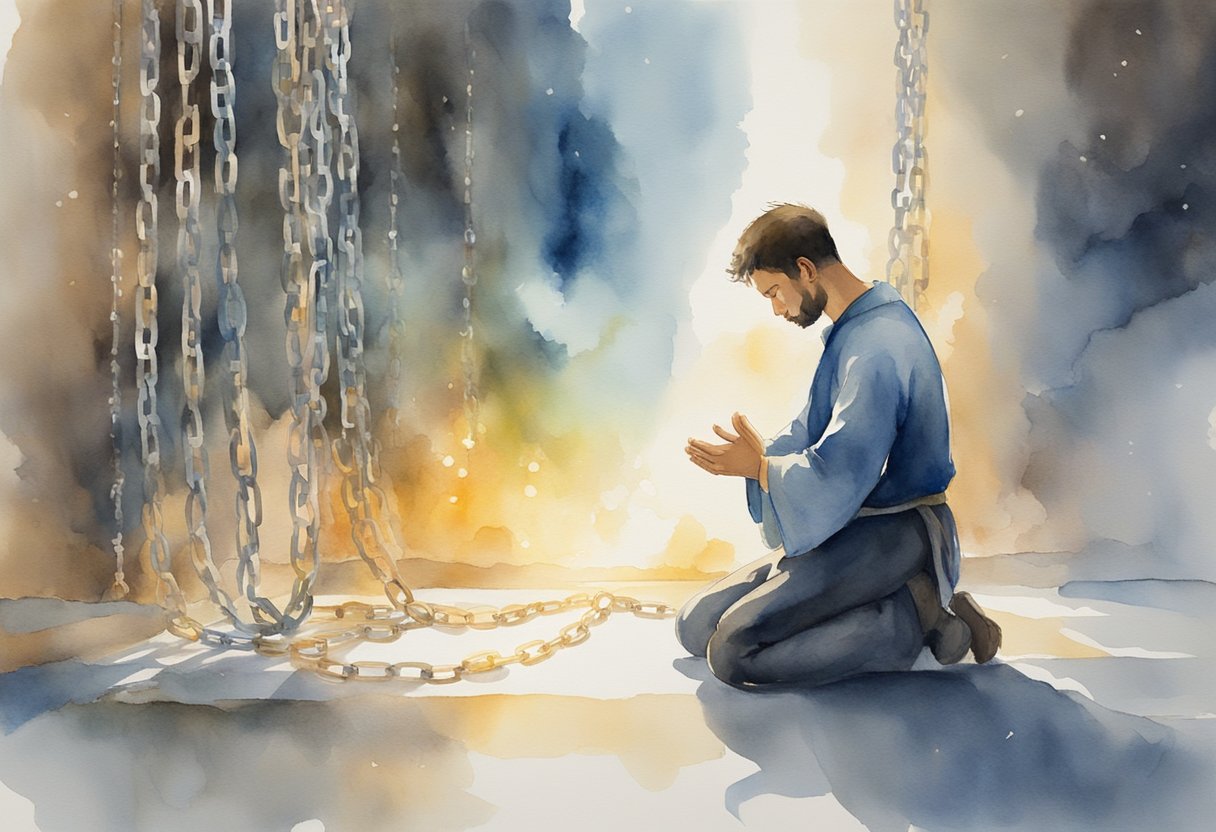

Faith can play a transformative role in recovery.
Support from a faith community can help individuals to navigate their challenges and feel encouraged along the way.

Embracing spiritual practices can nurture healing and create a path toward lasting change.
Key Takeaways
- Freedom from addiction is attainable through faith in Christ.
- Supportive relationships are crucial in the recovery journey.
- Spiritual practices can aid in overcoming addiction challenges.
Understanding Addiction as Sin
Addiction can be seen as a struggle that impacts a person’s relationship with God and others. Viewing addiction through the lens of sin helps reveal the deeper issues involved and emphasizes the need for spiritual healing.
The Nature of Addiction
Addiction often starts with a desire to escape pain or discomfort.
It can take many forms, such as substance abuse, gambling, or unhealthy behaviors. People who face addiction may find temporary relief, but it usually leads to deeper problems.
When someone is addicted, they may start prioritizing their addiction over their relationships with family, friends, and God. This shift reflects a bigger issue of placing something above God, which can be seen as a form of sin. The repetitiveness of indulging in an addiction can create feelings of guilt and shame, driving the person further away from God.


Sin and Its Role in Addiction
Sin plays an essential role in understanding addiction. Temptation often leads people into harmful habits.
Initially, the act may seem pleasurable, but it can quickly spiral into a destructive cycle.
One factor is the desire to find comfort in things that are not of God. As individuals become more entrenched, their sense of guilt grows. This guilt can create a cycle of sin, leading to shame and further withdrawal from faith and community.
Recognizing that addiction can be a form of sin offers a pathway to healing. It encourages individuals to seek God’s forgiveness, helping them break free from their struggles. The journey toward freedom begins with understanding the spiritual implications of addiction.
The Role of Faith in Recovery






Faith plays a vital role in recovery from addiction. It can provide strength, hope, and guidance, helping individuals find their way to freedom. Two key aspects of this journey are embracing faith for healing and the transformative power of the Holy Spirit.
Embracing Faith for Healing
Embracing faith is often a crucial step in the healing process. When individuals turn to their beliefs, they can find comfort and purpose. Faith encourages them to seek a deeper connection with God, which can provide support during tough times.
Prayer is an essential practice for many in recovery. It allows individuals to communicate their struggles and seek divine help.
Regular prayer can bring peace and clarity, allowing for better decision-making.
Through faith, many discover a new identity in Christ. This shift helps them to understand they are not defined by their addiction. Instead, they are seen as beloved children of God with a purpose, which fosters hope and encourages them to pursue recovery.
The Power of the Holy Spirit
The Holy Spirit is a powerful force in the recovery journey. For believers, the Holy Spirit offers strength and guidance. It helps them resist temptation and cope with challenges.
Many people find that connecting with the Holy Spirit through prayer and meditation is transformative. This connection can uplift their spirit and provide clarity in moments of doubt.
Furthermore, the Holy Spirit instills a sense of community among those in recovery. Sharing experiences with others who have faith can create a supportive network. This community can remind individuals that they are not alone in their struggles, reinforcing their commitment to overcome addiction.
Christian Approaches to Recovery


Christian approaches to recovery focus on faith and community support. They emphasize the importance of spiritual growth alongside practical strategies for overcoming addiction.
Principles of the 12 Steps in Christian Context
The 12 Steps program, often used in recovery, can be adapted to suit a Christian perspective. The core principles encourage individuals to recognize a Higher Power, which in this context is God.
Steps such as admitting powerlessness over addiction and making amends align with biblical teachings of confession and forgiveness.
Many groups integrate prayer, Scripture, and fellowship, fostering a strong support network.
Books like “The Twelve Steps: A Spiritual Journey” offer insights into blending faith with recovery principles. They also provide personal testimonies of transformation, helping individuals see the path to freedom through faith.
Addiction Treatment through a Biblical Lens

Addiction treatment viewed through a biblical lens relies on God’s love and grace. It stresses that healing is not just physical but also spiritual and emotional.
Treatment often includes prayer, study of Scripture, and counseling. These elements help individuals to trust in God’s plan and seek strength through faith.
Support groups rooted in biblical teachings also play a vital role. They allow individuals to share their struggles in a safe, faith-based environment. This community is essential in the recovery journey.
Christian resources, including counseling programs, offer tailored support for those facing addiction challenges. These programs encourage individuals to seek healing through Christ, helping them find true freedom.
Experiencing Freedom in Christ

Finding freedom in Christ involves a deep sense of deliverance and a commitment to living a life unchained from addiction. This journey can transform relationships, including marriage, by fostering a renewed sense of purpose and connection.
The Concept of Deliverance
Deliverance refers to being freed from the bonds of addiction through faith in Jesus. It is more than just stopping harmful behaviors; it’s about a spiritual rebirth.
In this process, individuals learn to rely on God’s strength. Prayer and community support play crucial roles. Many find solace in scripture, helping them resist temptations.
Deliverance invites individuals to let go of past burdens. This release often leads to improved health and better relationships, as they become more present for their loved ones. By embracing God’s love, they experience true freedom.
Living a Life Free from Addiction
Living free from addiction requires daily commitment and spiritual growth. It’s essential to develop healthy habits and a strong support system.

Participating in church activities can help create lasting relationships. Support groups, like those described in Recovery in Jesus’s Hands, encourage sharing struggles and triumphs.
Additionally, focusing on forgiveness and healing strengthens marriages. Couples can work together to rebuild trust and communicate better.
In this pursuit, individuals often find new meaning in their lives. They grow closer to God and one another, ultimately enhancing all aspects of life.
The Impact of Supportive Relationships

Supportive relationships play a crucial role in overcoming addiction. Building a network of understanding individuals can provide the strength needed to face challenges. This section explores how community and marriage can significantly influence recovery.
The Importance of Christian Community

A strong Christian community offers valuable support for those battling addiction. Being part of a church can create a nurturing environment. Members share their experiences and encourage one another to stay on track.
Support groups, like Alcoholics Anonymous, provide spaces where individuals can share their struggles openly. These groups often incorporate faith, reminding members that God’s love is essential in their healing journey.
The connections formed within a church community foster accountability. Friends and mentors can provide guidance and wisdom, helping individuals remain focused on their recovery goals. Sharing faith strengthens bonds, making the journey less isolating.
Marriage and Recovery
Marriage can be both a challenge and a support in the recovery process. A supportive spouse can offer encouragement and be a sounding board for feelings and emotions. Open communication is key.
Couples may also face unique trials during recovery. Sometimes, a partner may not fully understand addiction. Fostering empathy and patience helps both partners grow together.

Seeking counseling can be beneficial for couples. It allows them to navigate the complexities of addiction while strengthening their relationship. Engaging in shared activities, like prayer or attending church together, can reinforce their commitment to each other and their faith.
Overcoming Challenges on the Path to Freedom
Finding freedom in Christ comes with its own set of challenges. Individuals often face issues such as perfectionism, stress, and temptation. Acknowledging these struggles is a key step toward overcoming them.
Dealing with Perfectionism and Stress
Many people battling addiction feel the need to be perfect. Perfectionism can create added stress, making recovery more difficult. They might set unrealistic expectations for themselves, leading to feelings of failure.
The pressure to control every aspect of life can be overwhelming. Instead of embracing progress, they may focus on flaws. Acknowledging that it’s okay to make mistakes is essential.

Practicing self-compassion reduces stress. Reminding oneself that growth takes time can ease the burden of perfectionism. Regular prayer and seeking support from others can help them find peace amidst the chaos.
Finding Strength During Temptation
Temptation can be a significant hurdle on the path to freedom. When faced with cravings, individuals often experience doubt and fear. In these moments, they must turn to their faith for strength.
One effective method is to create a list of positive affirmations or scriptures. Reading these aloud can provide comfort and courage. Surrounding oneself with supportive people can also make a big difference.
Identifying triggers helps in managing temptation. This awareness allows individuals to prepare and respond calmly. Developing a plan for when cravings strike can empower them to stay on track with their recovery journey.
Practices That Nurture Recovery


Recovery from addiction often involves spiritual practices that help individuals find strength and hope. Engaging with God through prayer and praise, as well as embracing His love, can be transformative on this journey.
The Practice of Prayer and Praise
Prayer is a powerful tool for those seeking recovery. It allows individuals to connect with God, sharing their struggles and seeking guidance.
Engaging in prayer can take various forms:
- Silent reflection: Finding quiet moments to listen for God’s voice.
- Structured prayers: Using prayer books or writing personal prayers to articulate needs.
Praise, through worship and song, can lift spirits and reinforce hope. The Bible encourages believers to praise God in all circumstances. Philippians 4:6-7 reminds them not to be anxious but to present their requests to God. This practice cultivates a sense of peace and strengthens faith.
Cultivating God’s Love in Everyday Life
Practicing and expressing God’s love is essential in recovery. Understanding that God’s love is unconditional helps individuals heal and fosters resilience against temptation.
Incorporating God’s love into daily routines could involve:
- Scripture reading: Reflecting on passages like Jeremiah 31:3, which reminds them of God’s everlasting love.
- Acts of kindness: Serving others can deepen one’s sense of purpose and community.
Surrounding oneself with supportive people also nurtures this love. Encouragement from others who share similar faith can be uplifting and help maintain focus on recovery goals. By consciously choosing to recognize and share God’s love, individuals can find strength to continue their journey.
Healing from Past Wounds
Healing from past wounds involves addressing deep emotional scars and finding a path toward forgiveness. These steps are essential for individuals seeking freedom from addiction and renewing their lives in Christ.
Addressing the Scars of Sexual Abuse
Many individuals carry the impact of sexual abuse, which can deeply affect their mental and emotional well-being. These scars may lead to unhealthy coping mechanisms, including addiction.
Recognizing the signs of trauma is essential. Some common signs include:
- Anxiety and depression
- Flashbacks and nightmares
- Difficulty trusting others
Seeking therapy or support groups can provide a safe space for healing. Participants can learn to confront their experiences and understand their feelings. Through prayer and Christian counseling, they can experience comfort in God’s love and begin to heal their wounded hearts.
The journey may involve confronting painful memories but taking small steps can lead to restoration.
Finding Forgiveness and Restoration
Forgiveness is a vital part of the healing process. It allows individuals to release the pain associated with their past.
Holding on to resentment can lead to more hurt and may even contribute to addiction.
Through prayer and seeking God’s guidance, individuals can learn to forgive those who have harmed them. This does not mean forgetting the past but rather letting go of its grip.
Restoration often comes through faith communities where support and understanding are abundant.
Engaging in Bible study can help reinforce the message of forgiveness.
Through Christ’s love, healing is possible. As they learn to forgive, they may find freedom from the burdens of their past, leading to a more fulfilling life.