Christian views on death and dying offer a unique perspective that provides comfort and hope. Many Christians believe in the promise of life after death, seeing it as a transition rather than an end. This belief shapes how they face mortality and encourages a hopeful outlook for both the living and those who have passed away.


Understanding the significance of resurrection and eternal life helps believers navigate their feelings about death. The faith offers assurance that there is a purpose beyond the grave, influencing how they support each other in times of loss. In a world where death can seem daunting, the Christian perspective brings a sense of peace and a deeper understanding of life’s journey.
Through the lens of Christian teachings, hope beyond the grave inspires believers to cherish life and view death as a new beginning. This hope serves as a guiding light, helping individuals confront their fears and hold onto faith in what lies ahead.
Key Takeaways
- Christian beliefs about death emphasize hope and assurance for life after death.
- The concept of resurrection plays a vital role in shaping perspectives on mortality.
- Understanding death through faith offers comfort during times of grief and loss.
Biblical Foundations on Death and Life After Death

In Christian belief, the Bible provides clear insights into death, the afterlife, and the promises of resurrection and eternal life. These foundations shape how many view the end of life and the hope that follows.
The Concept of Death in the Bible
In the Bible, death is portrayed as both a physical and spiritual separation. Genesis explains that when Adam and Eve sinned, death entered the world (Genesis 3:19, NIV). This shows that death is a result of disobedience to God.
The New Testament emphasizes the temporary nature of physical death. Paul writes in Romans 6:23 (KJV) that “the wages of sin is death,” but he also points to the hope found in Jesus.
Death is not the end but a passage. Believers are encouraged to see it as a transition to eternal life rather than a permanent state.
Resurrection and Eternal Life
Resurrection is a central belief in Christianity. Jesus’ resurrection is key to this hope. John 11:25 (NKJV) states, “I am the resurrection and the life.” This promise assures believers of their resurrection after death.


The Bible teaches that all will be resurrected: the righteous to eternal life and the unrighteous to judgment (Revelation 20:12-15).
Eternal life is described as a gift through faith in Christ (John 3:16, NIV). It signifies a relationship with God and everlasting joy. This assurance shapes the Christian perspective on life and death, providing comfort amid grief.
The Promise of Heaven and the Fear of Hell

Christian beliefs about life after death focus on two main ideas: the promise of heaven and the fear of hell. These concepts shape how many understand salvation and the consequences of their choices during life.
Understanding Heaven
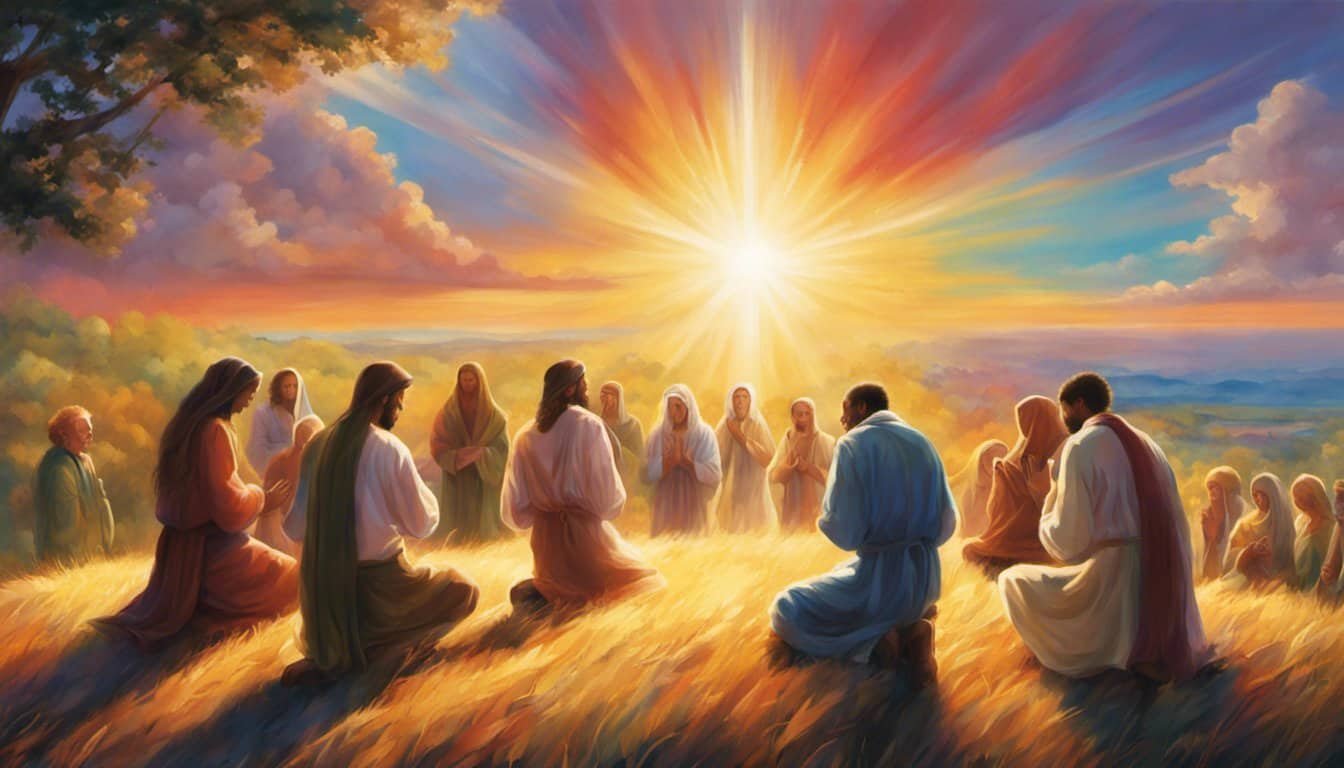
Heaven is often viewed as a beautiful place where believers are rewarded for their faith. It represents eternal joy and peace in the presence of God. Many Christians believe that those who accept Christ and seek forgiveness for their sins will enter heaven after death.




People imagine heaven as a place free from pain and suffering. The Bible describes it with images of light, beauty, and love. It is thought to be a reunion with loved ones who have also found salvation. This hope provides comfort and motivation for believers to live according to Christian teachings.
The Reality of Hell and Punishment
Hell is viewed as a serious warning in Christian beliefs. It represents eternal separation from God for those who reject Him. Many believe that hell is a place of punishment for sins that were not forgiven.
The Bible describes hell with vivid imagery, often using terms like darkness and fire. This portrayal emphasizes the seriousness of turning away from faith. The fear of hell influences how individuals approach their beliefs and seek salvation. They strive to avoid the consequences of sin, guiding their choices and actions in life. Many hope to share the message of Christ to help others find the path to heaven rather than face the reality of hell.
Experiences of Death and Dying
The experiences surrounding death and dying can be profound. Near-Death Experiences (NDEs) and the human experience of grieving play significant roles in how people understand and cope with mortality.
Near-Death Experiences (NDE)
Near-Death Experiences (NDEs) are intriguing phenomena reported by individuals who have been close to death. Many people describe similar feelings during these experiences, such as a sense of peace, detachment from their body, and a bright light.
NDEs often change a person’s perspective on life. Individuals may return with a renewed sense of purpose or a decreased fear of death. Some have shared stories of meeting spiritual beings or experiencing memories.
While scientific explanations seek to analyze NDEs, they still remain largely a mystery. Many believe they provide insights into what happens after death, aligning with certain Christian views of life beyond the grave.
The Human Experience of Grieving
Grieving is a complex emotional process that follows the death of a loved one. It is not just sorrow but involves a range of feelings, including confusion, anger, and even relief. Each person experiences grief differently.

Christian beliefs often provide comfort during these times. Faith can offer hope that the deceased is in a better place. Many people find solace in community support and shared mourning rituals, which can aid in processing their loss.
Common practices during grieving include memorial services and personal reflections. These rituals can foster healing and help individuals honor the memory of those they have lost.
Christian Hope and Assurance
Christian hope offers a comforting assurance of life beyond the grave. It is built on faith and the promises found in the Gospel. Through a deep belief in these truths, Christians find peace during difficult times.
The Role of Faith and Hope
Faith plays a crucial role in how Christians view death. It is not merely believing in God but trusting in His promises. This faith brings hope, a confident expectation of what lies ahead.

For many believers, hope is not empty. It is grounded in the life, death, and resurrection of Jesus Christ. He conquered death, promising eternal life to those who believe.
This hope changes how Christians face challenges. Death is seen as a transition rather than an ending. The assurance of meeting loved ones again brings comfort.
Assurance of Salvation
The assurance of salvation is vital for Christians. It is the belief that faith in Jesus guarantees eternal life. This assurance comes from Scripture, particularly passages like John 3:16, which emphasizes that belief leads to everlasting life.
When Christians accept Christ, they are secure in this promise. They believe that nothing can separate them from God’s love. The Gospel message reassures them they will experience peace after death.
Having this assurance allows Christians to live freely, knowing their future is secure. They are encouraged to share this hope, helping others find the same comfort.
Resurrection of the Body and Life Beyond
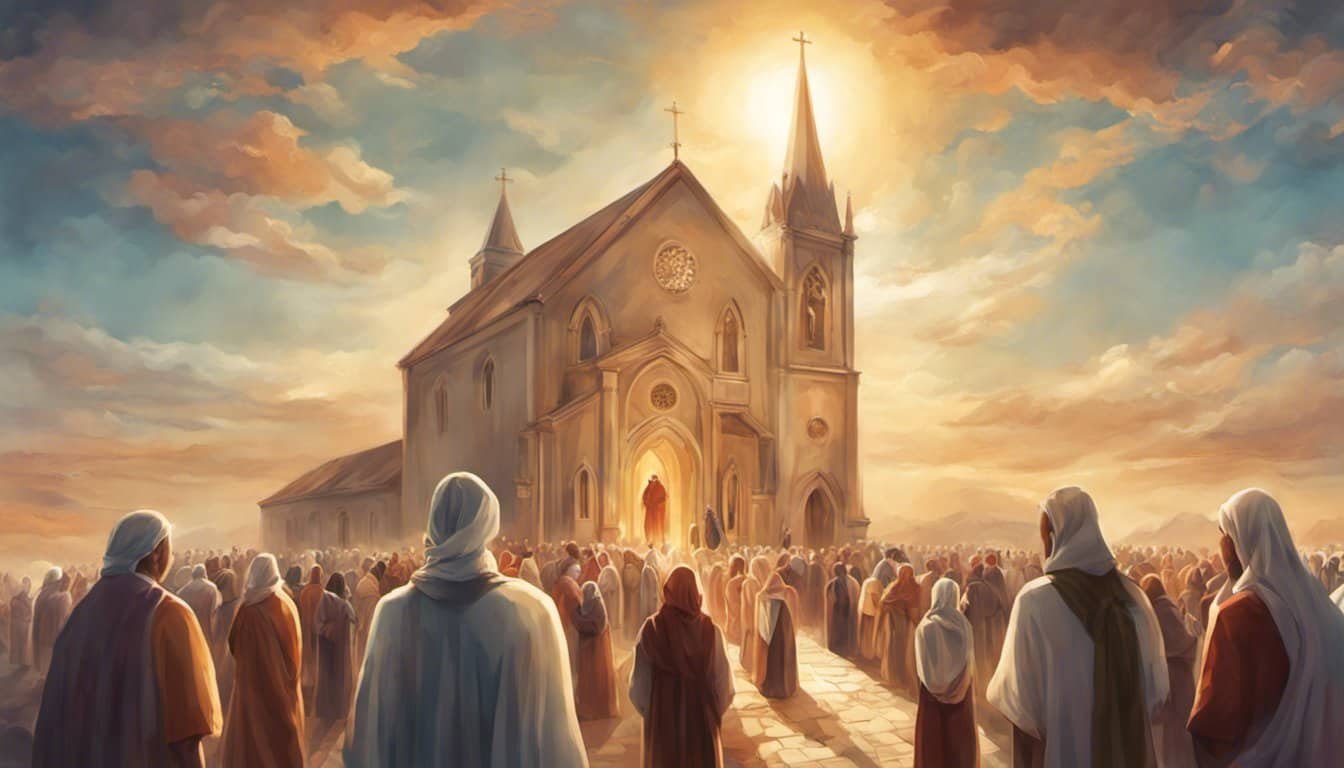
Christian beliefs hold that death is not the end. The resurrection of the body brings eternal life and a transformed existence. This section explores the nature of the glorified body and what it means to live in the presence of God after death.
Glorified Body after Resurrection
In Christian theology, the glorified body is a vital concept. It refers to the transformed state that believers will receive after resurrection. This body is not like the earthly body that ages and suffers. Instead, it is imperishable and immortal.
The Apostle Paul describes this in 1 Corinthians 15:42-44. Believers will have spiritual bodies filled with glory. They will be equipped for eternal life in a new, perfect existence.
This glorified body signifies victory over sin and death. It represents hope for believers who look forward to a renewed existence, free from pain and suffering. The promise is that they will be like Christ, who was resurrected with a glorified body.
Living in the Presence of God
Living in the presence of God is a central aspect of Christian hope after death. Upon resurrection, believers enter eternal communion with God. This life beyond the grave offers complete fulfillment and peace.
In this state, believers experience joy and love in ways they cannot fully comprehend on Earth. They engage in worship and serve God in new and profound ways. The Book of Revelation hints at this by describing a place without tears or pain (Revelation 21:4).
This presence is not just a comforting thought; it is a promise of active engagement with God. It brings purpose and meaning in a perfect world, where believers enjoy a harmonious relationship with their Creator for eternity.
The Role of Believers in the Face of Death
Believers find meaningful ways to help others face death with hope and care. Their support extends to both those who are dying and those left behind, emphasizing the importance of community and compassion.
Comfort for the Dying
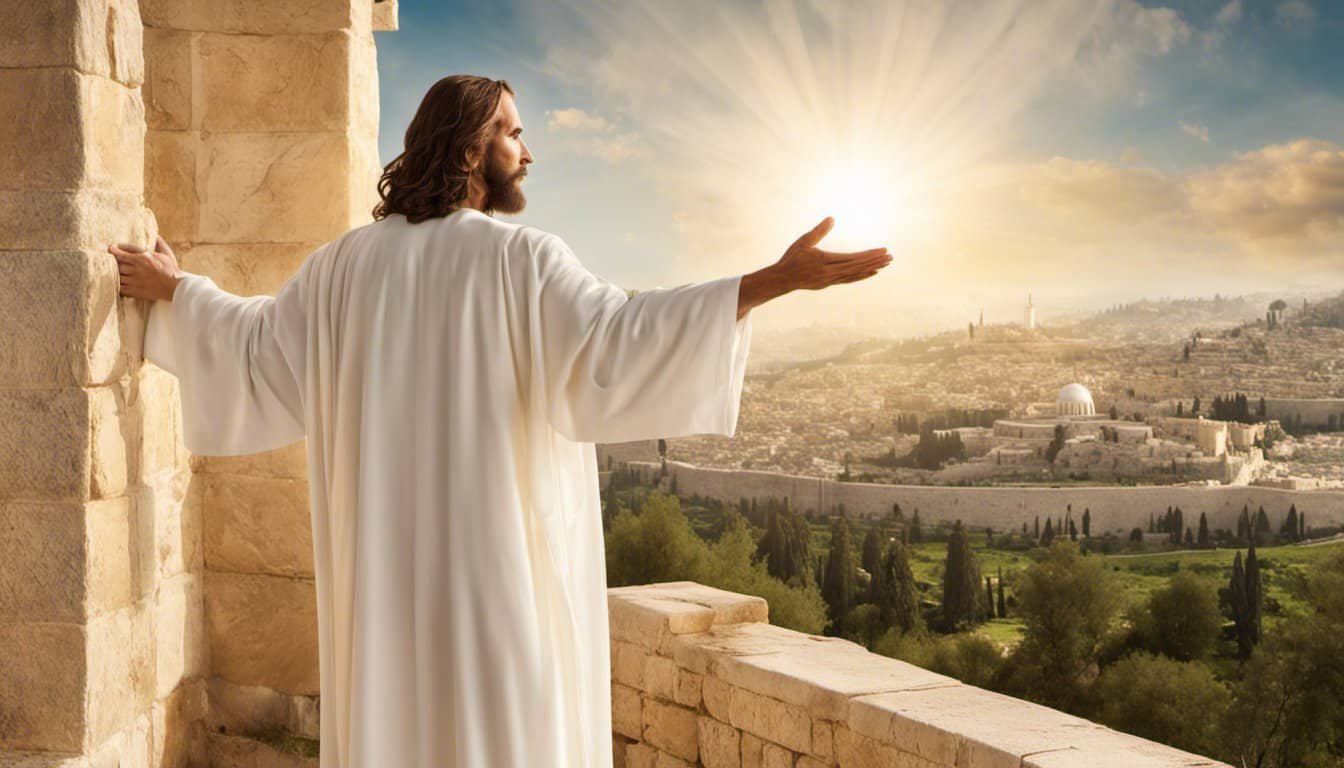
Believers often provide comfort to those approaching death. They offer prayers, share scripture, and remind the dying of God’s love and promise of eternal life. This can bring peace in a time of fear and uncertainty.
Listening is also an important aspect. They create a space where the dying can express their feelings, fears, and thoughts. This connection helps in easing anxiety.
Additionally, rituals, such as reading from sacred texts or singing hymns, can be significant. These acts serve to reaffirm faith and provide solace. By acknowledging the transition the dying person is facing, believers help reinforce the idea of hope beyond the grave.
Support for the Bereaved
Believers are vital in supporting those who have lost loved ones. They understand that grief can be overwhelming. Their presence offers comfort during difficult times.
This support can come in various forms. It might involve bringing meals, offering to help with funeral arrangements, or simply spending time with the grieving family. A comforting word or shared memory can lift spirits during mourning.

Regular follow-ups are also essential. Checking in weeks or months after the loss shows ongoing care. Joining bereavement groups can create a supportive community where individuals can share their experiences and heal together.
By providing both practical help and emotional support, believers play a crucial role in navigating the challenges of grief, making the journey a little lighter for those left behind.
The Christian Ceremony of Death
The Christian ceremony of death includes various rites and traditions that reflect the faith’s beliefs about life, death, and eternal hope. These practices provide comfort to the grieving and help honor the memory of the departed.
Funeral Rites and Traditions
Christian funeral rites vary by denomination but share common themes. They often begin with a service at a church, led by a clergy member. This service is meant to celebrate the life of the deceased and offer hope through religious teachings.

Key elements of the service may include:
- Scripture readings: Passages that highlight hope and comfort.
- Eulogies: Personal reflections from loved ones.
- Hymns: Songs that resonate with faith and remembrance.
Some churches hold a memorial service several weeks after the funeral. This can be a more intimate gathering to share memories and acknowledge the deep impact of loss. The burial may include rituals like committal prayers and the symbolic use of soil, emphasizing the belief in resurrection.
Remembering the Departed
Remembering those who have passed is essential in Christian tradition. Families often create a memorial, which may be a physical space or an event to honor the life of the deceased.
Common practices include:
- Light candles or place flowers at a memorial site.
- Share stories of the departed to celebrate their life.
- Offer prayers for the deceased, reflecting the belief in continued connection.
Many Christians also observe anniversaries of death, which serves as a time to gather and remember the person’s legacy. This ongoing remembrance underscores the faith in eternal life, reminding loved ones that they can cherish memories while holding onto hope beyond the grave.
Impactful Biblical Figures on Death and Resurrection

In Christianity, key figures like Jesus Christ and the Apostle Paul provide profound insights into death and resurrection. Their teachings shape the beliefs of many about what happens after death and offer hope to those facing it.
Jesus Christ’s Death and Resurrection
Jesus Christ’s death and resurrection are central to Christian faith. According to the Bible, Jesus willingly died on the cross to atone for humanity’s sins. His resurrection is a demonstration of victory over death.
This event is described in the Gospels, particularly in Matthew 28, Mark 16, Luke 24, and John 20. After three days, Jesus rose from the dead, providing believers with the hope of their own resurrection. He promised eternal life to those who believe in Him, stating, “I am the resurrection and the life” (John 11:25).
This powerful message reassures Christians that death is not the end. Instead, it opens the door to eternal life with God. The resurrection affirms Jesus’ divine authority and gives hope for a future beyond the grave.
Apostle Paul’s Teachings on Death
The Apostle Paul’s teachings significantly impact Christian views on death and resurrection. He wrote extensively about the hope of resurrection for believers, especially in 1 Corinthians 15.
Paul emphasizes that Christ’s resurrection is the first of many. He assures believers that they, too, will rise from the dead. Paul highlights the importance of faith in Jesus for being counted among the righteous during the final judgment.
He reminds Christians that “death has been swallowed up in victory” (1 Corinthians 15:54). This assures them that through Christ, there is hope beyond the grave. Paul’s teachings encourage believers to live with the expectation of eternal life, embracing the promise of creation renewed in God’s kingdom.
Theological Perspectives on Death and the Afterlife
The concept of death and the afterlife is central to many Christian beliefs. Different theological perspectives shape how believers view what happens after they die. Understanding these can provide comfort and clarity about life beyond death.
Theology of the Afterlife
Christian theology presents a view of the afterlife that is both hopeful and transformative. Many Christians believe in an eternal existence with God, often described as entering paradise. This realm is seen as free from pain and suffering, where believers experience joy and communion with God.
Key beliefs include the resurrection of the dead and final judgment. Those who have faith in Christ anticipate a resurrection to everlasting life, while others face separation from God. This belief underscores a moral responsibility in life. Heaven and hell are often viewed as the ultimate destinations that reflect one’s choices during their earthly life.
Differing Christian Interpretations
While many Christians agree on the hope of an afterlife, interpretations vary widely.
Some denominations emphasize a literal heaven and hell, while others view them more symbolically. For example, Catholicism teaches about purgatory, a temporary state for purification before entering heaven.
Protestant beliefs can range from a strict interpretation of the Scriptures to more liberal views that interpret the afterlife as a mystery.
Some Christians focus on personal experiences or biblical stories, such as the parable of the rich man and Lazarus.
These diverse interpretations reflect the richness of Christian thought on matters of life and death.