
Christian witness is an important part of living out one’s faith. Sharing the gospel effectively can have a lasting impact on those around us.
Understanding the core message of the Gospel and being prepared to share it can help anyone become a more effective witness for Christ.

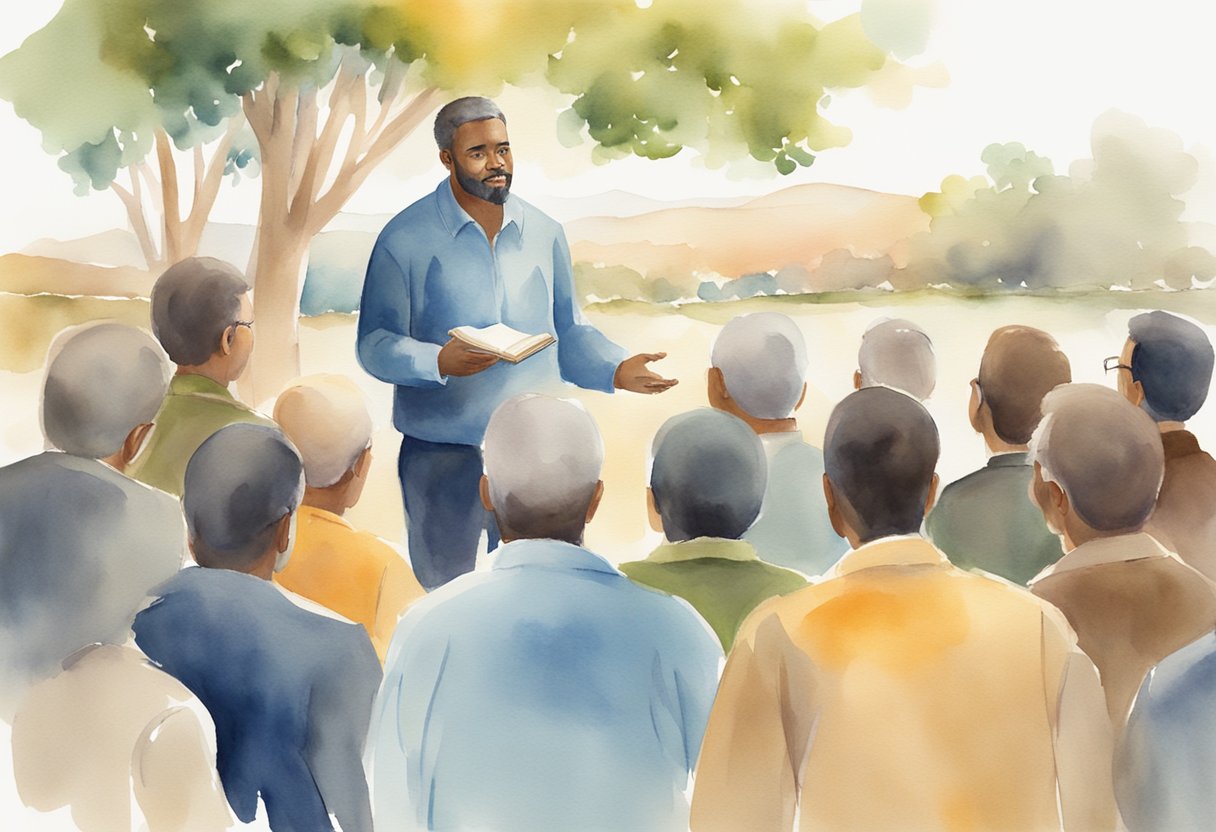
Many people desire to talk about their faith, but they may feel unsure about how to start. Whether it’s through personal testimony or clear communication of the Gospel message, preparation is key.

When believers live out their faith authentically, they naturally attract others to learn more about Christ.
Facing challenges when sharing one’s faith is common, but encouragement from Scripture and other believers can help. With a balanced approach, anyone can witness effectively, making a difference in the lives of those they encounter.
Key Takeaways
- Understanding the Gospel message is essential for effective sharing.
- Preparation helps build confidence in discussing faith.
- Living authentically makes witnessing more impactful.
Understanding the Gospel Message
The Gospel message is central to Christianity. It speaks about sin, God’s love, and the promise of eternal life. Each part of the message is crucial for understanding how one can connect with God and find true hope.
The Nature and Importance of Sin
Sin is a significant concept in the Gospel. It refers to actions, thoughts, or attitudes that go against God’s will. Sin separates individuals from God and leads to spiritual death.
Many feel the weight of their wrongdoings. The Bible teaches that “all have sinned and fall short of the glory of God” (Romans 3:23). Recognizing sin is the first step toward seeking forgiveness.


Understanding sin helps to grasp why salvation is needed. It shows the gravity of turning away from God and the importance of making things right. This awareness leads many to seek a deeper relationship with God.
God’s Love and Salvation Through Christ
God’s love is a central theme in the Gospel. John 3:16 beautifully summarizes this love: “For God so loved the world that he gave his one and only Son.” This act of love was to provide a way for people to be saved.
Through Jesus Christ, salvation is offered to all. He lived a sinless life, died on the cross, and was resurrected. This sacrifice serves as a bridge for believers. It connects them to God’s forgiveness.
Salvation is a gift that requires faith. Accepting Jesus means trusting Him and His sacrifice. This brings hope and a new beginning for those who believe.
The Promise of Eternal Life

Eternal life is a key promise for Christians. It represents a lifelong relationship with God that begins now and continues forever. This promise offers great hope and joy.





The Gospel assures believers that they will spend eternity in heaven. This is not based on their deeds but on faith in Jesus. Believers have confidence in this promise because of His resurrection.
In addition, eternal life means being free from sin and suffering. It allows for a perfect existence in God’s presence. This hope encourages many to share the Gospel with others, wanting them to experience this joy as well.
Biblical Basis for Witnessing
The foundation for Christian witnessing comes from the Bible. Key passages highlight the importance of sharing the gospel and provide examples of how early Christians conducted their witnessing.
The Great Commission
The Great Commission is Jesus’ command found in Matthew 28:19-20. He instructed His followers to “make disciples of all nations.” This directive emphasizes the purpose of spreading the gospel.
The commission highlights two main tasks: baptizing believers and teaching them to follow Christ’s teachings. Through this, the disciples understood their role in the Christian life. They were to rely on the Holy Spirit for guidance and strength in their mission.
The call to witness is not just for the apostles; it applies to all believers today. Each person is encouraged to share their faith and bring others to repentance and understanding of God’s love.
Examples of Early Christian Witnesses
Early Christians set powerful examples of effective witnessing. One example is found in Acts 8, where Philip encounters the Ethiopian eunuch. Philip, led by the Holy Spirit, approached the eunuch and asked if he understood the scripture he was reading.
This moment shows the importance of personal interactions in witnessing. Philip explained the message of Jesus, leading to the eunuch’s baptism.

Other disciples also played key roles. They preached boldly in various regions, often facing persecution. Their determination and reliance on God’s guidance inspired many to follow Christ. By examining their actions, contemporary Christians can learn how to witness in today’s world.
Preparing to Share the Gospel
Preparing to share the gospel involves both spiritual and personal readiness. Focusing on prayer and understanding one’s own story enhances effectiveness in communicating faith.
Prayer and the Holy Spirit’s Guidance
Before talking about faith, prayer is key. It connects the person with God, asking for wisdom and courage.
Spending time in prayer can provide clarity and confidence.

They should pray not only for themselves but also for the people they plan to talk with. This helps them to be sensitive to the other person’s needs and to the right moments to share.
When one asks for the Holy Spirit’s guidance, they often feel inspired to speak with love and truth.
It’s helpful to pray regularly. Making prayer a habit prepares hearts and opens doors for deeper conversations.
Understanding Your Own Story
Understanding one’s own story is crucial for sharing faith effectively. Each person’s experience shows how they encountered God. This personal testimony can be powerful.
A witness should keep it simple. Focusing on key moments, like struggles or breakthroughs, makes the story relatable.

It is often helpful to write it down and practice sharing, so it flows naturally.
They can focus on how faith made a difference in their life. This approach gives others a clear picture of God’s impact. Being genuine and vulnerable helps in connecting with listeners. The goal is to engage, not just inform.
Methods of Sharing the Gospel
Sharing the gospel can be done effectively using various methods that build understanding and connection. Each approach helps convey the message clearly and can be adapted to fit different situations and audiences.
The Four Spiritual Laws
This method simplifies the message of Christianity into four key points.
- God Loves You: It emphasizes that God has a wonderful plan for everyone’s life.
- Sin Separates Us: It explains how sin creates a barrier between people and God.
- Christ’s Sacrifice: It highlights that Jesus died to bridge that gap, offering forgiveness and a way back to God.
- Accepting Christ: Finally, it explains that individuals must personally accept Christ to experience this relationship.

These laws provide a concise way to share the gospel while addressing fundamental spiritual questions.
Simple Presentation Techniques
Using simple and clear techniques can make sharing the gospel more effective. Storytelling is one great way. Stories can illustrate key biblical truths and make them relatable.
Another method is using visuals, like diagrams or drawings, to explain concepts visually. For example, a visual of the cross can help emphasize Christ’s sacrifice.
Finally, practicing a short and engaging personal testimony can inspire others. Sharing how faith has impacted one’s life makes the message real and personal.
Building Relationships
Establishing genuine relationships is crucial when sharing the gospel. Taking time to know others creates trust. This might include spending time together, asking about their beliefs, and listening to their stories.

Inviting friends to casual events, like coffee or group activities, can provide opportunities for deeper conversations.
Throughout these interactions, it is important to be patient and respectful. This helps create an open environment where questions can be asked, and faith can be discussed naturally. Sharing faith becomes part of life rather than a one-time event.
Living as an Effective Witness
Being an effective witness involves daily actions that reflect Christ‘s love and truth. This not only includes personal behavior but also the support and encouragement from a church community.
Reflecting Christ in Daily Life
To reflect Christ, one must live with integrity and kindness. This means acting justly in everyday situations, being honest, and treating others with respect. Simple acts, like holding the door for someone or helping a neighbor, can speak volumes.

Key behaviors to adopt include:
- Acts of Kindness: Small gestures can make a big difference.
- Authenticity: Being genuine helps build trust with others.
Sharing one’s personal story of faith can also be powerful. When someone shares their life experiences, it helps others see how Christ has influenced them. That connection can open doors for deeper conversations about faith.
The Role of the Church Community
The church community plays a crucial role in supporting an individual’s witness. It creates an environment where people feel they belong and can grow in their faith together.
Important aspects of a church community include:
- Support and Encouragement: Members uplift one another in their journeys.
- Group Activities: Participating in events fosters deeper relationships and can attract others.
Through these connections, believers can share their experiences and support each other in witnessing. Engaging actively in the church strengthens an individual’s ability to witness effectively for Christ in their daily life.
Challenges and Encouragements

Sharing the gospel presents unique challenges. Many experience rejection or face opposition while trying to convey the good news. Yet, witnessing transformations can also bring immense joy and hope.
Dealing With Rejection and Opposition
One significant challenge in evangelism is the fear of rejection. Many feel anxious about how others will respond. This feeling can create a barrier to sharing the message of forgiveness and love.
It’s important to remember that rejection is often part of the process. Jesus faced rejection too. He encourages believers to press on, knowing that their efforts can plant seeds of hope.
When sharing the gospel, approaching conversations with compassion is key. Listening to others and understanding their viewpoints can pave the way for deeper connections. A gentle, respectful approach can help ease opposition, making it easier to share the good news.
The Joy of Seeing Lives Transformed

Witnessing someone embrace the message of hope can be one of the most rewarding experiences.
When individuals understand the love and forgiveness offered through faith, they often experience a life change.
This transformation might lead to a renewed sense of purpose or improved relationships. It encourages the believer to continue sharing, knowing that their efforts can lead to incredible changes.
Celebrating these moments fosters greater enthusiasm for evangelism.
Every story of change serves as a reminder of the power of love and the importance of spreading the good news. Each transformed life is a testimony to the impact of faith in action.
