
Fashion is an expression of identity. For many Christians, it carries deeper meaning tied to their faith.
Modesty in Christian fashion is not just about how one dresses, but how those choices reflect a connection to values and beliefs.

Understanding this relationship can empower individuals to make choices that honor not only their bodies but also their identity in Christ.


The conversation around modesty often blends cultural perspectives and personal choices, highlighting how fashion can serve as a way to communicate one’s faith. Christian teachings on modesty encourage individuals to consider the impact of their clothing on their relationships and community.
By embracing modest dress, they can focus on inner qualities rather than external appearances.
Key Takeaways
- Modesty reflects Christian values and personal identity.
- Fashion choices can influence relationships and perceptions in the community.
- Embracing modesty allows for authentic expression of faith.
Biblical Foundations of Modesty
Modesty is a key concept in the Bible, shaping the way Christians understand how to present themselves. This section discusses modesty from the story of Adam and Eve in the Book of Genesis and explores teachings from the New Testament, highlighting important verses and ideas.
Modesty in Eden: Adam and Eve
In the Garden of Eden, Adam and Eve were initially naked and felt no shame (Genesis 2:25). Their innocence represented a pure state of being, free from sin.
When they disobeyed God, they became aware of their nakedness and felt exposed.


This awareness led them to cover themselves with fig leaves (Genesis 3:7). Their choice to dress indicates a shift in their understanding of modesty.
Modesty, in this case, reflects a desire for protection and respect. It also speaks to the broader theme of how sin affects perception and behavior.
In this light, modesty signifies more than just clothing; it embodies the truth of their relationship with God and with each other. Adam and Eve’s story sets the foundation for understanding modesty as an important aspect of holiness.
New Testament Teachings on Modesty
The New Testament continues the discussion of modesty, focusing on the heart rather than just external appearances.

In 1 Peter 3:3-4, believers are encouraged to prioritize inner beauty over outward adornment. The verse states that a gentle and quiet spirit is of great worth in God’s sight.



This teaching emphasizes that true modesty comes from a heart aligned with God’s values. It is not solely about what one wears but about how one lives.
Modesty encourages humility and respect for oneself and others.
Moreover, modesty reflects one’s identity in Christ. Believers are called to express their faith through their actions, revealing their commitment to truth and holiness in every aspect of life.
Defining Modesty in Christian Fashion

Christian views on modesty focus on how individuals dress and present themselves. Modesty involves more than just clothing; it reflects an inner attitude and desire to honor God through one’s appearance.
The Meaning of Modesty
Modesty is often defined as dressing in a way that avoids drawing undue attention. This means selecting clothing that is respectful and appropriate for the setting.
It is not solely about covering the body but also about the attitude behind the choices.
Many Christians believe that modesty is tied to humility. Instead of seeking to flaunt one’s body, a modest approach emphasizes dignity. This idea connects to biblical teachings, where modesty is seen as an expression of one’s heart.
A person should dress modestly to express not just their faith but also their commitment to good works.
Modesty Beyond Clothing

Modesty goes beyond just what one wears. It also includes behavior and attitude.
Christians are encouraged to present themselves in a way that reflects their values. This can mean showing kindness, being respectful, and engaging positively with others.
The heart’s intention matters greatly. Modesty is about making choices that align with one’s values and beliefs.
A modest life can include actions that show a desire for inner beauty rather than external validation. Dressing modestly is not only about appearance; it’s about living a life that reflects a humble spirit and a commitment to God.
The Role of Fashion in Christian Identity

Fashion plays a significant role in how Christian women express their faith and identity. Choices in clothing often reflect personal beliefs and values. This section explores how clothes serve as an expression of faith and the idea of dressing for God.
Clothing as an Expression of Faith
For many Christian women, clothing is more than just a way to cover the body. It is a way to showcase their beliefs.
- Modesty is a key theme in many Christian communities. Women may choose outfits that reflect their commitment to purity and dignity.
- Self-expression is also vital. Unique styles can represent individual faith journeys. For some, every piece of clothing can tell a story about their relationship with God.
The way a woman dresses can illustrate her identity and her values. She is often mindful of how her choices can influence others.
Identity and Dressing for God
Dressing for God involves making intentional choices that honor Him. This can lead to a deeper understanding of self.
- Intentionality in fashion allows women to align their appearance with their faith. This helps cultivate a sense of spiritual identity.
- Clothing can reflect a commitment to purity. Many Christian women aim to dress in a way that uplifts their spirit and honors God.
By choosing outfits that embody their beliefs, women strengthen their identity in Christ. Dressing with intention can provide comfort and confidence, helping them navigate a society filled with mixed messages about fashion.
Cultural and Historical Perspectives on Modesty

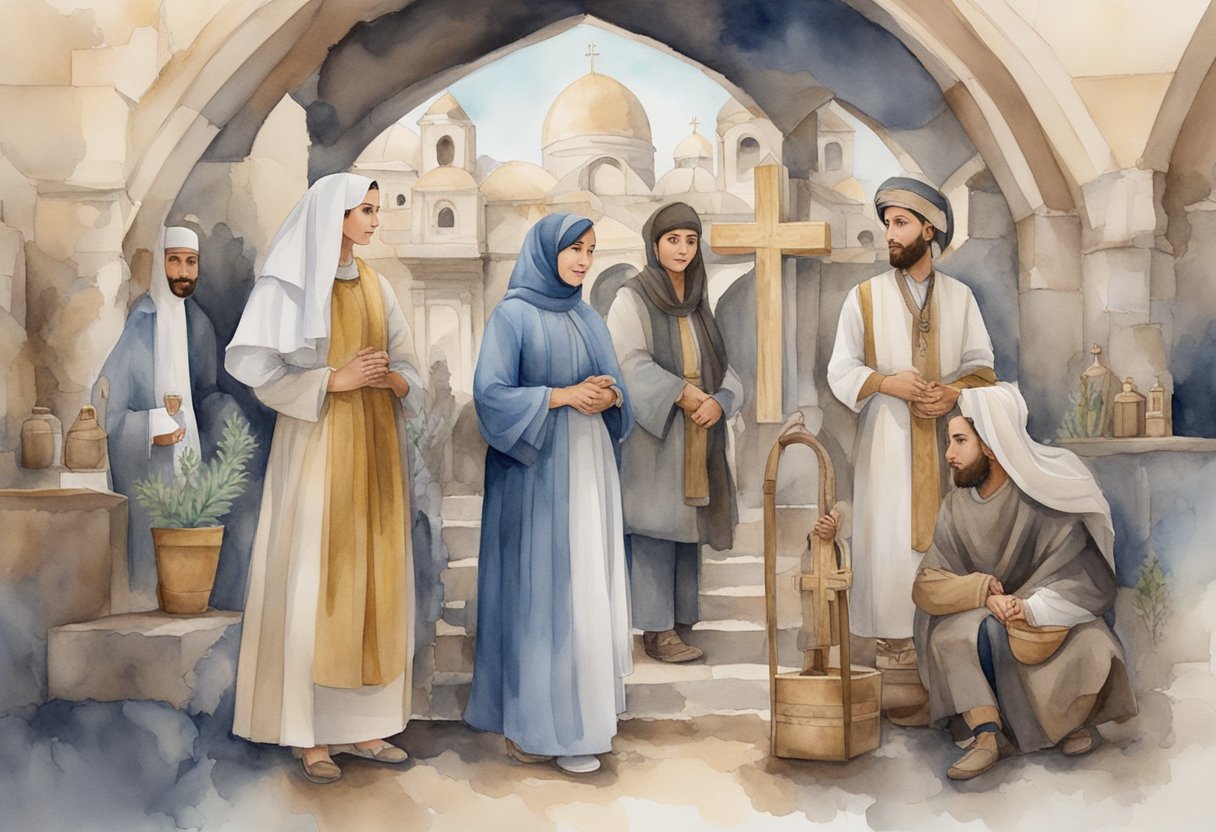
Modesty has deep roots in various cultures and traditions. It has been shaped by customs that reflect society’s values over time. Different periods in history show how standards of modesty have evolved, impacting how people view fashion and identity.
Custom, Tradition, and Modesty
Customs around modesty vary widely across cultures. In some societies, traditional dress is seen as a reflection of values and beliefs.
For example, certain religious groups encourage styles that cover more skin, promoting modesty.
Tradition often dictates how people express themselves through clothing. In many cultures, modest attire can symbolize respect and dignity. This is especially true during significant events such as weddings or religious ceremonies, where the attire reflects cultural heritage and individual identity.

Societal expectations can also define what constitutes modest or immodest dress. People may feel pressured to conform to specific styles that align with their community’s beliefs.
Evolving Standards of Decency
Standards of decency have changed significantly throughout history. What was considered modest a century ago may not align with today’s views.
For example, the rise of women’s rights has influenced clothing choices, allowing for greater expression.
In modern society, some struggle with the balance between fashion and modesty. Many young people feel the pressure to wear trendy clothing, which can sometimes be immodest.
This often leads to debates about the line between personal expression and respect for cultural values.

The conversation about modesty continues to evolve. New discussions around body positivity and self-expression have brought fresh perspectives. These ideas challenge older customs and traditions, leading to diverse views on what modesty means today.
The Impacts of Modesty on Relationships
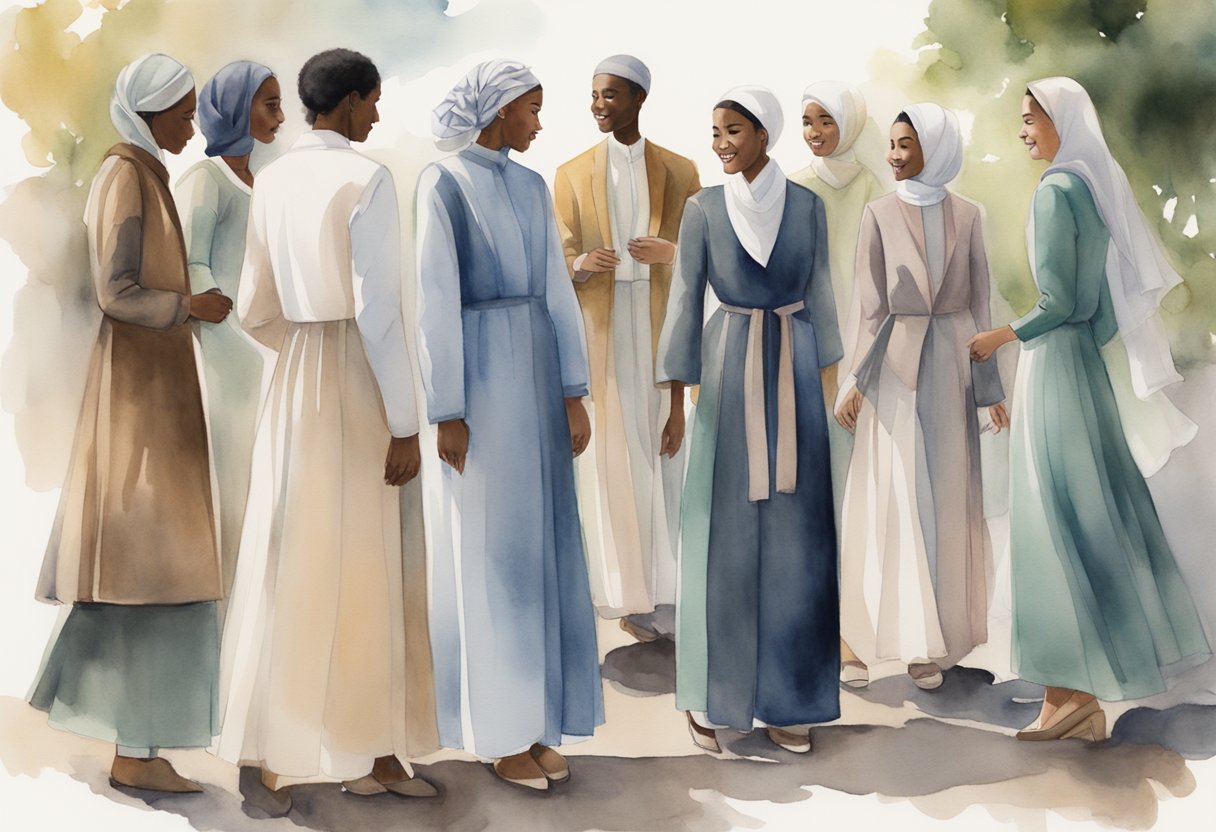
Modesty plays a significant role in shaping how individuals interact with each other in relationships. It can influence feelings of respect, comfort, and attraction. Two main areas where modesty impacts relationships are sexuality and the dynamics within marriage.
Modesty and Sexuality
When individuals choose to dress modestly, it often reflects their values and beliefs regarding sexuality. Modesty can help create boundaries that promote respect.
This attitude encourages partners to focus on emotional connection rather than physical attraction.

Many people feel more secure when their partner dresses modestly. It can reduce feelings of jealousy and insecurity.
Those who dress modestly may also find it easier to cultivate meaningful connections based on shared values and interests rather than merely physical appearance.
By fostering an atmosphere of respect, modesty can strengthen relationships and build trust. This approach helps individuals see each other beyond mere physical attraction.
Modesty in Marriage
In marriage, modesty can contribute to a deeper sense of partnership. Couples who embrace modesty often share a commitment to mutual respect and understanding.
It encourages them to support each other’s choices and values.

Wearing modest clothing can also reflect a couple’s dedication to their relationship. It shows a consideration for how they present themselves to each other and the outside world.
Couples who practice modesty may find that they communicate better and feel more at ease with one another.
Moreover, modesty can enhance intimacy by shifting the focus from physical appearances to emotional bonds. This can help couples develop a stronger and more fulfilling marital relationship.
Addressing Immodesty and Judgment
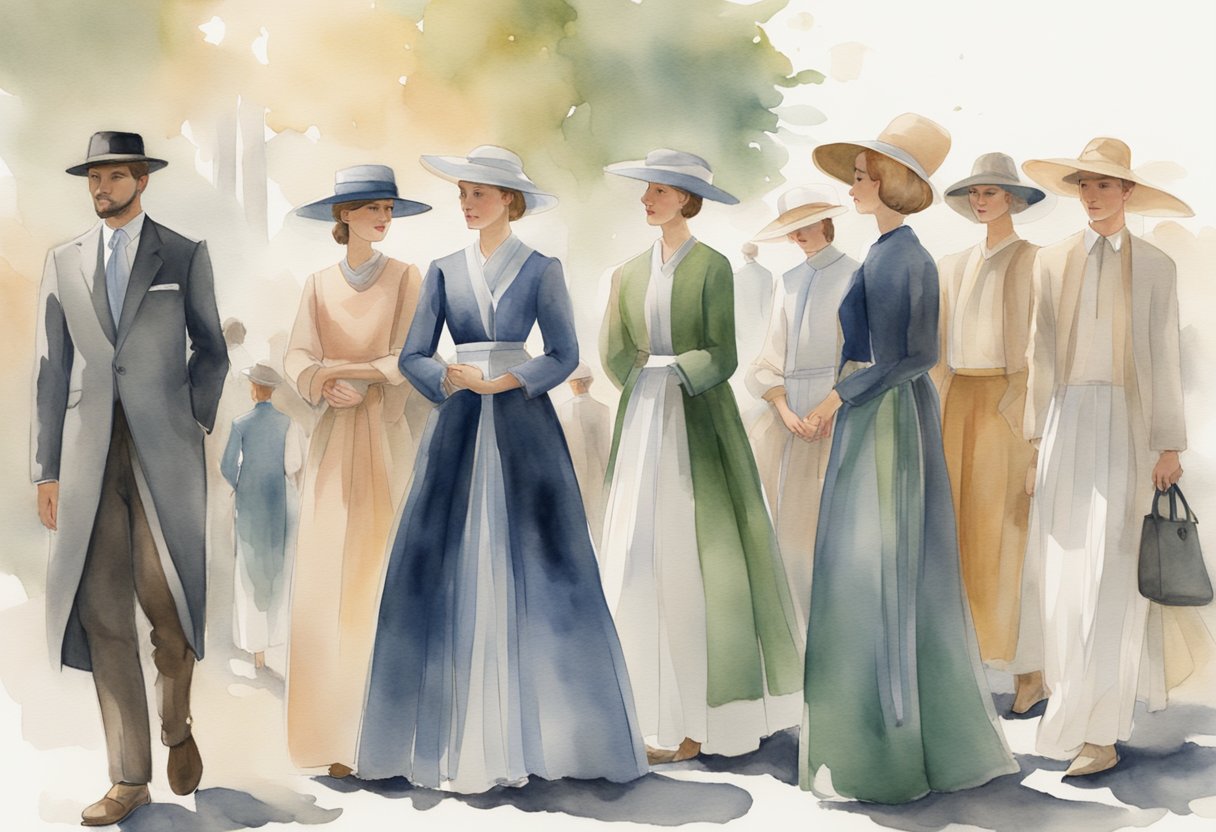
In discussions about modesty, judgment, and immodesty, it’s important to recognize how these topics can create tension in Christian communities. Understanding the dangers of judging others and the relationship between immodesty and lust can lead to healthier conversations.
The Dangers of Judging Others

Judgment can hurt relationships within the church. When individuals focus too much on how others dress, they may create an atmosphere of shame, which discourages open dialogue.
This can push people away from faith instead of inviting them in.
It’s essential for everyone to remember that each person’s journey is unique. Instead of casting judgment, they can choose to show love and support.
This approach can build bridges rather than walls.
Many Christians believe that addressing immodesty should come from a place of compassion. Encouraging conversations about personal choices can be more effective than harsh criticism.
Ultimately, fostering a supportive environment can help individuals feel accepted and valued.
Immodesty and Lust
Immodesty is often linked to issues of lust. Many believe that revealing clothing can lead to increased temptation.
This highlights the importance of understanding how fashion choices may impact both the wearer’s and the observer’s thoughts.
However, it’s crucial to recognize that lust is ultimately a personal issue. While clothing can influence perceptions, self-control and respect are vital for everyone.
Shaming individuals for their choices may not be the answer and can perpetuate feelings of guilt rather than encourage healthy behaviors.
Educating about the potential effects of immodesty can be beneficial. Open discussions about the implications of one’s choices can foster greater awareness.
This allows individuals to make informed decisions about their fashion preferences while promoting respect for themselves and others.
Practical Guidance for Modest Dress
Choosing garments that reflect modesty can be a meaningful expression of identity. It connects personal style with values while respecting the idea of femininity.
Here are key guidelines for selecting appropriate clothing and understanding dress codes.
Choosing Modest Apparel
When selecting clothing, aim for options that cover key areas while still being stylish. Key points include:
- Fit: Clothing should not be too tight or revealing. Look for items that offer a comfortable yet flattering fit.
- Length: Dresses and skirts should ideally fall below the knee. Choose longer layers like maxi dresses that provide coverage.
- Design: Opt for fabrics and colors that resonate with your personality. Feminine prints can add charm without sacrificing modesty.
- Layering: Use cardigans or stylish jackets for added coverage. They can enhance outfits while keeping them modest.
A checklist for modest options can include:
- Long sleeves or three-quarter sleeves.
- High necklines that offer coverage.
- Maxi or midi skirts and dresses.
- Loose-fitting pants and blouses.
Navigating Social Norms and Dress Codes
Understanding the social context helps in making fashion choices. Many settings have unwritten rules around modesty.
- Research Dress Codes: Before attending events, check the dress code. For formal occasions, opt for elegant dresses that still align with modesty standards.
- Adapt Styles: Tailor outfits to fit social environments. Choose outfits that express personal style without conflicting with norms.
- Confidence: Wear modest clothing with confidence. This enhances one’s appearance and expresses self-respect.
Building a wardrobe with these points in mind helps in navigating various social situations without sacrificing personal values or style.
Reflecting Christ Through Fashion

Fashion can reflect a person’s identity and values. For Christians, it’s important to choose styles that align with their faith and show respect for themselves and others.
This section will explore how inner beauty and outward appearance play a role in this expression.
Inner Beauty and Good Works
Inner beauty shines through actions and character. In Christianity, this beauty is rooted in love, humility, and service.
As stated in 1 Corinthians 6:19-20, believers are reminded that their bodies are temples of the Holy Spirit. This encourages individuals to care for themselves in a respectful way.
Good works often accompany this inner beauty. They can include acts of kindness, generosity, and support for others.
When someone embodies these qualities, their fashion choices may naturally reflect the grace and love of Christ. This attitude can inspire those around them and create positive influences in their communities.
Outward Appearance Reflecting Inward Grace
Outward appearances can significantly affect how others perceive a person’s inner values.
Choosing modest and respectful clothing can illustrate self-control and discretion. Fashion choices should not draw excessive attention but rather reflect a humble spirit.
By wearing clothes that honor God and respect oneself, a Christian can convey their faith through their style.
For example, simple yet elegant clothing can display respectability and grace. It shows that they value their identity in Christ, prioritizing what truly matters over fleeting trends.
When fashion aligns with faith, it creates a beautiful testimony to others.
