
The journey of Christian music is rich and varied, spanning centuries of cultural and spiritual expression. From early liturgical chants that served to enhance religious rituals to today’s diverse range of contemporary songs, Christian music has continually evolved. Understanding this history reveals not just the development of musical styles, but also how faith and music have intertwined over time.
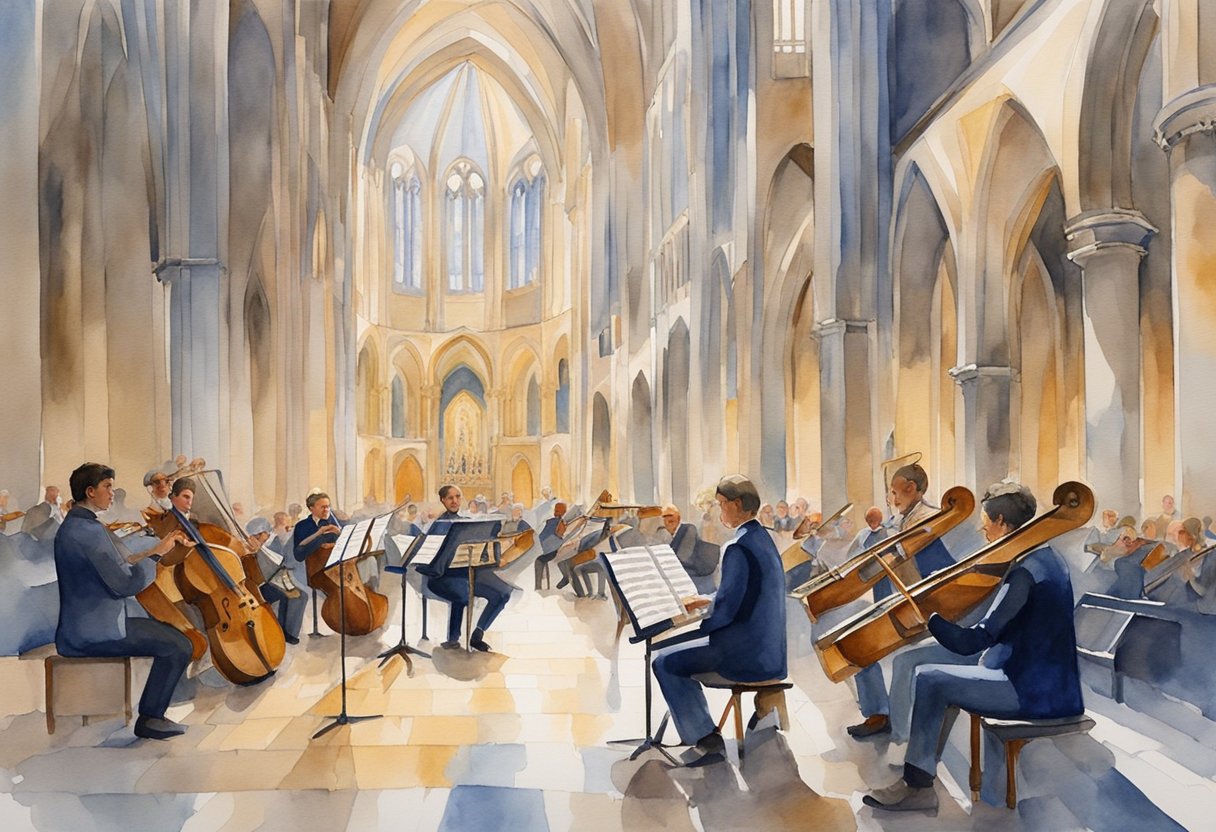

Throughout the ages, music has played a vital role in public worship and private devotion. The evolution of hymnody and the rise of notable hymn writers highlight how music has shaped religious services and community gatherings. Each era brought its own innovations, reflecting the beliefs and needs of the faithful of that time.
Christian music’s history showcases an enduring tradition that adapts while remaining deeply rooted in worship and spirituality. By exploring this journey, readers can appreciate not only the melodies that inspire them today, but also the powerful influences behind them.
Key Takeaways
- Christian music has evolved from ancient chants to modern songs.
- Music has always been central to worship and community life.
- The history of Christian music reflects broader cultural and theological changes.
Origins of Christian Music

Christian music has roots deep in history, starting from early traditions and rituals. Various influences shaped its development, leading to distinct styles that remain significant today.
Early Christian Church and Apostolic Age
In the early Christian Church, music played a vital role in worship and community bonding. During the Apostolic Age, Christians began incorporating melodies into their gatherings. Songs often stemmed from the Hebrew Scriptures and simple chants.
These melodies created a sense of unity among believers. They also served to express faith in ways that connected worshippers emotionally. As congregations grew, so did the complexity of their music.
Hebrew Roots and Cantillation
Hebrew roots significantly influenced early Christian music. Many early Christians were familiar with Jewish traditions, which included music in religious practices. Cantillation, the melodic chanting of Hebrew scriptures, laid the groundwork for future developments in Christian music.
This practice involved specific musical patterns that highlighted the texts being read. It not only made the scriptures more engaging but also helped in memorization. As Christianity spread, these musical patterns adapted into the worship of the new faith.


Plainsong and Liturgical Chant
Plainsong emerged as a fundamental style in Christian music during the Middle Ages. This style is characterized by monophonic, unaccompanied melodies sung in Latin. It became the standard for liturgical music in Western Christianity.
Liturgical chants were often performed during mass and other religious rites. They provided a spiritual atmosphere and helped to convey biblical messages. The simplicity and elegance of plainsong made it popular, paving the way for future musical forms within Christian worship.
Plainsong remains a reminder of early musical roots and the ongoing evolution of Christian music.
Development of Liturgical Music

The development of liturgical music plays a significant role in the history of Christian worship. It has evolved over centuries, marked by key influences such as Gregorian chants, the impact of Charlemagne, and movements like the Council of Trent. Each of these aspects shaped how music was integrated into sacred liturgy.




Gregorian Chant and Charlemagne
Gregorian chant emerged as one of the most important forms of liturgical music in the early Middle Ages. These simple melodies were sung in Latin and were designed to enhance the worship experience.
Charlemagne, the King of the Franks, was a crucial figure in promoting this style. He established a standardized form of chant across his empire. This helped unify the diverse regions under his rule and brought a sense of order to the worship practices of the Catholic Church.
The chants featured smooth, flowing lines and were typically sung without instrumental support. They served to elevate the spiritual atmosphere during Mass and other religious ceremonies.
Evolution of Hymnody
Hymnody developed over time, adding richness to the liturgical music scene. Early hymns were often adaptations of Gregorian chants, but they began to incorporate more varied musical styles and themes.
By the Middle Ages, hymns began to feature rhyme and meter, making them more accessible to the congregation. They allowed worshippers to participate actively in the service.
This shift not only encouraged community singing but also allowed for expressions of personal faith. Familiar tunes set to words of praise became a staple in Catholic worship, enhancing the spiritual engagement of the faithful.
Council of Trent and the Counter-Reformation
The Council of Trent (1545-1563) was a key moment for the Catholic Church, as it sought to address issues raised by the Reformation. One significant change was in liturgical music.
The Council emphasized the need for clarity in lyrics, advocating against the overly complex polyphony that had developed. This move aimed to ensure that the congregation understood the texts being sung.
The Counter-Reformation brought a renewed focus on sacred music. Composers began creating works that reflected the principles established at the Council, reinforcing faith through simple, powerful melodies that enhanced the liturgical experience. This period solidified the role of music in Catholic worship as both a means of devotion and a tool for teaching.
Renaissance and Baroque Periods

The Renaissance and Baroque periods were crucial in the development of Christian music. These eras saw the rise of polyphonic music and many influential composers who shaped sacred music for generations.
Rise of Polyphonic Music
During the Renaissance, music became richer and more complex. Composers began to experiment with polyphony, where multiple independent melodies are sung or played at the same time. This was a significant change from the plainchant of earlier periods.
Sacred music, specifically, saw a transformation. The use of polyphony allowed for more expressive worship in churches. This style not only enhanced the beauty of hymns but also engaged congregations in new ways. The development of musical notation made it easier for composers to write down intricate arrangements, leading to iconic works that are still performed today.
Significant Composers and Works
Key figures from the Renaissance and Baroque periods include composers like J.S. Bach and George Frideric Handel. Bach was known for his mastery of counterpoint and his ability to combine theological depth with musical beauty. His works, such as the Mass in B Minor, continue to inspire musicians.

Handel, on the other hand, is celebrated for his oratorios, like Messiah, which brought biblical stories to life through music. In addition, Giuseppe Verdi contributed significantly to sacred music with his Requiem, blending emotional intensity with rich harmonies. Together, these composers greatly enriched the landscape of Christian music during their time.
Classical to Romantic Eras
During the Classical and Romantic Eras, Christian music evolved significantly. This period saw the rise of symphonies and sacred music, influenced by religious themes, traditions, and ecclesiastical governance. Composers like Mozart and Haydn played key roles in shaping this musical landscape.
Symphonies and Sacred Pieces
In the Classical Era, composers created symphonies that often included sacred themes. Haydn and Mozart composed music that was rich in meaning and deeply inspired by the Christian faith. Their works, such as Haydn’s “The Creation” and Mozart’s “Requiem,” blended classical forms with spiritual messages.
These pieces often featured choral arrangements and orchestral support. They aimed to convey religious emotions and narratives, making them accessible to worshippers. Their compositions reflected the importance of music in church services during this period.
Influence of Ecclesiastical Governance
Ecclesiastical governance played a vital role in shaping music from the Classical to Romantic Eras. Church authorities often commissioned composers to create new works, ensuring that music aligned with religious teachings.
This connection between the church and composers led to a rich tradition of sacred music. Composers were frequently required to write pieces for specific liturgical events, which fostered creativity and innovation. The church not only influenced the style but also the themes of the music, often focusing on devotion, glory, and inspiration.
These dynamics helped establish a deeper relationship between music and spirituality during these transformative eras.
Modern Christian Music Evolution
Modern Christian music has transformed significantly over the years. This evolution reflects the changing styles, cultural influences, and desires of worshipers. From traditional hymns to the vibrant sounds of contemporary songs, this journey shapes how faith is expressed through music today.
From Traditional Hymns to Gospel Songs

Traditional hymns have a rich history in Christian worship. They often focus on theological themes and the glory of God. Hymns were typically sung in congregational settings, emphasizing unity and communal faith.
As music evolved, so did the styles. Gospel songs emerged in the late 19th century, blending spirituals and African American musical traditions. These songs introduced rhythm and emotional expression, creating a lively worship experience. Artists like Mahalia Jackson popularized gospel music, drawing large audiences and inspiring many.
The shift from hymns to gospel paved the way for more diverse musical styles in church. This transition set the stage for further developments in modern worship music.
Birth of Contemporary Christian Music
The late 20th century saw the rise of contemporary Christian music (CCM). This genre combined elements from pop, rock, and folk to create a fresh sound for worship. Artists like Amy Grant and Michael W. Smith helped bring CCM into mainstream culture, attracting a younger audience.
CCM often features personal and relatable lyrics, making it accessible to many. The use of modern instruments, such as guitars and keyboards, transformed traditional worship into a dynamic experience. Today, contemporary Christian music is a significant part of many church services, bridging the gap between faith and modern culture.
Cultural and Theological Influence

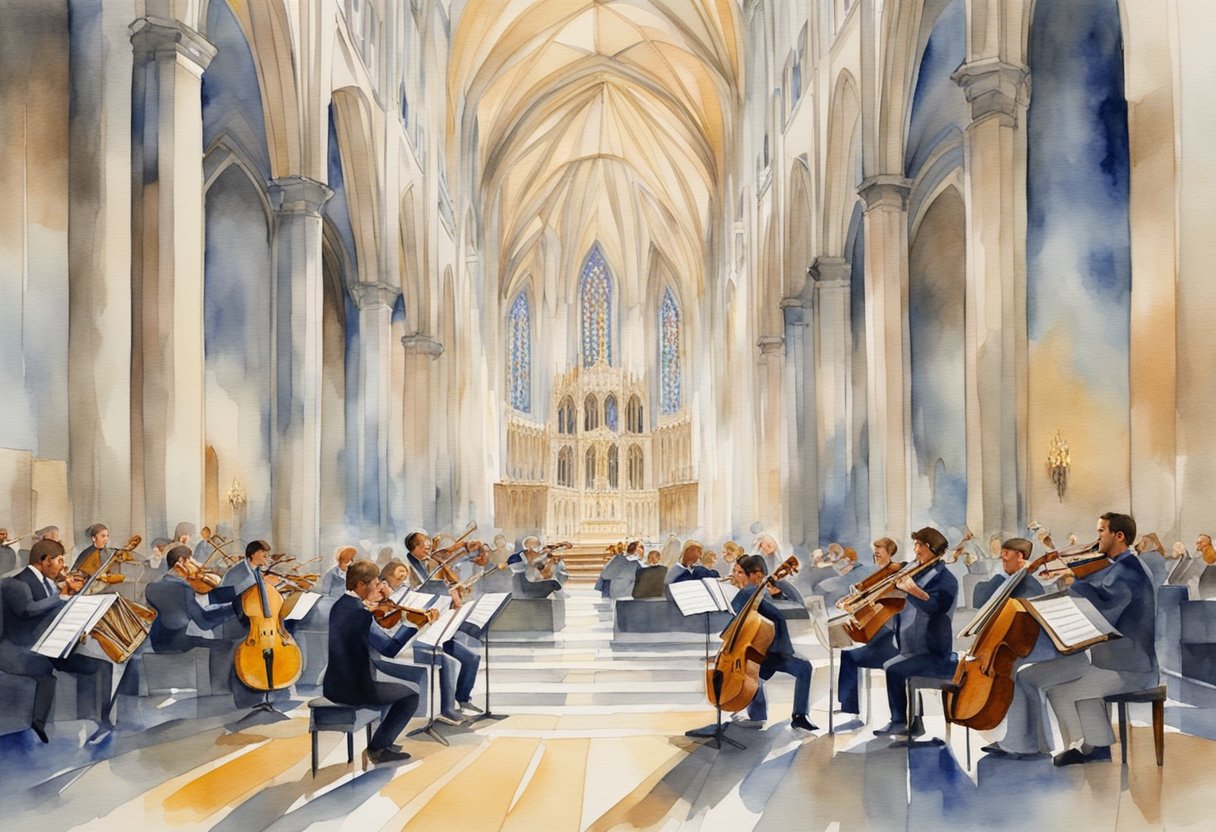
Christian music has evolved significantly over time, shaped by both cultural contexts and theological perspectives. Understanding these influences helps to appreciate the diverse expressions of worship seen today.
Anthropology of Music in Worship
Music is an essential part of human culture. It plays a big role in expressing feelings and beliefs, especially in a religious setting. In Christian worship, music helps create a sense of community and connection to the divine.
Research shows that music in worship can enhance the emotional atmosphere. It can evoke feelings of joy, sorrow, or reflection. By using music, churches aim to deepen the spiritual experience for believers.
Different cultures also impact how music is used in worship, leading to unique expressions and styles.
Protestant and Catholic Perspectives

Protestant and Catholic traditions hold different views on music in worship. Catholic liturgy often includes structured music forms like Gregorian chant. This style serves to elevate the solemnity of the Mass and connect worshippers to the historical roots of Christianity.
On the other hand, Protestantism tends to embrace a broader variety of musical styles. It encourages congregational participation through hymns and contemporary worship songs. This approach reflects the emphasis on personal connection and the importance of community worship experiences.
Each tradition shapes how music is integrated into worship, highlighting distinct beliefs and practices among Christians.
Notable Hymn Writers and Reformers
The history of Christian music includes significant figures who shaped hymn writing and worship practices. These individuals contributed deeply to the spiritual life of churches and continue to influence contemporary worship today.
Contributions of Martin Luther and the Wesleys

Martin Luther played a pivotal role in the Reformation by emphasizing congregational singing. He believed that music could express faith and unite believers. Luther’s hymn “A Mighty Fortress Is Our God” remains a classic.
The Wesley brothers, John and Charles, also had a lasting impact. They wrote nearly 6,500 hymns, focusing on themes of grace and salvation. Charles’s hymn “Hark! The Herald Angels Sing” is still sung during Christmas services. Their work led to the establishment of Methodism, which emphasized heartfelt worship.
Impact of Isaac Watts and John Newton
Isaac Watts revitalized hymnody by moving away from psalm-singing. His hymns, such as “When I Survey the Wondrous Cross,” focus on personal faith and devotion. Watts believed hymns should reflect the believer’s experience.
John Newton, best known for “Amazing Grace,” had a remarkable transformation from a slave trader to a preacher. His hymn emphasizes redemption and grace, resonating with many believers. Both Watts and Newton significantly shaped hymn writing in the 18th century, making it more relatable and expressive for congregations.
The Role of Music in Church Services

Music plays a vital role in church services, shaping the worship experience for congregants. It enhances the atmosphere, enriches spiritual expression, and fosters community among worshippers.
Liturgies, Rites, and Ceremonies
In many church services, music is central to liturgies, rites, and ceremonies. It helps to set the tone for worship and guides participants through different parts of the service.
For instance, during Catholic Mass, chants and hymns are integral, with Gregorian chant often used to create a solemn atmosphere. In addition, hymns may accompany important rituals like baptisms and weddings.
These musical elements assist in conveying the message of faith. They engage the congregation, inviting them to reflect on the significance of each rite. Music can evoke emotions and deepen the worship experience.
Congregational Song and Devotional Expression
Congregational singing fosters a sense of unity among churchgoers. When the congregation joins in song, it creates an atmosphere of togetherness and shared belief.
This communal activity allows for personal and collective expression of devotion. Hymns often reflect theological themes and tell stories of faith. They provide a way for individuals to connect with God.
Contemporary worship songs also play a significant role. They often resonate with modern audiences, using relatable language and themes. This music can inspire deeper feelings of devotion and encourage participation during church services.
Music Theology and Philosophy
Music holds a significant place in the theology and philosophy of Christianity. It serves as a means of divine revelation and helps purify the heart, fostering deep religious feelings. These aspects highlight the profound connection between music and the human experience.
Art of Music as Divine Revelation
The art of music is often seen as a form of divine revelation. Many believe that music can express what words sometimes cannot. Through melodies and harmonies, it reveals truths about God and the spiritual world.
In worship, music becomes a way to connect with the divine. It invites individuals to explore their faith on a deeper level. Christian traditions have used various musical forms, like Gregorian Chant, to articulate their beliefs and experiences.
These musical inventions have shaped religious practice throughout history. They provide a framework for understanding spirituality in ways that resonate emotionally. The beauty of music can evoke a sense of wonder and awe that connects believers with God.
Purification of the Heart Through Melody
Melody plays a critical role in the purification of the heart. Music can evoke powerful feelings, helping individuals to reflect and seek inner peace. It allows people to confront their emotions and facilitate personal growth.
Singing or listening to uplifting hymns can create a sense of calm. This experience often leads to spiritual renewal. Music encourages worshippers to focus on their faith, encouraging them to let go of distractions.
In this way, music serves as a tool for transformation. It aligns the heart and mind towards a higher purpose. The connection between melody and emotional clarity brings individuals closer to their spiritual journey.
Contemporary Forms and Genres
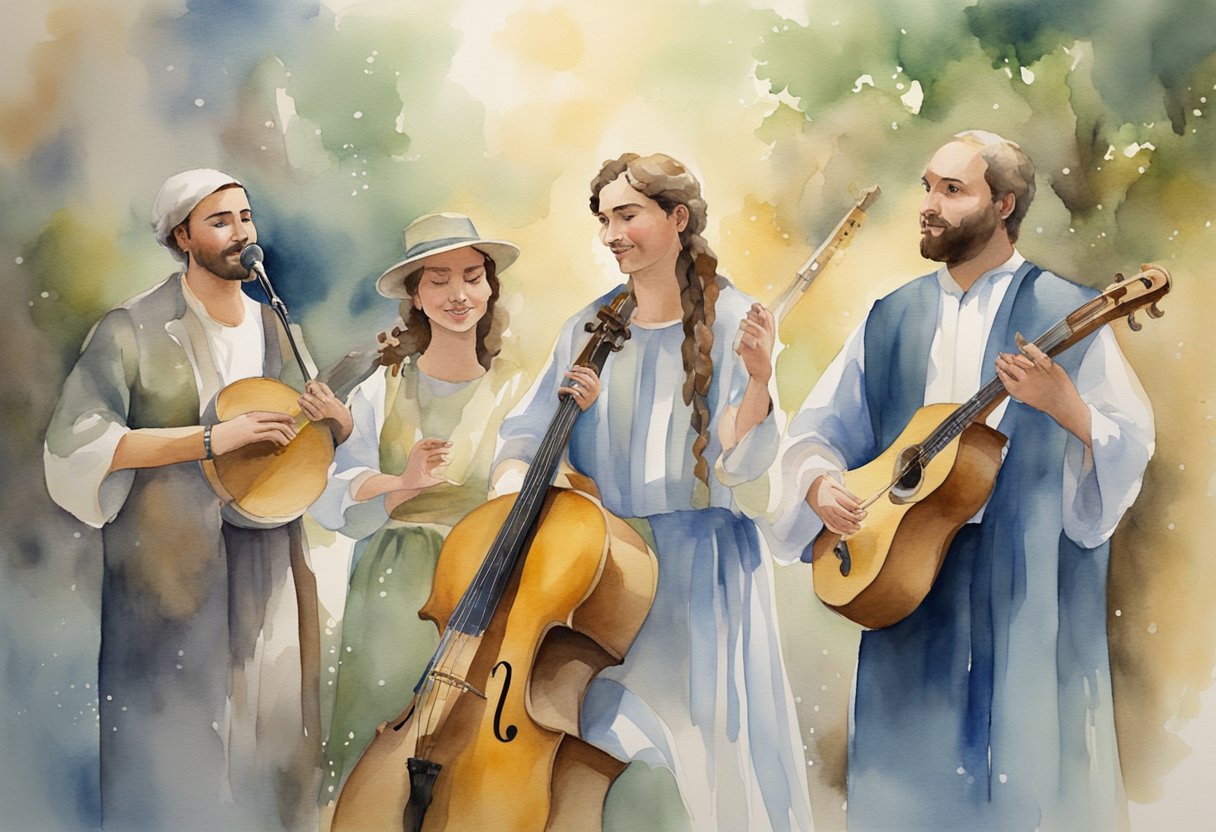
Contemporary Christian music has evolved significantly, reflecting a mix of styles and influences. This evolution includes a variety of forms, from worship songs to emotional ballads. Innovations in musical styles also play a crucial role in connecting with diverse audiences.
From Worship Songs to Christian Ballads
Worship songs are central to contemporary Christian music. They create an atmosphere for prayer and reflection in church services. These songs often focus on themes of faith, hope, and love.
Christian ballads, on the other hand, tell stories of personal experiences and struggles. They express deep emotions and connect listeners on a personal level. Many artists blend these two forms, crafting songs that can be sung in worship while also resonating with individual life stories.
Some popular artists in this genre are Chris Tomlin and Hillsong Worship. Their music inspires many by combining heartfelt lyrics with catchy melodies. This blend helps share spiritual messages in engaging ways.
Innovations in Christian Music Styles
Innovations have transformed the sound of contemporary Christian music. Artists incorporate elements from pop, rock, hip-hop, and even electronic music. This variety keeps the genre fresh and appealing to younger audiences.
New technology has made it easier for musicians to record and share their work. Streaming platforms like Spotify and Apple Music allow songs to reach a wider audience.
Genres like Christian rap and electronic worship have emerged, bringing new flavors to traditional sounds. Musicians like Lecrae and NF showcase how diverse styles can express faith. These innovations continue to shape the future of Christian music while staying true to its core messages.
Influence and Spread of Christian Music
Christian music has played a vital role in spreading faith across the globe. Its evolution from early chants to contemporary songs highlights its adaptability and reach. The music not only serves spiritual purposes but also connects cultures and communities through shared melodies and messages.
Missionary Work and Global Impact
Missionaries have been key to spreading Christian music. They used music as a tool for evangelism, attracting people to the faith. By incorporating local styles with traditional hymns, missionaries created a rich tapestry of sound that resonated with diverse audiences.
For example, Joseph Ratzinger, in his writings, emphasized the importance of music in worship. He noted that congregational singing strengthens community bonds and enhances spiritual experience. Missionaries would often teach spiritual songs alongside scripture, making faith both engaging and accessible to new converts.
The impact of this practice is evident in various cultures, where local adaptations of Christian music have emerged, celebrating both faith and heritage.
Popular Culture and Mainstream Adoption
Christian music has made significant inroads into popular culture. Over the years, it has shifted from church-specific settings to mainstream platforms.
This change is evident in the rise of genres like Contemporary Christian Music (CCM). CCM often includes pop and rock influences.
Artists in this genre have gained popularity through radio, social media, and live performances. They reach wider audiences, appealing not just to those in churches but also to the general public.
Songs that convey universal themes of love, hope, and redemption resonate with many, regardless of their faith background. Many musicians infuse their works with personal stories, making the songs relatable and inviting emotional connections.
This mainstream acceptance shows that Christian music can thrive in various environments while maintaining its core messages.
