
Merari’s name echoes through history, particularly within religious traditions. But when it comes to Christian worship, did he play a direct role? This question invites a closer look into Merari’s life and his possible contributions to Christian practices.
Delving into historical texts and theological discussions reveals the layers of Merari’s involvement. Whether as a foundational figure or a symbolic presence, understanding his connection to Christian worship can enrich our appreciation of the faith’s development.
Understanding Merari

Merari, a prominent figure in biblical history, was one of the three sons of Levi, making him a key member of the Levitical lineage. According to the Book of Numbers (Numbers 3:24-26) and 1 Chronicles (1 Chronicles 6:36-43), Merari’s primary responsibility was overseeing the construction and maintenance of the Tabernacle, the portable sanctuary used by the Israelites during their journey in the wilderness.
Roles and Responsibilities
- Construction Oversight: Merari managed the intricate details of building the Tabernacle. This included supervising the craftsmanship of various components such as the curtains, coverings, and structural frameworks.
- Maintenance of Sacred Spaces: Beyond initial construction, Merari’s duties extended to the ongoing upkeep of the Tabernacle. He ensured that the sacred spaces remained in pristine condition for worship and rituals.
- Coordination with Other Levitical Families: Merari worked closely with the Gershon and Kohath families, the other branches of the Levites, to facilitate a cohesive approach to the Tabernacle’s operations.
Merari’s Influence on Worship Practices
While Merari’s service was rooted in the ancient Israelite tradition, his contributions laid foundational elements for later forms of worship, including Christian practices. The meticulous organization and dedication to sacred spaces reflect principles that resonate in contemporary Christian worship settings.
| Aspect | Merari’s Contribution | Influence on Christian Worship |
|---|---|---|
| Structure | Designed and built the Tabernacle | Emphasis on church architecture |
| Maintenance | Ensured upkeep of sacred areas | Importance of maintaining worship spaces |
| Organization | Coordinated with other Levites | Structured roles in church ministries |
Historical Context

Merari’s era predates the advent of Christianity by several centuries. His service was integral to the Israelite’s religious life, focusing on facilitating a space where God’s presence could be encountered. Understanding Merari’s role provides insight into the evolution of worship practices and the enduring significance of organized, dedicated spaces for communal worship.
Conclusion
Merari’s dedication to constructing and maintaining the Tabernacle underscores the importance of physical spaces in worship. While his direct involvement in Christian worship is not evident, the principles he embodied continue to influence how worship spaces are perceived and utilized in Christian traditions today.
Merari’s Role In Christian Worship
Merari’s contributions extend beyond his biblical duties, influencing Christian worship practices today. Understanding his role provides valuable insights into the foundations of contemporary worship.
Historical Context
Merari, one of Levi’s three sons, held the responsibility for building and maintaining the Tabernacle. This portable sanctuary was central to Israelite worship during their wilderness journey. Merari managed the structure’s woodwork, including the frames, bars, and pillars. He coordinated with other Levitical families to ensure the Tabernacle’s functionality and durability. His meticulous oversight guaranteed that the sacred space remained intact and ready for worship.
Theological Significance
Merari’s work laid the groundwork for organized worship in Christian traditions. By maintaining the Tabernacle, he upheld the sanctity of the worship space, a principle that resonates in modern church architecture and design. His commitment to order and structure reflects the organized nature of Christian liturgy and worship services. Additionally, Merari’s role emphasized the importance of dedicated service, inspiring church members to contribute to their community’s spiritual life. This legacy underscores the connection between ancient practices and their lasting impact on today’s worship environments.
Evidence Of Merari’s Service
Merari’s contributions are documented both in scripture and honored within various church traditions, highlighting his lasting impact on religious practices.


Scriptural References
Merari’s role is primarily outlined in the Old Testament, where his responsibilities are clearly defined. Key scriptural references include:
- Exodus 30: Merari’s Duties
Details Merari’s oversight of the Tabernacle’s structural components, including frames, boards, and sockets.
- Numbers 3: Merari Lineage
Describes the genealogy of Merari, emphasizing his position within the Levitical family tasked with sacred duties.
- Leviticus 24: Maintenance of Sacred Spaces
Outlines Merari’s ongoing responsibilities in preserving the sanctity and functionality of the Tabernacle.
Church Traditions

Church traditions have incorporated Merari’s legacy in various ways, reflecting his foundational role in worship practices:


- Liturgical Roles
Many denominations assign specific roles in church maintenance and organization that mirror Merari’s original duties.
- Architectural Influences
Church buildings often reflect the structured designs akin to the Tabernacle, honoring the meticulous craftsmanship associated with Merari.
- Educational Programs
Sermons and religious education materials frequently reference Merari’s contributions to illustrate the importance of order and dedication in worship.
Perspectives And Debates
Adam Phillips, a seasoned youth pastor with over two decades of experience, shares practical insights on integrating faith into daily routines. Understanding how to live out Christian values can transform ordinary moments into opportunities for spiritual growth.
Building a Daily Devotional Routine
Starting the day with prayer sets a positive tone. Adam suggests dedicating just ten minutes each morning to reflect and connect with God. This practice fosters a sense of purpose and centers one’s thoughts on spiritual matters.
- Choose a Quiet Space: Find a comfortable spot free from distractions.
- Use a Devotional Guide: Select a Bible study or devotional book to guide your reflections.
- Set a Consistent Time: Establish a regular time each day to build a lasting habit.
Navigating Challenges with Faith
Life presents numerous challenges, but maintaining faith can provide strength. When facing difficulties, turning to scripture offers comfort and guidance.
- Scripture to Remember: Philippians 4:13 – “I can do all things through Christ who strengthens me.”
- Practical Steps:
- Identify the challenge.
- Pray for guidance and strength.
- Seek support from your faith community.
Fostering Community Through Fellowship
Connecting with others fosters a supportive environment. Adam emphasizes the importance of engaging with a faith community to share experiences and grow together.
- Attend Regular Services: Participate in weekly gatherings to stay connected.
- Join a Small Group: Engage in smaller settings for deeper discussions and relationships.
- Volunteer Opportunities: Serve together in community projects to strengthen bonds and make a positive impact.
Integrating Faith into Work and School
Applying Christian principles in professional and academic settings can enhance your influence and integrity. Adam offers actionable tips to integrate faith seamlessly into these environments.
- Ethical Decision-Making: Let your values guide your choices, ensuring honesty and fairness.
- Showcase Kindness: Simple acts of kindness can reflect your faith and positively affect others.
- Balance Commitments: Manage your time effectively to honor both your responsibilities and spiritual practices.
Reflecting on Personal Growth
Personal development is a continuous journey. Regular self-assessment helps in aligning actions with faith-based goals.
- Set Spiritual Goals: Define what you want to achieve in your faith journey.
- Journal Your Progress: Document experiences and insights to track growth over time.
- Seek Feedback: Engage with mentors or peers to gain perspectives on your spiritual development.
Encouraging Youth Engagement

Empowering young people to embrace their faith is crucial. Adam provides strategies to inspire youth to take an active role in their spiritual lives.
- Interactive Bible Studies: Create engaging sessions that encourage participation and discussion.
- Mentorship Programs: Pair youth with experienced mentors for guidance and support.
- Creative Expression: Use music, art, and other creative outlets to explore and express faith.
Staying Inspired Through Scriptures
Regular engagement with the Bible nurtures spiritual resilience. Incorporating scripture into daily life reinforces faith and provides a solid foundation.
- Daily Verse: Start each day by memorizing a new Bible verse.
- Thematic Study: Focus on specific themes or books within the Bible to deepen understanding.
- Application in Life: Reflect on how biblical teachings apply to current personal circumstances.
Adam Phillips emphasizes that integrating faith into everyday life doesn’t require drastic changes. Small, consistent actions can lead to meaningful spiritual growth and a more fulfilling Christian journey.
Implications For Modern Worship
Merari’s legacy significantly influences contemporary Christian worship practices. His meticulous approach to managing sacred spaces establishes a foundation for today’s church architecture and maintenance standards. Churches today prioritize well-designed worship areas that facilitate communal gatherings, reflecting Merari’s emphasis on structured environments.
Architectural Influence
Modern church buildings often incorporate elements that ensure functionality and aesthetic appeal. Merari’s oversight of the Tabernacle’s structural components, as detailed in Exodus 30, parallels current architectural practices. Churches invest in durable materials and thoughtful layouts to create inviting spaces for worship, mirroring the durability and purposefulness of the Tabernacle.
Organizational Structure

The structured roles within church ministries trace back to Merari’s coordination efforts. Contemporary churches designate specific responsibilities to various ministries, such as worship teams, maintenance crews, and administrative offices. This division of labor ensures efficient operations, enhancing the overall worship experience for congregants.
Maintenance of Sacred Spaces
Maintaining clean and orderly worship spaces remains a priority in modern Christianity. Merari’s dedication to the upkeep of the Tabernacle sets a precedent for regular maintenance schedules and respect for sacred areas. Churches today implement routine cleaning and maintenance to preserve the sanctity and functionality of their worship environments.
Liturgical Practices
Merari’s influence extends to liturgical practices through his commitment to organized worship. Structured services, including designated times for prayer, singing, and scripture reading, reflect the orderliness he championed. This organization helps congregants engage more deeply in worship, fostering a sense of community and spiritual growth.
Educational Programs
Educational initiatives within churches honor Merari’s legacy by emphasizing the importance of knowledge and skill in worship practices. Bible studies, workshops, and training programs equip church members with the necessary tools to contribute effectively to their communities. These programs ensure that the principles of order and dedication are passed down through generations.
Technological Integration
While Merari operated in a pre-technological era, his principles adapt to modern advancements. Churches incorporate technology to enhance worship experiences, such as audiovisual equipment for presentations and live streaming services. This integration maintains the functionality and accessibility of worship spaces, aligning with Merari’s focus on efficient operations.
Community Engagement
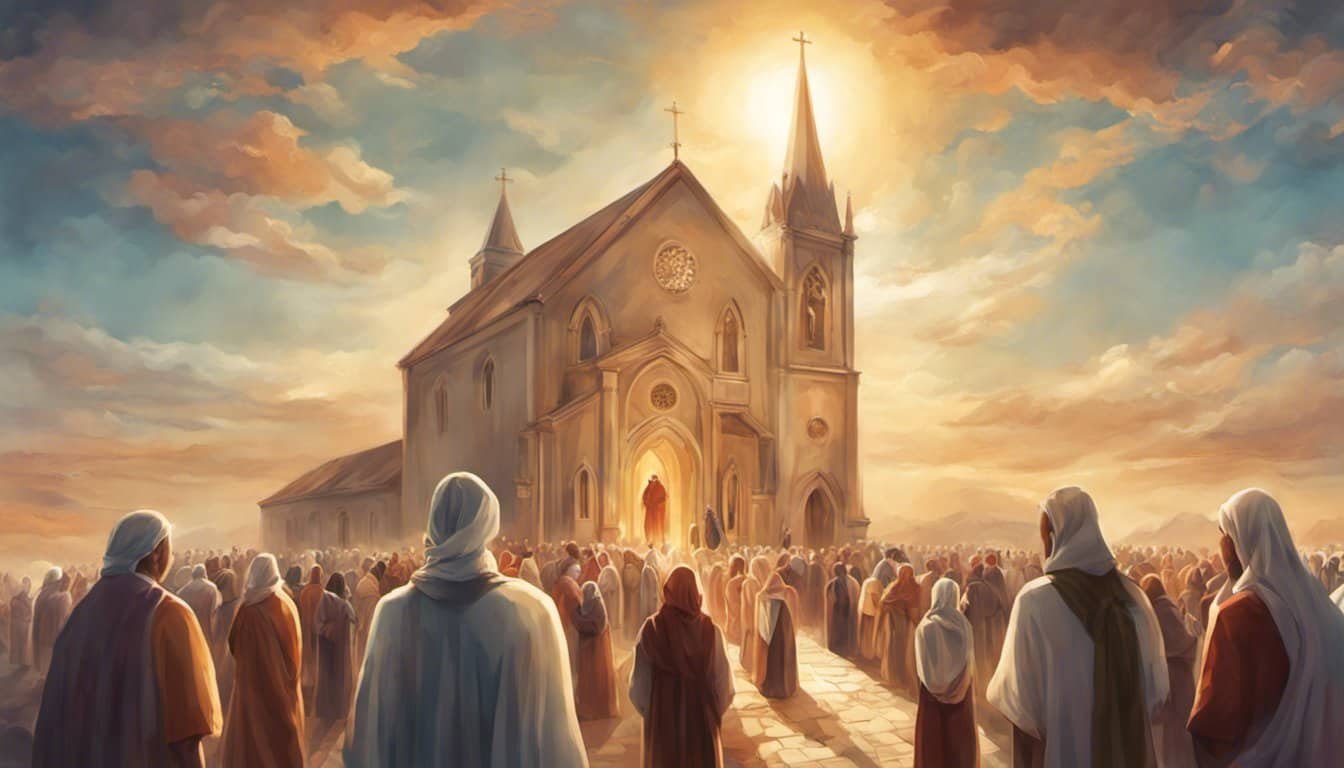
Merari’s role in coordinating with other Levitical families highlights the importance of collaboration. Modern churches engage with their communities through outreach programs, partnerships, and social events. This cooperation strengthens communal bonds and extends the church’s impact beyond its physical boundaries.
Sustainability Practices
Sustainability in maintaining worship spaces reflects Merari’s commitment to long-term functionality. Churches adopt eco-friendly practices, such as energy-efficient lighting and waste reduction programs, to ensure their facilities remain viable and respectful of the environment. This approach aligns with Merari’s focus on lasting preservation.
Volunteer Coordination
Effective volunteer management in churches owes much to Merari’s organizational skills. Churches rely on volunteers to manage various aspects of worship and maintenance, ensuring seamless operations. Structured volunteer programs provide clear roles and responsibilities, enhancing overall church efficiency and member involvement.
Financial Stewardship
Merari’s responsibility for the Tabernacle’s construction emphasizes careful resource management. Modern churches practice financial stewardship by budgeting for maintenance, improvement projects, and community services. Transparent financial practices build trust within the congregation and ensure resources are used effectively.
Merari’s contributions offer valuable insights into organizing and maintaining worship practices. By applying his principles, modern churches enhance their worship environments, fostering meaningful and sustainable spiritual communities.
Conclusion
Merari’s legacy subtly weaves through modern Christian worship, even if he didn’t serve it directly. His dedication to creating and maintaining sacred spaces set a standard that many churches still follow today. By valuing structure and organization, Merari influenced the way worship environments are designed and managed. This enduring impact highlights the importance of his contributions to the spiritual practices that continue to thrive. As churches evolve, Merari’s principles remain a guiding force, ensuring that worship spaces foster community and devotion. His historical role reminds us that the foundations built long ago still support and shape contemporary faith experiences.
