
In today’s world, many rural communities face unique challenges that can make it difficult for them to access spiritual and practical support.
A thoughtful Christian response focuses on building relationships and fostering collaboration to effectively serve these isolated areas. By understanding the specific needs of rural populations, believers can bridge the gap between the church and the community, creating lasting connections and transforming lives.


Christian missions in rural settings often emphasize the importance of planting churches and developing ministries that resonate with local cultures.

As rural churches grow, they become vital centers of hope and support, enabling the gospel to flourish. Engaging with people in meaningful ways allows missionaries to share the love of Christ while also addressing practical needs such as education, health, and community development.
As Christians embrace the call to serve rural areas, they discover the power of collaboration and resource sharing. By working together, churches can maximize their impact and cultivate thriving communities rooted in faith. This commitment to service uplifts isolated neighborhoods and spreads the message of the gospel far and wide.
Key Takeaways
- Building relationships is key to serving rural communities effectively.
- Rural churches can be vital centers for community development and spiritual growth.
- Collaboration among churches enhances mission efforts and resource allocation.
Understanding Rural Missions

Rural missions focus on supporting isolated communities, such as small towns and villages. These areas often have unique characteristics and challenges, but they also present opportunities for meaningful ministry and community engagement.
Characteristics of Rural Communities
Rural communities have distinct features that set them apart. They are typically small, with populations ranging from a few hundred to a few thousand.
Many residents are engaged in farming or related activities, creating a close-knit community life.


In these villages and small towns, relationships matter. People know their neighbors and often rely on each other for support. This strong sense of community can be a foundation for building trust and sharing faith.
Additionally, rural areas may lack access to resources found in urban settings, such as medical services, education, and spiritual nourishment. This limited access highlights the importance of rural missions in addressing these needs.
Challenges in Rural Missionary Work
Serving in rural settings comes with its own set of challenges. One major issue is isolation. Many rural peoples can feel disconnected from broader society, which makes outreach efforts difficult.
Transportation can also be a hurdle. Long distances between homes and churches mean that traveling to meet for worship or community events can be challenging. This often limits attendance and engagement.

Additionally, some rural communities can be resistant to outside influence, including new religious ideas. Trust must be built over time, as many residents prefer established traditions and routines.


Opportunities for Ministry in Rural Settings
Despite challenges, rural missions also offer many opportunities for ministry. The tight-knit nature of small towns allows for personal relationships to flourish. This creates openings for sharing the gospel in an authentic way.
Ministers can engage in community service projects to meet practical needs, such as organizing food drives or providing tutoring for children. These acts of kindness can build bridges and foster trust.
Another opportunity lies in addressing spiritual needs. Providing fellowship and Bible studies can help residents grow in their faith and feel connected to God and one another. Rural missions can significantly impact these isolated communities by serving with compassion and understanding.
Building Relationships in Mission Fields
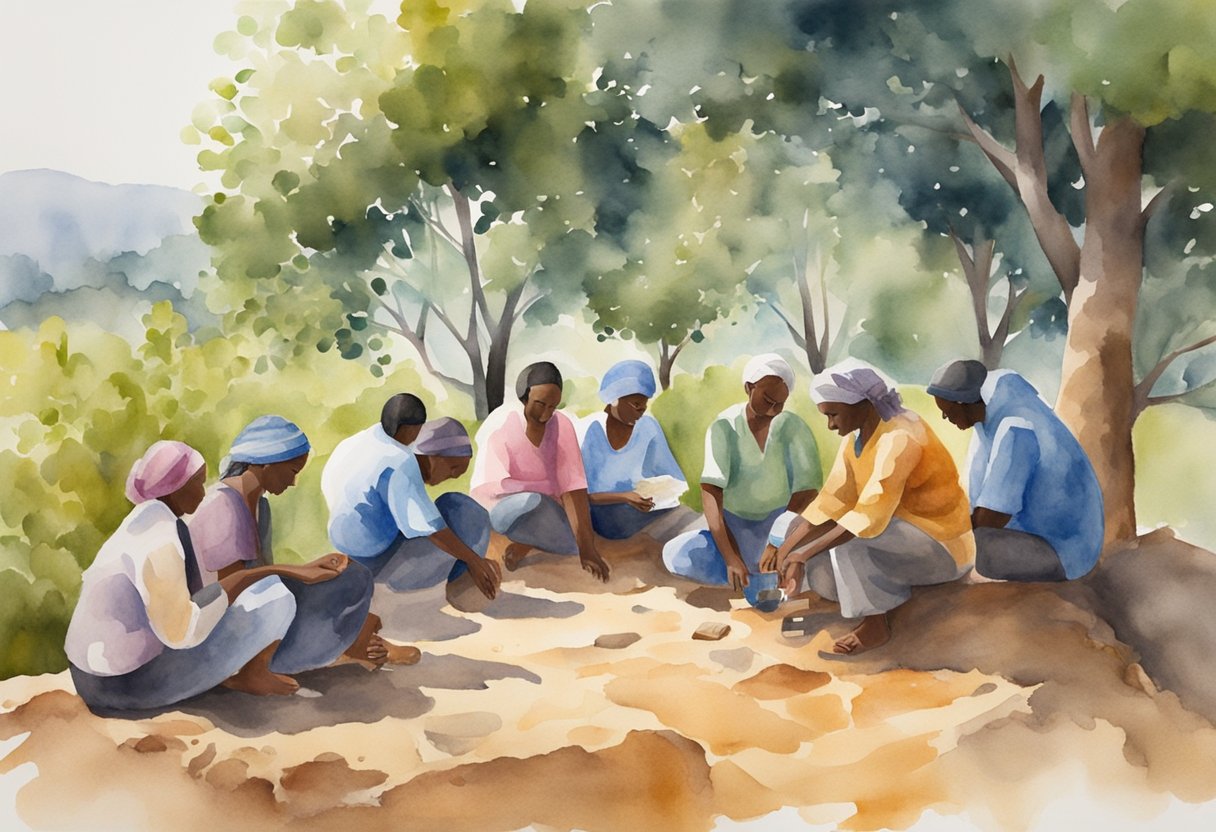
Building strong relationships is crucial for effective work in mission fields, especially in rural settings. Trust and understanding the local culture help missionaries serve isolated communities better. Here are some important aspects to consider.
Importance of Trust and Relationships
In rural missions, trust forms the foundation of successful interactions. When missionaries invest time in building relationships, they establish credibility within the community. This trust encourages church members to engage openly.
Regular visits, friendly conversations, and helping with local needs can deepen these bonds. Missionaries should approach relationships with humility and respect, recognizing that they are guests in these communities.
Building relationships is not just about the exchange of services but also about genuine connections. A missionary who listens and learns fosters a welcoming environment. This connection can lead to better collaboration on community projects, enhancing the impact of their efforts.
Cultural Contexts and Community Dynamics
Understanding cultural contexts is vital when working in mission fields. Every community has its own customs, values, and social structures. Recognizing these differences can help missionaries support church members more effectively.

For instance, local traditions may influence how people view faith and community service. Missionaries should be respectful and eager to learn about these practices. This helps bridge potential gaps between their beliefs and the local culture.
Engaging with community dynamics also means acknowledging leadership structures. Some areas may have informal leaders, while others rely on regularly established ones. By identifying and working with these leaders, missionaries can build stronger ties and promote positive changes that resonate with the locals.
The Role of the Holy Spirit in Missions

The Holy Spirit plays a vital role in missions, especially in rural areas. He helps prepare the hearts of people for the message of the Gospel.
Before a missionary arrives, the Holy Spirit is already at work. He softens hearts and opens minds, making it easier for people to listen. This pre-conversion work is key in reaching isolated communities.

When spreading the message, the Holy Spirit guides the missionaries. They rely on Him for wisdom and understanding. The Spirit also empowers them to share their faith clearly.
In addition to guiding, the Holy Spirit meets the spiritual needs of people. He brings comfort and hope to those who feel lost or alone. In small communities, this support can be transformative.
Missionaries often notice the unique challenges in rural settings. The Holy Spirit helps them navigate these challenges. He provides strength when they face difficulties and encouragement when they feel discouraged.
Through prayer, missionaries connect with the Holy Spirit. This connection deepens their understanding of the needs within communities. As a result, they can share messages that truly resonate with people’s lives.
By working through the Holy Spirit, missions can thrive. The Spirit’s presence brings change, healing, and growth to isolated communities.
Church Planting Strategies

Effective church planting strategies are essential to reaching isolated communities. These strategies focus on finding the right church planters, understanding the local needs, and fostering spiritual growth among new believers.
Identifying and Training Church Planters
Finding the right church planters involves looking for individuals with a strong faith and a desire to serve. They should be equipped with skills like leadership and community engagement.
Training should include mentorship programs that teach church planters how to build relationships and share the good news. Workshops can provide practical skills in outreach and discipleship.
By emphasizing local culture and relational connections, church planters can effectively address the unique challenges faced in rural settings. This ensures that the church is not just planted but is also sustainable in the long run.
The Impact of Church Planting on Rural Communities

Church planting can transform rural communities in many ways. It brings a sense of hope and connection to those who feel isolated. New churches offer a place for worship and support, which fosters community spirit.
These churches often address local issues, such as poverty and education, creating programs to help residents. When a new church joins the community, it can lead to strengthened relationships among neighbors, enhancing the overall well-being of the area.
Through outreach activities, such as food drives and family events, churches can make a positive impact while sharing the good news.
Discipleship and Nurturing New Believers
Once a church is established, discipleship becomes crucial. This process involves guiding new believers in their faith journey. Church leaders should create small groups to facilitate deeper connections and personal growth.
Regular Bible studies and prayer meetings help nurture faith and strengthen relationships within the church. Providing resources, such as books and online materials, supports individual growth.

Encouraging members to serve in the community amplifies their faith. It teaches them to share the good news and reach others. Through these efforts, new believers grow spiritually and contribute to a vibrant church community.
Community Development and the Gospel
Community development plays a vital role in spreading the Gospel among isolated communities. By addressing both spiritual and practical needs, mission work can create lasting change. The focus is on holistic mission work that combines faith with tangible support for communities.
Engaging in Holistic Mission Work
Holistic mission work is about meeting the spiritual and physical needs of people. This approach encourages building relationships and trust within the community.
Evangelists often engage with locals in meaningful ways, such as through service projects or community fairs. They aim to understand the unique challenges that rural communities face.

By working alongside residents, they can provide resources and encouragement. Growing gardens, fixing homes, or running workshops can all be ways to show care. These acts not only help develop the community but also create openings for sharing the Gospel message.
Education, Health, and Economic Projects
Education is crucial in community development. Providing access to education can empower individuals and families. Mission groups often partner with local schools or offer tutoring programs.
Health is another key area where missions can make a difference. Clinics or health workshops improve well-being and show God’s love.
Economic projects, such as supporting small businesses or skill training, can lift communities out of poverty. When families thrive, they are more likely to embrace faith. By focusing on these areas, missions help to create a foundation for both spiritual growth and sustainable community development.
Fostering Partnerships and Collaboration

Building strong partnerships is essential for effective rural missions. Collaboration among various groups can lead to better outreach and support for isolated communities. Engaging local and urban congregations can create lasting impact and foster community ties.
Networking with Local Churches
Local churches play a vital role in rural missions. They understand the unique needs and culture of their communities. Networking with these churches allows for the sharing of resources, knowledge, and volunteers.
Building trust is important for successful collaboration. Regular meetings and open communication can strengthen these relationships. Churches can coordinate events, share materials, and work together to reach more people. By pooling resources, they can create bigger and more effective outreach programs.
Collaboration with Urban Congregations
Urban congregations can contribute significantly to rural missions. They often have more financial resources and volunteers.
Forming partnerships allows rural churches to access these benefits.

Urban churches can organize teams to visit rural areas. These visits can offer hands-on support like hosting events or providing services.
In turn, rural churches can share their insights on rural challenges, creating a two-way learning process.
This collaboration can enrich both urban and rural experiences, making missions more effective.
International Mission Board (IMB) Partnerships
The International Mission Board (IMB) offers resources for building partnerships in missions. They connect local churches with training programs and strategies to serve effectively.
By collaborating with the IMB, churches can tap into a wealth of knowledge. They can also gain access to broader mission networks.
The IMB helps rural churches develop sustainable programs that meet local needs.
Partnerships with the IMB can enhance mission efforts, enabling churches to serve in new ways. These connections often lead to more impactful community development initiatives.
Resource Allocation and Ministry Support

Effective resource allocation is key in supporting rural missions. Ministries can maximize their impact by utilizing the unique talents of individuals and creating connections through supportive networks. This approach fosters community involvement and ensures that resources are used wisely.
Effective Use of Unique Gifts and Talents
Every congregation has members with specific skills and passions. Identifying these unique gifts can greatly enhance ministry efforts.
For example, someone with a talent for teaching can lead educational programs, while others may excel in community outreach or music.
To harness these abilities, leaders should conduct regular assessments of their congregation’s strengths.
Small churches often have fewer resources but can still create impactful programs. Encouraging members to volunteer in areas aligned with their skills increases engagement and helps deepen connections within the community.
Having a system to recognize and celebrate these contributions further motivates individuals to serve. It highlights how vital everyone’s role is, promoting a collaborative atmosphere in ministry.
Ministry Directories and Support Networks
Access to ministry directories can significantly improve coordination in rural areas. These directories connect churches and organizations, facilitating resource sharing and collaboration.
For instance, the 2025 Children’s Ministry Directory offers valuable information about programs, resources, and support specifically for children’s ministry.
By joining local support networks, churches can share best practices and challenges. This collaboration can lead to joint events, pooled resources, and collective training sessions that strengthen the entire community.
It is important for rural churches to take advantage of these directories to overcome isolation.
In addition, these networks often provide access to workshops and seminars. This education ensures that ministries can grow and adapt, keeping their programs relevant and effective.
Children’s Ministry in Rural Missions
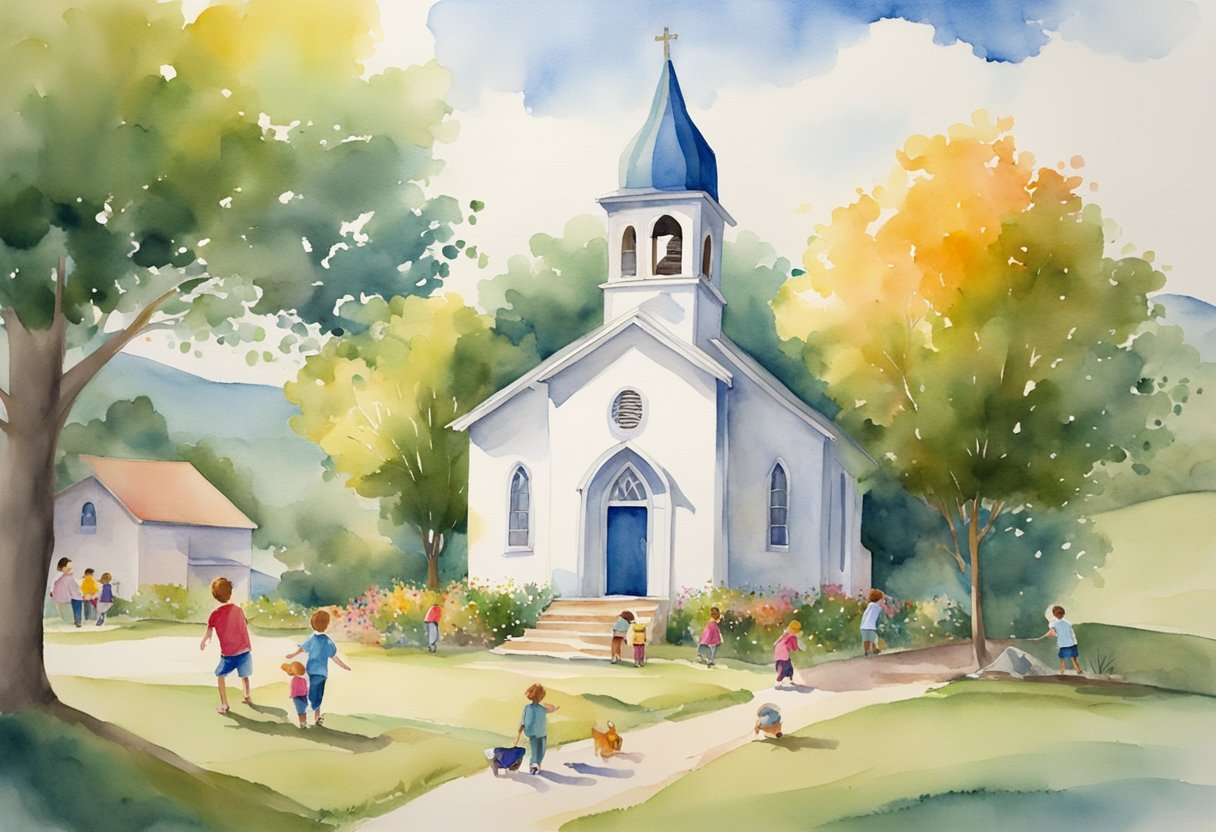
Children’s ministry plays a vital role in rural missions. In many isolated communities, kids often lack access to spiritual education and support.
Churches can bridge this gap by creating engaging programs that teach the values of faith.
Summer Bible camps are a great way to reach out. These camps help children connect with Jesus and make new friends. Organizations like Mission Eurasia impact thousands of lives each year through these transformative experiences.
Regular church activities for children can also enhance community ties. Sunday school, kids’ clubs, and family events provide fun ways to learn about faith. They encourage children to explore their beliefs while building friendships.
Evangelism efforts should include children as well. Teaching kids about sharing their faith can empower them. When children learn to express their beliefs, they can influence their peers positively.
Here are some effective strategies for children’s ministry in rural areas:
- Involve Local Leaders: Engage community members in planning and executing programs.
- Use Simple Resources: Utilize accessible materials that are easy to understand.
- Promote Family Participation: Encourage parents to join, fostering family bonds.
Case Studies and Models of Success

Exploring real-life examples can shed light on effective methods in rural missions. Here are two case studies that illustrate successful efforts in serving rural communities, focusing on very different geographic and cultural contexts.
Impactful Rural Mission Work in Bangladesh
In Bangladesh, evangelical organizations have made significant strides in rural missions. They focus on community development alongside spiritual outreach.
Programs often include:
- Health Initiatives: Providing medical care and health education.
- Education: Establishing schools for children in remote areas.
These efforts help build trust within the communities, making it easier to share the Christian faith.
Evangelicals work to integrate their message with local culture. Stories of transformed lives resonate well, as they highlight both physical and spiritual changes.
By addressing practical needs, these missions create a strong foundation for deeper connections, leading to lasting impacts.
Revitalizing Small Churches in New England
In New England, small churches face challenges from declining membership and rural isolation. Some evangelical groups focus on revitalizing these congregations through innovative outreach strategies.
Key strategies include:
- Community Events: Hosting local festivals or service days to strengthen ties.
- Leadership Training: Equipping church leaders with skills to engage their communities effectively.
These small churches often become hubs for support and fellowship. They nurture not only faith but also community connections.
Engaging with local needs fosters growth and revitalization, bringing new life to these congregations.
Through these efforts, they demonstrate the importance of community in faith.
