
The Christian viewpoint on renewable energy emphasizes the responsibility of stewardship and innovation. Engaging with the environment is not just a trend but a deeply rooted calling found throughout the Scriptures.
Embracing renewable energy aligns with Christian values by promoting care for creation and encouraging sustainable practices.

This blog post explores how faith informs the pursuit of green technologies and the active role Christians can play in protecting the Earth.
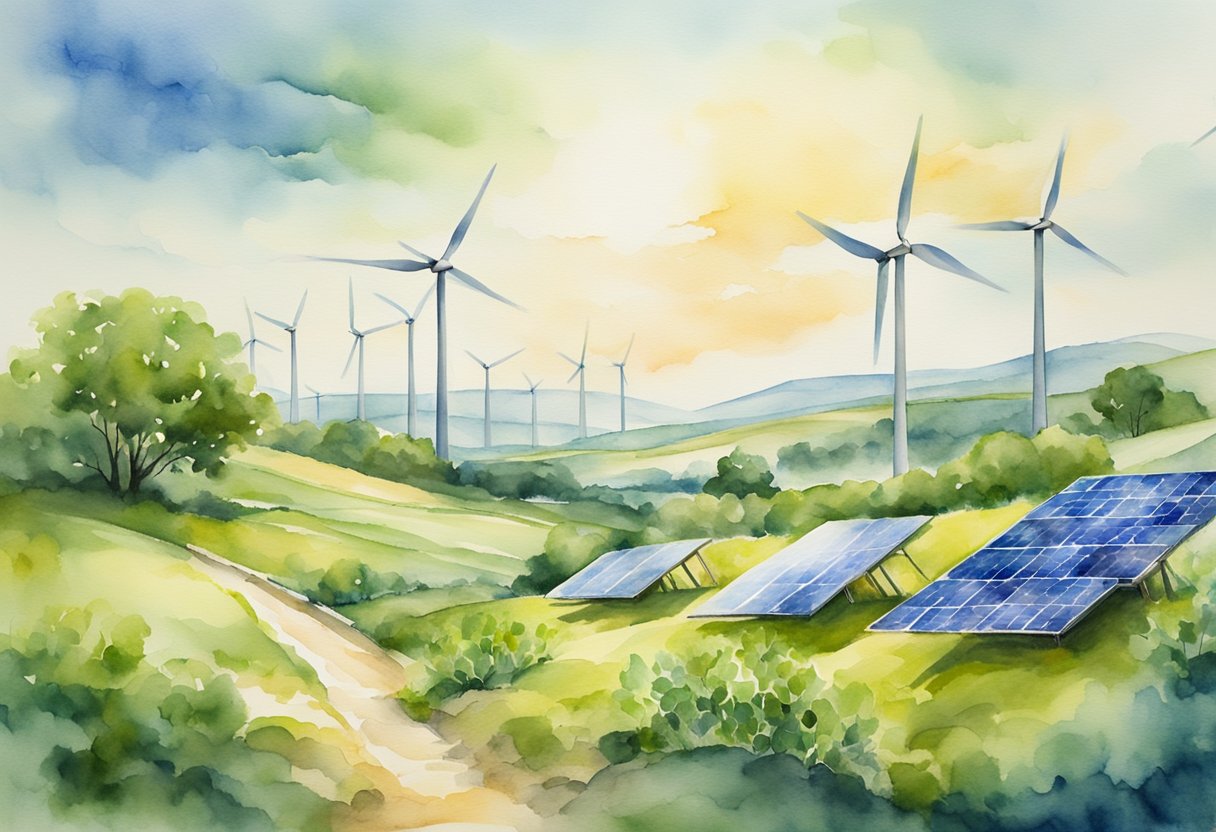

As modern challenges related to climate change and resource depletion arise, Christians are called to respond thoughtfully and creatively. Their faith encourages them to advocate for solutions that respect and preserve God’s creation.
By seeing renewable energy through the lens of stewardship, the Christian community can lead the way in crafting a more sustainable future.
There are many practical steps believers can take towards a greener lifestyle, illustrating their commitment to both faith and the environment.
By marrying innovation with theology, the Christian response to environmental issues can become a powerful testimony to the love for God and His creation.
Key Takeaways
- Christians are called to be stewards of the Earth, promoting sustainable practices.
- Renewable energy initiatives can reflect Christian values of care and responsibility.
- Faith-based advocacy plays a crucial role in advancing environmental solutions.
Biblical Foundations of Stewardship
Stewardship in a biblical sense emphasizes the responsibility humanity has toward God’s creation. It reflects a deep relationship with God and recognizes the need for care and respect for the environment.


Creation Care and God’s Commandments
The concept of creation care stems from God’s commandments. In Genesis, God instructs humanity to “fill the earth and subdue it” (Genesis 1:28). This verse highlights the duty to manage and take care of the Earth.
Christians believe that loving God means loving His creation too. This love translates into actions that promote sustainability and environmental health. Following God’s commandments involves recognizing the value of nature and the importance of caring for it.
By practicing creation care, individuals affirm their relationship with God. They understand that stewardship is not just an obligation but a heartfelt response to God’s gifts. It encourages a respectful and nurturing attitude towards the Earth.
Stewardship and the Role of Humanity
Stewardship involves more than just conservation; it requires active participation. Humanity is called to be caretakers of the Earth. This role includes making informed choices about natural resources and striving for innovation in sustainable practices.

The Bible teaches that humans are part of God’s creation, not separate from it. This belief fosters a sense of interconnectedness. Responsible stewardship includes understanding the impact of human actions on the environment.




Christians are encouraged to engage in practices that honor this role. This ranges from using renewable energy to supporting local agriculture. By doing so, they uphold the principles of stewardship and strengthen their bond with the creator.
Renewable Energy in Christian Thought

Christian perspectives on renewable energy emphasize stewardship and ethical responsibilities. Many believers see their role as caretakers of the Earth, calling for thoughtful energy choices that align with their faith.
Theological Reflections on Energy Use
In Christian thought, energy use is closely tied to the concept of stewardship. Believers are taught to care for God’s creation, which includes how energy is consumed. This stewardship encourages a shift from fossil fuels to renewable resources.
Scripture supports the idea that using resources wisely reflects a commitment to God. For example, they are reminded of the importance of sustainability. Instead of exploiting the Earth, Christians are called to innovate. This means embracing technology that promotes cleaner energy.
They find inspiration in passages that urge care for the environment, viewing renewable energy as a way to honor God. These decisions can lead to a more equitable world, where environmental justice and care for the less fortunate are prioritized.
Ethical Implications of Energy Choices
The choice of energy sources holds significant ethical implications for Christians. Fossil fuels may provide convenience but often come with negative environmental impacts. They contribute to climate change and pollution, which can harm vulnerable communities.
Christians are urged to reflect on their consumption patterns. Ethical consumption involves considering how energy sources affect the planet and future generations. By supporting renewable energy, they champion a cleaner, safer environment.
Technological advancements offer solutions, but they must align with Christian values. Emphasizing sustainability over consumerism can lead to more conscientious choices. Importantly, the push for renewable energy is not just an environmental issue; it forms part of a broader moral obligation to uphold creation care.
The Connection Between Environment and Faith

Faith plays a crucial role in motivating individuals and communities to engage in environmental protection. Many religious teachings emphasize stewardship of the earth, connecting spiritual beliefs to care for creation. Religious communities have significant influence in shaping attitudes towards climate change and environmental justice.
Religion’s Influence on Environmental Protection
Many religious texts call for stewardship of the earth. For example, Christians are urged to care for creation as a reflection of God’s character. This idea is echoed in encyclicals like Laudato Si, where Pope Francis highlights the importance of caring for our common home.
Faith communities often advocate for policies addressing climate change. They rally support for sustainable practices that reduce global warming. Additionally, engaging in environmental movements allows religious groups to emphasize justice for those most affected by environmental degradation.
Interfaith Collaboration for the Planet
Many faith-based initiatives foster collaboration across different religions. This cooperation can strengthen efforts to address global environmental issues. For example, groups often come together for climate strikes or tree-planting events. Such actions showcase a united front against climate change.

Interfaith projects emphasize the shared responsibility of caring for the environment. This collaboration helps raise awareness and inspire action among diverse communities. Joint efforts can lead to innovative solutions and a broader impact in fighting environmental challenges. Through these partnerships, people from various backgrounds work toward a sustainable future for all.
Practical Christian Actions for Sustainability

Christians can take meaningful actions towards sustainability through personal commitments and collective efforts. By adopting sustainable practices and fostering community outreach, believers can live out their stewardship responsibilities in practical ways.
Adopting Sustainable Practices
Many Christians are embracing sustainable practices in their daily lives. This includes reducing waste, recycling, and conserving energy. Simple actions like using reusable bags or choosing LED bulbs can significantly impact the environment.
Churches can also encourage members to adopt these habits. For instance, setting up recycling stations or community gardens not only beautifies surroundings but also promotes food security. Engaging in local farming initiatives helps provide fresh vegetables while teaching stewardship principles.

By leading by example, individuals can inspire others. Families that practice sustainable living encourage their friends and neighbors to consider their environmental footprint. Ultimately, these actions contribute to a healthier planet and reflect a commitment to God’s creation.
Church Leadership and Community Outreach
Church leadership plays a crucial role in promoting sustainability. Pastors and church leaders can educate congregations about the importance of environmental stewardship. Hosting workshops on sustainable living can provide practical guidance, helping members incorporate these principles into their lives.
Additionally, churches can engage in community outreach. Partnering with local environmental organizations can enhance collective efforts toward sustainability. Organizing clean-up events or tree-planting days not only fosters community spirit but also addresses local environmental needs.
By becoming active participants in their communities, churches can demonstrate their commitment to creation care. These outreach programs can build connections among members and across neighborhoods, reinforcing the message of stewardship and responsibility for the Earth.
Global Perspectives on Creation and Conservation

The way different countries view creation and conservation reflects diverse cultural, social, and economic backgrounds. Understanding global perspectives helps address the pressing environmental challenges and supports developing nations in their struggles with social inequalities.
Addressing Environmental Challenges Worldwide
Many nations are facing serious environmental challenges. Issues like climate change, deforestation, and loss of biodiversity threaten the natural environment and public health.
For example, rising temperatures affect crop yields, leading to food shortages. This is a pressing concern for both wealthy and poorer nations. Addressing these environmental crises requires collaboration across borders.
Countries are beginning to adopt sustainable practices. Initiatives include reforestation, renewable energy projects, and conservation programs. These efforts enhance biodiversity and help protect ecosystems.
Education and awareness are crucial in tackling these challenges. Encouraging communities to take action can lead to positive changes. The collective effort can build a more resilient planet.
Supporting Developing Nations and Global Equity

Developing nations often bear the brunt of environmental issues, even though they have contributed the least to the problems. Many lack the resources needed to tackle these challenges effectively.
Economic assistance is essential in supporting these countries. Financial and technical aid can help them develop clean energy solutions and sustainable practices. This support promotes global equity and helps reduce social inequalities.
Collaborative projects between developed and developing nations can create lasting benefits. For instance, investing in solar energy can provide power to off-grid communities. Such initiatives not only improve local economies but also protect the environment.
Creating a more equitable world requires shared responsibility and action. By working together, nations can make significant strides in conservation and stewardship.
Christian Advocacy and the Future of Renewable Energy


Christians play a vital role in promoting environmental stewardship and advocating for renewable energy solutions. Their efforts focus on protecting the Earth for future generations and ensuring that energy policies align with values of conservation and sustainability.
The Role of Christians in Environmental Activism
Many Christians actively participate in environmental activism. They believe that caring for God’s creation is a fundamental duty. This advocacy can take various forms, such as joining local cleanup efforts, promoting sustainability in their communities, or supporting organizations that advocate for environmental protection.
They also emphasize the importance of renewable energy. By encouraging the use of solar, wind, and other clean energy sources, Christians help to combat pollution and climate change. This aligns with the Biblical call to be stewards of the Earth. Initiatives driven by faith communities reach a broader audience, inspiring more people to embrace sustainable practices.
Influencing Energy Policies and Political Action
Christians also focus on influencing energy policies to promote renewable energy. They believe that political action is necessary to advocate for laws that support environmental conservation. Engaging in discussions about policies like the Clean Air Act can drive change at local and national levels.
Many Christian groups work with lawmakers to create incentives for renewable energy projects. They push for regulations that reduce carbon emissions and promote sustainability. These efforts aim to establish a future where energy is cleaner and safer for coming generations. By joining in political advocacy, they highlight the moral responsibility to protect the environment.
The Influence of Papal Teachings on Environmental Stewardship

Papal teachings significantly impact the Christian perspective on environmental stewardship. They encourage believers to embrace their role in caring for creation. The messages from popes, especially Pope Francis, highlight the moral responsibility to protect the environment and promote justice.
Laudato Si’ and Ecological Conversion
In the encyclical Laudato Si’, Pope Francis emphasizes the urgent need for ecological conversion. This involves a deep change in how humanity relates to nature and each other. He calls for a shift in mindset to recognize that environmental issues are intertwined with social justice.
The document urges people to see the environment as God’s creation, deserving respect and care. It reflects the belief that humans are stewards of the Earth. By promoting sustainable practices, believers can honor God and ensure a thriving planet for future generations.
Pope Francis on Climate Change and Justice
Pope Francis consistently links climate change with issues of justice. He emphasizes that the poor often bear the brunt of environmental damage. His teachings stress that helping the environment is also about helping the marginalized communities who suffer most.

He encourages a response that includes both personal and collective action. Pope Francis supports policies that address climate change while advocating for social justice. This perspective invites Christians to stand together for a more equitable world, where all can thrive in a healthy environment.
Innovation and Technology in Service of Creation
Technology offers powerful tools that can enhance stewardship of the environment. By focusing on harnessing innovations, individuals and communities can respect and protect God’s creation. This approach emphasizes both responsible usage and the benefits of creative advancements.
Harnessing Technological Innovations for Good
Many technological innovations aim to support a greener planet. For example, solar panels convert sunlight into energy, reducing dependence on fossil fuels. Wind turbines generate electricity without polluting the air.
Other advancements focus on energy efficiency. Smart home technology can regulate energy use, lowering overall consumption. Electric vehicles provide a cleaner alternative to traditional cars, decreasing carbon emissions.
Support for these technologies encourages environmental awareness. Communities can start projects that promote clean energy and sustainable practices. By embracing these advancements, they help protect natural resources and reduce waste.
Balancing Advancement with Respect for God’s Creation
While technological advancements can benefit the environment, balance is essential. As innovations emerge, it is crucial to consider their impact on nature. Over-reliance on technology can sometimes lead to neglecting the beauty and integrity of God’s creation.
Developing green technologies requires careful thought. For instance, producing solar panels involves resource extraction that can harm ecosystems. Thus, it’s vital to focus on sustainable production methods that mitigate such damage.
Engaging in discussions about ethical consumption and innovation can foster a more respectful relationship with creation. When communities prioritize ecological balance in their advancements, they honor their duty as stewards of the earth.
Christian Lifestyle and Environmental Responsiveness
Living a Christian lifestyle includes a focus on stewardship and caring for the environment. This can be seen through a commitment to simplicity, conservation, and how individuals consume resources.
Embracing Simplicity and Conservation
Simplicity encourages a mindful approach to life. Christians can embrace a lifestyle that values fewer material possessions, which helps reduce waste.
Focusing on conservation means protecting natural resources such as water, land, and air.
Simple habits like reducing energy consumption, using public transport, or choosing sustainable products can make a significant impact.
Many Christians also create gardens, promoting local food growth and supporting biodiversity. This approach not only nourishes bodies but also honors God’s creation by fostering a connection to nature.
Promoting Welfare Through Conscious Consumption
Conscious consumption means making choices that consider the impact on people and the planet.
Christians are encouraged to buy products that are ethically produced. This supports fair labor practices and helps those in need.
They might choose items from companies that prioritize environmental sustainability. Supporting local businesses can also reduce carbon footprints and promote community welfare.
Creating awareness about the effects of consumerism is essential.
Reducing unnecessary purchases helps combat waste and encourages resource conservation.
By aligning their spending habits with their values, Christians can contribute to a more sustainable and fair world.
