
Men’s ministries play a crucial role in fostering spiritual growth and leadership within the Christian community. These ministries not only encourage personal development but also build strong relationships among men. This helps them to lead effectively in their families and communities.
As men grow in their faith, they learn the importance of prayer, discipleship, and outreach. These shape them into better leaders.

By providing resources and support for personal and spiritual development, men’s ministries serve as a foundation for cultivating a prayerful life. This nurturing environment allows men to connect and share their experiences, creating a strong bond that enhances their leadership abilities.
Through mentorship and shared learning, they become agents of positive change both within the church and beyond.

Engaging in outreach and evangelism is another vital aspect of men’s ministries that can lead to significant community impact. By working together, men can inspire one another to take their faith into the world. This demonstrates leadership that reflects Christ’s love and teachings.
Essence of Christian Men’s Ministries
Christian men’s ministries focus on building strong identities and understanding of manhood based on biblical teachings. These ministries aim to guide men in their faith journey, helping them embrace their roles as leaders and followers of Christ.
Identity in Christ
A man’s identity in Christ is central to Christian men’s ministries. Understanding this identity enables men to recognize their worth and purpose.
When men grasp that they are created in God’s image, they can live with confidence. This identity encourages them to set aside worldly pressures and expectations.
Men are reminded that they are loved, redeemed, and called to a higher purpose. This transformation helps foster a sense of belonging within the church community.


Building connections with other men who share these beliefs is vital. It provides support and encouragement as they navigate their faith together.
Understanding Manhood Through Scriptures
Scriptures provide essential teachings about manhood that are relevant to today’s challenges. Men’s ministries often explore biblical characters who exemplify strong leadership and moral integrity.
For instance, studying figures like David and Paul can reveal lessons on courage, humility, and responsibility. These teachings help men cultivate qualities that reflect Christ-like behavior in their daily lives.
Regular discussion and application of these scriptures allow men to grow spiritually. They learn what it means to lead their families and communities with purpose.

Through scripture, men can identify the values that matter, shaping their character and strengthening their leadership roles within their church and home.




The Role of Leadership in Men’s Ministries
Leadership is vital in men’s ministries, as it shapes the direction and impact of the group. Effective leaders guide others toward mature Christian manhood and spiritual growth. They serve as role models and foster an environment of support and accountability.
Defining Christian Leadership
Christian leadership goes beyond ordinary management. It involves guiding others to walk in faith and embody Christlike values. True leaders set an example in all aspects of life, including personal integrity and responsibility.
They encourage open communication, allowing members to express their thoughts and concerns. Leaders should model prayerfulness, humility, and a strong connection to Scripture. This approach fosters unity and strengthens the overall mission of the ministry.
Characteristics of a Spiritual Leader
A spiritual leader displays several key characteristics that help shape the community. These include:
- Integrity: Upholding honesty in all dealings.
- Compassion: Showing care and empathy for others.
- Wisdom: Making decisions based on prayer and biblical principles.
- Courage: Standing firm in faith, even amid challenges.
Mature Christian manhood also involves mentorship. Spiritual leaders should actively equip others to grow in their faith. This includes offering guidance and support, as well as creating opportunities for service. By nurturing these qualities, they foster a thriving atmosphere in the ministry, encouraging growth and spiritual depth.
Cultivating a Prayerful Life
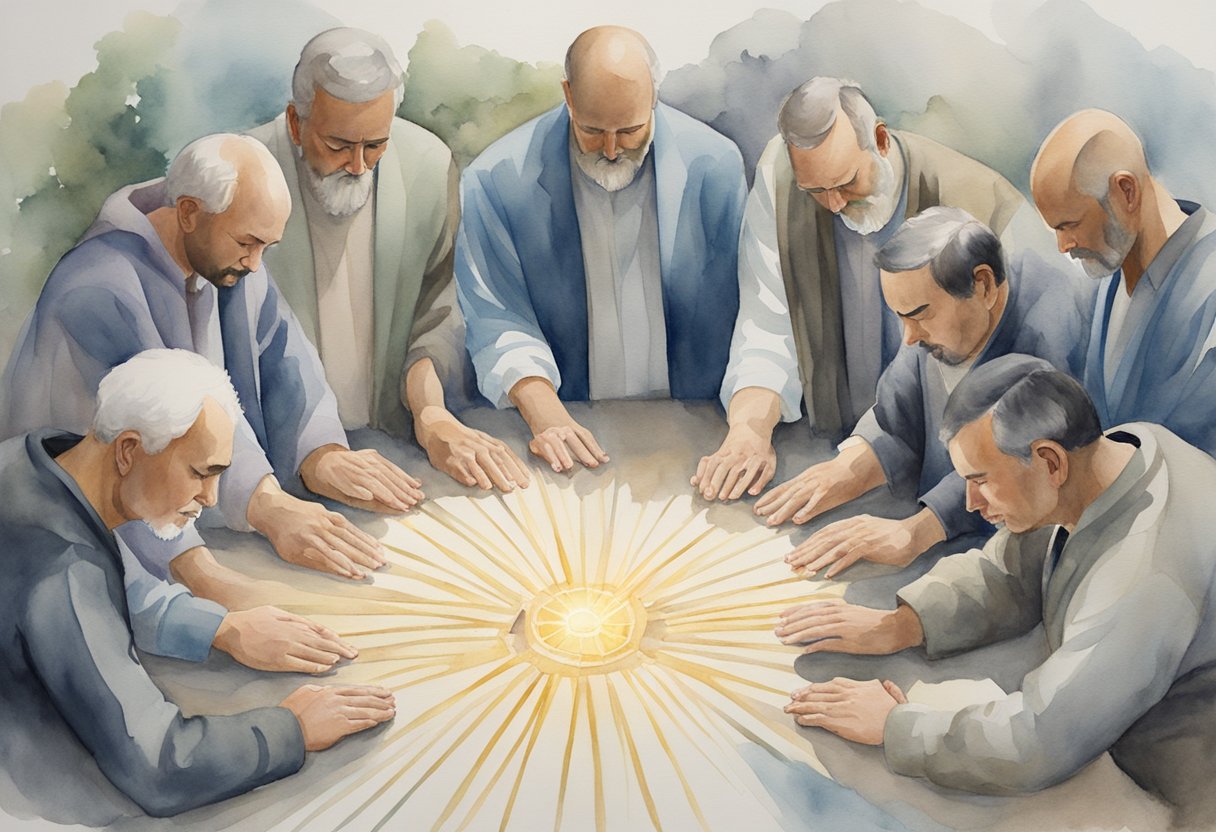
Cultivating a prayerful life is essential for strengthening leadership within men’s ministries. Prayer and worship create a deeper connection with God, fostering faith and clarity in decision-making. They also encourage personal growth and community bonding among members.
The Power of Prayer in Leadership
Prayer is vital for leaders in any ministry. It allows them to connect with God and seek guidance in their decisions. When leaders pray, they invite God’s wisdom into their lives.

Through consistent prayer, leaders cultivate a sense of peace. They can also encourage their teams to engage in prayer, which strengthens their collective faith. This collaborative approach fosters unity, helps resolve conflicts, and enhances communication among members. Leaders who prioritize prayer often see an increase in trust within their ministry.
Prayer serves as a foundation for effective leadership. It reminds leaders of their purpose and fosters a supportive environment for everyone involved.
Developing a Habit of Worship
Worship goes hand in hand with prayer in cultivating a prayerful life. Regular worship helps deepen personal faith and community ties. It encourages individuals to express gratitude and recognize God’s presence in their lives.
Engaging in worship can take many forms. This might include singing, reading scripture, or participating in community activities. The goal is to create a routine that fosters spiritual growth.
Leaders should encourage participation in worship events, helping members feel valued and connected.

Incorporating worship into daily life can also transform personal routines. Simple acts like listening to worship music or reading devotionals can help maintain a worshipful mindset. Embracing these practices allows individuals to experience God’s love and power more fully.
The Impact of Discipleship
Discipleship plays a crucial role in men’s ministries by fostering personal growth and enhancing spiritual leadership. Through mentoring relationships and personal development, men learn to navigate their faith journey effectively.
Mentoring and Being Mentored
Mentorship is a key component of discipleship. It allows experienced individuals to guide others in their spiritual walk. A mentor can provide support, wisdom, and encouragement, helping mentees understand their faith deeply.
Being mentored creates an environment where questions can be asked, and struggles can be shared openly. This relationship strengthens spiritual bonds and encourages accountability.

Men engaged in mentorship often find that they also grow as leaders. They learn how to inspire others, share their faith, and make a positive impact within their communities.
Growing into Mature Men of Faith
Discipleship encourages men to grow into mature leaders. This growth involves developing qualities such as patience, humility, and integrity. These traits are essential for effective spiritual leadership.
A mature man of faith demonstrates an understanding of scripture and applies it to real-life situations. He reflects on his experiences, learning from both successes and failures.
Through discipleship, men learn to embrace their roles and responsibilities. They become examples for others, showing what it means to live out one’s faith boldly. As they grow, these men contribute positively to their families, churches, and communities.
Fostering Relationships within the Community


Building strong connections is vital for a thriving community. In men’s ministries, fostering relationships can help create a supportive environment where individuals feel valued. These connections strengthen not only personal growth but also the overall fabric of the local church.
Building Supportive Relationships
Supportive relationships are key in a men’s ministry. Men are encouraged to share their experiences, struggles, and growth. This open communication creates a safe space for vulnerability.
- Organize regular meetings where men can discuss faith and life.
- Pair older men with younger ones to guide and support each other.
These interactions build trust and camaraderie. As men bond, they are more likely to turn to one another in times of need, forming a solid network of support.
The Role of Men in the Local Church
Men play an essential role in the local church by being active and engaged. Their participation enhances the church community and encourages others to be involved.
- Men can lead Bible studies, prayer groups, and outreach programs to foster engagement.
- Getting involved in church activities or community service builds unity.
By stepping up, men not only strengthen their own faith but also inspire those around them to grow. Their active presence helps create a welcoming environment for all members of the church.
Family Life and Men’s Ministries

Men’s ministries play an important role in nurturing family life through strong, loving leadership. They provide guidance for husbands on how to demonstrate sacrificial love and prepare the next generation for future challenges.
Being a Husband of Sacrificial Love
A husband is called to embody sacrificial love within the family. This means prioritizing the needs of his wife and children above his personal desires.
He can achieve this by:
- Actively listening to his family’s concerns
- Participating in household responsibilities
- Providing emotional support during difficult times
In practice, this includes taking time to understand how his spouse feels and being present for the kids.

Sacrificial love builds a foundation of trust and respect. It sets a positive example for the children, showing them how healthy relationships function.
Preparing the Next Generation
Preparing the next generation involves teaching children about values and responsibilities. Men’s ministries encourage fathers to engage in their children’s lives through active involvement in their education and moral development.
They can:
- Lead family discussions on faith and ethics
- Encourage children to pursue their passions
- Share stories of overcoming obstacles and moral decision-making
By doing so, fathers help their children understand the importance of character and integrity. This guidance equips kids with the tools they need for successful relationships in adulthood.
Fostering these qualities early creates a ripple effect positively influencing future generations.
Outreach and Evangelism

Men’s ministries can play a significant role in outreach efforts by encouraging members to share their faith. In doing so, they contribute to building a stronger community centered around Christian values.
Extending the Kingdom Through Evangelism
Evangelism is an essential part of expressing faith in God. It involves sharing the Gospel message with others, inviting them to know Christ.
Men’s ministries can create programs that focus on personal testimonies and fellowship. This enables men to connect with one another while converting their experiences into meaningful outreach activities.
For instance, organizing events such as community barbecues or men’s retreats can help initiate conversations about faith.

Group participation fosters a supportive atmosphere, making outreach less intimidating. It encourages members to invite friends or neighbors who may not attend church regularly.
Establishing a culture of evangelism within men’s ministries can lead to deeper relationships with God and others.
Engaging in Community Service
Community service is another vital aspect of outreach. It provides tangible ways to demonstrate faith in action.
Men’s ministries can organize volunteer opportunities, such as food drives, mentorship programs, or habitat builds, to serve those in need. These activities not only meet immediate community needs but also open doors to sharing the Gospel.
Engagement in community service helps men connect with local residents and establish trust.
As they work alongside others, they can share their faith naturally and authentically. This creates an environment where discussions about God and spirituality can flourish.
By combining evangelism with community service, men’s ministries strengthen their impact, making a lasting difference while living out their faith.
Personal Development in Christian Men’s Ministries
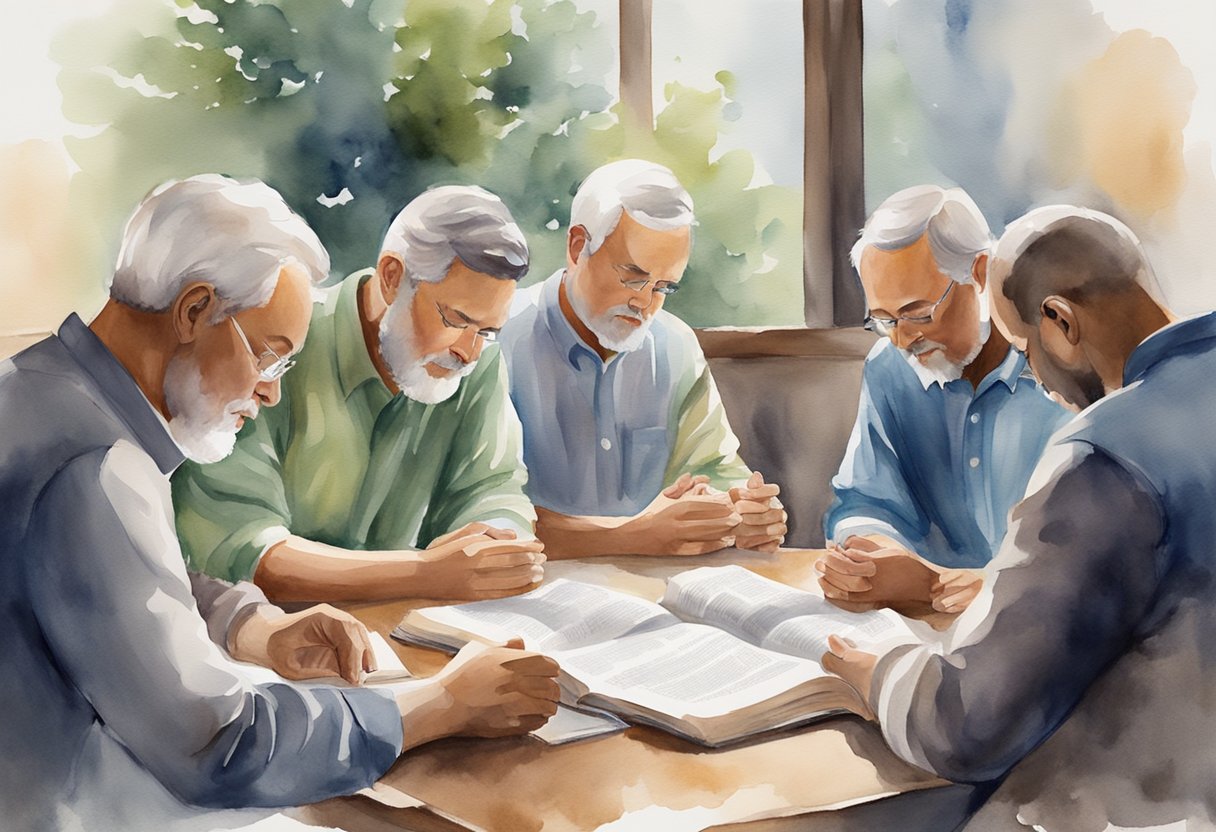
Personal development in Christian men’s ministries focuses on building traits like resilience and encouraging growth. These elements help men grow in their faith and strengthen their leadership skills.
Resilience and Perseverance
Resilience is crucial for men in Christian ministries. It helps them face challenges and remain steadfast in their faith. By overcoming obstacles, they model mature Christian manhood for others.
To nurture resilience, ministries often provide groups where men can share their struggles. This support fosters a sense of community.
When men encourage each other, their perseverance grows. They learn to trust in God’s plan, no matter the difficulties they encounter.
By sharing personal stories, they can inspire one another to remain strong through trials. This connection deepens both their faith and their commitment to their roles as leaders.
Encouragement and Personal Growth
Encouragement plays a vital role in personal growth within men’s ministries. Positive reinforcement boosts confidence and helps men realize their potential.
Activities like mentorship and Bible study encourage men to pursue their personal and spiritual goals.
In these settings, men often set specific objectives for their development. They may focus on improving their prayer life or serving in their community.
Regular meetings provide accountability, allowing them to share progress and support one another.
As they grow, men learn the importance of lifting each other up. Encouragement leads to greater commitment and a deeper connection with God. This communal spirit plays a crucial role in developing strong, capable leaders within the church.
Educational Programs and Resources
Educational programs and resources are essential for men’s ministries to nurture strong leaders. Effective training helps men grow in faith and leadership skills through structured learning and community support.
Conducting Bible Studies
Bible studies provide a solid foundation for spiritual growth. They enable participants to explore scripture together while discussing its implications for leadership.
Regularly scheduled meetings create a routine that encourages accountability.
In these studies, men can share personal insights and experiences that enrich their understanding of biblical teachings.
Key benefits include:
- Strengthened relationships with peers
- Improved comprehension of Scripture
- Enhanced leadership qualities
Group discussions often highlight practical applications of biblical principles in everyday life. This practice fosters a sense of community and encourages men to embody Christian values.
Access to Resources and Training
Access to resources is crucial for men’s ministries. Churches can offer specialized training programs to bolster leadership skills and develop effective ministry strategies.
These programs can include workshops, online courses, and mentorship opportunities. Leaders can also utilize various books and materials that focus on spiritual growth and leadership development.
Men can find many resources through reputable organizations. Some churches provide links to sites like Manhood Journey for helpful materials.
By actively seeking out and engaging with these resources, men can enhance their ministries and foster stronger relationships within their communities.
