
Christian holiness is more than just a concept; it is a way of life. Being set apart for God’s purposes means living a life dedicated to His work and values. This dedication shapes one’s actions, relationships, and even daily routines, guiding individuals toward a closer connection with God.


People are often curious about what it truly means to be holy. It involves embracing purity and commitment, which can challenge everyday living. Understanding this journey is vital, as it impacts how they interact with others and worship in community settings. For many, recognizing their role in God’s plan brings fulfillment and clarity.
Living out holiness is not always easy, but it holds transformative power. It encourages personal growth and fosters deeper relationships with God and others. As individuals explore their unique purpose, they can find strength and support within their faith community.
Key Takeaways
- Holiness is about living a life set apart for God’s work.
- Embracing holiness transforms daily actions and relationships.
- Understanding one’s purpose in God creates fulfillment and community.
The Concept of Holiness in Christianity

Holiness in Christianity is about being set apart for God’s purposes. It reflects God’s character and calls believers to live differently. This section will explore the meaning of holiness, its biblical foundations, and how it connects to the nature of God.
Defining Holiness
Holiness means being sacred or set apart. In Christianity, to be holy means to live in a way that honors God. It often involves separation from sin and dedication to God’s will.
This concept appears repeatedly in the Bible. For instance, believers are called to be holy as God is holy. This idea is rooted in the call from God to the Israelites in the book of Leviticus. They were instructed to live according to God’s standards.
Being holy also means reflecting God’s character in everyday life. It is about living truthfully, showing love, and pursuing righteousness. Holiness is not just about rules; it’s a deep relationship with God that transforms a person’s actions and thoughts.
Biblical Foundations of Holiness
The Old Testament lays a strong foundation for understanding holiness. In Leviticus, God commands his people to be holy because He is holy. This sets a standard for how they should live.


The concept is woven throughout scripture. Holiness involves both a theological and moral dimension. The Israelites were to reflect God’s purity in their worship and daily actions.
In the New Testament, this theme continues. Jesus emphasizes holiness through teachings and parables. He calls his followers to be salt and light, showcasing God’s love and grace in a world that often lacks it.
Additionally, Paul writes about being a holy temple, indicating that believers collectively embody God’s presence on earth.
The Nature of God and Holiness
God’s nature is inherently holy. Holiness is not just one of God’s attributes; it is central to who He is. This perfect purity means He is completely free from sin and corruption.

God’s holiness leads to His demand for justice and truth. It is the reason for His love and the grace extended to humanity.




Believers are encouraged to seek a deeper understanding of God’s holiness. This involves recognizing their need for forgiveness and striving for a life aligned with God’s character. Acknowledging God’s holiness shapes how they interact with others and approach life.
Thus, understanding this concept is vital for a believer’s faith journey and transformation.
Holiness in Daily Living
Living a holy life involves intentional choices and behaviors that reflect one’s relationship with God. This section explores examples of holiness in Scripture, the role of the Holy Spirit, and practical ways anyone can pursue holiness in everyday life.
Examples of Holy Living from Scripture
The Bible offers many examples of holy living. For instance, Jesus modeled perfect holiness through His actions and choices. He served others, showed love, and lived in obedience to God. His life serves as a guide for believers.
Another example is the Apostle Paul. He encouraged the early church to live set apart from worldly influences. In Romans 12:2, he wrote about being transformed by renewing the mind. This transformation is vital for making holy choices.
Old Testament figures, like Daniel, also exemplified holiness. He maintained faithfulness to God even when facing pressure to conform. These examples show that holiness is about making choices that align with God’s will.
The Role of the Holy Spirit in Holiness
The Holy Spirit plays a crucial part in helping believers live holy lives. When someone accepts Christ, they receive the Holy Spirit, marking them as set apart for God’s purposes. This indwelling presence provides guidance, strength, and encouragement.
The Spirit helps believers recognize sinful behaviors and challenges them to grow. As they yield to the Holy Spirit’s leading, they experience transformation in their lifestyles. He equips them to display the fruits of the Spirit, such as love, joy, and self-control.

Living in step with the Holy Spirit allows individuals to reflect God’s character more fully in daily choices. This process reinforces the importance of relying on God’s strength instead of their own.
Practical Ways to Pursue Holiness
Pursuing holiness involves practical steps in daily living. Here are some ways individuals can live a holy life:
Establish a Regular Prayer Life: Daily communication with God strengthens one’s relationship and fosters a greater awareness of His presence.
Read Scripture: Engaging with the Bible informs and inspires holy living. It provides wisdom and guidance for daily choices.
Surround with Like-Minded Believers: Building relationships with supportive friends encourages accountability and growth.
Practice Forgiveness: Holding onto grudges can hinder holiness. Forgiving others frees one from negativity and aligns with God’s call to love.
These practical actions help one to live set apart for God’s purposes, promoting a lifestyle characterized by holiness.
Set Apart for God’s Purpose
Being set apart for God’s purpose means living with intention and dedication. It involves understanding the call to be consecrated for God’s uses. This section discusses how believers engage in personal sanctification and embrace their identity and mission.
Consecration and Being Set Apart

Consecration refers to the act of dedicating oneself to God’s service. When individuals are set apart, they are chosen for a special purpose. This process often involves making sacrifices and letting go of old ways.
Believers are called to live differently from the world around them. This means turning away from sin and focusing on what brings God glory. The idea of being a new creation is central to this transformation. As they embrace their consecration, they find strength in prayer, worship, and studying Scripture.
Personal Sanctification
Personal sanctification is an ongoing journey for believers. It involves growing in holiness and becoming more like Christ. This process is not achieved overnight; it requires effort and commitment.
Believers are encouraged to regularly reflect on their thoughts and actions. This self-reflection helps identify areas needing change. Through the Holy Spirit’s guidance, they can pursue a deeper relationship with God. Daily practices like reading the Bible and engaging in community can aid in this journey.
As they become sanctified, they develop a clearer understanding of their purpose. This deeper understanding helps guide their decisions and shapes their daily lives.
Identity and Mission as Believers

Understanding one’s identity in Christ is vital for believers. Being set apart gives them a unique role in God’s plan. They are not only recipients of grace but also messengers of it.
As new creations, they are called to share their faith and love with others. This mission can take many forms, from service to those in need to sharing the gospel. By living out their purpose, believers actively participate in God’s redemptive work in the world.
Their identity as set apart individuals empowers them to make a difference. It reminds them that they are valued and called to reflect God’s light in everyday life.
The Impact of Holiness on Relationships
Holiness shapes relationships in powerful ways. It enhances community, guides mentorship, and strengthens the church as a holy temple. By embracing holiness, believers honor God and nurture meaningful connections.
Community and Fellowship
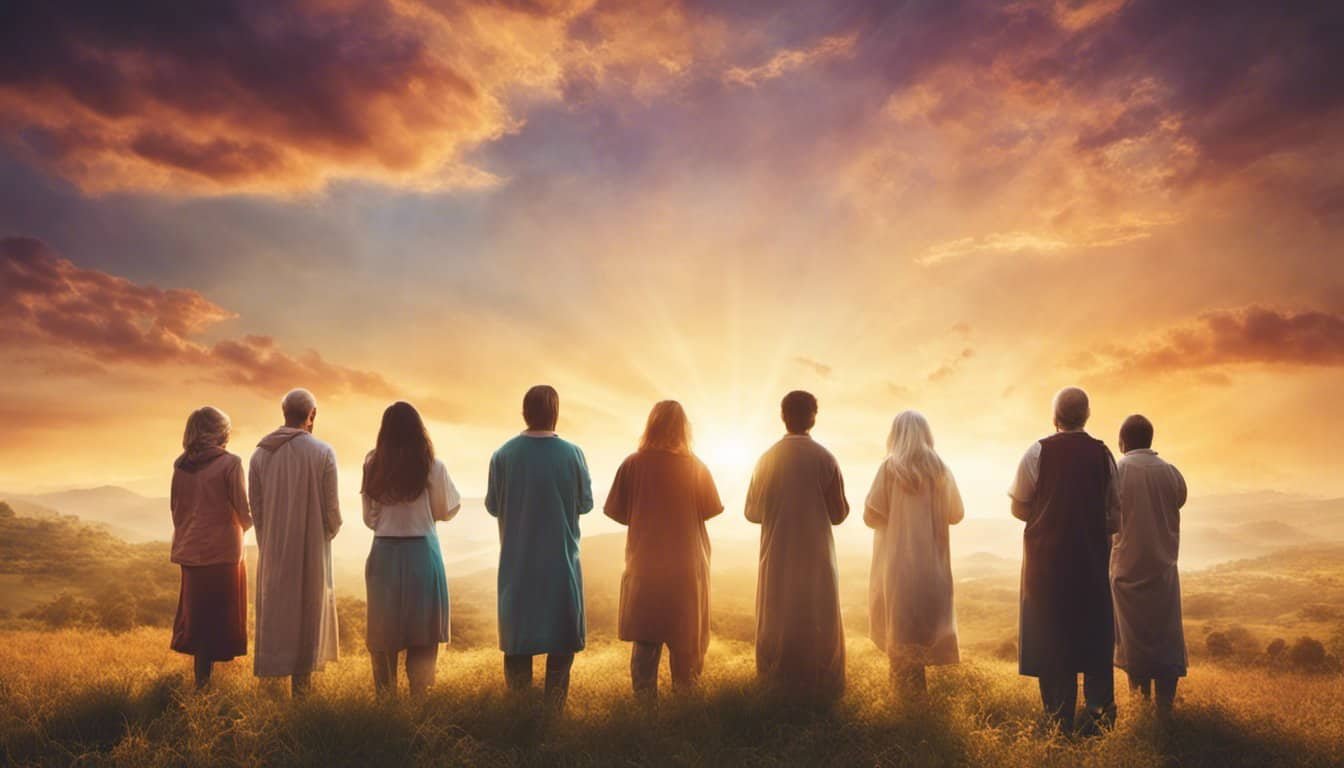
In communities where holiness is valued, relationships flourish. Holiness encourages individuals to pursue grace and love, creating an atmosphere of support and understanding.
When believers gather, they inspire each other to live according to God’s purpose. This shared commitment fosters deeper connections through accountability and encouragement.
Moreover, such relationships often lead to transformational experiences. As people practice holiness together, they learn the importance of kindness, forgiveness, and compassion, making their fellowship stronger.
Mentoring and Discipleship
Holiness plays a crucial role in mentoring and discipleship. A mentor who embodies holy living inspires others to pursue similar paths. They model how to honor God in daily life.
Disciples learn not just through teaching but also through example. When they see holiness in action, it prompts them to grow spiritually.
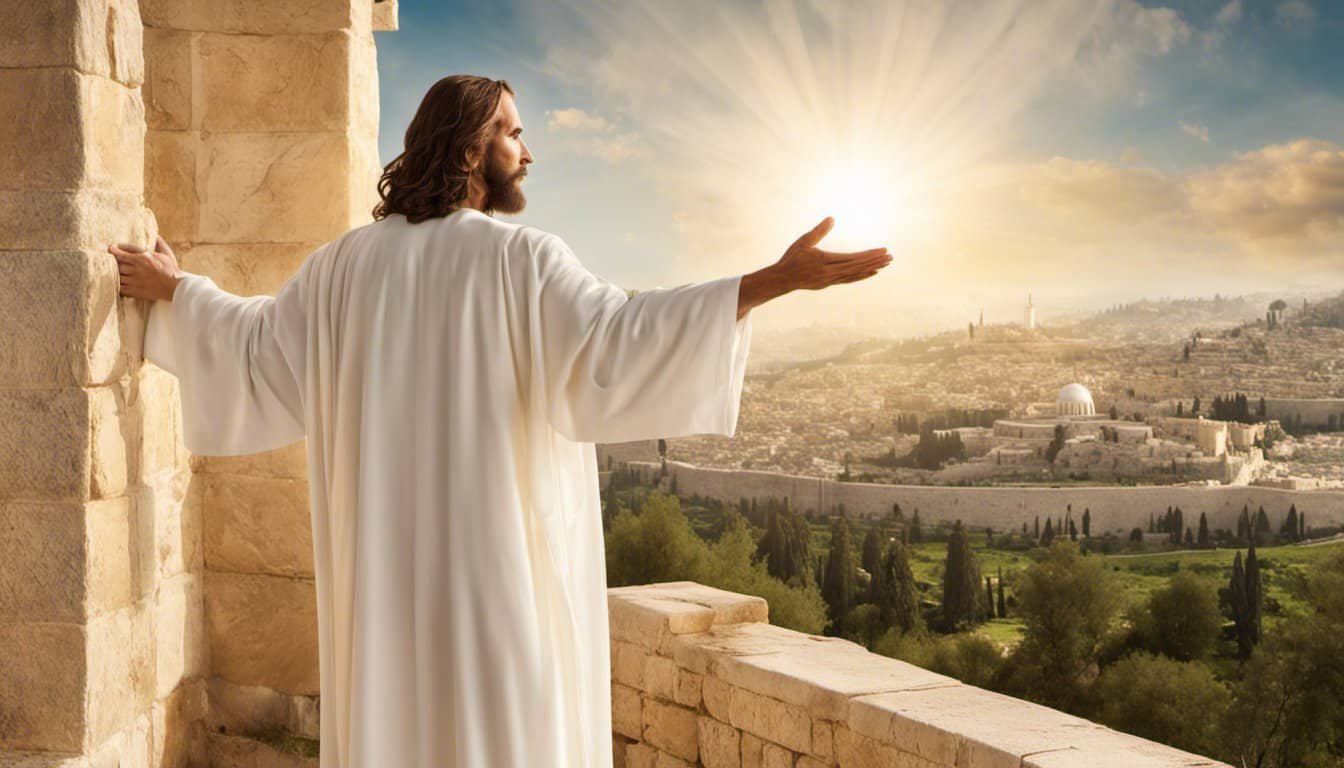
This process builds trust and respect. Mentors guide their disciples in understanding biblical principles, helping them to develop character and integrity.
The Church as a Holy Temple
The church serves as a holy temple, uniting believers in a sacred space. This concept emphasizes the importance of purity and commitment to God.
As members come together, they create an environment that reflects God’s glory. The church becomes a place of worship, where individuals support one another in their spiritual journeys.
Holiness within the church encourages collective growth. It reminds believers of their purpose and fosters a sense of belonging, helping everyone to pursue a life that honors God.
Challenges and Controversies


Christian holiness has faced various challenges and controversies throughout history. These issues often arise from differing interpretations and practices related to what it means to be “set apart” for God’s purposes. This section explores historical views, modern misunderstandings, and the conflict between holiness and legalism.
Historical Views of Holiness
Historically, holiness has been interpreted in different ways among various religious groups. In the Old Testament, prophets emphasized living in a way that reflected God’s character. People were called to be sacred, following strict guidelines.
The Pharisees were known for their focus on ritual purity and adherence to the law. They believed that holiness was achieved through following rules. This led to debates about what true righteousness looks like. Some argued that becoming holy was about more than just observing the law; it was about the heart’s condition.
Modern Misunderstandings
In today’s context, many misunderstand holiness due to a lack of clear teaching. Some view holiness as merely a list of dos and don’ts. This perception can lead to confusion about its true meaning and importance.
Other misunderstandings come from the idea that holiness isolates a person from the world. Many believe that being holy means staying away from sin rather than actively seeking to reflect God’s love. This misconception can lead to feelings of guilt or inadequacy among Christians who strive for holiness in their daily lives.
Holiness and Legalism

The relationship between holiness and legalism is a significant point of contention. Legalism emphasizes strict adherence to laws and rituals, often causing people to feel burdened by rules. This approach contrasts with the biblical understanding of holiness, which is about a heart dedicated to God.
Many Christians struggle with the tension between being holy and being legalistic. They may feel pressured to follow specific guidelines to prove their faith. It’s essential to recognize that holiness should stem from love for God rather than mere obligation. Emphasizing grace over legalism can help individuals find true freedom in their pursuit of holiness.
Holiness in Worship and Devotion
Worship and devotion play key roles in expressing holiness. They help individuals connect to God while honoring Him through acts of kindness, humility, and sacrifices. These practices reflect a heart dedicated to God’s purposes.
Worship as a Reflection of Holiness
Worship allows people to honor God in a personal way. It involves setting aside time to praise and glorify Him. When worship is sincere, it reflects the holiness of God. This means acknowledging His grace and mercy.

Different forms of worship can include singing, prayer, and communal gatherings. These acts require humility and a focus on God rather than oneself. When worshippers come together, they have the chance to uplift each other. This creates an environment where holiness can thrive.
Devotional Practices and Holiness
Devotional practices enrich spiritual growth. These may include reading scripture, meditation, or journaling. Each practice encourages deeper understanding and connection with God.
By engaging in these activities, individuals seek to embody qualities like kindness and compassion. They strive to live out God’s commands in their daily lives. Regular devotion can lead to a heart that values his grace and mercy. This consistent focus on holiness transforms actions and attitudes, bringing people closer to their purpose in God.
The End Goal of Holiness
The end goal of holiness is not just about being set apart; it is a journey toward becoming more like God. This journey involves a process of redemption and sanctification, leading believers to a life that reflects God’s goodness and righteousness.
Final Redemption and Future Hope
Final redemption refers to the complete restoration of believers when Christ returns. This hope assures them that they will be transformed and made blameless. The Apostle Paul emphasizes this in Romans 8:30, stating that those He predestined, He also called, justified, and glorified.
Receiving final redemption means escaping the bondage of sin. It is the assurance that they will enjoy eternity in God’s presence, where all wrongs are made right. Therefore, this hope encourages believers to pursue holiness actively, knowing their future is secure in God’s plan.
Being Holy as God Is Holy
Being holy as God is holy is a call to reflect His nature in daily life. This involves living in a way that demonstrates righteousness and goodness.
In 1 Peter 1:16, the scripture states, “Be holy, for I am holy,” guiding believers to embody this divine standard.
This call to holiness leads to sanctification, the ongoing process of growth in Christ. As they seek to live according to God’s ways, they become more aligned with His character.
This process encourages the pursuit of a life that is blameless and good, setting them apart for God’s purposes.
