Acts 15 marks a significant chapter in the early Christian church where leaders convened in Jerusalem to tackle crucial issues. This council exemplifies how unity can flourish amidst diverse perspectives.
Faced with differing opinions on essential practices, the council aimed to find a balanced approach that respected various traditions while maintaining cohesion. Their collaborative efforts laid the foundation for a community rooted in mutual understanding and shared values.
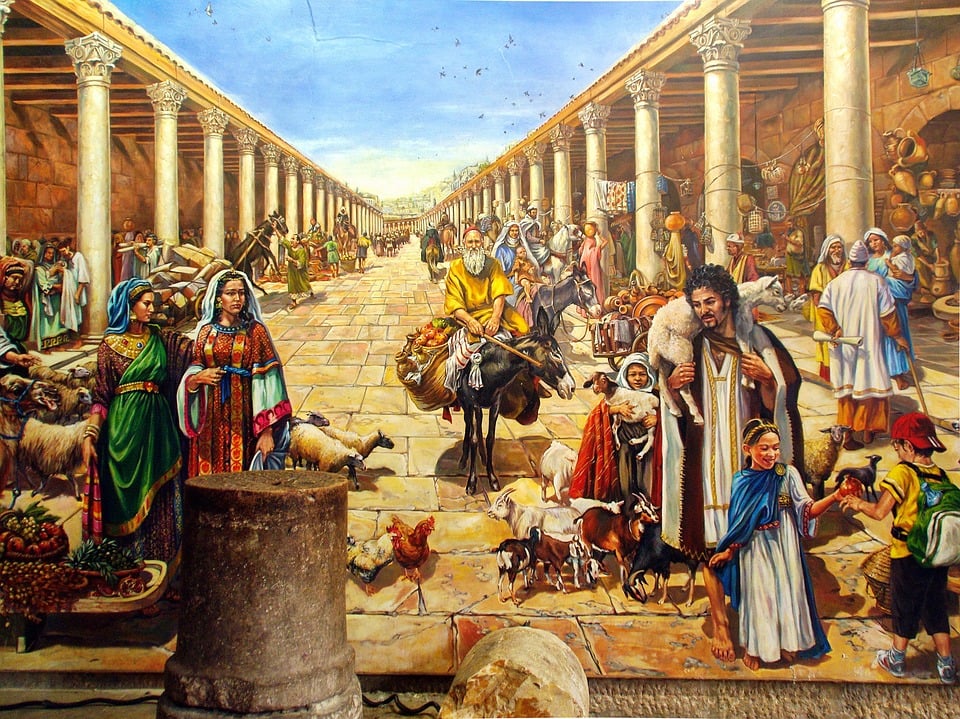
Today, the Council at Jerusalem serves as a timeless example of how embracing diversity can lead to stronger and more unified groups. It encourages us to seek common ground and celebrate our differences with open hearts.
Context Of The Council At Jerusalem
The Council at Jerusalem was a pivotal moment in the early Christian church. It addressed key issues that impacted the unity and growth of the community.
Historical Background

In the first century, the early Christian church faced significant challenges as it expanded beyond Jewish communities. Diverse cultural practices and beliefs created tensions among believers. Leaders sought to establish guidelines that would maintain unity while respecting different traditions. According to historical records, the council convened to discuss whether Gentile converts needed to follow Jewish law, particularly circumcision. This decision was crucial for defining the identity and inclusivity of the Christian faith.
Setting The Stage In Acts 15
Acts 15 records the events leading up to the Jerusalem Council. Disagreements arose when certain members taught that Gentile Christians must adhere to the Mosaic Law. To resolve this, apostles and elders gathered to deliberate. They considered testimonies and scriptural interpretations to reach a consensus. The council’s resolution emphasized faith in Jesus Christ over strict adherence to the law, promoting a more inclusive approach. This decision helped to unify the church and facilitated its expansion across different regions.
Key Figures Involved
Several leaders played crucial roles in the Jerusalem council, each bringing unique perspectives to the discussions.
Apostle Paul
Paul led the mission to Gentile communities, advocating for their inclusion without strict adherence to Jewish law. He presented his experiences and teachings, emphasizing salvation through faith in Christ alone. Paul’s arguments were pivotal in shifting the council’s stance towards a more inclusive approach.
Barnabas
Barnabas supported Paul’s mission and served as a mediator during the council. He shared testimonies of Gentile believers embracing the faith, highlighting the positive impact of their inclusion. Barnabas’s encouragement helped bridge gaps between different factions within the council.
Leaders Of The Jerusalem Church
The Jerusalem church leaders, including James, Peter, and John, guided the council with their deep understanding of Jewish traditions and Christian teachings. They carefully considered the implications of their decisions, ensuring that the church maintained its core values while embracing diversity. Their leadership was essential in achieving a consensus that promoted unity among believers.


Main Issues Discussed
The Jerusalem council focused on pivotal matters that influenced the unity and growth of the early Christian church.
Circumcision And The Law
Debate arose over whether Gentile believers must undergo circumcision to adhere to the Mosaic Law. Some leaders insisted it was necessary for maintaining Jewish identity, while Paul argued that salvation comes through faith in Christ alone. After thorough discussion, the council decided that Gentiles are not required to be circumcised. Instead, they should abstain from practices explicitly prohibited by the Law, such as idolatry and sexual immorality. This resolution emphasized faith over ritual, reducing barriers for Gentile inclusion and promoting a unified church.
Inclusion Of Gentiles
Integrating Gentile converts posed challenges regarding cultural and religious differences. The council addressed how to incorporate Gentiles without imposing Jewish customs. They agreed that Gentiles should not follow all aspects of the Mosaic Law but should observe specific guidelines to maintain harmony. These included abstaining from consuming food sacrificed to idols, blood, and meat of strangled animals. By setting these boundaries, the council ensured that Gentile believers could join the church without compromising their distinct cultural backgrounds. This approach fostered diversity while maintaining core Christian principles, enabling the church to expand effectively across various regions.
Decisions And Outcomes
The Jerusalem council reached pivotal decisions that shaped the future of the early Christian church. Leaders agreed that Gentile believers were not required to follow the full Mosaic Law. Instead, they set specific guidelines to ensure unity and respect among diverse members.
Key Decisions
- Circumcision Not Mandatory

Gentiles did not need to undergo circumcision to be part of the Christian community. This decision removed a significant cultural barrier, allowing more inclusive growth.




- Abstaining from Certain Practices
The council outlined four primary restrictions for Gentile believers:
- Idolatry: Avoid participating in idol worship.
- Sexual Immorality: Maintain moral purity.
- Consuming Blood: Refrain from eating blood.
- Eating Meat of Strangled Animals: Abstain from this specific dietary practice.
Outcomes of the Decisions
- Enhanced Unity
By removing the necessity of circumcision, the church became more accessible to Gentiles, fostering greater unity among diverse believers.
- Maintained Social Harmony
The agreed-upon restrictions helped prevent cultural conflicts, ensuring that Gentile practices did not offend Jewish members.
- Facilitated Church Expansion
The inclusive approach allowed Christianity to spread more rapidly across different regions, unburdened by strict adherence to Jewish laws.
Implementation of the Decisions
A letter outlining these decisions was drafted and sent to various churches. This communication ensured that the resolution was consistently applied, promoting a unified stance across the growing Christian community.
| Decision | Description |
|---|---|
| Circumcision Not Required | Gentiles need not be circumcised to join the faith |
| Abstain from Idolatry | Avoid participation in idol-related practices |
| Maintain Sexual Purity | Uphold moral standards in personal conduct |
| Refrain from Blood Consumption | Do not consume blood in meals |
| Avoid Meat of Strangled Animals | Do not eat meat from animals not properly slaughtered |
These strategic decisions not only resolved immediate conflicts but also set a foundation for a diverse yet unified church, capable of embracing believers from varied backgrounds.
Significance For Unity In Diversity
The Jerusalem council’s decisions in Acts 15 played a crucial role in fostering unity within the early Christian church despite its diverse membership. By addressing the inclusion of Gentile believers without imposing the full Mosaic Law, the council created a framework that respected different cultural backgrounds while maintaining core Christian beliefs. This approach minimized conflicts and promoted a sense of belonging among all members.
One key aspect was the establishment of clear guidelines that allowed for diversity without compromising the church’s unity. Gentile Christians were instructed to abstain from practices that were particularly offensive to Jewish believers, such as idolatry and certain dietary restrictions. These specific guidelines provided common ground, enabling believers from various backgrounds to coexist harmoniously.
Moreover, the council’s emphasis on faith in Jesus Christ as the foundation for salvation rather than adherence to ritualistic laws shifted the focus towards shared beliefs and values. This shift not only unified the existing members but also made the church more accessible to new converts from different regions and cultures. By prioritizing mutual understanding and respect, the council set a precedent for embracing diversity as a strength rather than a source of division.

The decisions made at the Jerusalem council have lasting implications for modern communities. They highlight the importance of finding balance between respecting individual differences and maintaining collective harmony. This model of unity in diversity continues to inspire organizations and groups seeking to integrate diverse perspectives while fostering a cohesive and inclusive environment.
Conclusion
The Jerusalem council stands as a testament to the strength found in embracing diversity. By prioritizing common ground and mutual respect they paved the way for a unified and expanding community.
This approach shows that differences need not divide us but can enrich our collective journey. Embracing each other’s unique backgrounds fosters a supportive and resilient group. The legacy of Acts 15 encourages modern communities to seek harmony through understanding and cooperation. Unity in diversity remains a powerful principle for building inclusive and thriving environments today.