
Christian education plays a crucial role in shaping children’s faith by providing a supportive environment for growth. Nurturing faith in children involves using diverse methods that engage their hearts and minds, leading to meaningful spiritual development.
From classrooms that emphasize character building to families that foster open discussions about faith, each aspect contributes to a child’s understanding of their beliefs.

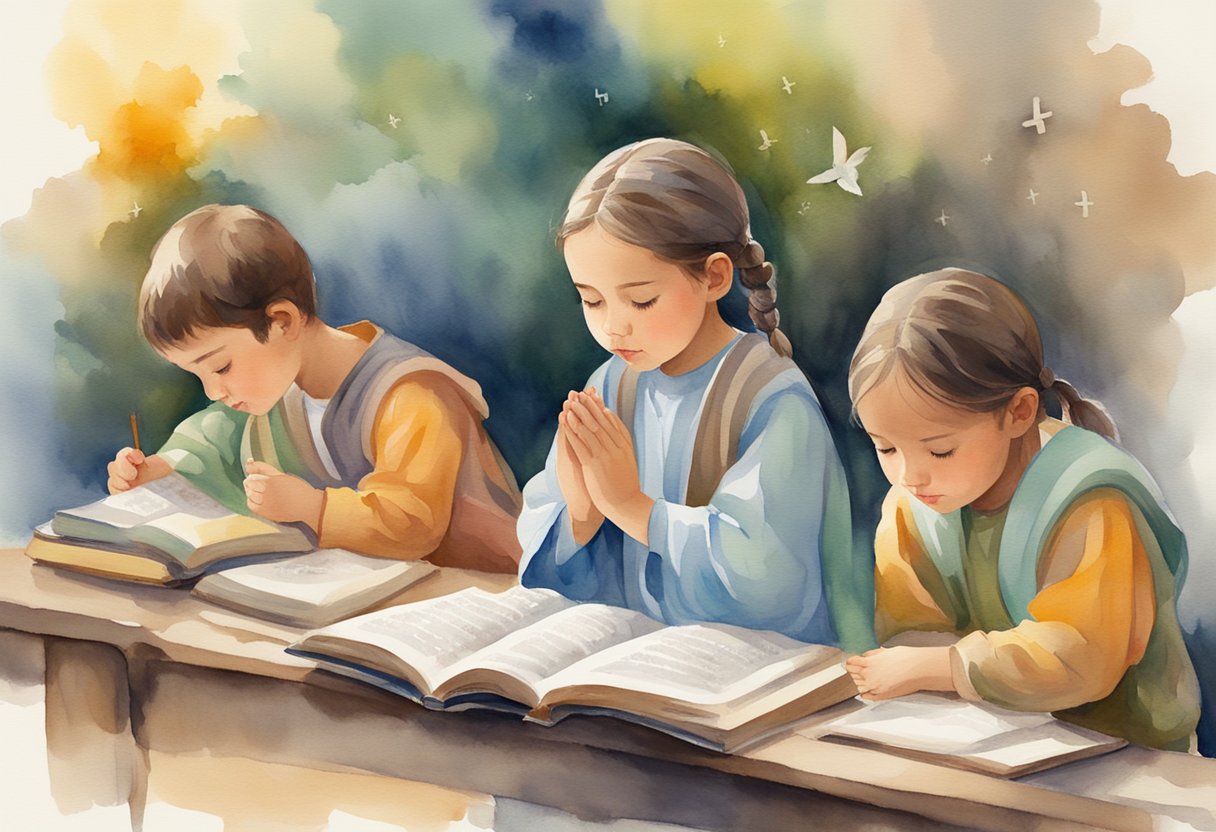
Various strategies are used to teach children about Christian values and principles. These methods not only enhance knowledge but also encourage children to apply their faith in everyday situations.

By creating settings where faith is integrated into learning, kids can grow spiritually while developing strong moral characters.
Parents and educators must work together to nurture this journey of faith. When families are involved, children feel more supported and encouraged to explore their beliefs openly. This partnership between home and church creates a strong foundation for their future understanding and practice of faith.
Key Takeaways
- Engaging classrooms support children’s spiritual development.
- Family involvement strengthens a child’s faith journey.
- Diverse teaching methods enhance children’s understanding of Christian values.
Understanding Christian Education
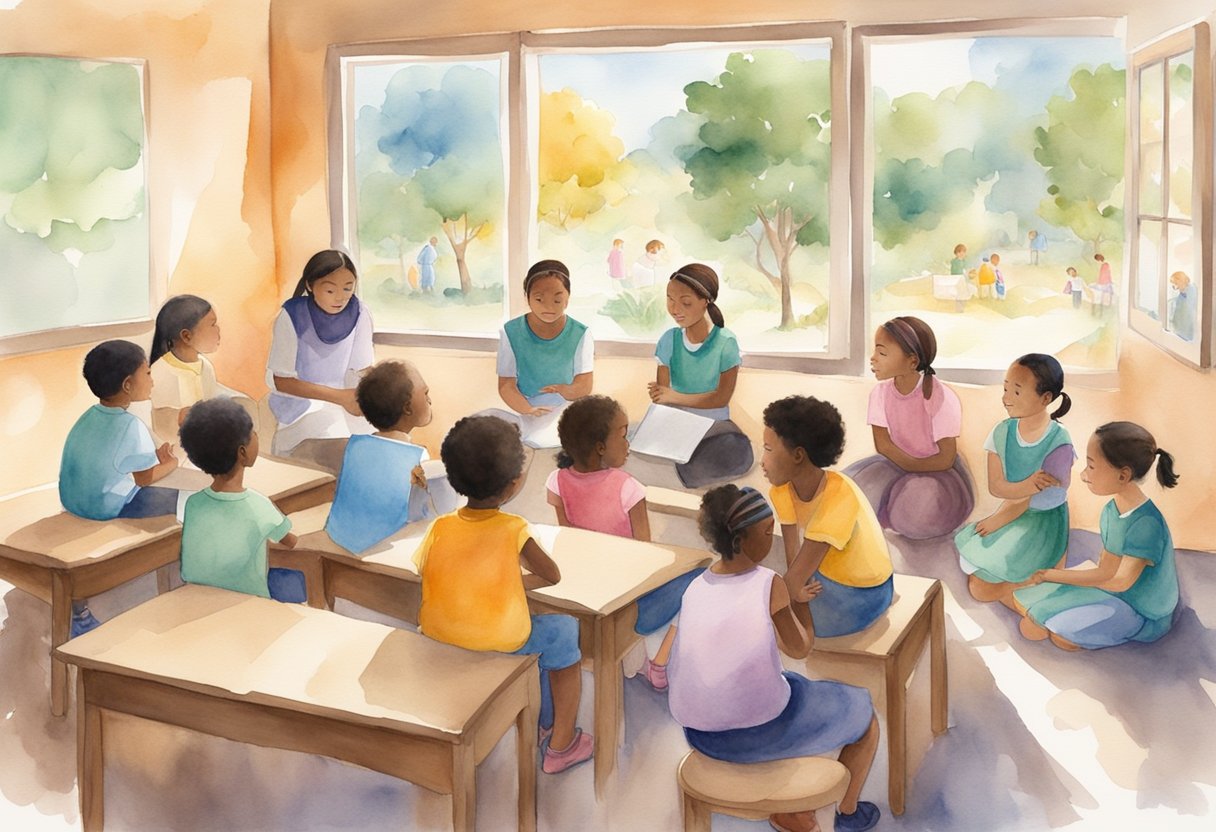
Christian education focuses on developing a child’s faith and character through a curriculum rooted in Christian values. It aims to integrate spirituality into learning, shaping how children view the world around them.
Defining Christian Education
Christian education is an approach to learning that centers on the teachings of Christianity. It combines academic subjects with spiritual growth, encouraging students to explore their faith while gaining knowledge.
In this setting, lessons are designed to reflect Christian values such as love, kindness, and integrity. Educators often weave biblical principles into various subjects, making faith a central part of the learning experience.


Importance of Spiritual Formation
Spiritual formation is vital in Christian education. It helps children build a strong foundation in their faith, encouraging them to develop a personal relationship with God.
Through various practices like prayer, worship, and scripture study, students grow in their understanding of Christian beliefs. This growth impacts their daily lives, promoting a sense of purpose and moral clarity.
Moreover, spiritual formation fosters resilience, helping children navigate challenges while staying true to their values.
The Role of the Christian Worldview
The Christian worldview shapes how students interpret their experiences and the world around them. It provides a framework for understanding life’s meaning and ethical choices.

In a Christian education setting, students learn to view events through a biblical lens. This perspective encourages them to ask questions about morality, purpose, and their role in the community.




By embedding this worldview into their education, students learn to apply Christian values in real-life situations. They are taught to act with compassion and integrity, reflecting their faith in all aspects of life.
In essence, the Christian worldview serves as a guide for students, influencing their thoughts, actions, and interactions with others.
Christian Education Environments
Christian education is enriched by various environments that foster faith development. Each setting offers unique opportunities for children to grow spiritually and academically.
Sunday School Impact
Sunday School plays a vital role in nurturing faith among children. It provides a safe and welcoming space for them to explore Biblical teachings.
Classes are often organized by age, allowing teachers to tailor lessons that engage kids effectively. Through storytelling, interactive activities, and crafts, children grasp important values such as love, kindness, and forgiveness.
The community aspect of Sunday School strengthens friendships among peers. This environment encourages children to participate in group discussions and helps them feel connected to their faith. They learn to share their beliefs and experience a sense of belonging.
Christian Schools and Academic Excellence
Christian schools blend academic rigor with spiritual education. They offer a comprehensive curriculum that includes core subjects along with Bible studies.
Qualified teachers integrate faith into everyday lessons, helping students apply Christian principles to real-world situations. This method promotes critical thinking and character building, developing well-rounded individuals.

Many Christian schools emphasize service to others, motivating students to engage with their communities. Extracurricular activities, such as sports and arts, also encourage teamwork and personal growth. Parents often appreciate the strong values and academic standards in Christian schools, creating a holistic environment for their children’s education.
The Value of Vacation Bible School
Vacation Bible School (VBS) offers a unique summer experience for kids. This program typically runs for one week and is designed to teach children about the Bible in a fun and engaging way.
Activities include songs, crafts, games, and storytelling that all relate to the daily themes. These activities not only deepen understanding of faith but also foster creativity and teamwork.
VBS provides an opportunity for children to meet others outside their regular church groups. This broadens their social circles and builds a sense of community. Often, children look forward to this lively program, making it an essential part of Christian education in the summer months.
Strategies in Christian Education

Effective strategies in Christian education help nurture faith and build strong foundations for children. By using thoughtful techniques, educators can enhance faith formation, bring Biblical stories to life, and create a holistic approach to learning that encompasses the spiritual, emotional, and academic growth of children.
Faith Formation Techniques
To nurture faith in children, various faith formation techniques can be employed. These techniques often include prayer, reflection, and hands-on service.
Regular prayer helps children connect with God and develop personal relationships. Engaging children in service projects fosters compassion and community involvement. Drawing upon discussions about faith can also encourage critical thinking.
Simple activities such as journaling or sharing personal experiences about faith can help children articulate their beliefs.
Incorporating interactive elements like games or role-playing can make faith more relatable. Through these activities, children understand the importance of faith in their daily lives and how it shapes their actions.
Incorporating Biblical Stories

Biblical stories play a crucial role in Christian education. They teach important morals and values.
Educators can make these stories engaging through creative storytelling techniques.
Utilizing visuals like illustrations or multimedia can captivate children’s attention. Reenacting stories in a playful way allows children to experience these lessons firsthand.
Discussion sessions after storytelling can help children express their thoughts and questions. This approach fosters critical thinking and helps them apply lessons from the stories to their lives.
Moreover, relating these stories to contemporary issues can make them more relevant. Children will find deeper meaning when they can connect biblical lessons to their everyday experiences.
Creating a Holistic Approach

A holistic approach in Christian education considers the overall well-being of children. This strategy integrates spiritual teachings with emotional and academic growth.
Activities that focus on social and emotional learning can strengthen children’s faith. Group discussions, collaborative projects, and peer mentorship create a supportive environment.
Additionally, incorporating arts and music allows for deeper expression of faith. These creative outlets can provide children with unique ways to connect with their beliefs.
Creating a safe, inclusive atmosphere encourages open dialogue about faith. This approach fosters growth in mind, body, and spirit, helping children develop well-rounded Christian lives.
Character Development through Christian Education

Christian education plays a vital role in shaping the character of children. It emphasizes the importance of virtues like forgiveness and compassion. By focusing on discipleship and instilling core Christian values, educators help children grow into compassionate and caring individuals.
Teaching Forgiveness and Compassion
Teaching forgiveness is an essential part of character development. In Christian education, children learn that holding onto anger can hurt them and others. They are encouraged to forgive others, just as they seek forgiveness themselves.
Compassion is also a key focus. Students learn to empathize with others, understanding their feelings and struggles.
Activities like role-playing and community service help students practice these values. Recognizing the struggles of others fosters a sense of unity and love among peers.
Cultivating Discipleship and Christian Values
Discipleship forms the foundation of Christian education. Children are taught to follow the teachings of Jesus and reflect on how these values apply to their daily lives.

This process helps them develop a strong sense of identity in their faith.
Core Christian values, such as honesty, respect, and kindness, are highlighted in lessons. Students discuss real-life scenarios and learn how to apply these values in practical situations.
Engaging in discussions and reflections nurtures their growth, ensuring they become positive members of their communities.
Role of the Family in Faith Nurturing
Families play a vital role in shaping children’s faith and values. By providing support to parents and fostering strong relationships, families can create an environment that nurtures children’s spiritual growth.
Supporting Parents in Christian Education

Parents are the first teachers of their children’s faith. They set the tone for how faith is viewed and practiced at home.
Providing resources for parents can help them guide their children effectively.
Churches can offer workshops and materials to help parents incorporate faith into daily life. This can include Bible study guides, prayer resources, or activities that encourage family discussions about faith.
Parents who engage in conversations about faith can strengthen their child’s relationship with God. It is important for parents to model their own faith through prayer and scripture reading. This creates a living example for children to follow.
Fostering a Relational Faith
Faith is built through relationships. Families should aim to create a warm, inviting atmosphere where discussions about God feel natural and normal.

Regular family prayers and sharing personal faith stories can enhance this bond.
Participating in community activities together can also help. Engaging in service projects or attending church events encourages kids to see faith in action.
When children feel connected to their family and their faith community, they are more likely to develop a strong relationship with God.
This relational approach helps children understand that faith is not just rules, but a personal journey. Building these connections makes faith a central part of their lives.
The Future of Christian Education
Christian education is evolving to meet the needs of future generations. This change focuses on nurturing spiritual growth and integrating a biblical worldview into teaching methods.
Preparing Future Generations
Preparing future generations involves creating environments where children can thrive spiritually.
Christian education aims to build strong foundations based on faith, teaching children about the Bible and its relevance to life.
Teachers play a vital role in this process. They are encouraged to use interactive methods to engage students.
This may include group discussions, hands-on projects, and digital resources.
These strategies help children connect biblical teachings to their everyday lives. They learn to see the world through a biblical lens.
This approach not only enhances spiritual growth but also encourages critical thinking.
Adapting to Cultural Changes
Christian education must adapt to the changing cultural landscape. As society evolves, so do the challenges that children face.
Addressing these changes is essential for effective teaching.
Educators should incorporate contemporary issues into discussions. Topics such as social justice, mental health, and technology should be viewed through a biblical worldview.
This helps students navigate modern life while remaining grounded in their faith.
Furthermore, integrating diverse perspectives can enrich learning. Engaging with different cultures and beliefs promotes understanding and compassion.
This approach prepares students to be effective and loving members of their communities.
