
The Christian approach to race and ethnicity emphasizes a profound unity found in Christ, which transcends all differences.
Believers are called to rise above racial and ethnic divisions, recognizing that all human beings are created in God’s image.

This article explores how biblical teachings promote harmony and diversity while challenging harmful prejudices.


In a world often marked by division, Christians are encouraged to embrace the richness of various cultures and backgrounds.
By looking at the life and teachings of Jesus, and the messages found in the Pauline Epistles, one can see a clear call for unity in Christ.
This journey towards understanding and reconciliation is not only essential for individual growth but also vital for the health of the Christian community.
As modern believers strive for a more inclusive church, there are practical ways to foster racial harmony.
Together, they can work towards creating a space that reflects God’s diverse kingdom, embodying love and acceptance for all.
Key Takeaways
- Unity in Christ calls believers to embrace diversity in race and ethnicity.
- Christians are encouraged to challenge racial prejudices actively.
- Practical steps exist for fostering racial harmony within the church community.
Biblical Foundation of Unity and Diversity


In the Bible, the concepts of unity and diversity are grounded in key themes. These ideas begin with the creation of humanity and further develop through various events like the Tower of Babel.
Understanding these foundational elements helps to appreciate the beauty of ethnic diversity within a unified human race.
Creation: Human Beings in the Image of God
The Bible states that God created humans in His image. This important concept emphasizes that all people are valuable and worthy of respect. It forms the basis for unity among different races and ethnicities.
Genesis 1:27 explains this, saying, “God created mankind in his own image; in the image of God, he created them; male and female he created them.” This verse shows that every individual, regardless of background, reflects God’s qualities.

The idea of the “image of God” leads to a united community of believers. This diversity enriches the body of Christ, allowing for unique contributions from every culture. Every person brings special strengths and talents, highlighting the richness of God’s creation.





The Tower of Babel and the Origin of Nations
In Genesis 11, the story of the Tower of Babel illustrates the origin of different nations. The people wanted to build a tower to reach the heavens. God, seeing their pride and ambition, confused their language. This change caused chaos, leading to the scattering of people across the earth.
This event shows how unity can be disrupted by human pride. Yet, it also highlights the diversity God intended for humanity. Different languages and cultures emerged, contributing to a rich tapestry of human experience.
Despite this division, God’s plan remains focused on unity. Through Christ, people from all nations can come together again. They find common ground in their shared faith, overcoming ethnic barriers. Thus, the biblical narrative reinforces that diversity honors God’s design for humanity while inviting everyone into a unified family of believers.
The Life and Teachings of Jesus on Race Relations
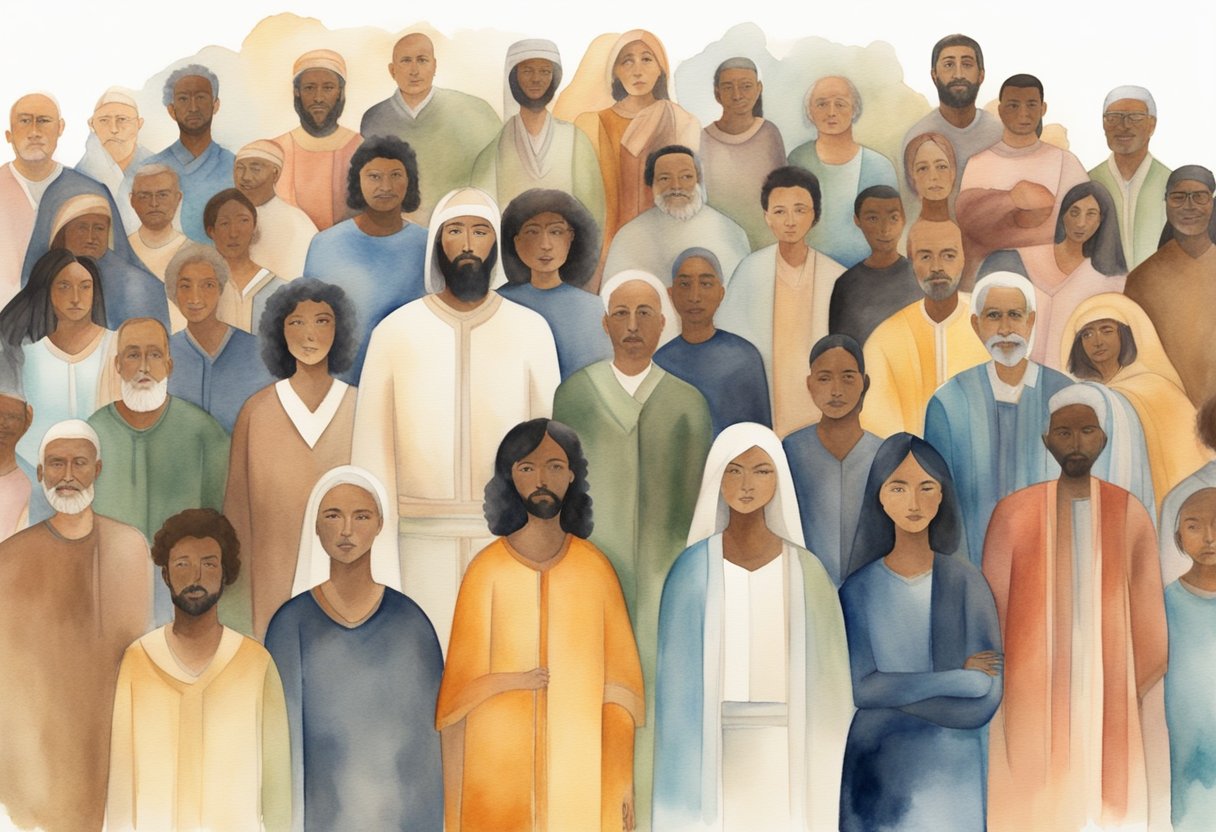
Jesus taught principles of love and compassion that broke down ethnic and cultural barriers. His life and teachings reflect a focus on unity, encouraging harmony among diverse groups.
Compassionate Inclusivity Demonstrated by Jesus
Throughout his ministry, Jesus showed deep compassion for all people, regardless of their background. He reached out to those who were marginalized, including Samaritans and Gentiles.
For example, in the story of the Good Samaritan, Jesus illustrated that love and kindness should extend beyond cultural divisions. By using a Samaritan as the hero of the story, he challenged existing prejudices and emphasized the importance of helping others, regardless of their ethnicity.
Jesus also associated with tax collectors and sinners, demonstrating that everyone deserves compassion and acceptance. His actions urged followers to embrace others with love, promoting a sense of community among different races.
Parables and Teachings Reflecting Racial Inclusivity
Jesus often used parables to convey deeper truths about acceptance and unity. In his teachings, he highlighted the idea that all people are equal in God’s eyes.

In the Parable of the Lost Sheep, he expressed the importance of caring for everyone, not just the chosen few. This teaches that every individual, regardless of race or background, matters greatly.
Additionally, Jesus’s Sermon on the Mount emphasized love for one’s enemies, showing that true compassion involves crossing boundaries and building bridges. He exemplified racial harmony by inviting diverse followers to join him, reinforcing a message that transcends cultural differences.
Through these teachings, Jesus encouraged people to foster unity and understanding, ultimately promoting a world where love triumphs over division.
Pauline Epistles and the Early Christian Community
The Pauline Epistles play a significant role in shaping the early Christian community‘s understanding of race and ethnicity. Paul’s teachings emphasized unity and diversity within the body of Christ, promoting a message that transcended cultural boundaries.
Galatians and the Truth of the Gospel

In the letter to the Galatians, Paul addresses the conflict between Jewish and Gentile believers. He strongly insists that faith in Christ is the true path to salvation and not adherence to the Mosaic Law.
Paul uses the phrase “there is neither Jew nor Gentile” to highlight that all believers are equal in Christ. This strong stance challenged the prevailing norms and promoted inclusion within the Christian faith.
By emphasizing that faith, rather than ethnicity, determines one’s identity in Christ, Paul laid a foundation for a diverse yet unified Christian community.
Unity in Diversity as Taught by Paul
Paul’s letters consistently champion the idea of unity among diverse groups. He teaches that different backgrounds enrich the Christian community rather than divide it.
For instance, in 1 Corinthians 12, he compares the church to a body composed of many parts. Each part has its unique function, yet all work together for a common purpose. This metaphor underscores the importance of diversity in expressing faith and fulfilling God’s mission.

By acknowledging and celebrating differences, Paul showed that unity in Christ does not erase individuality but enhances the community’s strength.
Racial Equality in Early Church Practices
Early church practices reflected Paul’s teachings on racial equality. The inclusion of Gentiles into the Christian faith demonstrated a break from Jewish exclusivity.
Acts records various instances, such as Peter’s vision and the baptism of the Ethiopian eunuch, highlighting the church’s commitment to equality.
Additionally, communal meals served as a way to bridge cultural divides. Christians from different backgrounds shared food and fellowship, signifying acceptance and solidarity.
This practice not only reinforced Paul’s message but also helped create a stronger, more inclusive community reflecting Christ’s love for all.
Racism as Inconsistent with Christian Teaching
Racism directly contradicts the core beliefs of Christianity. It is viewed as a sin that damages relationships and creates division among people. The Christian ethic emphasizes love, unity, and humility, which stand in stark contrast to any form of discrimination based on race or ethnicity.
The Sin of Racism Contrasting with the Christian Ethic
Racism is rooted in a belief that one race is superior to another, which is inherently sinful. Jesus taught love and acceptance for all.
In the Bible, all individuals are equal in the eyes of God, regardless of their ethnicity.
This belief is clear in Galatians 3:28, which emphasizes that in Christ, there is no division between races. Holding onto racist beliefs undermines the Christian call to love one’s neighbor.
It also fosters division instead of unity.
Repentance and the Christian Response to Racial Sin
For Christians, acknowledging racism involves humility and confession. Individuals must recognize that harboring racist thoughts is contrary to their faith.
True conversion requires a change of heart. This means actively working to reject racist attitudes and behaviors.
Public repentance also plays a vital role in healing communities.
It is essential for believers to engage in conversations about race. They should also strive for racial justice in their communities.

By doing so, they can live out the teachings of Christ through love and unity.
Modern Christian Figures and Racial Justice
Christian leaders have played significant roles in promoting racial justice. Their actions and teachings reflect a deep commitment to unity and dignity for all people. Two key examples are Martin Luther King Jr. and contemporary voices advocating for racial harmony.
The Legacy of Martin Luther King Jr. in Racial Justice
Martin Luther King Jr. was a pivotal figure in the fight for civil rights. His approach combined the teachings of Jesus with nonviolent activism.
He emphasized that justice must reflect love and respect for all individuals.

King’s famous “I Have a Dream” speech highlighted his vision of a world where people would be judged by their character, not their skin color. His legacy continues to inspire modern movements against racial tension.
King’s actions remind Christians to stand up for dignity and equality.
Contemporary Christian Voices on Racial Unity
Today, many Christian leaders advocate for racial unity and justice. They emphasize that every individual is created in the image of God.
This belief drives them to challenge systemic racism in society.
Prominent figures include church leaders and activists who hold forums and discussions on these topics.

They create spaces that promote understanding and dialogue among diverse groups. Many focus on the importance of empathy, urging Christians to listen and learn from each other.
These modern voices build on King’s legacy, striving for a community where all people are treated with respect and dignity. Their efforts highlight the ongoing journey toward true racial equality in faith communities.
Practical Ways to Foster Racial Harmony in the Church
Creating racial harmony in a church setting involves building a supportive community and focusing on prayer and worship that celebrates diversity. These actions help to bring together different ethnic groups in a spirit of unity.
Developing a Multicultural Church Environment
To foster a multicultural environment, it’s essential to embrace and celebrate diversity. This can start by welcoming people from all ethnic backgrounds.
Church leaders can organize community events that highlight different cultures. Events like international potlucks or cultural festivals allow members to share their traditions.
Incorporating diverse perspectives during sermons and teachings also helps. This can include inviting guest speakers from various backgrounds or using examples from different cultures in messages.
Encouraging small groups that focus on specific ethnic experiences promotes understanding and respect among members. When everyone feels valued and included, it strengthens the community.
Prayer and Worship: Celebrating Diversity
Prayer and worship play a critical role in fostering harmony. Churches can create opportunities for prayer walks in diverse neighborhoods, uniting members in interceding for their community.
Incorporating different worship styles can also promote unity.
Blending music genres—such as gospel, hymns, and contemporary praise—invites participation from all ethnic groups.
During services, churches can introduce prayer times dedicated to specific cultural or community needs. This practice shows respect for various experiences and encourages empathy.
Finally, incorporating multiple languages in worship can make everyone feel welcome. Using translations in services brings inclusivity and reflects the church’s commitment to racial harmony.
Roles of the Holy Spirit and Grace in Racial Reconciliation
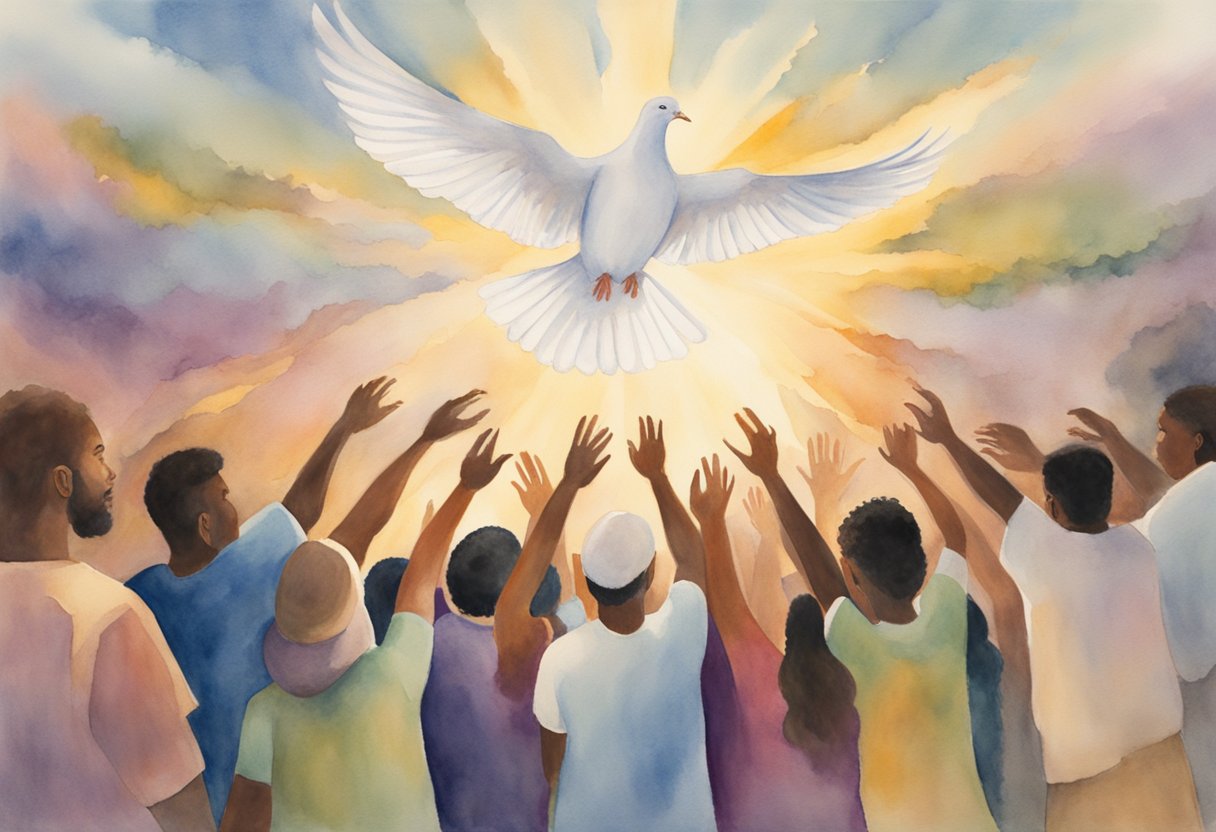
The Holy Spirit plays a vital role in promoting unity and reconciliation among people of different races and ethnicities. Grace is equally important, serving as the foundation for forgiveness and understanding within communities. Together, these elements help create a path toward unity in Christ.
The Work of the Holy Spirit in Unity and Reconciliation
The Holy Spirit actively works in the hearts and minds of individuals. This presence encourages people to seek understanding and build bridges across cultural divides.
Through conviction, the Holy Spirit helps individuals recognize their biases and the need for empathy. It opens their eyes to the experiences of others, fostering an environment where dialogue and healing can flourish.
In addition, the Holy Spirit unites believers. As they grow in their faith, they learn to appreciate one another’s differences. This unity is essential for true reconciliation, enabling a diverse community to reflect the love of Christ.
Grace as the Foundation for Forgiveness and Unity
Grace, as a gift from God, is central to forgiveness. It reminds individuals of their own imperfections and the need for compassion toward others. This understanding is crucial for racial reconciliation.
When people accept grace, they are more willing to forgive past hurts and seek unity. This process allows relationships to heal, regardless of the historical context.
Moreover, grace encourages a spirit of humility. It empowers individuals to listen actively and engage kindly with diverse perspectives. As a result, communities can work together toward a common goal, living out their faith in a way that honors all cultures.
Challenging Racial Prejudices and Embracing God’s Kingdom
The Christian faith calls for believers to confront racial prejudices and uphold justice, aligning with the teachings of the Kingdom of God. This involves taking responsibility and seeking peace and equity among all people.
Christian Responsibility to Combat Prejudices
Believers are called to challenge prejudices that create division.
Anger and slander can rise when discussing race. It’s crucial for Christians to cultivate wisdom and address these emotions with love.
The Bible encourages unity, reminding the faithful that all people are created in the image of God. When they choose to lie or harbor hate, they stray from this truth. Instead, Christians should strive to speak kindly and act justly.
Practicing empathy is vital. Engaging in open conversations about race helps reduce misunderstandings. It also empowers believers to confront their own biases and move toward healing.
Wise Pursuit of Peace and Equity
Embracing God’s Kingdom means promoting peace among diverse communities.
Christians should actively seek equity, ensuring everyone feels valued. This can involve volunteering, supporting local initiatives, or participating in discussions that address systemic issues.
The Kingdom of God is a place where love prevails over anger. It is essential to reject vices that lead to division. By fostering inclusive environments, Christians can better reflect God’s love.
Collaboration across different backgrounds can lead to meaningful change. Encouraging one another in faith strengthens the community and promotes a just society. Together, they can build a future where unity and diversity coexist, embodying the heart of God’s Kingdom.
The Eschatological Hope of Racial Unity
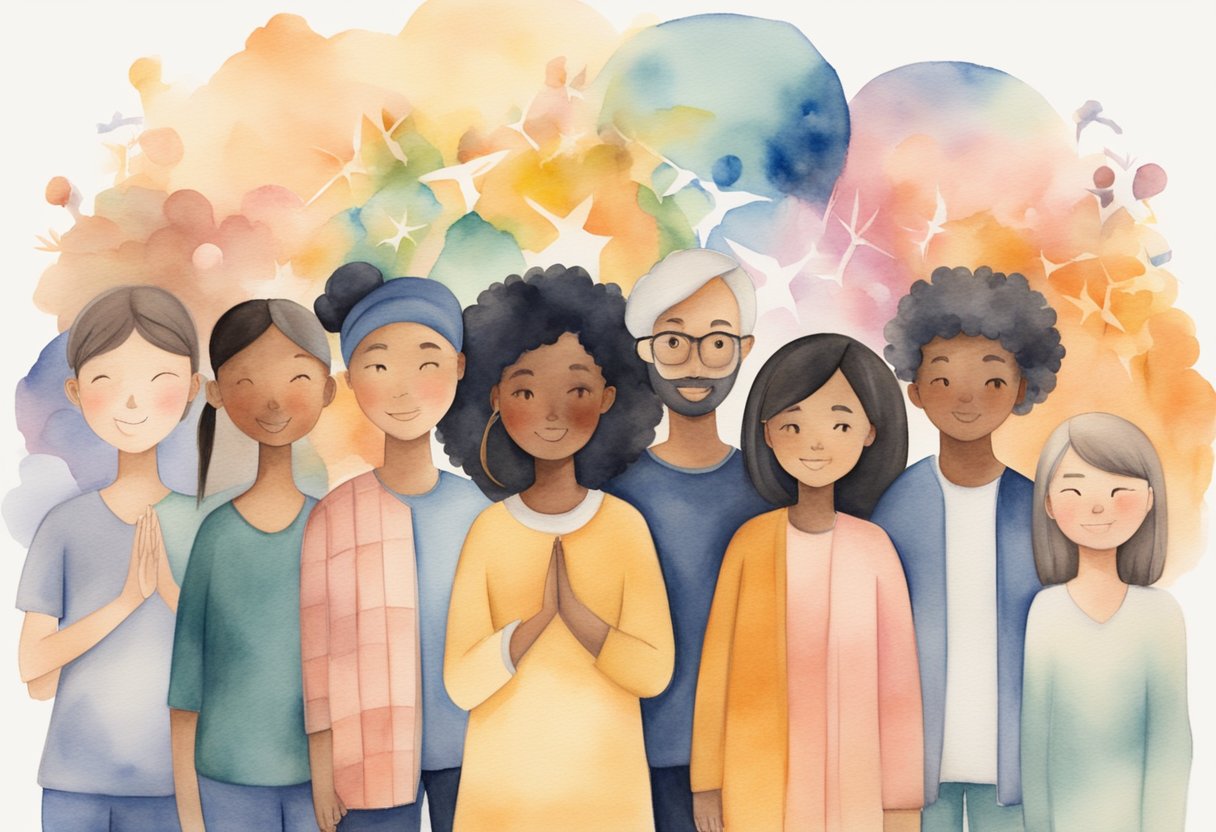
The hope for racial unity is deeply rooted in Christian eschatology. It points to a future where believers from every background come together in harmony. This unity is celebrated in the New Testament and reflects the ultimate restoration of creation.
Revelations of Racial Unity in the New Testament
The New Testament presents clear revelations of racial unity through the teachings of Christ and His apostles.
In Galatians 3:28, Paul emphasizes that in Christ, there is no distinction between Jew and Gentile. This statement breaks down barriers of ethnicity and race.
Additionally, in Revelation 7:9, John sees a great multitude from every nation, tribe, and language standing before the throne of God.
This vision illustrates the fullness of God’s kingdom, showcasing unity among all people. Together, they celebrate the gospel, which reconciles and restores relationships that sin has fractured.
The Ultimate Restoration of All Things
The concept of ultimate restoration is central to Christian hope. Scripture teaches that God will restore all things, including relationships between different races. This is evident in Acts 3:21. It states that Jesus is retained in heaven until the time comes for the restoration of all things.
The promise of racial unity aligns with the idea of reconciliation found in 2 Corinthians 5:18-19. Here, believers are called to participate in God’s work of restoring relationships. This includes embracing diversity as part of God’s design. This leads to a future where people celebrate their differences while living in unity.
