On the day of Pentecost, something extraordinary happened that changed everything. The early followers of Jesus were gathered together when a powerful wind filled the room, and tongues of fire appeared above their heads. This dramatic event marked the birth of the Christian Church.
Acts 2 vividly describes this moment of transformation. The Holy Spirit descended, giving believers the courage and unity they needed to spread their message far and wide. Suddenly, people from different backgrounds could understand each other, breaking down language barriers and building a diverse community.
Exploring The Day of Pentecost reveals how this single event sparked a movement that continues to inspire and shape the world today. It’s a story of hope, empowerment, and the incredible beginnings of a global faith.
Historical Background Of Pentecost
Pentecost, a pivotal event in Christian history, has deep roots in Jewish tradition and biblical prophecy. Understanding its historical context enhances the significance of the Church’s birth as described in Acts 2.
Jewish Festival Significance
Pentecost, known as Shavuot in Hebrew, occurs fifty days after Passover. It marks the conclusion of the barley harvest and the beginning of the wheat harvest in Israel. Originally an agricultural festival, Shavuot also commemorates the giving of the Torah at Mount Sinai. This dual significance made Pentecost a time of both celebration and spiritual reflection for the Jewish people.
Key aspects of Shavuot include:
- Agricultural Observance: Celebrates the end of the harvest season.
- Torah Commemoration: Remembers the revelation of God’s law to Moses.
- Rituals and Traditions: Includes the reading of the Ten Commandments and the offering of first fruits.
Understanding Shavuot provides insight into why the disciples chose this moment to receive the Holy Spirit, aligning their experience with Jewish expectations of divine fulfillment.
Prophecies Foretold
Pentecost fulfills several Old Testament prophecies regarding the outpouring of the Spirit. Notably, Joel 2:28-29 predicts that God will pour out His Spirit on all people, regardless of age, gender, or social status. This prophecy underscores the inclusive nature of the Holy Spirit’s arrival at Pentecost.
Key prophetic fulfillments include:
- Inclusivity of the Spirit: As prophesied, people from every nation heard the disciples speaking in their native languages (Joel 2:28-29).
- Empowerment for Witnessing: Acts 1:8 echoes the promise of power through the Holy Spirit to be witnesses.
- End-Time Assurance: The event at Pentecost signals the beginning of the last days, as indicated in biblical eschatology.
These prophecies highlight the anticipated global and transformative impact of the Holy Spirit, establishing Pentecost as the foundational moment for the Christian Church’s mission.


The Promise Of The Holy Spirit
Jesus’ Teachings On The Spirit
Jesus emphasized the importance of the Holy Spirit in His teachings. He described the Spirit as a Counselor who guides believers in truth. In John 14:26, Jesus stated, “But the Advocate, the Holy Spirit, whom the Father will send in my name, will teach you all things and will remind you of everything I have said to you.” This promise assured followers of continuous divine guidance. Additionally, Jesus explained that the Spirit would empower believers, providing strength to witness and live out their faith. By highlighting the Spirit’s role, Jesus prepared His disciples for the challenges ahead, ensuring they would not face them alone.
Fulfillment Of Prophecies
The outpouring of the Holy Spirit at Pentecost fulfilled several Old Testament prophecies. Joel 2:28-29 foretold, “And afterward, I will pour out my Spirit on all people.” This promise indicated a universal reach of the Spirit, breaking traditional barriers. Acts 2:17 records Peter citing this prophecy, affirming its fulfillment. The event demonstrated that the Spirit was no longer confined to specific groups but available to everyone. This inclusivity marked a significant shift, enabling diverse individuals to communicate and collaborate effectively. The fulfillment of these prophecies underscored the legitimacy of the early Church’s mission and its divine backing.
The Day Of Pentecost: Events Unfolded
On Pentecost, the early believers experienced a profound transformation. This day marked the official birth of the Christian Church.
The Outpouring Of The Holy Spirit
At Pentecost, the Holy Spirit descended upon the apostles. A sound like a rushing wind filled the room, and tongues of fire appeared above their heads. This event empowered them to speak in various languages, enabling them to communicate with the diverse crowd present. The Holy Spirit’s arrival fulfilled Jesus’ promise to send a Counselor, providing believers with guidance and strength for their mission.
Signs And Miracles
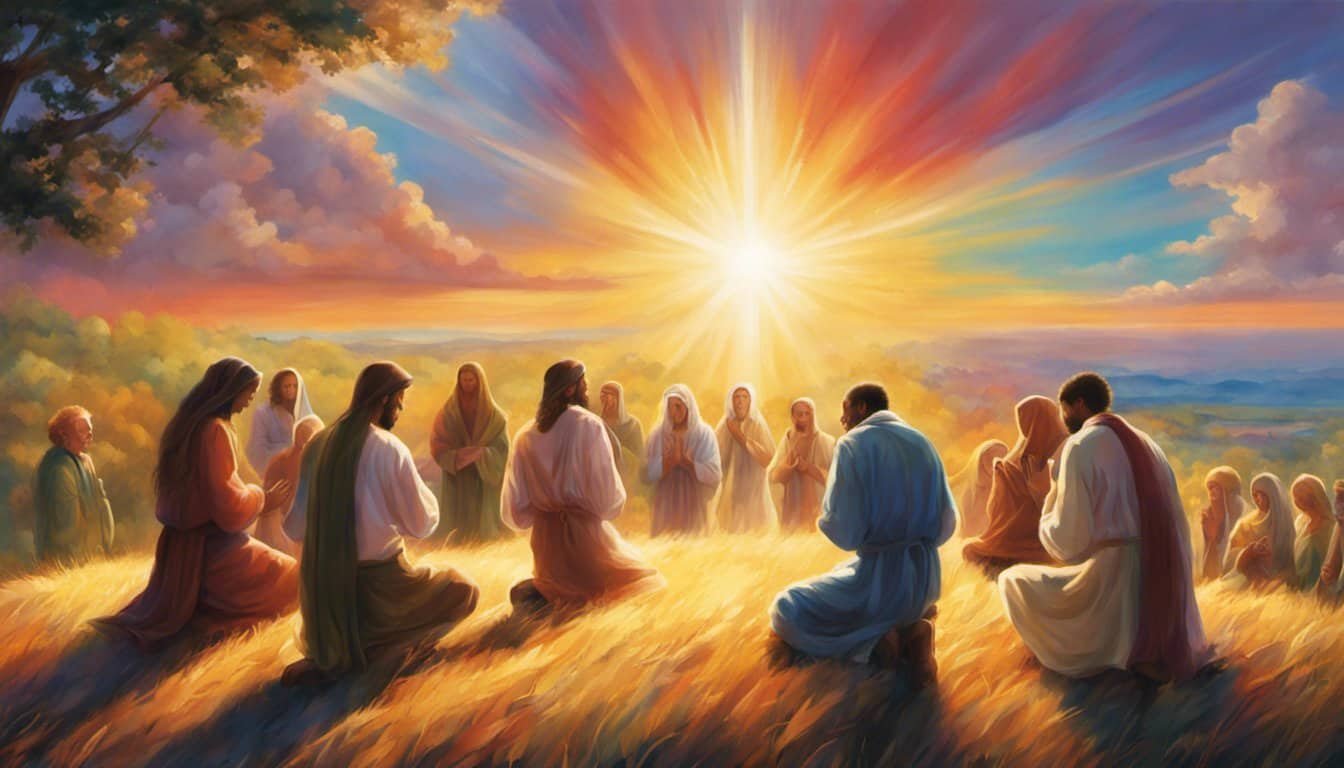
Following the Holy Spirit’s arrival, several signs and miracles occurred. People from different nations heard the apostles speaking in their native languages, which amazed the crowd. Peter stood up and addressed the listeners, performing a miracle by healing a lame man. This display of divine power validated their message and attracted many to join the new faith. These miracles demonstrated the Holy Spirit’s active presence, reinforcing the apostles’ authority and the Church’s foundational mission.




Transformation Of The Apostles
On Pentecost, the apostles experienced a dramatic change. Empowered by the Holy Spirit, they became effective messengers of the Gospel.
Speaking In Tongues
Apostles spoke in different languages. This enabled communication with a diverse crowd. Demonstrating the Spirit’s power, it broke language barriers, fostering unity among believers.
Boldness In Proclamation
Apostles preached fearlessly. Their confidence appeared despite past fears. Rooted in the Holy Spirit, their boldness led to rapid Church growth and widespread discipleship.
The Birth Of The Early Church
On Pentecost, the early believers witnessed a transformative event that marked the beginning of the Christian Church. This momentous day set the foundation for the church’s mission and growth.
Peter’s Sermon
Peter stood before the crowd with unwavering confidence. He explained that the events they observed fulfilled Joel 2:28-29, emphasizing the outpouring of the Holy Spirit. Citing Jesus’ resurrection, Peter declared Him as Lord and Messiah. He addressed over three thousand people, calling them to repentance and baptism. Peter’s clear and powerful message resonated, compelling many to embrace the new faith.
The First Converts
Following Peter’s sermon, about three thousand individuals accepted the message. These first converts came from diverse backgrounds, including Jews from every region and language group. They were baptized, received the Holy Spirit, and joined the nascent community. Daily gatherings included prayer, fellowship, breaking of bread, and teaching from the apostles. This unified group demonstrated remarkable unity and generosity, selling possessions to support one another. Their commitment laid a strong foundation for the church’s expansion.
Conclusion
The Day of Pentecost stands as a pivotal moment in history marking the birth of the Christian Church. The outpouring of the Holy Spirit empowered early believers to unite and share their faith with boldness. This foundation of unity and courage continues to inspire communities worldwide today.
Pentecost’s legacy reminds us of the Spirit’s power to transform lives and bridge diverse backgrounds. As the church grows and evolves the spirit of that first Pentecost day remains a beacon of hope and empowerment guiding believers in their mission and fostering a vibrant inclusive community.