In a world often divided by differences, the Christian perspective on interdenominational cooperation invites believers to focus on common ground.
By working together, churches can enhance their impact on communities in meaningful ways. This cooperation is deeply rooted in biblical teachings that emphasize unity and love among followers of Christ, regardless of their specific denominations.

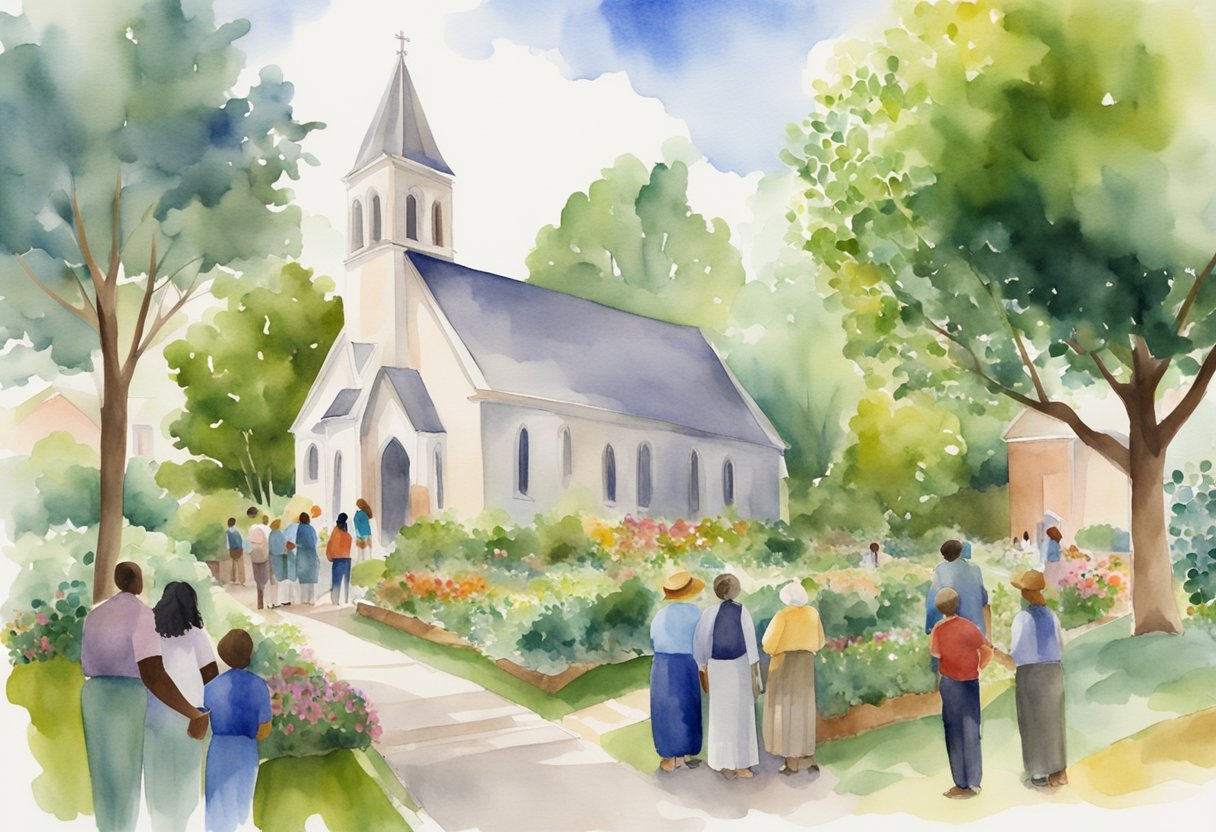
Throughout history, various Christian groups have faced challenges in coming together, yet many have found pathways to collaboration.

The benefits of interdenominational efforts can be profound, from shared resources to joint missions that address pressing social issues.
As churches unite, they can inspire hope and demonstrate the love of Christ to a world in need.
By understanding the significance of coming together, Christians can appreciate the strength found in unity. This not only enriches individual faith but also fosters a collective identity that reflects the heart of Christianity.
Key Takeaways
- Interdenominational cooperation reflects the biblical call for unity among believers.
- Working together leads to greater community impact and shared resources.
- Overcoming challenges is essential for fostering lasting Christian relationships.
Biblical Foundations of Christian Unity
Christian unity is deeply rooted in biblical teachings. The New Testament emphasizes the importance of fellowship among believers and presents examples from the early Church that highlight cooperation.
New Testament Teachings on Fellowship and Unity
In the New Testament, key verses stress the value of unity. In Ephesians 4:3, Paul encourages believers to “make every effort to keep the unity of the Spirit through the bond of peace.”


This verse illustrates that unity is not merely a goal but a responsibility for all Christians.
Furthermore, 1 Corinthians 12 describes the Church as the body of Christ, with each member playing a unique role. In this context, every believer’s contribution is essential, fostering cooperation across different denominations.
Communion and shared faith acts as a strong foundation for unity, reminding believers of their common purpose.
Acts and the Early Church’s Example
The Book of Acts provides powerful examples of early Christian unity. After Pentecost, believers gathered regularly for prayer, teaching, and breaking bread.

Acts 2:42 describes their devotion to the apostles’ teaching and fellowship, showing how they supported one another.




This spirit of cooperation extended beyond local congregations. The early Church faced persecution and challenges, but they thrived through their unity. The Holy Spirit played a vital role in guiding their actions, leading to shared missions and the spread of the apostolic faith.
The early Church serves as a model for today. By drawing on these lessons, modern Christians can strengthen their interdenominational cooperation.
Historical Overview of Interdenominational Relations
Interdenominational relations have evolved over centuries. They highlight the journey of different Christian groups as they seek to foster unity and understanding. Significant events and movements have shaped these relationships, particularly in the early church and following the Protestant Reformation.
From the Early Church to Protestant Reformation
In the early church, Christianity was unified under the leadership of the apostles. The message of Christ spread beyond cultural and geographical boundaries. However, over time, various interpretations led to divisions.
By the time of the Protestant Reformation in the 16th century, differing beliefs had created significant rifts.
Figures like Martin Luther and John Calvin challenged the Catholic Church’s teachings. This led to the formation of new Protestant denominations. Each group emphasized different aspects of faith, making reconciliation more complex.
Ecumenical Efforts post-Reformation
The desire for unity remained strong, especially following the Reformation. Ecumenism emerged as a movement to bridge gaps between Christian denominations.
In the 20th century, significant efforts were made. The Second Vatican Council, commonly known as Vatican II, aimed to foster better relations between the Catholic Church and other Christian groups.

The council encouraged dialogue and understanding with Protestants and Orthodox Christians. It emphasized reconciliation and acknowledged the importance of cooperation in promoting common goals, such as social justice and community service.
Today, many denominations participate in interdenominational efforts, working together on shared missions and community needs. Through these actions, they continue to seek a deeper sense of unity.
Theological Perspectives on Interdenominational Cooperation
Interdenominational cooperation is rooted in various theological perspectives. Understanding the nature of the Church and the importance of unity among different Christian denominations helps shape this cooperation.
Ecclesiology and the Nature of the Church
Ecclesiology is the study of the Church’s nature and function. Different Christian denominations have unique views on what constitutes the true Church.

Catholics believe in a hierarchical structure, with the Pope as a central figure. They see this unity under church authority as essential for faith.
Orthodox Christians also emphasize tradition and authority, valuing the sacraments and the teachings of the early Church.
Protestants, meanwhile, often focus on the priesthood of all believers, which encourages a more decentralized approach.
This diversity in beliefs about the Church’s nature can lead to both challenges and opportunities for cooperation.
When denominations work together, they build a broader understanding of Christian unity. Together, they promote shared faith while respecting differences.
Unity in Diversity: Catholicism, Orthodoxy, and Protestantism

Unity among Catholicism, Orthodoxy, and Protestantism can seem complicated. Each tradition has distinct beliefs and practices, yet they share core Christian values.
Catholics often emphasize the importance of the sacraments for unity. They believe that participating in the Eucharist connects them to Christ and each other.
Orthodox Christians celebrate their tradition through liturgies that maintain ancient practices. They view unity as existing within the community of believers participating in these sacred rites.
Protestants frequently prioritize a personal relationship with Christ, leading to varied expressions of faith. They often promote ecumenism, which encourages dialogue and collaboration across denominations.
Together, these traditions can show that unity in diversity is possible. Their efforts toward interdenominational cooperation reveal a shared commitment to Christ’s teachings and mission.
Benefits of Interdenominational Cooperation


Interdenominational cooperation offers many advantages that can greatly strengthen communities of faith. By working together, churches can enhance their witness, amplify their missions, and address pressing social issues more effectively. These benefits highlight the importance of unity in the Body of Christ.
Strengthening the Christian Witness
When denominations unite, they create a more powerful Christian witness in the community. A common witness shows that despite different beliefs, they share a commitment to the gospel and serve a greater purpose. This unity can attract attention and draw people to faith.
Churches can organize joint events like revivals or outreach programs. These gatherings foster a sense of belonging among attendees.
Together, they can also share resources, making it easier to reach those in need. The clearer message of cooperation can resonate with individuals searching for answers.
The Impact on Mission and Evangelization

Interdenominational partnerships enhance mission efforts. By pooling resources, they can reach a larger audience during evangelization efforts.
This shared vision encourages creativity and collaboration that might not be possible within a single denomination.
For example, churches collaborating on community projects can reach more people with their message.
Combining strengths can lead to innovative solutions for spreading the gospel. These efforts not only change lives but also leave a lasting impression on communities.
Joint Efforts for Social Issues and Justice
Working together allows churches to address social issues and promote justice more effectively. Many challenges, like poverty or inequality, require a united response.

By partnering, they can combine efforts and increase visibility.
Joint initiatives can include food drives, educational programs, or community clean-up days. These projects highlight their commitment to peace and justice.
By standing together, churches send a strong message about their values and shared responsibility.
Interdenominational cooperation empowers congregations to create positive change through collaborative action. This partnership enriches their ministries and promotes a healthier community. Together, they can be a light in challenging times.
Challenges and Barriers to Unity


Creating unity among Christian denominations can be difficult. Several key factors contribute to this fragmentation, which includes doctrinal disagreements, cultural differences, and the influence of nationalism and politics.
Doctrinal Disagreements and Schisms
Doctrinal disagreements often lead to schisms within the Christian community. Different interpretations of the Bible create distinct beliefs about salvation, sacraments, and church governance.
These differences can cause serious barriers to cooperation. For example, some denominations may prioritize certain teachings, while others might emphasize different aspects. This can lead to an environment where collaboration feels risky or unwelcome.
Furthermore, these denominational beliefs can be deeply rooted, making reconciliation challenging. When churches focus on their unique doctrines, they may miss opportunities for unity and shared mission.
Cultural and Ethical Differences
Cultural contexts shape how communities interpret faith and practice. These ethical differences can include views on gender, social justice, and lifestyle choices.

For instance, some denominations may embrace different social issues while others remain conservative. This divergence can lead to misunderstandings and hinder open dialogue.
Additionally, racism can also play a role, often influencing how different groups interact.
Cultural sensitivity and mutual respect are key in overcoming these barriers, but they require commitment and ongoing conversation.
The Role of Nationalism and Politics
Nationalism can complicate interdenominational unity. When religious belief is tied to national identity, it can create divisions within the Christian community.
Some denominations identify themselves primarily through political or national lenses. This can result in a limited view of faith, emphasizing division over collaboration.
Moreover, political affiliations can intensify fragmentation among believers.
Democracy may promote freedom of belief, but it can also lead to differing priorities among groups.
Overcoming these barriers means focusing on shared values and a common mission in Christ.
Practical Steps Towards Interdenominational Unity
Unity among Christian denominations can be nurtured through intentional actions and partnerships. By fostering genuine relationships, engaging in organized movements, and encouraging dialogue, communities can begin to work together effectively.
Fostering Genuine Communion and Koinonia
Creating genuine connections is vital for interdenominational unity. Churches can hold joint worship services to encourage fellowship. These gatherings help congregations experience koinonia, which means sharing in the love of God together.
Activities such as community potlucks also promote relationship-building. Sharing meals allows individuals to learn about each other’s traditions and beliefs.
Additionally, small groups can be formed to discuss shared values and missions. By establishing these connections, churches strengthen their bonds and work toward common goals.
Ecumenical Movements and Organizations
Participation in ecumenical movements can greatly enhance unity among churches. Organizations like the World Council of Churches facilitate cooperation between diverse Christian groups. They provide resources, events, and opportunities for collaboration in service and outreach.
Local ecumenical alliances can also make a difference. These groups bring together different denominations to address community needs.
By focusing on shared missions, they build stronger church families that reflect the love of God. Collaborating on social issues and community projects can create lasting friendships among congregations.
Interfaith Dialogues and Activities
Interfaith dialogues promote understanding between Christians and people of other faiths. These discussions offer a platform for sharing beliefs and practices in a respectful manner.
By engaging with other faith communities, Christians can learn more about their neighbors and address misconceptions.
Activities like joint service projects create a shared sense of purpose. When members from different faith backgrounds work together, they can make a positive impact on their communities.
Such events highlight the importance of love and cooperation, showing that unity is achievable across different belief systems.
Contemporary Role Models and Inspirational Initiatives
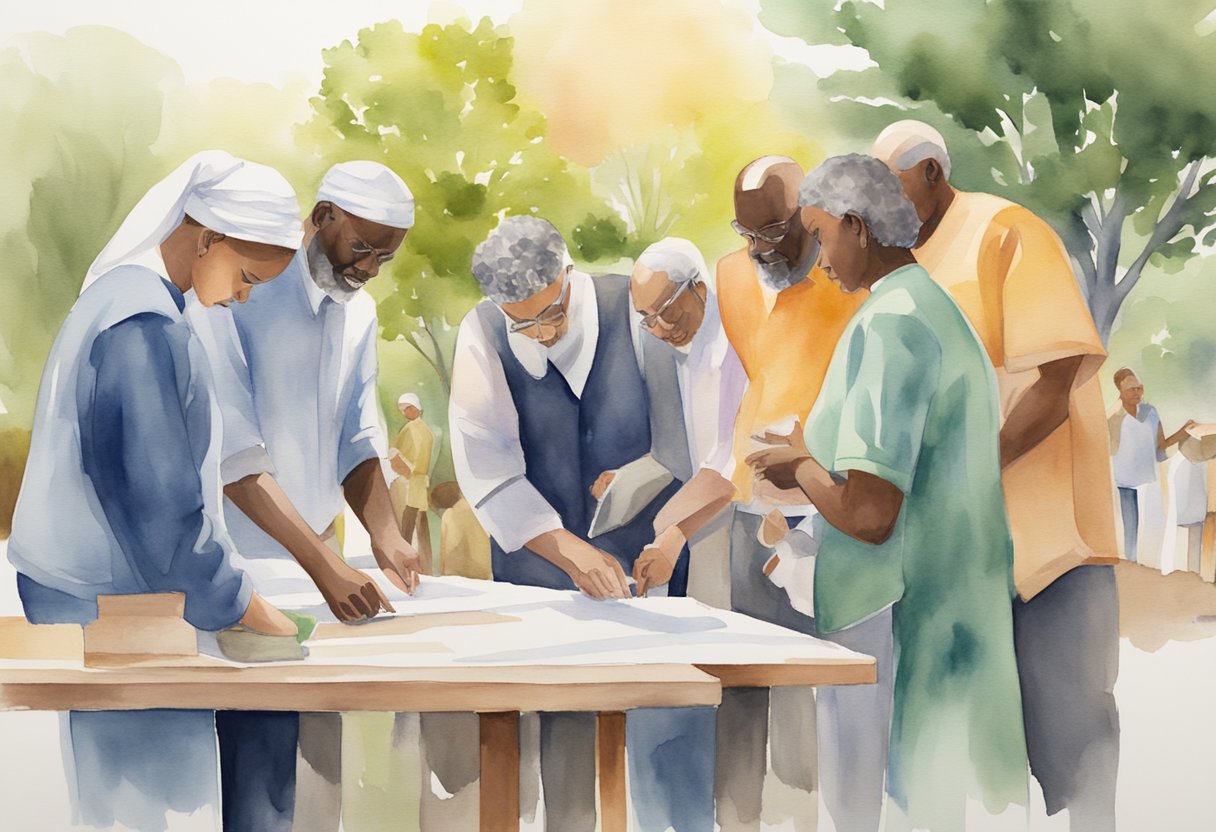
In today’s world, various leaders and projects exemplify what it means to work toward Christian unity. Their efforts highlight the importance of cooperation across denominational lines to foster deeper connections and shared missions.
Influence of Prominent Ecumenical Leaders
Billy Graham stands out as a key figure in promoting interdenominational cooperation. His ministry focused on uniting Christians from various backgrounds through large evangelistic events.
Graham believed in the power of collaboration, often inviting leaders from different denominations to join him in outreach efforts.
John Paul II also made significant strides in advocating for Christian unity. His travels to places like Venice, Italy, emphasized the importance of dialogue among Christian leaders.
His commitment to ecumenism helped bridge gaps between Catholics and other denominations, fostering a spirit of cooperation.
Both leaders used their platforms to inspire others to embrace unity and work together for a common mission. Their legacies continue to influence contemporary ecumenical efforts.
Successful Interdenominational Projects
Numerous projects serve as examples of interdenominational cooperation in action. One notable initiative is the Kairos program, which focuses on social justice issues. This approach brings together diverse Christian groups to address challenges such as poverty and inequality.
In many cities, churches collaborate through neighborhood outreach programs, providing food and support to those in need.
By pooling resources and efforts, these projects not only meet immediate needs but also strengthen community bonds between different denominations.
Additionally, events like joint worship services and prayer meetings create opportunities for Christians to come together. These gatherings encourage mutual respect and help break down barriers.
Through these initiatives, communities witness the power of working together in faith.
The Individual’s Role in Promoting Unity
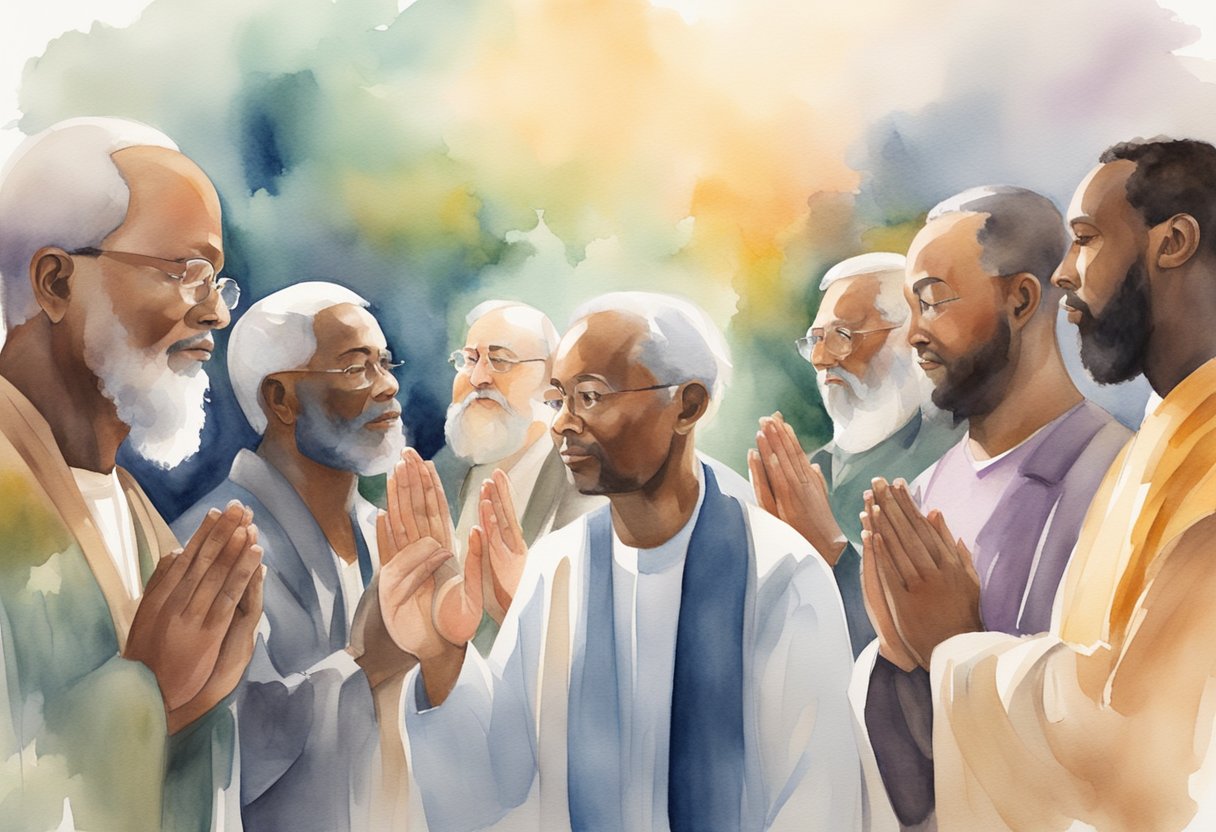
Building unity within the Christian community starts with each individual. Through personal discipleship and actively engaging in local congregational efforts, individuals can foster a sense of fellowship and cooperation among different denominations.
Personal Discipleship and Reaching Out
Personal discipleship is key. Each follower of Christ is called to grow in faith and live out the teachings of Jesus. This often includes treating others as they wish to be treated, following the Golden Rule.
When believers reach out to others, they promote unity. Engaging with those from different backgrounds encourages understanding and respect.
For example, they can participate in community events or join interdenominational study groups.
St. Paul emphasized love and unity among believers. His teachings encourage individuals to embrace diversity within the church. By doing so, they can serve Christ together and strengthen the body of Christ.
Contribution to Local Congregational Efforts
Local congregational efforts are essential for promoting unity. Individuals can contribute by volunteering their time and skills. This includes helping with church events or participating in service projects.
In addition to volunteering, attending events that include multiple denominations can create bonds. Christians can learn from one another and share their experiences.
Additionally, they can support initiatives that encourage collaboration, such as ecumenical prayer meetings. This helps to build relationships and foster a sense of community.
Ultimately, individual contributions create a ripple effect, inspiring others to promote unity within the church. Each effort counts towards building a harmonious and cooperative Christian fellowship.
The Future of Christian Cooperation
The future of Christian cooperation focuses on creating a vision for Christ’s kingdom and addressing the challenges that lie ahead. Emphasizing both visible unity and the grace of God, believers can work together for a more righteous world.
Envisioning a United Christ’s Kingdom
A united Christ’s kingdom is a powerful vision for future cooperation among Christians. Different denominations can strive to show visible unity by sharing common goals and values. This unity reflects the teachings of Jesus and emphasizes love and service.
To achieve this, churches may organize joint community events. Initiatives like food drives, youth camps, and prayer groups can help build relationships.
Collaborative worship services allow diverse congregations to experience the richness of different traditions.
Working together under the grace of God, Christians can support each other in spreading the message of hope and righteousness. This collective effort to serve the community can inspire others to join in, expanding the vision of a united kingdom.
Overcoming Obstacles for Future Generations
While the vision for Christian cooperation is promising, there are obstacles to overcome. Misunderstandings between denominations can create barriers. Differences in beliefs and practices often challenge efforts for unity.
To foster cooperation, open dialogue is essential. Christians must engage in conversations that focus on commonalities rather than differences. This can involve studying scripture together to find shared values.
Education plays a key role in breaking down barriers. By teaching younger generations about the importance of unity and grace, churches can help them cultivate a spirit of cooperation.
Scholarships for interdenominational programs can also encourage collaboration.
Finally, churches should focus on fostering relationships that prioritize mutual respect and understanding. Overcoming division requires a commitment to love and the righteousness that comes from Christ.