Renaissance art is rich with Christian symbolism that communicates deeper meanings beyond the surface. This artwork often reflects the spiritual journey of humanity, using iconography to portray themes of faith, redemption, and divine beauty.
From paintings of Christ’s life to the use of symbolic colors and gestures, these artistic choices reveal the beliefs and values of the time.

Artists in Italy during the Renaissance skillfully combined religious themes with classical influences, resulting in a unique blend of styles. Paintings were not just meant to be admired for their beauty; they served as visual narratives that conveyed key Christian messages.
By understanding these symbols, viewers can appreciate how art shaped and reflected religious identity in that era.
Exploring the symbolism in Renaissance art offers insight into how these works continue to influence modern interpretations of spirituality and aesthetics. The intricate details and thoughtful symbolism invite viewers to engage more deeply with both the art and the messages it conveys.
Key Takeaways
- Christian symbolism in Renaissance art reveals deeper meanings about faith and redemption.
- Iconography and artistic techniques enriched the storytelling of religious themes.
- The legacy of Christian symbolism continues to influence contemporary art and spirituality.
Historical Context of Renaissance Art
The Renaissance marked a significant shift in art, culture, and thought in Italy. This period bridged the Middle Ages and modern history, promoting new ideas that merged classical themes with Christian beliefs. Key aspects of this transformation included the transition from medieval styles, the rise of humanism, and the interplay between Christianity and philosophy.
Transition from the Middle Ages
The transition from the Middle Ages was vital for the emergence of Renaissance art. During the medieval period, art primarily served religious functions. Artists were often focused on spiritual representation rather than individual expression.
As Italy moved into the Renaissance, artists began to embrace naturalism. They studied the human body and the world around them to create more realistic depictions. This change fostered creativity and innovation, allowing artists like Leonardo da Vinci and Michelangelo to flourish.


The Rise of Humanism
Humanism emerged as a central concept during the Renaissance. It shifted the focus from divine matters to human experiences and achievements. This movement encouraged individuals to explore classical texts from Ancient Greece and Rome.
Artists and thinkers sought to blend their work with a sense of humanity. They believed that studying the human experience could lead to personal and societal improvement. Humanism also impacted religious themes, as artists portrayed biblical stories with greater emotional depth and realism.
Christianity and Philosophy
Christianity played a crucial role in Renaissance art, influencing themes, subjects, and messages. Many artists used Christian symbolism to depict spiritual truths. This reflects a deep connection between faith and creativity.
Philosophical ideas also intertwined with Christianity during this time. Thinkers like Erasmus emphasized the importance of reason and morality, shaping how artists approached their subjects. This blend of philosophy and faith invited viewers to reflect on deeper meanings in the artworks.
Christian Iconography in Renaissance Art




Renaissance art is rich in Christian iconography, filled with symbols and figures that convey deep religious meaning. Artists used a variety of motifs to express beliefs about Christ, the Madonna, and the saints, allowing viewers to connect with their faith visually.
Symbols of Christ and the Madonna
Icons such as the cross, the lamb, and the fish represent Christ’s life and teachings. The cross symbolizes his sacrifice, while the lamb signifies innocence and sacrifice, often referencing the Resurrection of Christ.
The Madonna, frequently depicted holding the infant Jesus, is also central to Renaissance art. Common symbols include the blue robe she wears, symbolizing her purity, and the halo that indicates her sanctity. Together, scenes of Christ and the Madonna evoke feelings of love and devotion.
Sainthood and Symbolism
Saints play a prominent role in Renaissance art. Icons like Saint John the Baptist are depicted with specific attributes to identify them. For example, John is often shown with a lamb, symbolizing Christ as the “Lamb of God.”
Each saint has unique characteristics that carry symbolic meaning. Saints might hold particular objects, like the keys held by Saint Peter, which represent the keys to Heaven and the authority given to him by Christ. These details help convey stories of salvation and the virtues of each saint.
Narrative and Allegorical Scenes
Many artworks feature narrative and allegorical scenes that tell biblical stories. For example, the Last Supper depicts the moment before Christ’s betrayal and serves as a powerful reminder of the theme of sacrifice.
Allegories, such as the depiction of Faith, Hope, and Charity, also appear throughout this period. These scenes invite the viewer to reflect on spiritual concepts, reminding them of their faith’s importance. The use of vivid imagery helps to bring these narratives to life, creating a connection between the viewer and the divine.
Influential Renaissance Artworks and Artists
Renaissance art brought a resurgence of interest in classical themes, blending them with Christian symbolism. Key artists created iconic works that continue to impact art history.
Michelangelo’s Sistine Chapel and Last Judgment

Michelangelo is renowned for his incredible work on the Sistine Chapel. The ceiling features various scenes, including the famous Creation of Adam. His vibrant colors and dynamic figures convey powerful emotions.
The Last Judgment, painted on the altar wall, depicts the second coming of Christ. Here, Michelangelo used dramatic contrasts and intricate details. This work showcases human figures expressing fear, hope, and redemption. His style helped define the High Renaissance.
Leonardo da Vinci and The Last Supper
Leonardo da Vinci’s masterpiece, The Last Supper, is celebrated for its detailed portrayal of Jesus and his disciples. Located in Milan, this mural captures a pivotal moment when Jesus announces his betrayal.
Da Vinci utilized perspective to create depth, guiding the viewer’s eye. Each disciple’s reaction adds emotion and complexity. The scene is rich with symbolism, showcasing themes of sacrifice and communion. His innovative techniques influenced painters for generations.
Raphael’s School of Athens
Raphael contributed significantly to Renaissance art, notably with his mural, School of Athens. This work features ancient Greek philosophers such as Plato and Aristotle. It symbolizes the union of classical philosophy and Christian thought.
The painting employs linear perspective, creating an architectural masterpiece. Raphael’s use of vibrant colors and graceful figures enhances its beauty. He effectively combined various themes, emphasizing knowledge and reason.
Titian and the Development of Oil Painting
Titian was a master of oil painting, greatly influencing the medium. His works, such as Bacchus and Ariadne, showcase rich colors and dynamic compositions. Titian’s technique allowed for greater detail and depth in portraits and landscapes.
He also explored religious themes, like in the San Zaccaria Altarpiece. His approach transformed Venetian art, steering it towards vibrant color and emotion. Titian’s innovations laid the groundwork for future artists, merging the beauty of oil paint with profound storytelling.
Symbolism and Techniques
Renaissance art is marked by unique techniques that enhance its Christian symbolism. Artists used light and shadow effectively to create depth. They also embraced naturalism, bringing realistic elements into their works. Innovations in materials, like oil painting, played a key role in this transformation.
Use of Light and Shadow
Artists during the Renaissance mastered the use of light and shadow, known as chiaroscuro. This technique gave paintings a three-dimensional quality. By carefully placing light, they highlighted important figures and symbols, making them stand out.
Giotto was one of the early pioneers who set the stage for this method. His work helped influence later artists like Leonardo da Vinci and Michelangelo. Through their use of light, they created emotional depth and engaged viewers more fully.
Naturalism in Renaissance Art
Naturalism was essential in Renaissance art. Artists aimed for lifelike representations of figures, landscapes, and objects. They studied human anatomy and proportions to enhance realism. This focus on realism allowed them to convey complex emotions effectively.
In religious art, the use of naturalism helped to make biblical figures more relatable. Instead of idealized forms, viewers saw real people experiencing deep spiritual moments. This shift encouraged connections between the viewer and the divine.
Innovations in Materials and Methods
The Renaissance brought significant innovations in art materials and techniques. The introduction of oil painting allowed for richer colors and greater detail. This medium dried slowly, giving artists time to blend and layer colors beautifully.
Techniques like the woodcut helped artists reproduce their work, spreading symbols across a wider audience. These advancements played a crucial role in how Christian themes were portrayed and understood. Artists could convey complex narratives with clarity, engaging a broader public with their vision.
Religious Themes in Renaissance Literature
Renaissance literature was rich with religious themes, reflecting both the faith of the time and the complexities of human experience. Writers often used storytelling to convey moral lessons while also influencing future literary works.
Storytelling and Moral Lessons
Writers during the Renaissance often included Christian themes in their stories. They aimed to teach lessons about sin, salvation, and mercy. For example, the works of Dante Alighieri showed the journey of the soul through the afterlife, emphasizing the importance of living a righteous life.
Iconography played a significant role. Authors used symbols, such as light and darkness, to represent good and evil. These stories frequently highlighted the struggle against sin and the path to redemption.
Additionally, allegorical tales, like those written by John Bunyan, depicted the Christian journey in relatable ways. This storytelling approach made difficult concepts more accessible.
Influence on Contemporary Literature
The impact of Renaissance literature on later writers is profound. Authors like Shakespeare and Milton drew inspiration from the religious themes of their predecessors. Their works often explored questions of faith, morality, and the human condition.
For instance, Shakespeare’s characters wrestle with moral dilemmas that reflect on blessing and consequence. His plays highlight the struggles between piety and human desire.
Milton’s “Paradise Lost” illustrates the battle between good and evil, focusing on the choices that lead to salvation or damnation. This exploration of philosophy and faith resonated deeply in literature that followed.
Together, these themes shaped modern storytelling, blending moral complexity with deep character exploration, and influencing countless writers well beyond the Renaissance.
The Enduring Legacy of Christian Symbolism
Christian symbolism from the Renaissance period continues to influence artists and religious practices today. Its impact can be seen in modern Christian art and in ongoing efforts to preserve these important works.
Impact on Modern Christian Art
Modern Christian art often draws inspiration from the rich iconography of the Renaissance. Artists like Piero della Francesca and Fra Angelico established ways to convey spiritual truths through symbols.
For example, the use of lambs often represents Christ. Meanwhile, light symbolizes divine presence.
These symbols remain vital in churches and contemporary artworks, helping believers feel connected to their faith.
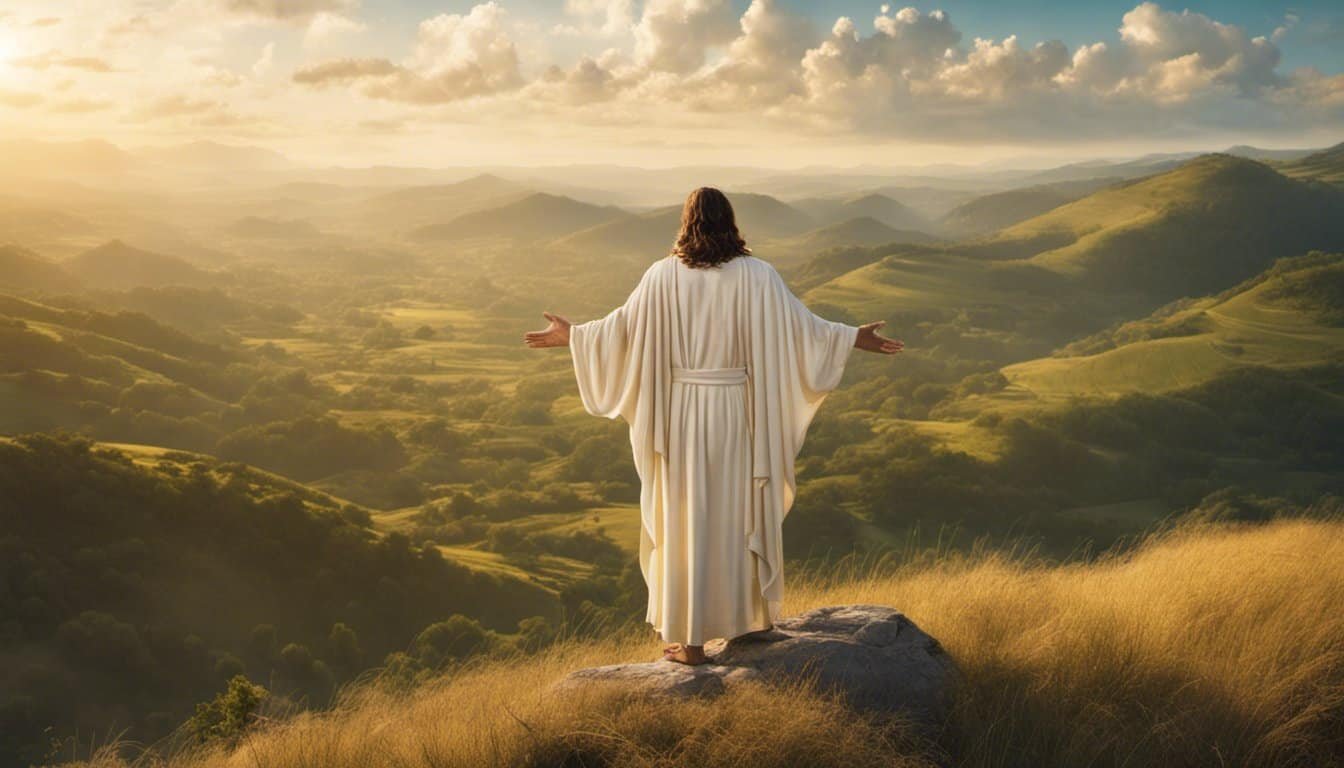
Today’s artists, regardless of their style, incorporate these historical symbols. This keeps the spiritual meanings alive, demonstrating how Renaissance symbolism still affects artistic expression and worship.
Preservation and Restoration Efforts
Preserving Renaissance art is essential for maintaining its cultural and religious significance. Artifacts created by figures like Hieronymus Bosch have faced challenges over the centuries. These challenges are due to damage, fading, and changing aesthetics.
Efforts to restore and preserve these works often involve conservation specialists who use advanced techniques. For instance, they use careful cleaning and stabilization. These techniques ensure that the original colors and details are retained.
Organizations and museums also play a vital role in educating the public. By offering exhibitions and workshops, they encourage appreciation for Renaissance art’s symbolism and its important messages.