
The body is a remarkable aspect of human existence, holding both physical and deeper meanings. It is not just a collection of organs and tissues, but a vital part of what it means to be human.
The nature of the body reflects our interactions, experiences, and our connection to the world around us. Understanding this physical presence can lead to greater insights into identity, health, and the human experience.


Every culture expresses its relationship with the body differently, showcasing its significance through art, tradition, and philosophy. The body serves as a canvas where ideas and emotions come alive, revealing the connection between the self and the environment.

By recognizing the body’s role, one can appreciate how it shapes perspectives and experiences in everyday life.
The interplay between the physical body and its surroundings opens discussions about health, culture, and self-expression. This connection invites exploration into how humanity perceives itself and the world, sparking curiosity and reflection on what it means to live fully in one’s body.
Key Takeaways
- The body is essential to understanding human identity and experiences.
- Cultural expressions reveal the significance of the body in society.
- Exploring the relationship between the body and environment enhances self-awareness.
Understanding the Physical Body

The physical body is vital to human existence. It is the framework through which individuals experience the world and interact with their environment. This section highlights the biological foundations of the body and the interaction with essential elements.
Biological Foundations
The physical body consists of living cells, tissues, and organs. These components work together to allow movement, action, and growth.
Cells are the basic building blocks. They group together to form tissues. There are four main tissue types: epithelial, connective, muscle, and nervous.


Meanwhile, organs, like the heart and lungs, perform specific functions essential for survival. For example, the heart pumps blood, supplying oxygen and nutrients. The body also has various systems, such as the circulatory and respiratory systems, that help maintain health.
Understanding these biological foundations is crucial. It provides insight into how the body functions and processes sensations through the sense organs. Knowledge of the body’s biology can also aid in recognizing signs of disease and maintaining overall health.
The Interplay with Elements
The physical body interacts constantly with the elements of nature: earth, water, air, and fire. Each element plays a critical role in sustaining life.
For instance, water is vital for hydration and digestion. The body needs air for breathing, which supplies oxygen to fuel cells.

Movement is essential for physical health. It involves using energy, much like fire brings warmth. Regular exercise strengthens muscles and promotes growth. It also decreases the risk of disease, improving overall well-being.




The body’s perception of the environment arises from sense organs. They help individuals understand temperature, taste, and touch. This sensory feedback is crucial for navigating daily life. Thus, the interaction with natural elements greatly influences physical health and human experience.
Beyond the Physical
The human experience goes beyond just the physical body. It includes the mind, emotions, and a spiritual dimension. Each of these aspects contributes to understanding who a person truly is.
Mind and Intellect
The mind holds significant power over an individual’s life. It shapes thoughts and governs actions. Each person’s intellect acts as a guiding force, helping to process information and make decisions.
Memory plays a crucial role in this process. It allows individuals to learn from past experiences and make informed choices. The interplay of memory and thought forms a strong connection to self-consciousness.
Through the mind, people can seek truth and harmony. They navigate their inner worlds, juggling various perceptions and ideas. The intellect also aids in understanding complex concepts, revealing how people interact with their surroundings.
Emotional Landscape
Emotions form a vital part of human existence. Feelings can range from joy to sadness, shaping one’s experiences. The emotional landscape is influenced by many factors, including past experiences and relationships.
These emotions often arise from the soul’s desire for connection and understanding. Human beings seek harmony between their feelings and their intellect. When emotions are balanced, people may find inner peace and greater self-awareness.
Moreover, the emotional landscape can guide personal growth. By acknowledging and expressing emotions, individuals enhance their overall well-being. It fosters a deeper connection with oneself and others.
The Spiritual Self

The spiritual self goes beyond physical limitations. It connects individuals to a broader existence. This aspect encompasses the astral body, a layer that many believe interacts with the spiritual world.
People often seek a meaningful connection with their spiritual beings. This quest involves exploring one’s conscience and inner experience. It is about understanding the essence of who they are.
In this journey, the search for truth becomes significant. By embracing their spiritual nature, individuals can harmonize their physical and emotional well-being. This alignment can lead to a richer and more fulfilling life experience.
Interconnection with the Environment
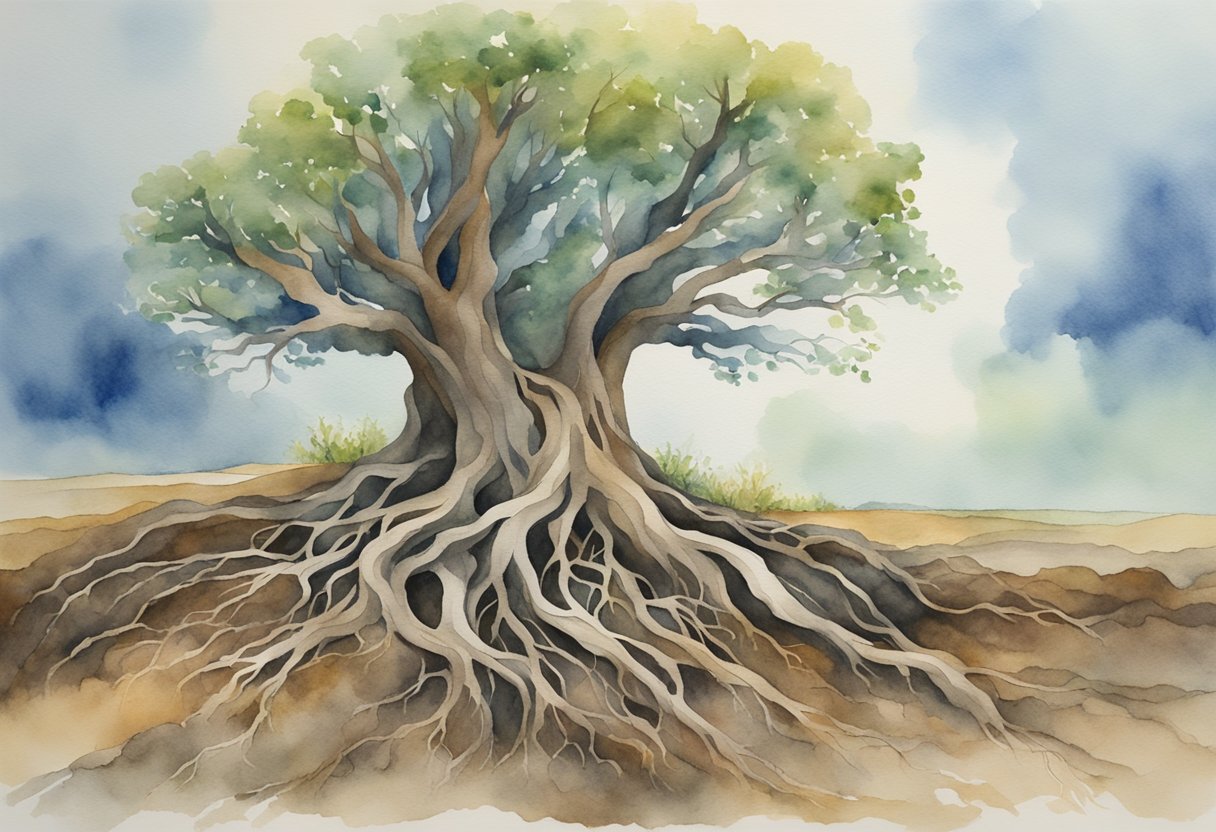
The connection between the human body and the environment is essential for well-being. This relationship affects physical health, emotional balance, and overall vitality. Recognizing this interconnectedness helps individuals appreciate their place in the natural world.
Influence of Nature

Nature plays a crucial role in shaping human health. Exposure to green spaces, fresh air, and clean water directly benefits the body. Studies show that people who spend time in nature often report lower stress levels and improved mood. This connection enhances mental clarity and creativity, making it easier for individuals to navigate daily challenges.
Key Elements Influencing Well-Being:
- Fresh Air: Provides oxygen vital for bodily functions.
- Water: Hydrates and nourishes all body systems.
- Natural Light: Supports mood and regulates sleep patterns.
Space and Movement
The way people interact with their environment affects their physical movement and growth. Natural spaces encourage activities like walking, hiking, or even simply stretching. These movements promote circulation and flexibility, which are essential for maintaining a healthy body.
Many find that outdoor exercise is more enjoyable and energizing than indoor workouts. Being in open spaces allows for a sense of freedom and connection.
Considerations for Movement:
- Engage in outdoor activities regularly.
- Choose environments with varied terrain for better workouts.
- Incorporate mindful movements like yoga to harmonize body and environment.
Symbiosis with Earth

The relationship between humans and the Earth is one of mutual benefit. The Earth provides everything from basic needs like food and water to energy from fire and sunlight. In return, humans must care for the planet through sustainable practices.
This symbiosis fosters harmony and balance. By cultivating a deeper relationship with their surroundings, individuals can enhance their physical and spiritual health.
Elements of Symbiosis:
- Prana: The life force energy flows from nature into the body.
- Growth: Living in tune with natural cycles leads to personal and planet wellness.
- Harmony: Striving for balance contributes to a healthier environment.
Recognizing these interconnections can inspire individuals to respect and care for the world around them.
Cultural and Artistic Expression
Cultural and artistic expression plays a crucial role in how humans connect, communicate, and understand themselves. Language, the arts, and the impact of culture shape personal identities and societal values in meaningful ways.
Language and Communication
Language is a foundational aspect of culture. It enables people to share ideas, feelings, and beliefs. Through spoken and written words, individuals convey truths and create meaning in their lives.
Communication is not limited to verbal exchanges. Body language and gestures also communicate emotions and intentions. This non-verbal communication often supplements spoken language, adding depth to conversations.
Moreover, different cultures have unique languages and dialects, which shape individual perspectives. The diversity of language enriches human experience and fosters a sense of belonging.
Visual and Performing Arts
Visual and performing arts are essential for expressing the human experience. Art captures emotions through images, colors, and forms. From ancient cave paintings to modern art, creativity reflects cultural values and beliefs.

Performing arts like dance, theater, and music bring stories to life. These forms of expression communicate complex ideas and emotions that words alone cannot convey. They create connections among people, often eliciting shared feelings and experiences.
Art also serves as a powerful tool for social change. It can inspire movements, challenge norms, and provide a voice for the marginalized. The impact of art on society is profound, shaping culture in significant ways.
Cultural Impact on Self
Culture deeply influences individual identity. People shape their self-perception based on cultural norms, values, and beliefs. Art and language play a vital role in this process.
Through cultural expression, individuals find meaning and purpose. They explore their identities by participating in traditional practices or creating new forms of art. This exploration can lead to personal growth and a stronger sense of self.
Furthermore, engaging with diverse cultures expands one’s worldview. It promotes empathy and understanding, helping individuals appreciate their uniqueness and that of others. This intercultural exchange enriches personal experiences and nurtures a sense of belonging in a global community.
The Three Bodies and Their Synergy

The concept of the three bodies highlights how the physical, astral, and causal aspects of human existence work together. Each body plays a unique role in shaping the human experience and helps individuals navigate their lives. Understanding their synergy can foster a deeper connection to oneself.
Physical and Astral Layers
The physical body represents the tangible aspect of humanity. It is what people can see and touch. This body is essential for daily activities and interactions with the world.
The astral body, on the other hand, is more subtle and connects to emotions and thoughts. It exists in the astral world, which is a realm of experiences beyond the physical.
These two bodies interact continuously. The physical body reacts to the sensations and emotions created by the astral body. For example, feeling happy can lead to a relaxed physical state, while stress may create tension. Recognizing this connection is vital for achieving peace and harmony within oneself.
The Causal Body

The causal body is often seen as the essence of the soul. It holds the deeper aspects of one’s identity and experiences accumulated over time.
This body transcends the physical and astral layers, connecting individuals to their higher purpose.
In many philosophies, the causal body is crucial for spiritual growth. It helps guide people towards their true selves. Engaging with the causal body can lead to profound insights and a sense of fulfillment. People often find that practices such as meditation can help them align with this essential aspect of their being.
Philosophical Perspectives
Philosophical perspectives on the body explore the nature of self and the pursuit of truth. These views shape our understanding of what it means to be human.

They allow individuals to connect the physical body with concepts like intellect and ego.
Defining the Self
In philosophy, the concept of the self involves understanding one’s identity beyond the physical body. Many philosophers suggest that the self is a combination of physical and mental aspects.
This includes the body, thoughts, emotions, and experiences.
The ego plays a significant role in shaping self-awareness. It influences how people perceive their existence.
According to theories like mind-body dualism, the mind and body are distinct but interact. This means that physical experiences can affect one’s mental state and vice versa.
Quest for Truth
The quest for truth is central in philosophy. It focuses on understanding reality and existence.
Philosophers often debate what constitutes truth. Different schools of thought approach this question from varying angles.
Truth can be viewed as an objective reality or a subjective experience. For instance, while some believe truth is universal, others argue that it is shaped by individual perspectives.
This quest drives individuals to seek knowledge and form deeper connections between intellect and self-awareness. Through inquiry, people can uncover their own truths and understand their place in the world.
