
The concept of resurrection has intrigued believers and scholars alike for centuries. In 1 Corinthians 15, the Apostle Paul delves deep into this profound topic, offering hope and clarity to his audience.
Exploring the resurrection of the dead, Paul addresses doubts and affirms the fundamental Christian belief in life beyond death. This chapter serves as a cornerstone for understanding the promise of eternal life and the transformative power it holds for individuals and communities.
Overview of 1 Corinthians 15
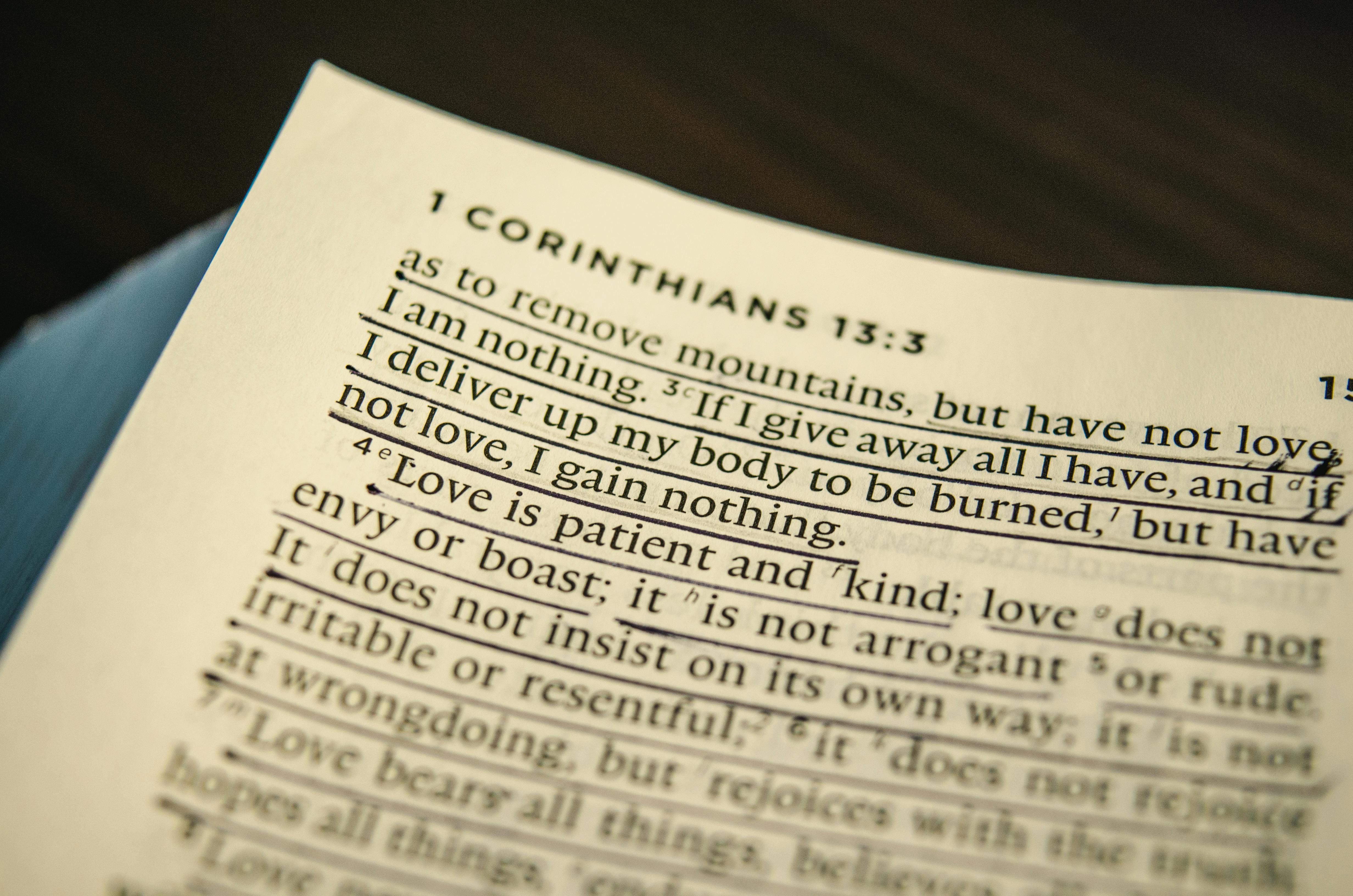
1 Corinthians 15 serves as a cornerstone for Christian theology on resurrection. The Apostle Paul addresses critical questions about life after death, affirming the resurrection’s reality and significance. He begins by reaffirming the gospel message, emphasizing its importance for believers’ faith and hope.
Paul systematically dismantles doubts surrounding the resurrection by presenting evidence of Christ’s own resurrection. He cites eyewitness testimonies, including Peter, the twelve apostles, and over five hundred others who saw Jesus alive. This historical validation strengthens the argument for believers’ future resurrection.

The chapter outlines the transformation believers will undergo. Paul explains that our current mortal bodies will be raised imperishable, glorified, and powerful. He contrasts the natural body with the spiritual body, highlighting the profound change that resurrection entails.
Paul also addresses the purpose of the resurrection. He connects it to the defeat of death and the fulfillment of God’s redemptive plan. By conquering death, Jesus paves the way for eternal life, offering believers assurance and motivation to live faithfully.
Key Points:
- Affirmation of the Gospel: Reiterates the foundational message of Christ’s death and resurrection.
- Evidence of Resurrection: Presents eyewitness accounts to substantiate the resurrection claim.
- Resurrected Bodies: Describes the transformation from mortal to glorified bodies.
- Purpose of Resurrection: Links resurrection to the defeat of death and eternal life.
Paul concludes by encouraging the Corinthian church to steadfastly hold to the resurrection truth, as it is essential for their faith and hope in the promise of eternal life.
Significance of the Resurrection in Christianity
The resurrection holds a central place in Christian belief, symbolizing hope and the promise of eternal life. It shapes the faith and practices of millions worldwide.
Biblical Context
- Foundational Scripture: 1 Corinthians 15 outlines the resurrection’s importance, affirming its role in Christian doctrine.
- Jesus Christ: Central to the resurrection, Jesus’ rise from the dead validates the promise of life after death.
- Apostolic Teachings: Paul emphasizes the resurrection as essential for salvation and the credibility of the gospel message.
- Eschatological Hope: The resurrection points to the future restoration of all believers, aligning with biblical prophecies.
Historical Perspectives
- Early Church Beliefs: Early Christians upheld the resurrection as a core tenet, distinguishing their faith from others.
- Theological Debates: Throughout history, theologians have debated the nature and implications of the resurrection, shaping Christian thought.
- Cultural Impact: The resurrection influenced art, literature, and societal values, reflecting its profound significance.
- Modern Interpretations: Contemporary scholars continue to explore the resurrection’s meaning, integrating it with current theological and philosophical discussions.
Key Themes in 1 Corinthians 15
A deeper exploration of 1 Corinthians 15 uncovers fundamental themes that shape Christian understanding of resurrection and eternal life.


Victory Over Death
Paul declares the ultimate triumph over death through Jesus Christ. He states, “Death has been swallowed up in victory” (1 Cor 15:54), emphasizing that Christ’s resurrection guarantees believers’ future resurrection. This victory ensures that death no longer holds power, reinforcing the assurance of eternal life for followers.
The Nature of the Resurrected Body
The chapter outlines the transformation from mortal to immortal bodies. Paul explains, “So will it be with the resurrection of the dead” (1 Cor 15:52), highlighting that the resurrected body is imperishable, glorious, and powerful. Unlike the natural body, which is subject to decay, the resurrected body embodies eternal life, aligning believers with the divine and preparing them for everlasting existence.
Theological Implications of the Resurrection of the Dead
The resurrection of the dead in 1 Corinthians 15 holds profound theological significance. It shapes key doctrines and influences Christian belief and practice.
Soteriology
The resurrection directly impacts soteriology by affirming salvation through Jesus Christ. Paul’s argument shows that without the resurrection, the gospel lacks foundation, making faith in Christ futile. He states, “If Christ has not been raised, your faith is futile” (1 Corinthians 15:14). This underscores that Christ’s resurrection validates His sacrifice, ensuring believers’ redemption and reconciliation with God. Additionally, the promise of believers’ resurrection provides assurance of eternal life, reinforcing the motivation to live a righteous and faithful life.
Eschatology

Eschatologically, the resurrection outlines the future hope for believers. Paul describes the transformation of mortal bodies into imperishable, glorified ones, aligning with the ultimate restoration of creation. He explains that “the last enemy to be destroyed is death” (1 Corinthians 15:26), indicating the culmination of God’s redemptive plan. This future resurrection emphasizes the final judgment and the establishment of a new heaven and earth, where believers will experience everlasting communion with God. It also shapes the ethical and moral outlook of Christians, encouraging them to live in anticipation of this promised future.




Scholarly Perspectives on 1 Corinthians 15
Historical Context
Scholars agree that 1 Corinthians 15 addresses early Christian communities grappling with the reality of Jesus’ resurrection. Paul responds to questions and doubts about resurrection, emphasizing its centrality to Christian faith (Garland, 1973).
Theological Interpretations
Theologians highlight that Paul presents resurrection as both a physical and spiritual event. N. T. Wright notes that Paul redefines resurrection by affirming the bodily aspect, countering purely spiritual interpretations prevalent at the time (Wright, 2003). This duality underscores the transformative nature of resurrection for believers.
Comparative Analysis
Comparisons with other New Testament writings reveal consistent themes. For instance, scholars like Douglas Moo point out similarities between 1 Corinthians 15 and the resurrection accounts in the Gospels, reinforcing the credibility of Paul’s claims (Moo, 1996). Additionally, parallels with Jewish resurrection beliefs illustrate how Paul adapts existing concepts to articulate Christian doctrine.
Eschatological Significance
Eschatologists emphasize that 1 Corinthians 15 outlines the ultimate hope for Christians. John Piper asserts that Paul’s description of the resurrected body provides a blueprint for understanding the future transformation awaiting believers (Piper, 2000). This perspective aligns resurrection with the fulfillment of God’s redemptive plan.
Philosophical Implications
Philosophers examine the logical coherence of Paul’s arguments. C. John Collins argues that Paul’s use of empirical evidence, such as eyewitness testimonies, strengthens the rational basis for belief in resurrection (Collins, 2004). This approach bridges faith and reason, appealing to both believers and skeptics.
Contemporary Scholarship
Modern scholars continue to explore 1 Corinthians 15’s relevance. Scholars like Beverly Roberts Gaventa discuss its implications for contemporary Christian living, suggesting that resurrection offers a framework for understanding suffering and hope (Gaventa, 2015). Current research also investigates the chapter’s impact on modern Christian theology and ethics.
Critical Perspectives
Some critics challenge the historicity of the resurrection accounts. Bart Ehrman questions the reliability of the sources Paul cites, arguing that they reflect early Christian beliefs rather than historical facts (Ehrman, 2012). These debates stimulate ongoing scholarly discourse on the validity of resurrection claims.
Conclusion
Scholarly perspectives on 1 Corinthians 15 reveal a multifaceted examination of resurrection. Through historical analysis, theological interpretation, and philosophical inquiry, academics affirm its foundational role in Christian faith and its enduring significance in theological studies.
| Author | Year | Title |
|---|---|---|
| Garland, D. | 1973 | 1 Corinthians: A Commentary |
| Wright, N. T. | 2003 | Paul and the Faithfulness of God |
| Moo, D. | 1996 | 1 Corinthians |
| Piper, J. | 2000 | Future Imperfect: Books 2 and 3 |
| Collins, C. John | 2004 | The First Epistle to the Corinthians |
| Gaventa, B. Roberts | 2015 | Kingdom Come: The Future of God’s Empire |
| Ehrman, B. D. | 2012 | Did Jesus Exist? |
Conclusion
The promise of resurrection in 1 Corinthians 15 offers a profound source of hope and strength. It reassures believers of a future beyond death and inspires them to live with purpose. This cornerstone of Christian faith continues to influence lives and communities fostering a sense of eternal connection and divine assurance. As believers reflect on Paul’s teachings they’re reminded of the enduring power of the gospel and the transformative promise of eternal life. The resurrection remains a beacon of hope guiding Christians to hold steadfast in their faith and look forward to the fulfillment of God’s promises.
