The fall of man is a pivotal moment in the biblical story that reshaped the entire creation. The consequences of this event ripple through spirituality, morality, and even the physical world, marking a profound shift in humanity’s relationship with God and creation itself.
Understanding these impacts can shed light on contemporary issues and personal struggles, encouraging deeper reflection on faith and existence.

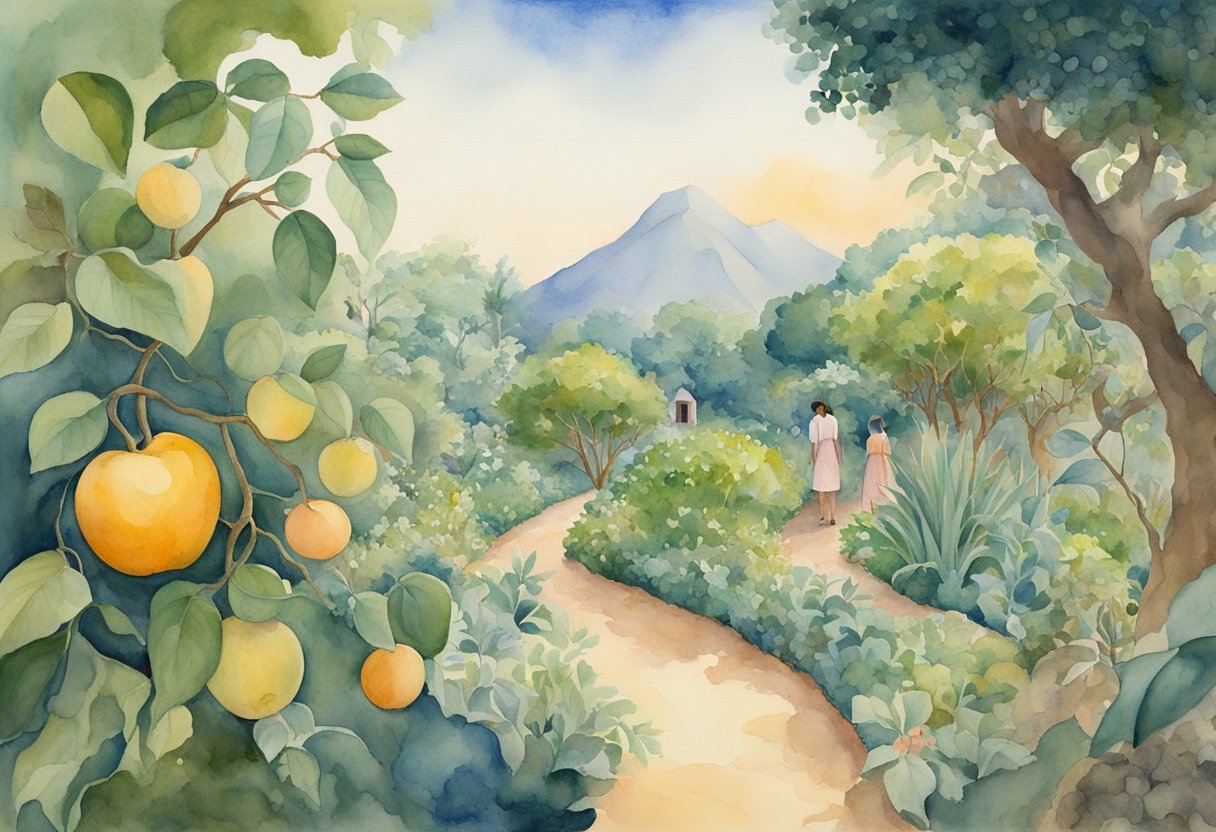
As Adam and Eve made their choice, they not only affected themselves but all of creation. This narrative reveals the far-reaching effects of disobedience, which brought not just spiritual death but also physical challenges and disrupted relationships.
The ripples of the fall remind readers that each choice carries weight and significance, impacting not only individuals but the world around them.
Exploring these consequences can lead to a greater appreciation for the redemptive pathway offered through faith. It highlights the enduring relevance of these ancient stories and how they connect to modern life.
Engaging with this topic invites readers to consider their place in the world and how they can navigate its challenges with hope.
Key Takeaways
- The fall led to significant changes in humanity’s relationship with God.
- Consequences of the fall include both spiritual and physical challenges.
- Understanding the fall can inspire hope and a redemptive journey.
Biblical Narrative of the Fall
The story of the Fall reveals how sin entered the world and its impact on humanity and creation. Key characters like Adam, Eve, and the serpent play crucial roles in this narrative. The Garden of Eden, the Tree of the Knowledge of Good and Evil, and their choices illustrate the consequences of disobedience.
Genesis 3: The Origin of Sin
Genesis 3 describes the moment humanity fell from grace. It begins with Adam and Eve enjoying life in the Garden of Eden. Everything was perfect, until a choice led to a change.


In this chapter, sin enters the world through disobedience to God’s command. This act sets the stage for a broken relationship between humanity and God.
Adam and Eve in Eden
Adam and Eve lived in harmony within the Garden of Eden. This paradise was filled with lush trees, vibrant flowers, and flowing rivers. They had everything they needed and walked closely with God.
Their relationship was pure and untainted, as they knew no shame. The joy of their life in Eden is a stark contrast to what follows.
The Deception by the Serpent
The serpent plays a pivotal role in introducing temptation. It is described as cunning and manipulative.
The serpent questions God’s command about the forbidden fruit, causing Eve to doubt. Its clever words twist the truth, suggesting that eating the fruit will not lead to death but will open their eyes.


This deception entices them to consider disobedience.
The Forbidden Fruit
The Tree of the Knowledge of Good and Evil stands at the center of this story. God commands Adam and Eve not to eat from this tree.
The fruit represents a choice between obedience and disobedience. When Eve and then Adam eat the fruit, they gain knowledge but lose their innocence. This act has serious repercussions for themselves and all of creation.
Spiritual and Moral Implications
The consequences of the Fall extend deeply into spiritual and moral realms. Original sin affects human nature and leads to disobedience. Additionally, it results in estrangement from God, bringing forth feelings of shame and loss of innocence.
Original Sin and Human Nature
Original sin refers to the fallen state of human nature. It originated with Adam and Eve’s disobedience in the Garden of Eden. This act introduced sin into the world, affecting all humanity.
Because of original sin, everyone inherits a tendency toward wrongdoing. This affects relationships, choices, and judgment.
Individuals often struggle with temptation as they face conflicts between their desires and moral standards.
Disobedience and Responsibility
Disobedience is a key consequence of the Fall. Adam and Eve chose to go against God’s command. This decision has led to a broader understanding of human responsibility.

Each person has the choice to follow or resist temptation. When individuals make choices that go against God’s truth, they bear the weight of these actions.
This struggle highlights the importance of moral responsibility and ethical living.
Estrangement from God
The Fall created a barrier between humanity and God. Before the Fall, Adam and Eve had a direct relationship with Him. After their disobedience, they felt separated and distant from God.
This estrangement comes with emotional turmoil. Individuals often experience feelings of loneliness and despair.
The loss of connection to God affects spiritual well-being, leading many to seek reconciliation.
Shame and the Loss of Innocence
After the Fall, Adam and Eve felt shame for their actions. They hid from God, showcasing their awareness of wrongdoing.
This shame marks a significant shift from innocence to guilt.
The loss of innocence alters how people perceive themselves and others. They become aware of their flaws and imperfections.
This shift can lead to ongoing struggles with self-worth and condemnation.
In all these aspects, the Fall has lasting implications. Each individual faces the ramifications of original sin, responsibility, and their relationship with God. As they navigate these challenges, they have the opportunity to seek healing and restoration.
Physical and Cosmic Consequences
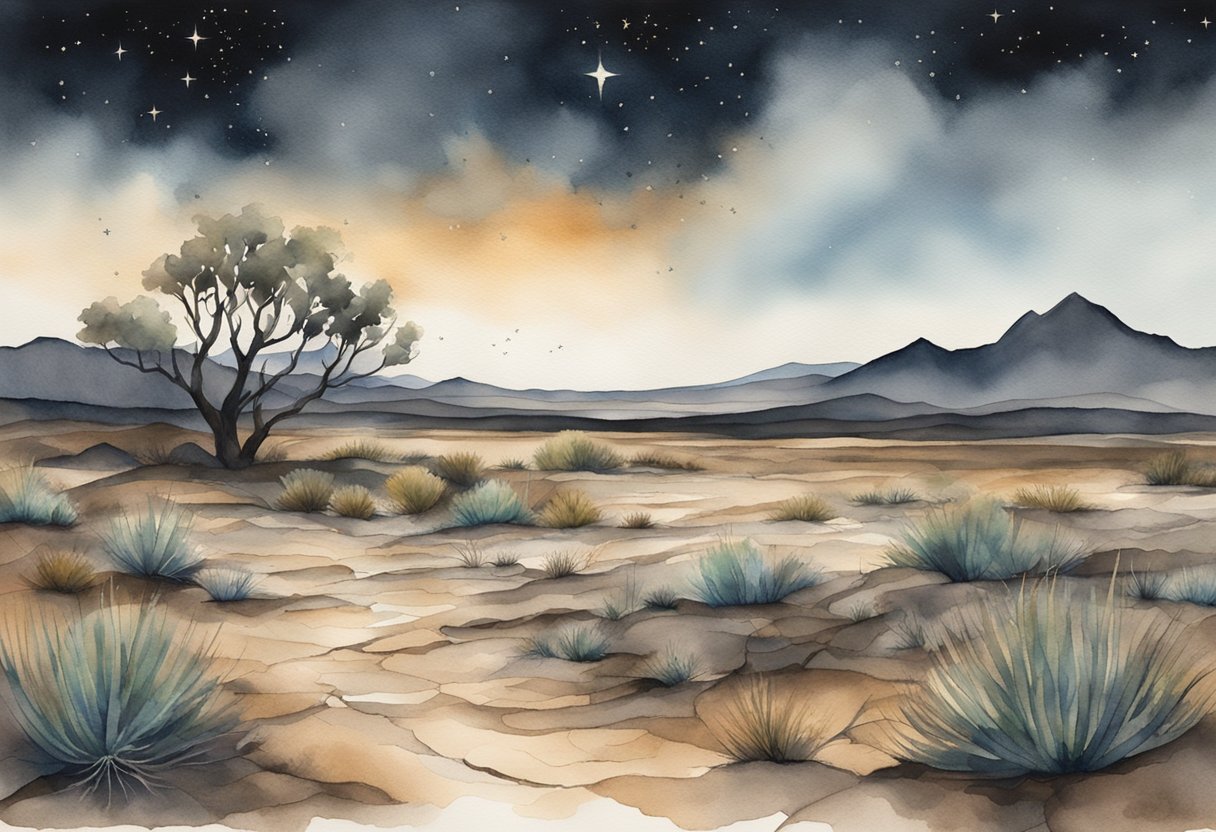
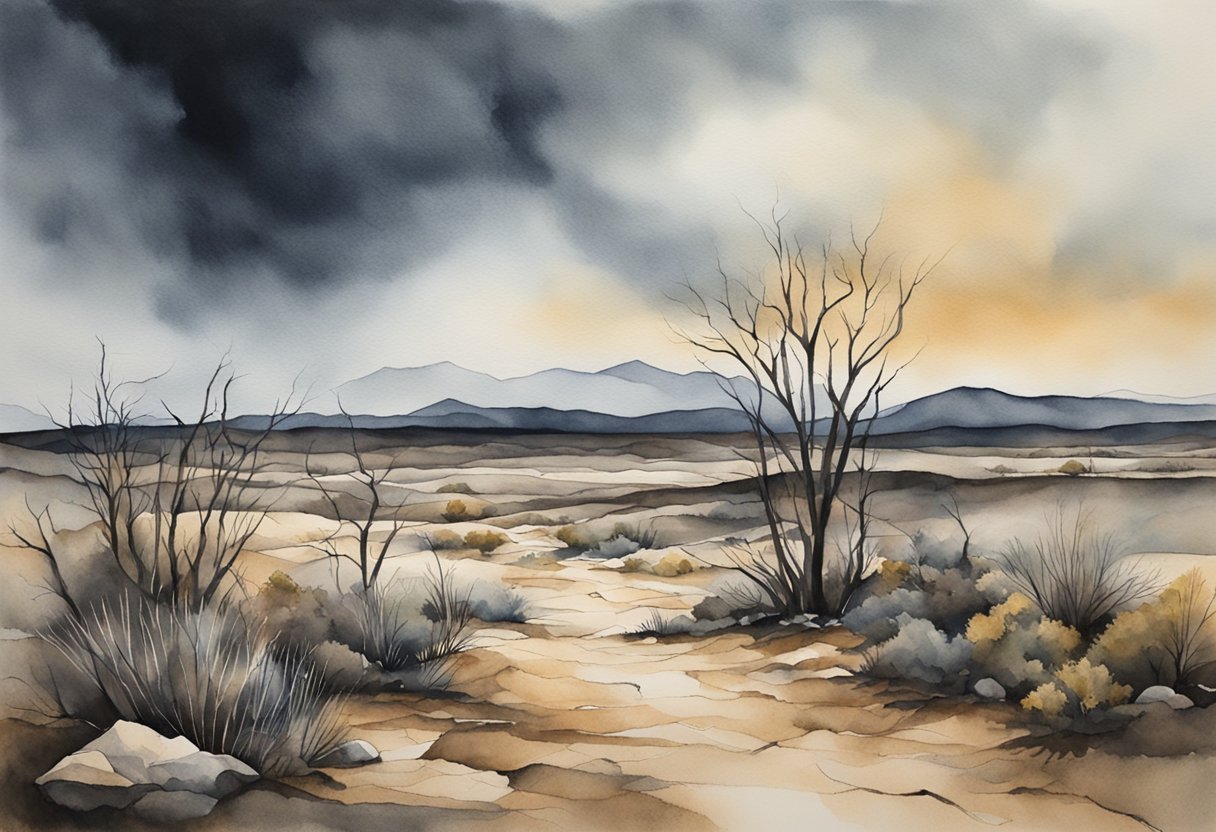
The fall of man brought significant physical and cosmic consequences. These changes affected both humanity and the entire created order leading to suffering, death, and a deep connection to sin.
Curses and the Perils of Life
After the fall, God pronounced specific curses that impacted Adam, Eve, and creation itself. For Adam, the ground became cursed, making work laborious. Thorns and thistles emerged, signaling increased struggle in life.
Eve faced pain in childbirth, showing that humanity’s rebellion brought physical hardships.
These consequences highlight how sin transformed the natural world. As humans faced challenges in everyday life, the harmony of creation was broken, affecting all living beings.
The consequences of sin fundamentally altered the way people relate to their environment and each other.
Death Enters Creation
The entrance of sin introduced death, both physical and spiritual. Romans 5:12 emphasizes that through one man’s sin, death spread to all.
This meant that not only did humans face mortality, but all creation experienced decay and death too.
Before the fall, there was no death or suffering. With the disobedience of Adam and Eve, the natural cycle of life changed dramatically.
Animals began to prey on one another, and the balance of ecosystems shifted, leading to suffering across the world. This new reality marked a profound shift in existence.
Nature in Bondage
Creation now exists in bondage to decay, as described in Romans 8:21. Nature, affected by humanity’s choices, suffers and groans, longing for restoration.
The impacts of sin brought disarray to the environment, forcing it into a cycle of suffering.
Weather patterns became unpredictable, and natural disasters emerged. Humanity’s stewardship over nature turned into a struggle for survival.
Even innocent creatures now face hardship as a result of sin. Nature’s cry reflects its longing for redemption, highlighting the deep connection between human actions and cosmic consequences.
Relational Aftereffects
The Fall of Man caused significant changes in how people relate to God and each other. It introduced a new dynamic of blame, affected intimate relationships, and raised questions about the balance between autonomy and connection.
Broken Intimacy with God
After the Fall, humanity experienced a rupture in their relationship with God. Adam and Eve’s disobedience led to shame, replacing their previous boldness in His presence. They hid from God rather than enjoying intimate fellowship.
This broken intimacy resulted in a struggle for faith and connection. Many now face challenges in trusting God and feeling His love.
The fear of rejection or punishment can overshadow their desire for closeness.
People often carry a sense of distance from God due to this initial separation, longing to reclaim that intimate relationship they have lost.
Human Relationships Altered
The Fall introduced blame and shame into human interactions. Relationships that were once characterized by love and trust became strained.
Adam and Eve’s first reaction after their disobedience was to blame each other. This pattern of blame continues to create conflict in relationships today.
People can struggle to communicate openly and honestly. Mistrust and misunderstandings can lead to distance between friends, family members, and partners.
The desire for intimacy is often clouded by past hurts and fear of vulnerability.
As individuals navigate these relational changes, they seek healing and understanding to rebuild connections.
Autonomy vs. Relationship

The tension between autonomy and relationship became evident after the Fall. People began to prioritize individual desires over communal bonds.
The desire for personal freedom sometimes clashes with the need for deep, meaningful connections.
Many now grapple with the choice to maintain independence or cultivate relationships. This conflict can hinder the formation of lasting bonds, as individuals may fear losing their sense of self.
Finding a balance between autonomy and connection is crucial for healthy relationships. Embracing vulnerability can foster love and trust, creating pathways for deeper connections while respecting individual needs.
Redemptive Pathway
The journey of redemption is an important theme in Christianity. It highlights how humanity can be restored after the fall. This pathway involves specific actions and promises that provide hope and a way back to righteousness.
The Promise of a Redeemer
In the midst of the fall, God made a promise of hope. He indicated that a Redeemer would one day come to save humanity from its brokenness.
This promise is seen in Genesis 3:15, where God speaks of a seed that would crush the serpent’s head.
This Redeemer would be central to restoring the relationship between God and His creation. The promise shows God’s love and desire to bring healing.
Faith in this promise became the foundation for the hope of salvation throughout biblical history.
Jesus Christ: The Second Adam
Jesus Christ is recognized as the Second Adam. He came to fulfill the promise made in Genesis. Where the first Adam failed by disobeying God, Jesus chose complete obedience.
Through His life, death, and resurrection, Jesus paved the way for redemption. His sacrifice took on the sin of humanity, offering forgiveness to all who believe.
This act showcases God’s glory and righteousness, giving hope to those who seek a new life.
Salvation and Reconciliation
Salvation is a gift offered to everyone through faith in Jesus. It is not earned by good deeds but received through grace.
When individuals accept this gift, they are reconciled with God. This reconciliation restores the intended relationship. It brings joy, peace, and a sense of purpose. Believers are called to live out their faith actively, sharing this hope with others.
The Restoration of All Things
The redemptive pathway leads to a promise of total restoration. The Bible speaks of a future where all things will be made new. This includes the renewal of creation itself.
God’s plan is not limited to individuals but extends to the entire world. The restoration will reflect the glory of God and His righteousness. Believers look forward to this future with hope, knowing that true peace and joy await.
Theological Interpretations and Perspectives
The fall of man offers various theological interpretations, each providing unique insights into sin, grace, and restoration. Understanding these perspectives helps illustrate the impact of the fall on creation and humanity.
Paul’s Teachings on Sin and Grace
In the Bible, Paul emphasizes the significance of sin and grace. He teaches that through Adam’s disobedience, sin entered the world. This is highlighted in Romans 5:12, where Paul notes, “Sin came into the world through one man.”
Paul also focuses on God’s grace as a response to this sin. He explains that grace is a gift that restores humanity’s relationship with God. Romans 5:20 states, “Where sin increased, grace abounded all the more.” This highlights that despite the fall, hope exists through faith in Christ.
Interpreting Through the Lenses of Faith
Interpreting the fall of man requires lenses of faith and scripture. Many believers view the fall as a pivotal moment in human history, marking the transition from paradise to a world filled with sin.
This event emphasizes humanity’s need for redemption. Texts like Genesis 3 tell of how sin corrupted creation, and interpretations often reflect on the loss of innocence and communion with God.
Thoughtful theological reflection helps believers understand their own struggles with sin in the light of faith.
Cultural Reflections on the Fall
The cultural impact of the fall can be seen in literature and art. Works like “Paradise Lost” explore themes of temptation, disobedience, and redemption. Such interpretations resonate through various cultures, asking important questions about morality and human nature.
Translations, like the NIV, KJV, and NKJV, offer different insights into scripture, affecting how believers understand the fall. Each translation brings its own nuance to the text, shaping perceptions of sin and grace. This variety highlights the ongoing conversation about the meaning and consequences of the fall within different cultural contexts.
Contemporary Relevance and Applications
The fall of man remains significant today. It provides lessons on human responsibility, the challenges of temptation, and the hope of eternal life. These themes resonate through everyday choices and relationship dynamics.
Lessons on Responsibility and Freedom
The fall teaches about the importance of making responsible choices. When Adam and Eve disobeyed, it wasn’t just a single act. Their decision brought consequences for all humanity, highlighting that choices affect not just the individual but also the wider community.
Understanding responsibility means recognizing the impact of one’s actions. In today’s world, people often face temptations that can lead to a rebellion against moral principles. This situation reflects the bondage to sin that started with the fall.
By learning from these early mistakes, individuals can cultivate self-discipline and make choices that lead to freedom and growth.
Facing Temptation in the Modern World
In the modern world, temptations are everywhere. Social media, peer pressure, and various distractions can lead individuals to stray from their values. The story of the fall illustrates how easily one can be misled.
Understanding that temptation is universal helps people navigate their challenges. Just as Eve faced the serpent’s deceit, individuals today must recognize and resist harmful influences.
Building a community of support can empower them to stay true to their beliefs. Creating boundaries and seeking guidance can lead to healthier choices, breaking the cycle of sin that began with humanity’s first fall.
Living in Hope of Eternal Life
The fall introduced death and sin into human history. Yet, through faith, there is hope for eternal life. This hope reassures people that despite the struggles of life, redemption is possible.
Embracing the promise of eternal life encourages individuals to live meaningfully. It reminds them that every choice matters. They can strive for a relationship with God and help others find their way.
By focusing on this hope, they can face challenges with courage and grace. This allows them to rise above the darkness introduced by the fall.