
Nebuchadnezzar was a mighty Babylonian king known for his impressive buildings and key biblical stories. But did his life hold a surprising turn?
Some believe that Nebuchadnezzar converted to Christian belief, blending power with faith in an unexpected way. This idea sparks curiosity and invites deeper exploration.

Join the journey as we delve into the legends and facts that might reveal a different side of this ancient ruler.
Historical Background Of Nebuchadnezzar
Nebuchadnezzar II ruled the Neo-Babylonian Empire from 605 to 562 BCE. He is renowned for his extensive building projects, including the famous Hanging Gardens of Babylon, one of the Seven Wonders of the Ancient World. Under his leadership, Babylon became a center of art, culture, and science.
Major Achievements
- Architecture: Constructed the grand Ishtar Gate, featuring vivid blue-glazed bricks and intricate reliefs of dragons and bulls.
- Fortifications: Expanded Babylon’s walls, making them among the most formidable of the ancient world.
- Irrigation Systems: Improved agricultural productivity by developing advanced irrigation techniques, supporting the empire’s economy.
Military Campaigns

Nebuchadnezzar led numerous military campaigns to expand and secure his empire:
- Conquest of Jerusalem (597 and 586 BCE): Captured Jerusalem, leading to the Babylonian Exile of the Jewish people.
- Defeats of Egypt: Successfully repelled Egyptian forces, asserting Babylonian dominance in the region.
Cultural Impact
His reign marked a period of significant cultural development:
- Literature: Patronized scholars and scribes, contributing to the preservation of Mesopotamian literature and knowledge.
- Religion: Promoted the worship of Marduk, the chief deity of Babylon, reinforcing religious unity within the empire.
Legacy
Nebuchadnezzar’s legacy endures through historical texts, including the Bible, where he is depicted as a complex leader with both achievements and challenges. His contributions to architecture and culture left an indelible mark on the history of Mesopotamia.
The Emergence Of Christian Beliefs
Christianity emerged in the 1st century CE, centuries after Nebuchadnezzar II’s reign ended in 562 BCE. Historical records and archaeological findings confirm that Nebuchadnezzar practiced Babylonian polytheism, primarily worshipping the god Marduk. There is no evidence in ancient texts or scriptures linking Nebuchadnezzar to Christian beliefs.
The Bible portrays Nebuchadnezzar as a staunch supporter of Babylonian deities. For instance, the Book of Daniel describes his efforts to promote the worship of idols and his persecution of those who adhered to the Jewish faith. These accounts emphasize his role in enforcing religious conformity within his empire, rather than embracing new religious movements.
Scholars agree that the timeline makes a conversion to Christianity impossible. Christianity did not exist during Nebuchadnezzar’s lifetime. The earliest followers of Jesus Christ began spreading the faith nearly seven centuries after Nebuchadnezzar’s death. Consequently, any claims of his conversion lack historical substantiation and are considered speculative.


Alternative theories suggesting Nebuchadnezzar’s conversion to Christianity often stem from later interpretations or fictional narratives. These theories aim to draw parallels between biblical stories and Christian doctrines but do not hold up under scholarly scrutiny. They remain part of myth-making rather than historical fact.
The rise of Christian beliefs occurred long after Nebuchadnezzar’s era. The historical and chronological gaps firmly place Nebuchadnezzar within the context of Babylonian religion, without any direct connection to the advent of Christianity.
Examining The Conversion Claims
Evidence Supporting The Conversion Theory
Proponents of Nebuchadnezzar’s conversion to Christianity cite various interpretations of biblical texts. They argue that certain passages in the Book of Daniel suggest a shift in his religious beliefs. For example, Daniel 3 describes Nebuchadnezzar worshiping the golden image, but his eventual acknowledgment of the God of Israel could imply a newfound faith. Additionally, some claim that historical interactions between Babylon and early Christians may have influenced his beliefs posthumously. These interpretations, however, rely heavily on symbolic readings and lack direct historical documentation.
Evidence Against The Conversion Theory
Scholars overwhelmingly dispute the notion that Nebuchadnezzar converted to Christianity. Historical records confirm that he reigned from 605 to 562 BCE, centuries before Christianity emerged in the 1st century CE. There are no contemporary sources or archaeological findings linking Nebuchadnezzar to Christian beliefs. Furthermore, biblical accounts depict him as a staunch supporter of Babylonian deities, actively persecuting those who adhered to the Jewish faith. The chronological gap and lack of evidence firmly place Nebuchadnezzar within the context of pagan Babylonian religion, making any claims of his conversion to Christianity historically implausible.
Biblical And Scholarly Perspectives

Exploring Nebuchadnezzar’s potential conversion to Christianity involves analyzing both biblical narratives and academic research. Scholars and theologians offer varied interpretations based on historical and scriptural evidence.


Interpretations Of Biblical Texts
Biblical accounts primarily depict Nebuchadnezzar as a supporter of Babylonian deities. In the Book of Daniel, he enforces the worship of gods like Marduk and persecutes those adhering to the Jewish faith. Some proponents of the conversion theory reference symbolic passages, suggesting hidden Christian influences. However, these interpretations lack direct evidence. For instance, Daniel 4 describes Nebuchadnezzar’s humbling experience but does not mention Christianity, which emerged centuries later. Most biblical scholars agree that the texts reflect Nebuchadnezzar’s role within Babylonian religion without indicating a shift to Christian beliefs.
Academic Views On The Conversion Theory
Academically, the theory of Nebuchadnezzar’s conversion to Christianity is widely dismissed. Historians emphasize the chronological gap, as Christianity was founded in the 1st century CE, while Nebuchadnezzar ruled in the 6th century BCE. Archaeological findings support his adherence to Babylonian religion, with no evidence linking him to Christian practices. Additionally, contemporary sources from his reign do not mention Christianity. Leading scholars, such as those from the University of Chicago and Harvard Divinity School, consider the conversion claims speculative and rooted in myth-making rather than historical fact. The consensus reinforces Nebuchadnezzar’s identity within the context of ancient Babylonian religion.
Implications Of Nebuchadnezzar’s Alleged Conversion
Nebuchadnezzar’s alleged conversion to Christianity, though historically unsupported, invites exploration into several significant areas.
Theological Repercussions
If Nebuchadnezzar had converted, it would reshape our understanding of early Christian influence. His support could have accelerated the spread of Christianity in Mesopotamia, potentially altering theological developments. This scenario challenges existing doctrines about the origins and dissemination of Christian beliefs.
Historical Reassessment
A conversion would necessitate revisiting historical timelines. Scholars would need to reconcile Babylonian records with early Christian texts, examining potential overlaps. It could lead to new interpretations of Mesopotamian and early Christian interactions, offering a more intertwined historical narrative.
Impact on Biblical Interpretation
Biblical narratives, particularly in the Book of Daniel, portray Nebuchadnezzar as a pagan ruler. His conversion would require reinterpreting these texts, possibly revealing hidden layers of Christian influence. This shift might influence theological studies and biblical exegesis, prompting scholars to seek alternative meanings in scripture.
Cultural and Religious Significance
Nebuchadnezzar’s conversion would highlight the interplay between ancient Babylonian culture and emerging Christian beliefs. It could illustrate how dominant empires interacted with and influenced new religious movements. This perspective emphasizes the role of political power in shaping religious landscapes.
Archaeological Considerations
Evidence of conversion would spur archaeological investigations. Artifacts, inscriptions, or structures reflecting Christian symbols in Babylonian sites would need reevaluation. Such findings could provide tangible links between Babylonian rulers and early Christianity, offering new insights into historical religious practices.
Scholarly Debate
The theory would ignite scholarly debate, dividing experts between traditional views and new interpretations. It would encourage interdisciplinary research, combining theology, history, and archaeology. This discourse could lead to a deeper, more nuanced understanding of ancient religious dynamics.
Educational Curricula

Incorporating this perspective would influence educational materials on ancient history and religion. Curricula might include alternative theories about religious conversions and their impacts on empires. This inclusion fosters critical thinking and encourages students to explore diverse historical narratives.
Potential for New Discoveries
Exploring Nebuchadnezzar’s conversion could uncover previously overlooked historical connections. Researchers might discover links between Babylonian and early Christian communities, enriching the study of ancient civilizations. These discoveries would contribute to a more comprehensive historical record.
Influence on Modern Faith Practices
Understanding such a conversion could inspire contemporary faith practices by highlighting the resilience and adaptability of religious beliefs. It may encourage believers to appreciate the historical depth and interconnectedness of their faith traditions.
Conclusion
While Nebuchadnezzar’s conversion to Christianity remains speculative, examining its implications provides valuable insights into theology, history, and cultural interactions. This exploration underscores the importance of interdisciplinary approaches in understanding ancient narratives and their lasting impacts.
Conclusion
The idea of Nebuchadnezzar embracing Christianity sparks curiosity but doesn’t hold up to historical scrutiny. His legacy remains firmly rooted in Babylonian traditions and achievements.

Exploring such theories highlights our fascination with connecting ancient histories to modern beliefs. It reminds us of the rich tapestry of human civilization and the stories that shape our understanding of the past.
Frequently Asked Questions
Who was Nebuchadnezzar II?
Nebuchadnezzar II was a powerful king of Babylon who reigned from 605 to 562 BCE. He is renowned for his extensive building projects, including the Hanging Gardens of Babylon and the grand Ishtar Gate. Under his leadership, Babylon became a center of art, culture, and science. He is also known for his military campaigns, especially the conquest of Jerusalem, which led to the Babylonian Exile of the Jewish people. Nebuchadnezzar II left a lasting legacy in Mesopotamian history and is frequently mentioned in historical texts, including the Bible.
What were Nebuchadnezzar II’s major accomplishments?
Nebuchadnezzar II is celebrated for his monumental construction projects, such as the Hanging Gardens of Babylon and the Ishtar Gate. He expanded Babylon’s impressive walls and developed advanced irrigation systems, boosting agricultural productivity. His reign saw Babylon become a hub of art, culture, and science. Additionally, he led successful military campaigns, including the conquest of Jerusalem and the repulsion of Egyptian forces, solidifying Babylon’s power in the region.
Did Nebuchadnezzar II convert to Christianity?
No, Nebuchadnezzar II did not convert to Christianity. Christianity emerged in the 1st century CE, long after his reign ended in 562 BCE. There is no historical evidence linking him to Christian beliefs. Claims of his conversion are speculative and part of myth-making rather than based on historical facts. Scholars agree that Nebuchadnezzar remained a supporter of Babylonian deities throughout his life.
What biblical narratives are associated with Nebuchadnezzar II?
Nebuchadnezzar II is prominently featured in the Bible, particularly in the Book of Daniel. He is depicted as a powerful ruler who enforced the worship of Babylonian gods like Marduk and persecuted those who adhered to the Jewish faith. The Bible also describes his dreams and their interpretations by Daniel, as well as his eventual recognition of the power of the God of Israel after experiencing a period of madness.
How did Nebuchadnezzar II impact Babylonian culture?
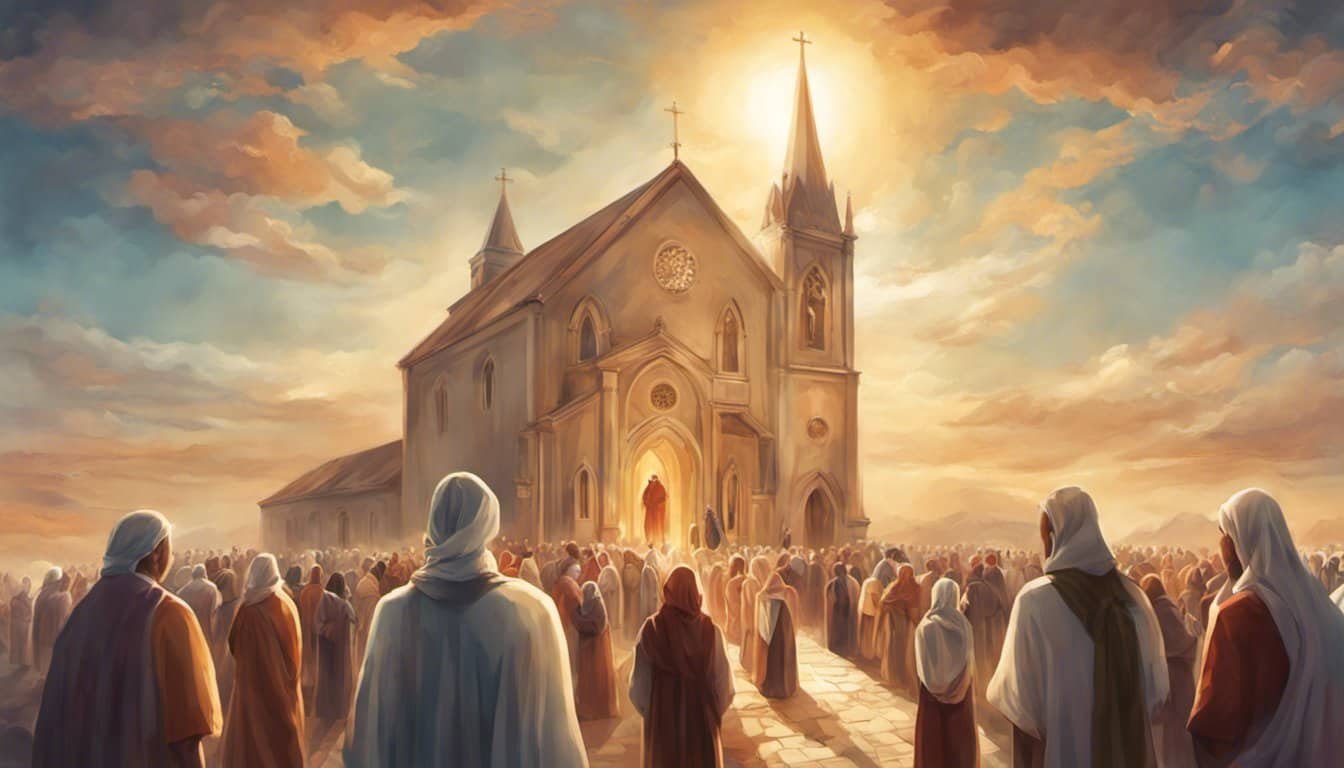
Nebuchadnezzar II significantly influenced Babylonian culture by patronizing scholars, artists, and architects. His extensive building projects enhanced the city’s infrastructure and aesthetic appeal, making Babylon a center of art and science. He promoted the worship of Marduk, reinforcing religious unity within the empire. His support for cultural and scientific advancements helped Babylon thrive and leave a lasting legacy in Mesopotamian history.
What was the Babylonian Exile under Nebuchadnezzar II?
The Babylonian Exile refers to the period when Nebuchadnezzar II conquered Jerusalem and deported many Jews to Babylon around 586 BCE. This event marked a significant moment in Jewish history, leading to the diaspora and influencing Jewish culture and religion. The exile ended the Kingdom of Judah and solidified Babylon as a dominant power in the region. It also had profound effects on the development of Jewish religious texts and traditions.
What are the Hanging Gardens of Babylon?
The Hanging Gardens of Babylon are one of the Seven Wonders of the Ancient World, traditionally attributed to Nebuchadnezzar II. They were said to be an astonishing series of tiered gardens with lush greenery and exotic plants, created to please his wife, Amytis of Media. Although their exact location and existence remain subjects of debate among historians, they symbolize the grandeur and architectural achievements of Nebuchadnezzar’s reign.
What is the historical evidence regarding Nebuchadnezzar II and Christianity?
There is no historical evidence linking Nebuchadnezzar II to Christianity. Christianity emerged centuries after his death, in the 1st century CE, making any direct connection impossible. Claims of his conversion rely on speculative interpretations of biblical texts and lack support from contemporary sources or archaeological findings. Scholars dismiss these theories, affirming that Nebuchadnezzar remained a follower of Babylonian religion.
How did Nebuchadnezzar II’s reign influence Mesopotamian history?
Nebuchadnezzar II’s reign had a profound impact on Mesopotamian history. His military conquests expanded the Babylonian Empire, while his building projects transformed Babylon into a cultural and economic powerhouse. He reinforced religious unity by promoting the worship of Marduk and supported advancements in art, science, and architecture. His legacy influenced subsequent empires and is well-documented in historical and biblical records, highlighting his role as a key figure in ancient Mesopotamia.
What are the main scholarly views on Nebuchadnezzar II’s religious beliefs?
Scholars agree that Nebuchadnezzar II adhered to Babylonian religion, primarily worshipping gods like Marduk. Biblical accounts depict him as a devout supporter of these deities and a persecutor of other faiths, including Judaism. Academic research dismisses theories of his conversion to Christianity, citing the chronological gap and lack of evidence. The consensus reinforces his identity within the context of ancient Babylonian religion, without any direct connection to later religious movements.
