
Sunday school has long been a vital part of Christian education. Teaching in Sunday school can unite different generations and foster a welcoming community.
From children to adults, everyone can discover biblical truths that apply to their lives. This inclusive atmosphere encourages meaningful discussions and personal growth.


Understanding the historical context of Sunday school enhances its relevance today. This educational model emphasizes the importance of scripture and spiritual formation.

By adapting practices that suit diverse age groups, Sunday school can meet the changing needs of congregations while remaining rooted in biblical principles. The role of the Holy Spirit in these lessons further enriches the experience, making it dynamic and engaging for every participant.
Fostering community engagement through Sunday school can help bridge gaps between age groups. As churches serve their local communities, they equip members with knowledge and skills that extend beyond the classroom.
This blend of education and mission work emphasizes the importance of collective growth in faith and service.
Key Takeaways
- Sunday school is essential for teaching biblical principles to all ages.
- Community engagement enhances the impact of Christian education.
- The Holy Spirit plays a crucial role in guiding meaningful discussions.
Historical Context of Sunday School
Sunday school has a rich history that has shaped church education in meaningful ways. Understanding its origins and evolution provides insights into how it has impacted teaching across various age groups within the church.
Origins and Evolution
The concept of Sunday school began in the late 18th century. Robert Raikes, an Englishman, started the first known Sunday school in 1780 in Gloucester, England. His goal was to teach poor children how to read and instill Christian values through Bible lessons.


As Sunday schools gained popularity, they spread to various countries. By the 19th century, many churches adopted the model, and Sunday schools became an essential part of church life. They evolved into structured programs for children and later included classes for adults, adapting to the needs of communities.
Impact on Church Education
Sunday school has fundamentally changed how churches approach education. It provides a designated time for teaching scripture and moral lessons, laying the foundation for lifelong faith.
The method of teaching varies widely. Some churches use traditional lectures, while others prefer interactive discussions. This adaptability allows for engagement across different age groups and learning styles.
Beyond education, Sunday school fosters community. It creates bonds among participants, encouraging fellowship within the church. Many adults who started in Sunday school continue to engage in church life, highlighting its long-lasting influence on spiritual growth and church membership.
The Role of Sunday School in Modern Christian Education






Sunday School plays a vital part in shaping Christian education today. It serves as a platform for teaching Bible stories, developing faith, and applying Christian values in daily life. This section will explore how Sunday School caters to different age groups and integrates with family life.
Teaching Across Different Age Groups
Sunday School effectively teaches children, teens, and adults, allowing for tailored lessons. Teachers utilize age-appropriate Bible stories to engage learners.
For young children, stories about Noah’s Ark or David and Goliath capture their imagination and help them grasp key values like obedience and bravery.
For teens, discussions can be more complex. They delve into topics like peer pressure and morality through a Christian lens. Adult classes focus on deeper studies of the Bible and its application in daily life.
All age groups benefit from this structured learning, as it builds faith and fosters a sense of community.
Curriculum and Content Development
The curriculum in Sunday School is crafted to support spiritual growth. It often features Bible stories, prayers, and activities aimed at reinforcing faith.
Sunday School teachers work to ensure that the content is engaging and relevant for their students.
Many programs include interactive elements, such as group discussions and hands-on projects. This approach helps students connect biblical principles to their lives.
For instance, lessons about kindness might include a service project, instilling the importance of helping others in practical ways.
Integration with Family Life and Daily Faith

Sunday School emphasizes the connection between church teachings and family life. Parents are encouraged to be involved, reinforcing lessons learned during class at home.
This partnership helps create a consistent faith environment for children.
Many churches provide resources to assist families, like devotionals or discussion guides. These tools support daily faith practices, such as prayers before meals or reading Bible stories together.
By integrating lessons into family life, Sunday School helps nurture a strong Christian foundation that lasts beyond the classroom.
Organizational Structure of Sunday School

The organizational structure of Sunday School plays a crucial role in fostering a successful learning environment. Key areas include the responsibilities of teachers, collaboration with the local church, and the support of volunteers and staff.
Responsibilities of a Sunday School Teacher
A Sunday School teacher has a vital role. They are not just instructors but are also mentors and guides.
Their main duties include preparing lessons that align with scripture and engaging students across various age groups.
In addition to teaching, they should foster a welcoming atmosphere. It’s crucial for teachers to encourage participation and create connections among students.
Effective communication with parents helps ensure students’ spiritual growth extends beyond Sundays.

They also assess the learning needs of their class, adjusting their approach as necessary. Being a positive role model in the community of believers is an essential part of their responsibilities, reflecting the values they aim to teach.
Collaboration with the Local Church
The local church provides essential support and resources to Sunday School. Teachers work closely with church leaders to align their lessons with the church’s mission and core beliefs.
Regular meetings facilitate open communication between teachers and church staff. This collaboration ensures everyone is on the same page, enhancing the learning experience for students.
Church events can also support Sunday School activities, allowing teachers to showcase their work and encourage broader community participation.
This partnership fosters a strong bond with the community of believers, reinforcing the importance of unity in faith.
Supporting Volunteers and Staff

Supporting volunteers and staff is crucial for a thriving Sunday School. The organizational structure should include ongoing training and resources for all involved.
Having regular meetings provides volunteers with a platform to share ideas and address challenges. This support encourages commitment and passion among those helping to guide the students.
Celebrating the achievements of staff and volunteers helps maintain motivation.
Recognition through simple appreciation gestures can significantly enhance the overall atmosphere of the Sunday School program.
This collective effort strengthens the community and enriches the spiritual journey for students.
Biblical Principles in Sunday School Teaching

In Sunday school, biblical principles guide how teachers share God’s Word with learners of all ages. Effective teaching incorporates engaging Bible stories and fosters spiritual growth through sound biblical teaching methods.
Incorporation of Bible Stories
Bible stories play a vital role in Sunday school. They are not just tales but powerful lessons that bring scripture to life.
Teachers should select stories that resonate with the age group they are teaching.
Examples of impactful Bible stories include:
- David and Goliath: A lesson on courage and faith.
- The Good Samaritan: Teaching kindness and love for others.
- Jesus Calms the Storm: Demonstrating trust in God’s power.

These stories help students connect emotionally and spiritually with the text.
By employing visuals, interactive activities, or role-plays, teachers can deepen learners’ understanding of these biblical accounts.
Fostering Spiritual Growth Through Biblical Teaching
Biblical teaching in Sunday school is more than relaying facts. It’s about nurturing faith development.
Teachers should encourage open discussions where students feel comfortable sharing their thoughts and questions.
Effective strategies include:
- Encouraging prayer for personal and communal needs.
- Assigning scripture memorization to strengthen their knowledge of God’s Word.
- Using small group discussions to allow deeper exploration of faith topics.

By focusing on practical applications of biblical principles, students learn how to live out their faith daily.
This strengthens their relationship with God and helps them see the relevance of the Bible in their lives.
The Role of the Holy Spirit in Sunday School
The Holy Spirit plays a vital role in the Sunday School setting. It provides guidance for teachers and empowers believers to use their spiritual gifts.
This presence is essential for effective teaching and learning.
Guidance and Inspiration for Teachers

In Sunday School, teachers often seek the Holy Spirit’s guidance to lead effectively. They rely on the Spirit to inspire lessons that resonate with children and adults alike.
This divine influence helps educators present biblical truths in relatable ways.
When teachers are filled with the Holy Spirit, they can communicate more effectively. They become better at listening to their students’ needs and adapting their lessons accordingly.
This responsiveness creates a supportive environment that encourages faithfulness and spiritual growth.
Additionally, teachers can feel confident in their teaching when they trust the Holy Spirit.
This trust fosters a sense of peace and purpose, allowing them to focus on their students’ spiritual journeys.
Empowering Believers through Spiritual Gifts
The Holy Spirit empowers all believers in Sunday School by providing spiritual gifts. These gifts are unique abilities that help individuals contribute to the learning community. They include teaching, encouragement, and administration.
When believers use their gifts, they enhance the overall experience for everyone involved.
For example, a teacher with the gift of encouragement can uplift students, making them feel valued. This boost builds faithfulness and strengthens their connection to the lessons.
Moreover, the Holy Spirit can guide congregants to identify and develop their gifts.
This empowerment leads to more active participation in church activities. Everyone benefits when members feel confident and supported in their roles within the Sunday School.
Assessing and Enhancing Sunday School Outcomes
Effective Sunday school programs require regular assessments to improve educational outcomes. By measuring faith development and enhancing teaching methods, churches can ensure they meet the needs of all ages.
Tools for Measuring Faith Development
Church leaders can use various tools to gauge faith development in Sunday school. Surveys are a popular choice, allowing teachers to collect feedback directly from students and parents.
Key questions might include:
- What Bible stories resonated most?
- How has your understanding of faith changed?
Observation is another powerful tool. Teachers can assess how students engage during lessons and activities. Regular discussions can also help identify areas needing improvement.
Incorporating biblical principles into assessments ensures relevance.
For example, asking students to reflect on how lessons apply to their lives can deepen understanding and encourage personal growth.
Continuous Improvement of Teaching Methods
Improving teaching methods is essential for effective Sunday school. Gathering feedback is vital, but so is ongoing education for teachers.
Workshops and training can provide new ideas and approaches.
Here are some strategies for enhancement:
- Peer reviews: Teachers can observe one another and share constructive feedback.
- Resource sharing: Collaborating on lesson plans and materials can bring fresh perspectives.
Incorporating technology can also enhance learning. Online resources and interactive activities can engage students more effectively.
Using a variety of teaching styles, such as storytelling or hands-on activities, can cater to diverse learning preferences. By being adaptable, teachers can foster a more effective and inclusive learning environment.
Community Engagement and Missions
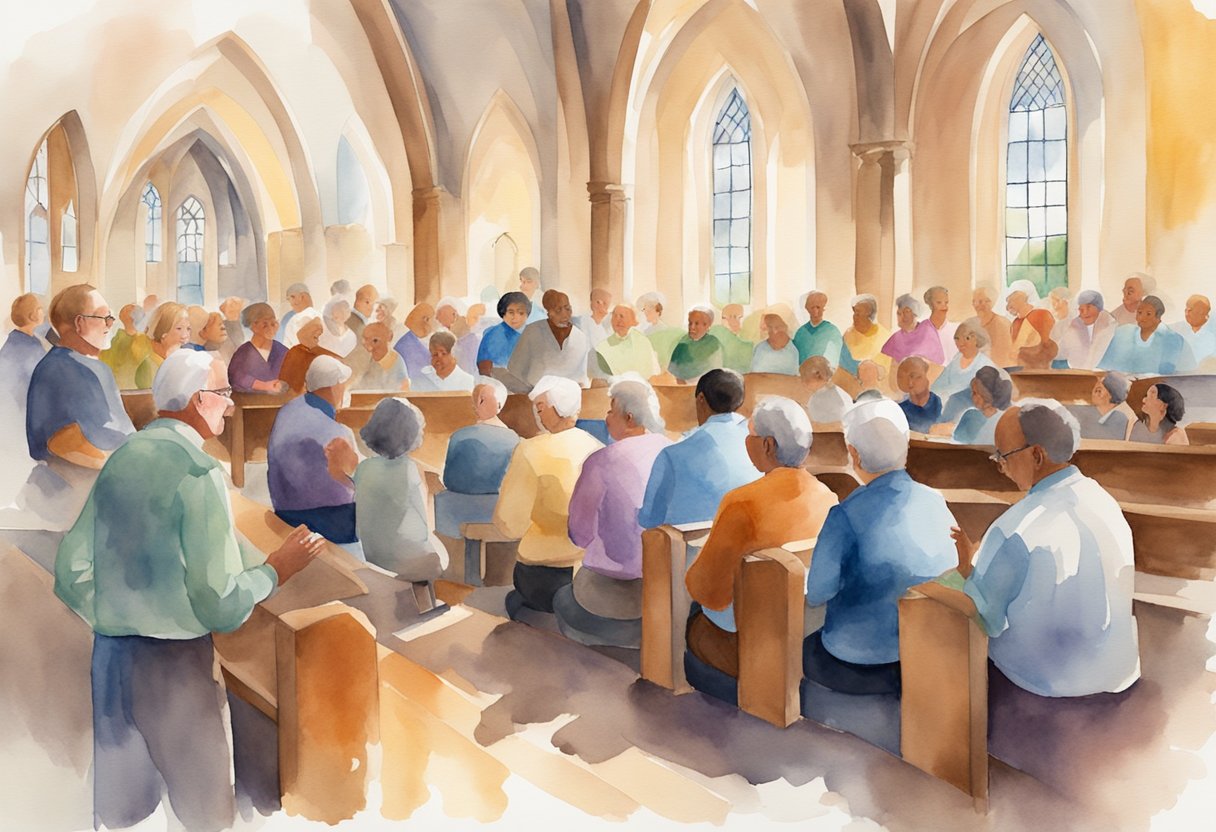
Engaging with the community and participating in missions are vital aspects of a vibrant Sunday school. These elements not only help in teaching the gospel but also foster a sense of belonging among members of the church.
Incorporating Missions in Sunday School Curricula
Missions play a crucial role in Sunday school, offering students hands-on experiences that extend beyond the classroom.
Educators can integrate mission-focused lessons that teach about global needs and cultural awareness.
Activities like local food drives or visiting nursing homes allow students to practice compassion.
Teachers can also use interactive storytelling to introduce mission work, making it relatable and inspiring for all ages.
Including guest speakers from mission organizations provides real-world insights. This helps students understand how their faith impacts lives beyond their immediate community.
Building a Community of Believers
Creating a community of believers is essential for spiritual growth. Sunday school fosters connections among individuals of all ages, allowing them to share experiences and support one another.
Small group discussions can encourage open dialogues about faith and life. Events such as potlucks or service projects further strengthen these bonds.
The local church plays a key role in facilitating these gatherings. By providing a welcoming space, they help build relationships that last.
These connections enable believers to work together in missions, reaching out to those in need within and outside the church community.
Being part of this vibrant community encourages individuals to live out their faith actively, supporting each other along the way.
Advancing Christian Education Through Bible Studies
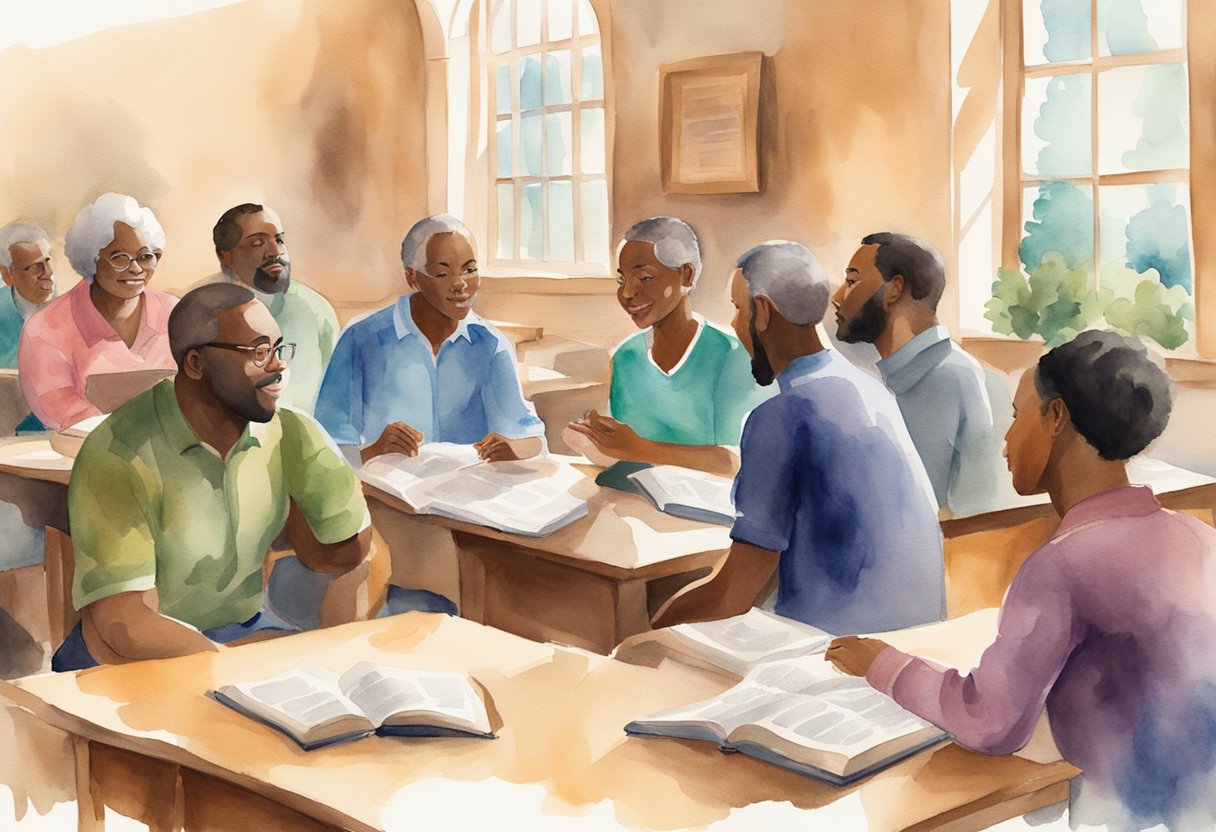
Bible studies play a crucial role in enhancing Christian education. They provide structured learning environments and foster deeper connections to faith. By focusing on comprehensive programs and engaging sessions, Bible studies can impact learners of all ages.
Developing Comprehensive Bible Study Programs
Creating a comprehensive Bible study program is essential for Christian education. These programs should cater to different age groups and knowledge levels. They can include themes like faith, love, and community service.
Educators can develop tailored curricula that include:
- Weekly Discussions: Regular meetings help reinforce learning.
- Thematic Studies: Focus on various Bible books or topics.
- Resource Materials: Use books, videos, and online content for diverse learning.
Including activities such as group projects or service opportunities can also enhance understanding.
By planning thoughtfully, educators can create engaging and informative Bible studies that resonate with all participants.
Interactive and Engaging Study Sessions
Interactive sessions keep participants interested and encouraged to participate. Engaging Bible studies foster discussion and deeper understanding of the material.
Techniques to make sessions interactive include:
- Group Discussions: Encourage open dialogue where everyone can share thoughts.
- Role-Playing: Allow participants to act out Bible stories for better connection.
- Quizzes and Games: Incorporate fun elements to reinforce learning.
These methods make studies enjoyable while helping participants apply lessons to their lives. An interactive approach creates a community feel, increasing involvement and connection to faith.
Challenges and Solutions in Sunday School Teaching

Sunday School teachers often face various challenges while trying to engage learners of all ages. Understanding these issues can help improve the experience for both teachers and students. Here are some key areas to focus on.
Addressing Common Teaching Challenges
One challenge in Sunday School is keeping the attention of children and teens. With distractions around them, it’s important for teachers to create an engaging atmosphere.
Teachers can use storytelling, games, and hands-on activities to make lessons relatable.
Another issue is the varying levels of understanding in a single class. Teachers should assess the background and knowledge of each student.
Grouping students by their learning levels can help ensure everyone gets the attention and information they need.
Building a strong relationship with students is crucial. When students feel valued, they are more likely to engage. Regular communication with parents can also support this by encouraging learning outside the classroom.
Adopting Innovative Teaching Styles and Technologies
Incorporating technology into Sunday School can make lessons more engaging. Tools like interactive presentations and educational apps can capture students’ interest. Many teachers have had success using videos or podcasts that present Bible stories in an entertaining way.
Teachers can also adopt different learning styles to cater to their students. For example, they can balance visual, auditory, and kinesthetic activities. This variety keeps lessons fresh and caters to diverse learning preferences.
Group projects or discussions can be effective for older students. This encourages collaboration and critical thinking. Making lessons interactive helps students feel more connected to their faith and each other.
