
John of Patmos has long been a pivotal figure in Christian theology, primarily known for his prophetic visions recorded in the Book of Revelation. These vivid and symbolic revelations have sparked countless debates and interpretations over the centuries. But did his visions truly shape the trajectory of Christianity’s future?
Exploring this question takes us on a journey through history, theology, and the enduring influence of prophetic literature. By examining the context in which John wrote and the impact his visions have had on believers and leaders alike, we can better understand the role his insights have played in defining Christian thought and destiny.

Building a strong faith foundation isn’t something that happens overnight. It takes intentional effort and dedication. Whether you’re just starting your spiritual journey or looking to deepen your existing beliefs, these practical steps can help guide you along the way.
Understanding John of Patmos and His Visions
Starting your day with a devotional sets a positive tone. It’s a moment to connect with your beliefs before the day’s challenges begin.
- Choose a Time and Place
- Pick a consistent time each morning.
- Find a quiet spot free from distractions.
- Select Devotional Material
- Use a trusted devotional book or app.
- Consider themes that resonate with your current life situation.
- Reflect and Pray
- Take a few moments to meditate on the reading.
- Offer a prayer for guidance and strength.

Scripture to Consider:
“This is the day the Lord has made; let us rejoice and be glad in it.” — Psalm 118:24
Engaging with Scripture: Making It a Habit
Regularly reading the Bible helps you understand and apply its teachings to your life.
Set Realistic Goals
- Aim to read a chapter a day.
- Use a reading plan to stay on track.
Take Notes
- Highlight verses that stand out.
- jot down questions or insights.
Join a Study Group
- Discuss interpretations with others.
- Gain different perspectives.
Have you ever noticed how certain passages speak directly to your current experiences? That’s the Bible’s way of guiding you.
Community Involvement: Finding Support
Being part of a faith community provides encouragement and accountability.
- Attend Services Regularly
- Participate in weekly gatherings.
- Engage in worship and fellowship.
- Volunteer
- Serve in church ministries.
- Help out with community outreach programs.
- Build Relationships
- Make connections with fellow members.
- Share your faith journey with them.
Inspiration from Scripture:
“And let us consider how we may spur one another on toward love and good deeds.” — Hebrews 10:24
Prayer Practices: Deepening Your Connection
Prayer is a powerful tool for communication with God. Developing a consistent prayer life enhances your spiritual growth.


Set Aside Time
- Dedicate specific times for prayer each day.
- Use morning and evening as prime times.
Create a Prayer List
- Include personal needs and the needs of others.
- Update it regularly to reflect current concerns.
Practice Different Forms of Prayer
- Try silent meditation, spoken prayers, or journaling.
- Experiment to find what resonates with you.
Ever felt overwhelmed? Prayer can provide comfort and clarity during tough times.
Living Out Your Faith: Applying Beliefs Daily
Faith isn’t just something you practice on Sundays. It’s about living your beliefs every day.
Make Ethical Choices
- Align your actions with your values.
- Reflect on how decisions impact others.
Show Compassion
- Offer help to those in need.
- Practice kindness in everyday interactions.
Share Your Story
- Talk about your faith journey with others.
- Be open about how your beliefs guide you.
Encouraging Words:
“In the same way, let your light shine before others, that they may see your good deeds and glorify your Father in heaven.” — Matthew 5:16
Continuous Learning: Expanding Your Understanding
Never stop seeking knowledge about your faith to strengthen your beliefs and understanding.
Read Theological Books
- Explore different perspectives within Christianity.
- Dive deeper into biblical studies.
Attend Workshops and Seminars
- Participate in educational events.
- Engage with knowledgeable speakers.
- Find a mentor within your community.
- Learn from their experiences and insights.

Are you ready to take your faith to the next level? Embracing continuous learning can open new doors in your spiritual journey.




Theological Implications of John’s Visions
John of Patmos’ visions offer profound insights into Christian theology, influencing doctrines and eschatological perspectives. These revelations continue to shape believers’ understanding of divine purpose and the future.
Symbolism and Imagery in Revelation
The Book of Revelation employs rich symbolism and vivid imagery to convey theological truths. Key symbols include:
- Seven Seals: Represent divine judgment and the unfolding of God’s plan.
- Four Horsemen: Symbolize conquest, war, famine, and death, illustrating the tribulations preceding the end times.
- New Jerusalem: Depicts the ultimate restoration and eternal dwelling of the faithful.
These symbols draw from Old Testament references, enhancing their theological significance. For instance, the Lamb symbolizes Christ’s sacrificial role, while the dragon represents evil forces opposing God.
Interpretations Across Christian Denominations
Christian denominations vary in their interpretation of John’s visions:
- Premillennialism: Believes in a literal thousand-year reign of Christ on earth, emphasizing imminent end times.
- Amillennialism: Views the millennium symbolically, focusing on the present church age and spiritual reign of Christ.
- Postmillennialism: Anticipates a gradual Christianization of the world, leading to Christ’s return after a golden age.
These differing perspectives influence each denomination’s approach to prophecy, morality, and the anticipation of future events.
Influence on Christian Eschatology
John of Patmos’ visions significantly shape Christian eschatological views, influencing doctrines and practices across various denominations.
Shaping Doctrines of the End Times
John’s Book of Revelation introduces key concepts like the Seven Seals, the Four Horsemen, and the New Jerusalem. These elements form the foundation for doctrines such as the Second Coming, the Millennium, and the final judgment. For instance, premillennialism interprets the Millennium as a literal thousand-year reign of Christ, directly stemming from Revelation 20:1-6. Conversely, amillennialism views these prophecies symbolically, emphasizing the ongoing spiritual battle. These interpretations guide theological frameworks and inform beliefs about the sequence and nature of end-time events.
Impact on Christian Thought and Practice
The visions in Revelation influence ethical decisions and spiritual practices among believers. The call to perseverance and faithfulness in the face of tribulation encourages moral integrity and resilience. Additionally, the imagery of the New Jerusalem inspires hope and motivates charitable actions, aiming to create a just and compassionate society. Churches incorporate eschatological teachings into sermons and educational programs, fostering a community oriented towards future fulfillment and divine purpose. This ongoing influence ensures that John of Patmos’ visions remain integral to contemporary Christian life and doctrine.
Critiques and Alternative Perspectives
Scholarly Debates on Revelation’s Authority
Scholars question the canonical authority of Revelation. Some argue it reflects late first-century conflicts rather than divine revelation. Others highlight linguistic and stylistic differences from other New Testament texts, suggesting diverse authorship influences. Historical-critical methods analyze its apocalyptic imagery, linking it to Jewish prophetic traditions. These debates challenge the uniform acceptance of Revelation as authoritative scripture.
Alternative Views on Defining the Christian Future

Various interpretations offer different visions of Christianity’s future. Premillennialists see a literal thousand-year reign of Christ on earth, emphasizing imminent global changes. Amillennialists interpret the millennium symbolically, focusing on the spiritual reign of Christ in the present age. Postmillennialists believe in a gradual improvement of the world through Christian influence. These perspectives shape distinct approaches to prophecy, ethics, and the role of the church in society.
Conclusion
John of Patmos’ visions continue to spark discussion and inspire believers today. They offer a profound glimpse into the hopes and challenges that shape Christian destiny. Regardless of varying interpretations the symbolic imagery and prophetic insights remain a cornerstone for many faith communities. Embracing these visions helps believers navigate their spiritual journey and reinforces the enduring legacy of Revelation in shaping Christian thought and future.
Frequently Asked Questions
Who is John of Patmos?
John of Patmos is traditionally identified as the author of the Book of Revelation in the New Testament. He is considered a pivotal figure in Christian theology for his prophetic visions that reveal the ultimate destiny of humanity and the church. John’s writings have sparked extensive theological discussions and diverse interpretations, influencing Christian doctrines and eschatological beliefs across various denominations.
What is the significance of the Book of Revelation?
The Book of Revelation holds significant importance in Christian theology as it presents prophetic visions about the end times, the second coming of Christ, and the establishment of the New Jerusalem. Its rich symbolism and vivid imagery, including the Seven Seals and the Four Horsemen, convey profound theological truths and have shaped Christian eschatological perspectives, influencing believers’ understanding of morality, hope, and divine purpose.
How do different Christian denominations interpret Revelation?
Christian denominations interpret Revelation differently, primarily through frameworks like premillennialism, amillennialism, and postmillennialism. Premillennialists expect a literal reign of Christ on earth, amillennialists view the millennium as a spiritual period, and postmillennialists believe in gradual world improvement through Christian influence. These interpretations affect each denomination’s approach to prophecy, ethics, and the church’s role in society.
What are the theological implications of John’s visions?

John’s visions in Revelation have profound theological implications, shaping doctrines related to the Second Coming, the Millennium, and the final judgment. The symbolic elements of the text draw from Old Testament traditions, influencing Christian beliefs about divine justice, hope, and the ultimate fulfillment of God’s plan. These visions encourage moral integrity and resilience among believers, fostering a community oriented towards future divine purpose.
How can believers build a strong faith foundation?
Believers can build a strong faith foundation by starting each day with a devotional, engaging regularly with Scripture, and participating in a faith community for support. Developing a consistent prayer life and making ethical choices based on Christian principles are essential. Additionally, continuous learning through theological books and workshops deepens understanding and practice, promoting spiritual growth and resilience.
What critiques exist regarding the authority of Revelation?
Some scholars critique the authority of Revelation, questioning its canonical status and suggesting it may reflect late first-century conflicts rather than divine revelation. Linguistic differences indicate diverse authorship, and historical-critical methods analyze its apocalyptic imagery in the context of Jewish prophetic traditions. These critiques challenge the uniform acceptance of Revelation as authoritative scripture and highlight the need for diverse interpretative approaches.
How do John’s visions influence Christian ethics and practices?
John’s visions influence Christian ethics and practices by encouraging moral integrity and resilience in believers. The imagery of the New Jerusalem inspires hope and motivates acts of compassion and charity. These visions shape ethical decisions by emphasizing justice, perseverance, and the pursuit of a divine purpose, fostering a community dedicated to living out faith-based values in everyday life.
What role does symbolism play in the Book of Revelation?
Symbolism is central to the Book of Revelation, with elements like the Seven Seals, the Four Horsemen, and the New Jerusalem conveying deep theological meanings. These symbols draw from Old Testament references and apocalyptic literature, allowing for rich and varied interpretations. The vivid imagery helps communicate complex eschatological concepts and reinforces the message of hope and divine sovereignty.
How does Revelation shape eschatological views in Christianity?
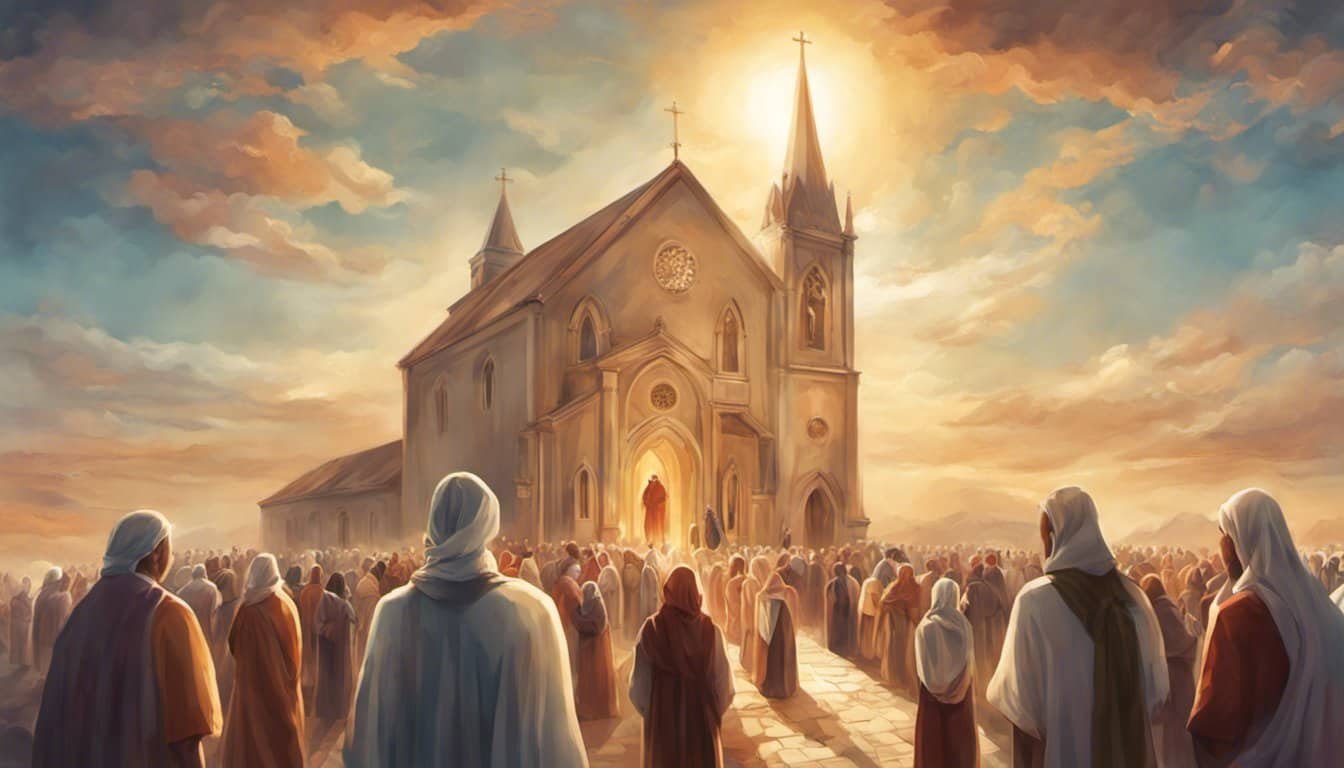
Revelation shapes eschatological views by outlining key concepts such as the Second Coming of Christ, the Millennium, and the final judgment. These ideas form the foundation for various Christian eschatological perspectives and influence doctrines about the end times. The book’s prophetic nature encourages believers to live with hope and preparedness, shaping their understanding of history and future events within a divine framework.
What practical steps does the article suggest for spiritual growth?
The article suggests practical steps for spiritual growth, including starting each day with a devotional, regularly engaging with Scripture, and being part of a supportive faith community. It emphasizes developing a consistent prayer life and making ethical choices aligned with Christian values. Additionally, continuous learning through theological readings and attending workshops is encouraged to deepen understanding and enhance the practice of faith.
