The story of the Magi has fascinated believers and historians alike for centuries. These wise men traveled far, guided by a celestial sign, to honor a newborn king. But who was this king they sought, and what were their true intentions?
Some wonder if the Magi were searching for a Christian king long before the faith was formally established. Exploring historical texts and biblical accounts reveals intriguing insights into their journey and the significance of their quest. Delving into this topic uncovers the rich tapestry of tradition and interpretation surrounding the Magi’s mission.
Who Were the Magi

The Magi, often referred to as the Wise Men, play a pivotal role in the nativity story. They journeyed from the East, guided by a celestial sign, to honor the birth of a new king. But who exactly were these individuals, and what motivated their remarkable voyage?
Historical Background
Historically, the Magi were scholars and priests from regions like Persia or Babylon. They specialized in astrology, astronomy, and the interpretation of dreams and omens. Their expertise made them respected figures in their societies, often consulted by royalty for their wisdom and guidance.
Cultural Significance

Culturally, the Magi symbolize the recognition of Jesus by the Gentiles. Their gifts—gold, frankincense, and myrrh—hold deep significance:
- Gold represents kingship on earth.
- Frankincense signifies deity, acknowledging Jesus as divine.
- Myrrh foreshadows his suffering and death.
Their journey underscores the universal acknowledgment of Jesus’s importance, bridging different cultures and traditions.
Motivations Behind Their Journey
The Magi’s decision to follow the star was driven by curiosity and reverence. Intrigued by the celestial event, they sought to honor the newborn king, believing his birth marked a significant turning point. Their actions demonstrate a willingness to travel great distances and overcome challenges to pay homage to what they perceived as a divine sign.
Impact on Christian Tradition
Over the centuries, the story of the Magi has influenced Christian traditions and celebrations. Their visit is commemorated in the Epiphany, highlighting the revelation of Christ to the Gentiles. This event emphasizes the inclusive nature of Jesus’s message, reaching beyond Jewish communities to embrace all nations.
Modern Interpretations
Today, the Magi are often seen as symbols of wisdom and pursuit of truth. Their quest inspires believers to seek deeper understanding and recognition of divine presence in the world. The Magi’s story encourages a spirit of exploration and acknowledgment of diverse perspectives in faith.
Lessons from the Magi
- Seek Wisdom: Like the Magi, believers are encouraged to pursue knowledge and understanding of their faith.
- Act with Purpose: Their journey teaches the importance of intentional actions in honoring and respecting divine signs.
- Embrace Diversity: The Magi’s diverse backgrounds highlight the value of inclusivity and unity in the Christian community.
By reflecting on the Magi’s journey, individuals can find inspiration to deepen their faith, seek wisdom, and embrace the universality of Jesus’s message.


The Biblical Narrative
The story of the Magi unfolds in the Gospel of Matthew, highlighting their significant journey and the symbolic gifts they presented to the newborn Jesus. This narrative provides insights into their intentions and the broader implications of their visit.
The Journey of the Magi
The Magi originated from regions such as Persia or Babylon, recognized for their scholarly and priestly backgrounds. Guided by a celestial phenomenon, possibly a star, they embarked on a long and arduous journey to Bethlehem. Their travels signify the honor and reverence they held for the newborn king, transcending cultural and geographical boundaries. Historical accounts suggest their expertise in astrology played a crucial role in interpreting the signs that led them to Jesus, emphasizing the intersection of faith and knowledge.
Gifts and Their Meanings
Upon reaching Bethlehem, the Magi presented three valuable gifts: gold, frankincense, and myrrh. Gold symbolized kingship and acknowledged Jesus’s royal status. Frankincense, an aromatic resin, represented divinity and was traditionally used in worship, underscoring Jesus’s spiritual significance. Myrrh, a spice used for anointing and embalming, prefigured his mortality and the suffering he would endure. These gifts not only honored Jesus but also each carried deep prophetic meanings, reflecting the multifaceted identity of the Messiah.
Did the Magi Seek a Christian King?
The Magi’s journey reflects a pursuit of a significant royal figure with profound implications.
Analysis of Intentions
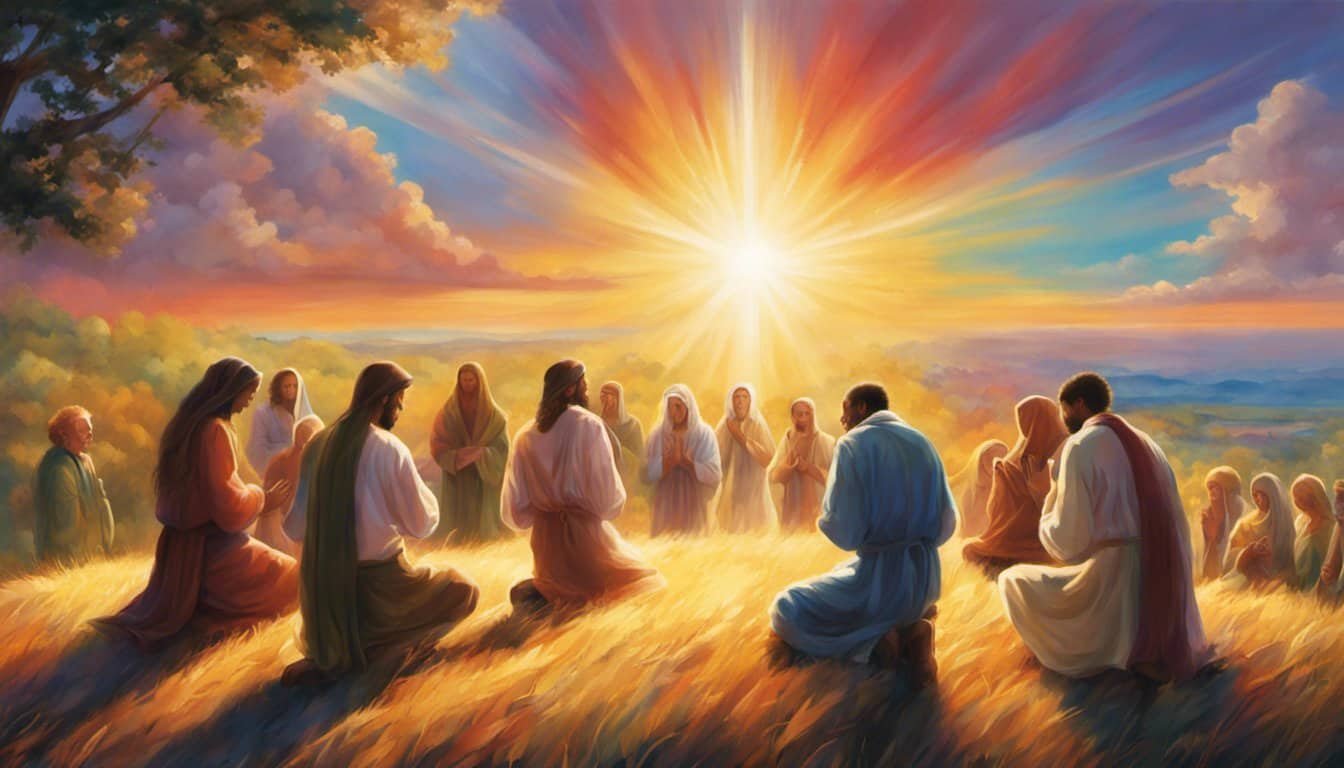
Historical records and biblical texts indicate the Magi aimed to honor a Jewish king, not a Christian one. They followed celestial signs and referenced prophecies from the Book of Isaiah and Psalms. Originating from Persia or Babylon, their expertise in astrology and sacred writings drove them to seek the newborn king. The gifts they brought—gold, frankincense, and myrrh—symbolize royalty, divinity, and mortality, respectively, highlighting their recognition of the king’s multifaceted role.




Theological Interpretations
Theologically, the Magi’s visit signifies the recognition of Jesus by Gentiles, emphasizing the universal reach of his message. Scholars view their journey as a fulfillment of Old Testament prophecies, bridging Jewish expectations with the emerging Christian narrative. This event illustrates the transition from pagan traditions to Christian beliefs, showcasing the acceptance of Jesus’s significance beyond Jewish communities. The Magi’s homage is celebrated in the Epiphany, reinforcing themes of guidance, reverence, and the inclusive nature of the Christian faith.
The Impact of the Magi’s Visit
The Magi’s visit profoundly shaped Christian tradition, influencing various aspects of faith and practice. Their journey is commemorated annually during Epiphany, celebrated on January 6th, marking the revelation of Jesus to the Gentiles. This event emphasizes themes of guidance, reverence, and inclusivity within Christianity.
Contributions to Christian Liturgy
Epiphany integrates the Magi’s story into Christian worship, highlighting the universal recognition of Jesus. Churches worldwide hold special services, incorporating prayers and hymns that reflect the Magi’s homage. These liturgical practices reinforce the narrative of Jesus as a king acknowledged beyond Jewish communities.
Artistic and Cultural Representations
Artists throughout history have depicted the Magi’s visit, enriching Christian art with diverse interpretations. Paintings, sculptures, and stained glass windows portray the Magi’s journey, their elaborate attire, and symbolic gifts. These artworks serve as visual reminders of the Magi’s significance and inspire devotion among believers.
Theological Interpretations
Theologically, the Magi symbolize the acknowledgment of Jesus’ divinity and kingship by non-Jewish nations. Scholars interpret their gifts—gold, frankincense, and myrrh—as representations of Jesus’ royalty, priesthood, and mortality. This interpretation underscores the multifaceted identity of Jesus within Christian doctrine.
Influence on Global Christianity
The Magi’s visit highlights the global reach of Christianity, illustrating its appeal across different cultures and regions. Missionaries often reference the Magi to demonstrate that Jesus’ message transcends cultural boundaries. This inclusivity fosters a sense of unity and diversity within the Christian community worldwide.
Symbolism of the Gifts
Gold signifies Jesus’ royal status, frankincense his divine nature, and myrrh his suffering and death. These symbols are integral to understanding Jesus’ role in Christian theology. The gifts also prefigure important events in Jesus’ life, providing depth to the narrative and its teachings.
Educational and Inspirational Role
The story of the Magi serves as an educational tool in Christian teachings, emphasizing the importance of wisdom, faith, and perseverance. Youth groups and Sunday schools use the Magi’s journey to inspire young believers to seek understanding and recognize the presence of the divine in their lives.
Epiphany Celebrations Worldwide
Epiphany traditions vary globally, reflecting the Magi’s universal impact. In some cultures, the day is marked by processions, gift-giving, and feasts, celebrating the arrival of the Magi. These diverse celebrations reinforce the Magi’s role in Christian heritage and their continued relevance in contemporary faith practices.
Legacy in Modern Christianity

Today, the Magi are viewed as symbols of wisdom and the pursuit of truth. Their story encourages believers to seek deeper spiritual understanding and embrace the diverse expressions of faith within the Christian world. The Magi’s legacy endures, inspiring individuals to honor and follow the teachings of Jesus.
Conclusion
The journey of the Magi highlights a pivotal moment where wisdom and faith intersect. Their quest to honor a newborn king transcended cultural and religious boundaries, showcasing the universal appeal of hope and recognition. By bringing gifts that symbolized royalty, divinity, and sacrifice, the Magi demonstrated a deep understanding of the significance of Jesus’s birth. Their story encourages embracing diverse perspectives and seeking deeper truths in our own lives. Today, the legacy of the Magi continues to inspire, reminding us of the importance of wisdom, reverence, and the enduring impact of recognizing something greater than ourselves.
Frequently Asked Questions
Who were the Magi?
The Magi, often called the Wise Men, were scholars and priests from regions like Persia or Babylon. Renowned for their knowledge in astrology and dream interpretation, they embarked on a journey to honor a newborn king. Their expertise in celestial signs guided them to Bethlehem, symbolizing the recognition of Jesus by the Gentiles and highlighting their role as seekers of wisdom and truth.
What motivated the Magi to visit Jesus?
The Magi were driven by curiosity and reverence. Guided by a celestial sign, they sought to honor the newborn king, believing his birth marked a significant turning point. Their journey was fueled by a desire to pay homage and recognize the divine significance of Jesus, transcending cultural and geographical boundaries in their quest to honor him.
What gifts did the Magi present to Jesus and what is their significance?
The Magi presented gold, frankincense, and myrrh to Jesus. Gold acknowledged his royal status, frankincense represented his divinity, and myrrh prefigured his mortality and suffering. These gifts hold deep cultural and prophetic meanings, symbolizing the multifaceted identity of the Messiah and the recognition of his importance in both earthly and spiritual realms.
Did the Magi seek a Christian king or were they aware of Christianity?

The Magi aimed to honor a Jewish king rather than a Christian one. Their intentions were based on prophecies from the Book of Isaiah and Psalms, indicating they were seeking a significant Jewish leader. Christianity had not been established at the time, and their visit signifies the early recognition of Jesus by Gentiles, emphasizing the universal reach of his message.
How do the Magi’s journey influence the Christian celebration of Epiphany?
The Magi’s journey is commemorated in the Christian celebration of Epiphany on January 6th. This event highlights themes of guidance, reverence, and inclusivity, celebrating the recognition of Jesus by the Wise Men from the East. Epiphany integrates their story into worship, reinforcing the universal acknowledgment of Jesus and the blending of diverse traditions within Christianity.
What is the theological significance of the Magi’s visit?
Theologically, the Magi’s visit signifies the recognition of Jesus by the Gentiles, highlighting the universal nature of his message. Their gifts symbolize his royalty, priesthood, and mortality, reflecting his multifaceted identity. This event marks the transition from pagan traditions to Christian beliefs, emphasizing the inclusivity and broad impact of Jesus’ life and teachings.
How are the Magi represented in Christian art?
Artists throughout history have depicted the Magi’s journey in various forms, enriching Christian art with their story. These representations often showcase the Wise Men presenting their gifts to Jesus, symbolizing wisdom and reverence. Artistic portrayals serve as visual reminders of the Magi’s significance, celebrating their role in honoring the newborn king and their contribution to Christian tradition.
What lessons can be learned from the Magi’s journey?
The Magi’s journey teaches the importance of wisdom, purpose, and inclusivity. Their pursuit of truth and recognition of the divine in Jesus inspire believers to seek knowledge and honor significant truths in their lives. Additionally, their actions emphasize the value of transcending cultural and geographical boundaries to celebrate and respect diverse expressions of faith.
How does the Magi’s story promote inclusivity in the Christian faith?

The Magi, coming from different regions and backgrounds, symbolize the universal reach of Christianity. Their recognition of Jesus as a significant leader underscores the inclusivity of the faith, embracing diverse cultures and traditions. This promotes unity within the Christian community, highlighting the acceptance and celebration of varied expressions of belief and the universal message of Christianity.
What is the historical background of the Magi?
Historically, the Magi were scholars and priests from ancient Persia or Babylon, known for their expertise in astrology and dream interpretation. Their role as wise men and astrologers made them seekers of significant celestial events, leading them to follow the star to Bethlehem. This background emphasizes their scholarly and spiritual pursuits, positioning them as key figures in the narrative of Jesus’ birth.