
Isaiah’s writings have long intrigued scholars and believers alike, especially when it comes to the figure of the Messiah. Many see his prophecies as a blueprint predicting the coming of Jesus Christ, sparking lively debates and deep reflections.
Exploring these ancient texts offers a fascinating glimpse into how early scriptures might align with Christian teachings. Did Isaiah really foresee the Messiah’s life and mission, or is this interpretation a later development? Delving into the context and language of Isaiah can help unravel these questions, shedding light on one of faith’s most enduring connections.
Context Of Isaiah’s Prophecies

Isaiah lived during a tumultuous period in Israel’s history, specifically the 8th century BCE. This era saw the rise and fall of powerful empires like Assyria and Babylon, which significantly influenced the political and social landscape of the region. Isaiah’s prophecies address these geopolitical tensions, offering both warnings and hope to the people of Judah.
The primary audience for Isaiah’s messages were the leaders and citizens of Judah. They faced threats from surrounding nations and internal challenges such as moral decline and social injustice. Isaiah emphasized the need for repentance and a return to faithful worship of God. He criticized the leaders for their corruption and the people for their complacency, urging them to seek righteousness and justice.

Isaiah’s writings also reflect the theological themes of the time. He introduced the concept of a suffering servant, who would bear the sins of the people and bring about redemption. This theme has sparked extensive theological discussions about its fulfillment and significance in later religious contexts.
Moreover, Isaiah’s prophecies incorporate visions of restoration and peace. He envisioned a future where nations would live in harmony, and Jerusalem would be a center of spiritual and political stability. These visions provided hope amidst the despair of exile and foreign domination, reinforcing the idea of divine sovereignty and ultimate salvation.
Understanding the historical and cultural context of Isaiah’s prophecies is essential for interpreting his messages accurately. It highlights the interplay between immediate political concerns and enduring spiritual truths, demonstrating Isaiah’s role as both a prophet and a visionary leader.
Key Themes in Isaiah’s Prophecies
Isaiah’s prophecies encompass several key themes that resonate throughout his writings. These themes address both the immediate concerns of his time and the broader spiritual messages that have enduring relevance.
Judgment and Salvation
Isaiah frequently speaks of impending judgment against Israel and the surrounding nations due to their sins and failures. However, this judgment is always accompanied by the promise of salvation for those who turn back to God. This duality underscores the idea that judgment serves as a means to bring about purification and eventual restoration.
The Messiah
One of the most debated aspects of Isaiah’s prophecies is his prediction of the Messiah. Passages such as Isaiah 53 describe a servant who suffers for the sake of others, a figure many Christians interpret as a prediction of Jesus Christ. This theme highlights the universal scope of salvation and the role of the Messiah in redeeming humanity.


Social Justice
Isaiah emphasizes the importance of social justice, condemning practices like oppression, corruption, and exploitation. He calls for leaders to act with integrity and for individuals to uphold justice in their communities. This focus on ethical behavior reflects the prophet’s concern for the well-being of society and the proper relationship between people and God.
Divine Sovereignty
Throughout his prophecies, Isaiah affirms the sovereignty of God over all nations and events. He portrays God as the ultimate authority who guides history and controls the destiny of nations. This theme provides comfort and assurance that despite the chaos and uncertainty of the times, God remains in control.
Historical Impact of Isaiah’s Prophecies
Isaiah’s prophecies have had a profound impact on both religious thought and historical developments. His writings have shaped theological doctrines, influenced art and literature, and provided a foundation for various movements throughout history.
Influence on Religious Thought
Isaiah’s depiction of the Messiah and his emphasis on salvation have been pivotal in Christian theology. His writings are frequently cited in the New Testament, reinforcing the belief in Jesus as the fulfillment of Isaiah’s prophecies. Additionally, his focus on social justice has inspired numerous religious leaders to advocate for ethical behavior and societal reform.
Cultural and Literary Contributions
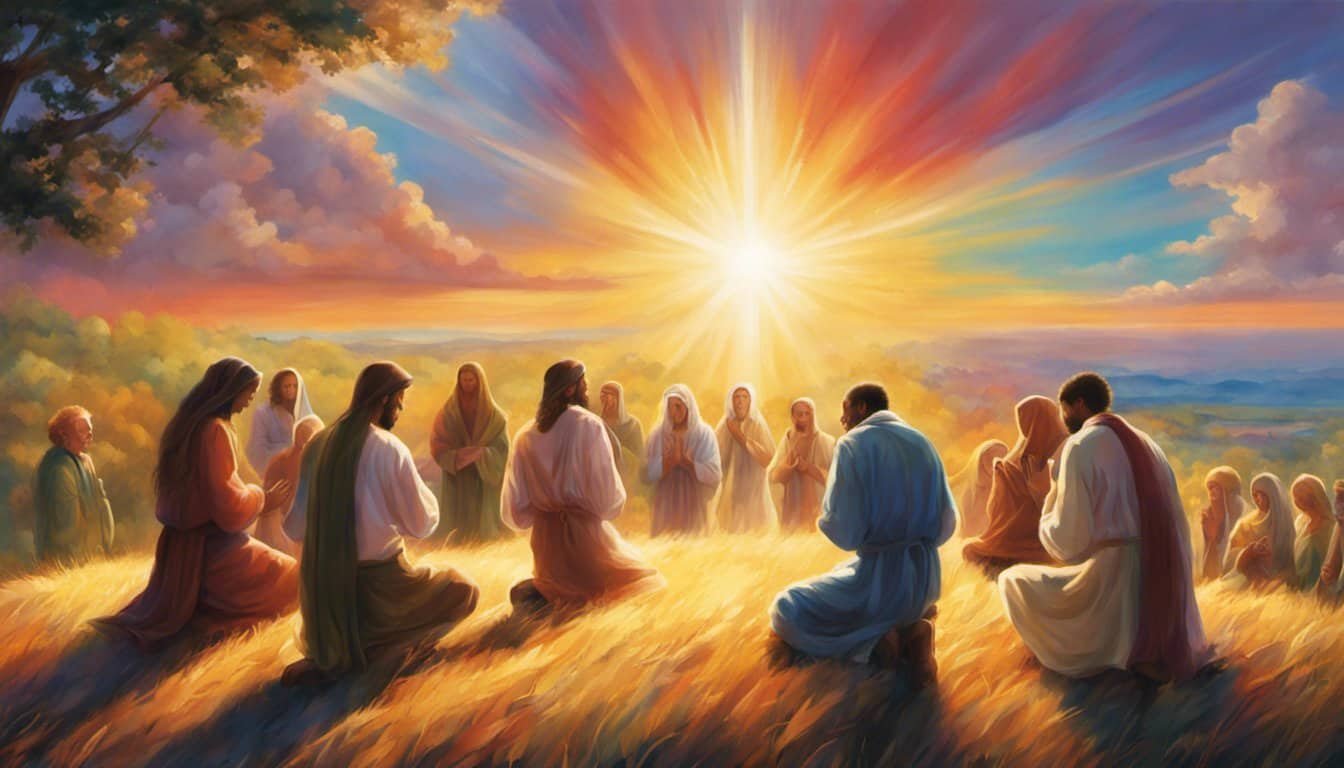
Isaiah’s rich imagery and profound themes have made his work a staple in literature and art. His visions of peace and restoration have inspired countless works of art, poetry, and music, reflecting the enduring relevance of his messages. The poetic nature of his prophecies also showcases the literary excellence of biblical texts.




Role in Historical Events
Throughout history, Isaiah’s prophecies have been invoked during times of crisis and change. Whether in the face of exile, war, or social upheaval, his messages have provided hope and guidance. Leaders and movements have drawn on his teachings to inspire resilience and pursue justice, demonstrating the lasting influence of his words.
Understanding Isaiah’s historical impact underscores the significance of his prophecies beyond their immediate context. It highlights how his messages continue to resonate and shape various aspects of faith and society today.
Conclusion
Isaiah’s prophecies offer a deep and multifaceted perspective on the spiritual and political challenges of his time. By examining the context, key themes, and historical impact of his writings, one gains a comprehensive understanding of his role in shaping religious thought and inspiring generations. Whether viewed through a theological lens or appreciated for their literary merit, Isaiah’s messages remain relevant and influential in contemporary discussions about faith, justice, and redemption.
Messianic Predictions In Isaiah
Isaiah’s writings hold a significant place in biblical scholarship, especially regarding predictions about the Messiah. Understanding these prophecies can deepen one’s faith and provide clarity on theological debates. Let’s explore some key aspects of Isaiah’s messianic predictions.
Key Verses Interpreted As Messianic
Isaiah contains several passages that many interpret as foretelling the coming of the Messiah. Notable among these are:
- Isaiah 7:14: “Therefore the Lord himself will give you a sign: The virgin will conceive and give birth to a son, and will call him Immanuel.”
- Isaiah 9:6-7: “For to us a child is born, to us a son is given…of the greatness of his government and peace there will be no end.”
- Isaiah 53:3-5: “He was despised and rejected by mankind…by his wounds we are healed.”
These verses are often cited in Christian teachings as direct predictions of Jesus Christ’s birth, reign, and suffering.
The Suffering Servant
One of the most debated sections in Isaiah is the “Suffering Servant” passage. Isaiah 53 describes a figure who endures suffering and bears the sins of others. While some view this as a collective reference to Israel, many Christians interpret it as a prophecy about Jesus.
Adam Phillips notes that the detailed nature of the suffering aligns closely with the New Testament accounts of Jesus’ passion and crucifixion. This connection reinforces the belief in Isaiah’s accurate prediction of the Messiah’s experiences.
Practical Implications for Believers
Understanding these prophecies isn’t just academic; it has practical applications for faith:
- Strengthening Belief: Recognizing fulfilled prophecies can reinforce trust in biblical scriptures.
- Encouraging Study: Delving deeper into Isaiah’s texts encourages a more comprehensive understanding of the Bible.
- Inspiring Hope: Prophecies about suffering leading to redemption offer hope in difficult times.
Tips for Studying Isaiah’s Predictions
- Context is Key: Always consider the historical and cultural background of Isaiah’s writings.
- Compare Translations: Different Bible versions can provide varied perspectives on the same passage.
- Consult Commentaries: Scholarly insights can shed light on complex interpretations.
Inspirational Takeaway

Isaiah’s predictions offer more than just prophecies; they provide a foundation for hope and redemption. By studying these verses, believers can find assurance in the divine plan and the fulfillment of God’s promises.
Exploring Isaiah’s messianic predictions invites a deeper connection with biblical teachings and highlights the enduring relevance of his prophecies in contemporary faith.
Christian Perspectives On Isaiah’s Predictions
Christians view Isaiah’s prophecies as foundational to understanding the Messiah’s identity and mission. They interpret several passages as direct predictions of Jesus Christ’s life, death, and resurrection.
Key Messianic Prophecies
- Isaiah 7:14: Predicts the birth of a child named Immanuel, meaning “God with us.” Christians see this fulfilled in the virgin birth of Jesus.
- Isaiah 9:6-7: Describes a child with titles like “Wonderful Counselor” and “Prince of Peace,” whose reign brings everlasting peace. This is associated with Jesus’ role as a spiritual leader.
- Isaiah 53:3-5: Portrays the “Suffering Servant” who bears the sins of many. Christians believe this foreshadows Jesus’ crucifixion and atonement for humanity’s sins.
Fulfillment in the New Testament
The New Testament writers frequently reference Isaiah to validate Jesus as the Messiah. For instance, Matthew cites Isaiah 7:14 in the account of Jesus’ birth (Matthew 1:23). Similarly, Peter references Isaiah 53 during his sermon at Pentecost (Acts 8:32-35), emphasizing Jesus’ suffering and redemption.
Theological Impact
Isaiah’s predictions reinforce core Christian beliefs about salvation and divine intervention. They highlight themes of redemption, sacrifice, and the establishment of God’s kingdom. These prophecies encourage believers to trust in God’s plan and the fulfillment of His promises through Jesus.
Practical Implications for Faith

Understanding Isaiah’s prophecies deepens Christians’ connection to scripture and strengthens their faith in Jesus as the promised Messiah. It inspires worship, guides moral living, and provides hope for eternal life. Studying these predictions fosters a greater appreciation of the Bible’s coherence and the fulfillment of God’s word.
Scholarly Interpretations
Christian scholars analyze the original Hebrew texts to uncover nuances in Isaiah’s language. They compare historical contexts with New Testament accounts to demonstrate consistency in Messianic expectations. This scholarly work supports the belief that Isaiah’s writings are integral to Christian theology.
Contemporary Relevance
Isaiah’s messages on justice and mercy resonate with modern Christian values. They inspire actions towards social reform and compassionate living, aligning with Jesus’ teachings. By applying these prophetic insights, Christians engage actively with their communities and the broader world.
| Prophecy | Isaiah Reference | Christian Fulfillment |
|---|---|---|
| Birth of Immanuel | Isaiah 7:14 | Virgin birth of Jesus (Matthew 1:23) |
| Titles of the Messiah | Isaiah 9:6-7 | Jesus as Wonderful Counselor, Prince of Peace |
| Suffering Servant | Isaiah 53:3-5 | Jesus’ crucifixion and atonement |
By examining these perspectives, Christians find a profound connection between Isaiah’s ancient prophecies and the life of Jesus, reinforcing their faith and understanding of the Messiah.
Jewish Interpretations Of The Messianic Passages
Jewish scholars interpret Isaiah’s messianic passages within their historical and theological contexts. They view these texts as references to an anticipated future leader rather than specific predictions about Jesus Christ.
Key Messianic Passages
- Isaiah 7:14

The Hebrew term “almah” translates to “young woman,” not “virgin.” Jewish tradition sees this as a sign to King Ahaz, assuring the birth of a child who would continue the Davidic line.
- Isaiah 9:6-7
These verses describe a leader with divine attributes. Jews interpret this figure as a righteous king who will bring peace and justice, aligning with Messianic expectations of a human leader.
- Isaiah 53
Often referred to as the “Suffering Servant,” Jewish exegesis identifies the servant as Israel itself. The suffering represents the collective hardships endured by the Jewish people.
Messianic Expectations in Judaism
Jewish teachings emphasize that the Messiah will fulfill specific criteria:
- Restoration of the Davidic Kingdom
The Messiah will reign as a descendant of King David, restoring Israel to its former glory.
- Peace and Prosperity

A time of universal peace will prevail, eliminating war and suffering.
- Building the Third Temple
The Messiah will oversee the construction of the Third Temple in Jerusalem, reinstating proper worship practices.
Scholarly Perspectives
Most Jewish scholars agree that Isaiah’s passages point to a future leader rather than a divine figure. They highlight the distinction between prophetic promises and the incarnation theology central to Christianity. Additionally, they emphasize the continuity of Jewish messianic hopes without aligning them with New Testament narratives.
Comparative Analysis
While Christians interpret these passages as foretelling Jesus, Jewish interpretations maintain a focus on national restoration and leadership. This divergence stems from different theological frameworks and historical experiences shaping each tradition’s understanding of the Messiah.
Contemporary Implications
Understanding Jewish interpretations fosters interfaith dialogue and respect. It highlights the distinct paths Christianity and Judaism take in their messianic beliefs, promoting mutual appreciation of each tradition’s unique perspectives.
Scholarly Debates And Analysis
Adam Phillips, a seasoned youth pastor with over two decades of experience, delves into one of the most debated topics in biblical scholarship: Did Isaiah predict the Christian Messiah? This question not only bridges ancient prophecy and modern faith but also influences how believers understand the foundations of their beliefs.
Understanding Isaiah’s Prophecies
Isaiah, a prophet from the 8th century BCE, authored texts that many interpret as messianic predictions. Key passages like Isaiah 7:14, Isaiah 9:6-7, and Isaiah 53:3-5 are often cited in discussions about the Messiah. These verses describe a figure bringing peace, justice, and suffering on behalf of others.
For instance, Isaiah 7:14 mentions, “Therefore the Lord himself will give you a sign: The virgin will conceive and give birth to a son.” Christians view this as a direct prophecy of Jesus Christ. In contrast, Jewish scholars interpret “young woman” instead of “virgin,” suggesting a different fulfillment.
Scholarly Debates and Analysis
Scholars are divided on whether Isaiah’s prophecies specifically predict the Christian Messiah. Some argue that the context of Isaiah’s time points to immediate historical figures rather than a distant savior. Others believe the language used transcends its initial context, hinting at a future Messiah.
Christian scholars often reference the New Testament, where Jesus is portrayed as the fulfillment of Isaiah’s predictions. For example, Matthew 1:22-23 links Jesus’ birth to Isaiah 7:14. However, Jewish scholars maintain that these passages were meant for Israel’s restoration and do not foresee a divine Messiah.
Practical Implications for Believers

Understanding these interpretations impacts believers’ faith and practice. For Christians, seeing Jesus as the fulfillment of Isaiah’s prophecies reinforces their belief in His divine mission. It encourages deeper scriptural study and strengthens the connection between the Old and New Testaments.
Youth groups can use this discussion to explore the Bible’s consistency and the fulfillment of prophecies. Engaging with different interpretations fosters critical thinking and a more profound appreciation of biblical texts.
Tips for Studying Isaiah’s Messianic Passages
- Contextual Reading: Always consider the historical and cultural background of Isaiah’s writings. Understanding the geopolitical climate of 8th century BCE Judah can shed light on the intended message.
- Compare Translations: Different Bible translations may use varying terms. Comparing versions can clarify meanings, such as “virgin” versus “young woman” in Isaiah 7:14.
- Consult Commentaries: Biblical commentaries by respected scholars provide diverse perspectives and deeper analysis of complex passages.
- Engage in Study Groups: Discussing interpretations with others can enhance understanding and reveal insights you might have missed.
Inspirational Takeaway
Exploring whether Isaiah predicted the Christian Messiah isn’t just an academic exercise; it’s a journey that strengthens faith and deepens one’s relationship with scripture. Whether one views these prophecies as fulfilled in Jesus or as part of Israel’s history, the dialogue fosters a richer, more nuanced faith experience.
Scripture for Reflection
- Isaiah 7:14: “Therefore the Lord himself will give you a sign: The virgin will conceive and give birth to a son…”
- Isaiah 9:6-7: “For to us a child is born, to us a son is given…”
- Isaiah 53:3-5: “He was despised and rejected by mankind…”
Final Thoughts
Navigating the scholarly debates surrounding Isaiah’s prophecies invites believers to engage deeply with their faith. By examining historical contexts, diverse interpretations, and personal beliefs, one can gain a more comprehensive understanding of the Messiah’s role in both ancient texts and contemporary faith.
Conclusion
The discussion around Isaiah’s prophecies and their connection to the Christian Messiah continues to inspire thoughtful exploration. By examining the historical and religious contexts, it’s clear that these ancient texts hold profound significance for both Christians and Jews. This dialogue not only deepens understanding of faith traditions but also fosters mutual respect and appreciation. Whether viewed through the lens of fulfillment in Jesus or as a reference to future expectations, Isaiah’s messages remain a powerful source of hope and reflection. Engaging with these interpretations encourages believers to connect more deeply with their scriptures and each other, highlighting the enduring relevance of Isaiah’s words in today’s world.
Frequently Asked Questions
What is the significance of Isaiah’s writings in religious studies?

Isaiah’s writings are pivotal in religious studies as they contain profound prophecies about the Messiah, social justice, and divine sovereignty. His texts influence both Jewish and Christian traditions, shaping theological understandings and interpretations. Isaiah’s messages addressed the moral decline of Judah, urging repentance and justice, which continue to resonate in contemporary faith discussions. His prophecies have also impacted art, literature, and social reform movements, underscoring his enduring relevance and multifaceted contributions to spiritual and societal discourse.
Does Isaiah’s prophecies predict the coming of Jesus Christ?
Many Christians believe Isaiah’s prophecies predict the coming of Jesus Christ, citing key passages like Isaiah 7:14, 9:6-7, and 53:3-5. These texts are seen as foretelling the Messiah’s birth, titles, and suffering, aligning with Jesus’ life and mission. However, Jewish interpretations differ, viewing these passages as references to a future leader or the collective nation of Israel. The debate continues among scholars and believers, highlighting the diverse perspectives on Isaiah’s messianic predictions.
How do Christian and Jewish interpretations of Isaiah’s messianic passages differ?
Christian interpretations view Isaiah’s messianic passages as direct predictions of Jesus Christ, emphasizing fulfillment in the New Testament. Key verses like Isaiah 53 are seen as prophecies of Jesus’ suffering and redemption. Conversely, Jewish interpretations see these passages as referring to a future human leader or the nation of Israel itself. Jewish scholars focus on the historical and cultural context, interpreting terms like “almah” as “young woman” and the “Suffering Servant” as a representation of Israel’s collective experience.
What are some key messianic passages in Isaiah?
Key messianic passages in Isaiah include Isaiah 7:14, which speaks of a virgin bearing a child named Immanuel; Isaiah 9:6-7, which describes a child with divine titles who will establish peace; and Isaiah 53:3-5, the “Suffering Servant” passage that highlights the servant’s suffering and eventual vindication. These verses are central to discussions on the Messiah’s identity and mission, influencing both Christian and Jewish theological perspectives.
How do Isaiah’s prophecies influence contemporary faith and practice?
Isaiah’s prophecies influence contemporary faith by providing a foundation for understanding messianic expectations, social justice, and divine intervention. Believers use these texts to strengthen their faith, inspire moral living, and foster hope for redemption. Isaiah’s messages encourage deeper scriptural study and reflection, impacting worship practices and community actions. Additionally, his themes of justice and mercy resonate with modern social movements, highlighting the ongoing relevance of his teachings.
What historical context did Isaiah write in?

Isaiah wrote in the 8th century BCE, a period marked by geopolitical tensions from empires like Assyria and Babylon. His messages were directed at the leaders and citizens of Judah, addressing the moral and social decline of the nation. Isaiah urged repentance and justice amidst these challenges, emphasizing themes of judgment and salvation. The historical context of political instability and social unrest deeply influenced his prophetic messages and their enduring impact.
How do scholars interpret the “Suffering Servant” passage in Isaiah 53?
Scholars are divided on the interpretation of Isaiah 53. Many Christians view it as a prophecy about Jesus Christ’s suffering and redemption. In contrast, Jewish scholars interpret the “Suffering Servant” as a symbol of the nation of Israel, representing collective suffering and endurance. The debate centers on the passage’s language and context, with differing theological frameworks shaping each interpretation’s understanding and implications.
What impact have Isaiah’s writings had on art and literature?
Isaiah’s writings have significantly influenced art and literature, inspiring countless works that depict his prophetic visions and themes. His imagery of the suffering servant, divine justice, and redemption has been portrayed in paintings, sculptures, and literary pieces throughout history. Isaiah’s profound messages have also shaped religious poetry, hymns, and narratives, reflecting his enduring legacy in creative expressions and cultural heritage.
How can understanding Isaiah’s prophecies strengthen a believer’s faith?
Understanding Isaiah’s prophecies can strengthen a believer’s faith by providing deeper insights into the Messiah’s identity and mission. Studying these passages fosters a stronger connection to scripture, encourages moral living, and inspires hope for redemption. Engaging with Isaiah’s messages helps believers comprehend divine sovereignty and justice, enhancing their spiritual journey and reinforcing their commitment to faith principles.
What are Jewish messianic expectations according to Isaiah?
According to Isaiah, Jewish messianic expectations include the restoration of the Davidic Kingdom, the establishment of universal peace, and the construction of the Third Temple in Jerusalem. Jewish interpretations focus on a future human leader who will bring these about, emphasizing continuity with traditional messianic hopes. These expectations highlight a visionary leader who will restore Israel’s prominence and promote justice and harmony, distinct from Christian interpretations of a divine Messiah.
How does Isaiah’s message relate to social justice?
Isaiah’s message strongly relates to social justice, urging leaders and citizens to seek justice and righteousness. He condemned moral decline and called for repentance, emphasizing the importance of fairness, compassion, and care for the marginalized. Isaiah’s prophecies advocate for societal reform and ethical governance, aligning his teachings with contemporary social justice movements. His focus on divine justice and mercy continues to inspire efforts toward creating a just and equitable society.
What role does Adam Phillips play in interpreting Isaiah’s prophecies?
Adam Phillips, a seasoned youth pastor, contributes to interpreting Isaiah’s prophecies by exploring scholarly debates on Isaiah’s predictions of the Messiah. He discusses how these interpretations influence believers’ understanding of faith, emphasizing the importance of contextual reading, comparing translations, and engaging in study groups. Phillips highlights the practical implications of these prophecies, encouraging deeper scriptural engagement and reflection to strengthen one’s relationship with faith and scripture.
