
Starting new church communities is essential in spreading the Christian message and fostering spiritual growth. Many believers feel called to plant churches to reach people in their neighborhoods.
Understanding the Christian perspective on church planting can inspire and equip individuals to create vibrant and welcoming communities of faith.

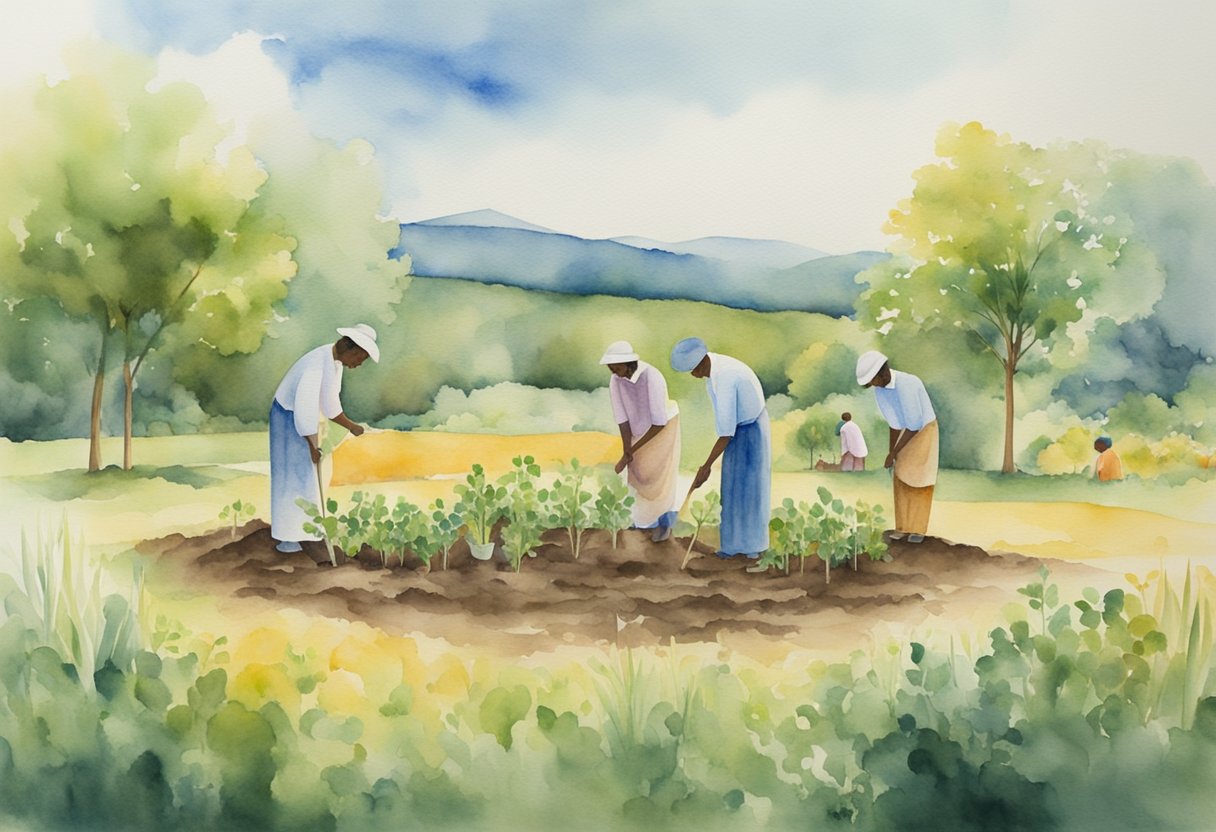
Church planting is not just about building a structure; it’s about forming genuine connections and serving the needs of a community. Through collaborative efforts and shared missions, church plants can provide support and resources to those seeking spiritual guidance.

This journey involves overcoming challenges and embracing the calling to serve others in Christ’s name.
By looking at successful examples and the principles that guide church planting, individuals can discover effective strategies to launch new communities. With dedication and a clear vision, they can help nurture faith and create lasting impacts in their neighborhoods.
Key Takeaways
- Building new church communities fosters connections and spiritual growth.
- Successful church planting involves understanding challenges and principles.
- Collaborative efforts can lead to meaningful support for local needs.
The Theological Foundations of Church Planting
Church planting is rooted in key theological beliefs that guide the mission and practices of new communities. Understanding these foundations helps clarify the role of believers in spreading their faith effectively.
Understanding the Great Commission
The Great Commission is a command from Jesus to his followers to spread the Gospel. It emphasizes evangelism and obedience. In Matthew 28:19-20, Jesus tells his disciples to go and make disciples of all nations. This call encourages Christians to take active steps in planting new churches.
Planting churches is a direct response to this command. It is about more than starting a place for worship; it’s about creating a community that shares the love of Christ. Each new church can reach different groups of people, making the Great Commission a practical and vital part of church planting.


The Role of the Holy Spirit
The Holy Spirit plays a crucial role in church planting. He empowers believers to share the Gospel. When starting new communities, it is essential to rely on the guidance and strength of the Holy Spirit.
He provides wisdom, clarity, and courage. This allows leaders to make decisions that align with God’s will. The Holy Spirit also equips believers with spiritual gifts, enabling them to contribute to the church’s mission effectively.
Being sensitive to the Holy Spirit’s leading can transform a church plant, ensuring it thrives and fulfills its purpose.
Priesthood of All Believers
The concept of the priesthood of all believers asserts that every Christian has a role in ministry. This idea is rooted in 1 Peter 2:9, which states that believers are a holy priesthood.

In the context of church planting, this means everyone is called to participate in the mission. It encourages all members to engage in evangelism and support the church community.




Church planters should foster an environment where everyone feels valued and empowered to serve. This shared responsibility can strengthen the community, making it more dynamic and effective in its outreach. Each believer has a part to play in the planting and growth of the church.
Principles of Church Planting
Effective church planting relies on key principles that guide the establishment of new communities. These principles help ensure that the church serves its mission and outreach effectively while fostering a sense of community.
Vision and Mission in Church Planting
A clear vision and mission are crucial in the early stages of church planting. They provide direction and a sense of purpose. A strong vision inspires the community, helping them understand the goals of the new church.
The mission should reflect the gospel’s message and align with local needs. By assessing the community’s demographics and spiritual landscape, church planters can develop strategies that engage and attract people. This outreach effort is essential to reaching those who may not yet know the church.
Leadership in New Church Communities
Strong leadership is vital for new church communities. Leaders must be well-prepared, often coming from established churches to ensure stability.
Mentoring under experienced leaders can provide them with the tools and knowledge needed for success.
Good leaders create an atmosphere of trust and collaboration. They should empower others to take part in outreach and service opportunities. This shared leadership approach fosters community ownership, making everyone feel valued in the mission of the church.
Cultivating a Planting Culture
Cultivating a planting culture involves encouraging a mindset geared toward growth and outreach. This happens when existing churches support new plants and create networks that foster collaboration.

Training and resources should be provided for potential planters. Workshops and events can help inspire ideas and strategies for effective church planting. Encouraging stories of successful plants can motivate community members to engage in outreach efforts.
A planting culture embraces creativity and adaptability. This openness allows churches to respond effectively to community needs while remaining true to their mission.
Strategies for Beginning New Church Plants
Starting a new church plant requires careful planning and strategy. This section focuses on location research, building a team, and managing resources effectively. Each aspect plays a crucial role in the success of a new community.
Location and Demographic Research
Choosing the right location is crucial for any church plant. He or she should conduct thorough demographic research to understand the community’s needs.

Key factors to consider include:
- Population Size: Know how many people live in the area.
- Age Distribution: Understand the age groups present. Are there more young families or seniors?
- Cultural Backgrounds: Learn about the cultural makeup to connect better with the community.
Surveys and local data can provide insights. He or she should also visit the area to observe daily life and existing churches. Building relationships with local leaders can also offer valuable perspectives. A well-researched location will attract more members and enhance church planting efforts.
Building a Core Team
A strong core team is essential for starting a successful church. This group should share a vision for the new community and have diverse skills.
Steps to consider:
- Identify Key Roles: Include individuals with strengths in leadership, teaching, and administration.
- Recruit Passionate Members: Look for people eager to serve the community.
- Create a Team Vision: Establish common goals and values to strengthen unity.
Regular meetings can help build relationships and keep everyone aligned. A committed core team can help fuel growth and motivation in the early stages of church planting.
Resource Management and Fundraising

Effective resource management is vital for sustainability. He or she should create a budget that includes expenses and potential income.
Important considerations:
- Budgeting: List all anticipated costs, including building rent, utility bills, and staff salaries.
- Fundraising Strategies: Plan events, launch campaigns, or reach out to partner churches for support.
- Grants and Donations: Research available grants for church plants and seek donations from local businesses.
Transparent financial practices foster trust within the community. When managed well, resources can support growth and outreach efforts throughout the church planting journey.
Challenges and Considerations in Church Planting
Starting a new church community involves various challenges. Understanding these hurdles can help church planters prepare effectively. Addressing resistance, ensuring growth, and determining success are key areas that require attention.
Dealing with Resistance and Setbacks

One common challenge in church planting is facing resistance from the local community. Some may feel unsure or even hostile towards a new church. This can stem from past experiences with other institutions or a general hesitance to change.
Church planters should engage in outreach to address concerns. Building relationships with locals can help ease fears. Regular community events may gradually build trust. If setbacks occur, staying adaptable is important. Maintaining a positive attitude can inspire others to join the mission.
Growth and Sustenance of a Church Plant
Sustaining growth in a new church is crucial. Initial excitement can fade, making it essential to foster a strong community.
Connecting with existing networks of support can enhance outreach efforts.
Megachurches often have established methods for growth. Smaller plants can learn from their strategies, such as utilizing technology for community connection.

Hosting events like service projects can draw people in. Regular meetings and small groups help maintain engagement and provide opportunities for deeper connections.
Measuring Success and Impact
Determining success in church planting goes beyond attendance numbers. While growth can indicate progress, other factors need consideration. The impact on the community is important to evaluate.
Feedback from attendees can provide insight into the church’s influence. Implementing surveys helps understand what works and what can improve.
Success also includes how well the church meets community needs, establishing a positive presence. Leaders should regularly assess their goals and realign their strategies to enhance the church life.
Case Studies and Lessons from Successful Church Plants

Successful church plants often demonstrate innovative methods, community transformation, and various church models. These examples reveal practical strategies and the significant impact of new congregations on their local areas.
Innovative Approaches to Church Planting
Many successful church plants use creative strategies to engage their communities. For instance, some focus on starting small groups in homes before establishing a larger congregation. This allows deep relationships to form early on.
Others use digital platforms to reach wider audiences. Online services and social media have become essential tools. These platforms help create a sense of belonging, even before people attend in person.
Church planting movements also thrive on partnerships. Collaborating with existing churches can provide essential support and resources. These innovative approaches often lead to stronger foundations for new congregations.
Transformational Community Impact
The impact of a church plant goes beyond the walls of the church. Successful examples show how these new communities often serve local needs.

Many church plants engage in social outreach programs, such as food banks or community centers. This approach builds trust and fosters relationships.
Moreover, they contribute to local projects, such as schools and neighborhood events. These actions create a positive reputation for the church and attract new members.
Engaging in community transformation is key. It connects the church’s mission with the needs of the people, promoting lasting change.
Movements and Megachurch Forms
Some church plants grow rapidly, evolving into megachurches. These large congregations often emphasize strong community and worship experiences. They attract diverse members through engaging programs and resources.
Successful megachurches often replicate their models in different locations. This leads to the development of church planting movements.

Such movements focus on training leaders, providing resources, and creating networks for support.
By fostering leadership development, these churches empower others to start new congregations. This generates a cycle of growth that spreads their mission further into communities.
These varied models highlight the dynamic nature of church planting today. Each has unique strengths that can inspire future efforts.
Conclusion
Church planting plays a crucial role in growing communities of faith. It allows believers to gather and support each other while sharing their beliefs.
Starting new churches fosters evangelism by reaching people who may not be part of any faith community. This outreach brings hope and connection to neighborhoods.
A strong community encourages members to get involved. They can share their talents, resources, and time.
This collaboration strengthens relationships and creates a welcoming environment for all.
Through effective church planting, believers can foster spiritual growth. Many find new ways to connect with God and deepen their faith.
Church plants can also adapt to local needs, making each community unique. Tailoring programs and services helps meet the specific needs of the area, ensuring relevance and engagement.
In essence, church planting is about more than just creating a place to worship. It’s about building relationships, supporting one another, and spreading the message of love and hope. It empowers individuals to be part of something bigger, helping them grow together in faith.
