
After years of displacement, the return from exile marks a pivotal moment in history. Ezra 1-6 chronicles this inspiring journey of rebuilding Jerusalem, offering hope and renewal to a weary people.
Facing numerous challenges, the community bands together with unwavering determination. Their collective efforts not only restore the physical structures but also revive their cultural and spiritual identity.
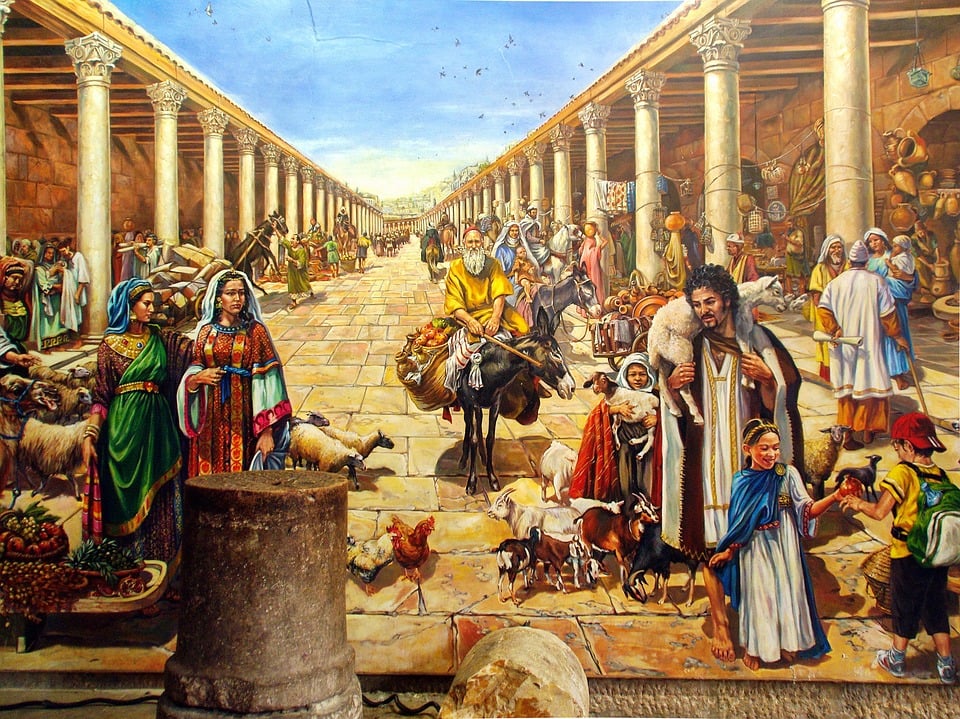
This story of resilience and faith highlights the power of unity and the enduring spirit of those committed to rebuilding their homeland. Dive into the chapters of Ezra to uncover the remarkable path from exile to restoration.
Overview of Returning from Exile: Rebuilding Jerusalem – Ezra 1-6
Adam Phillips, a seasoned youth pastor with over two decades of experience, delves into the profound narrative of Ezra chapters 1-6. This section outlines the community’s return from exile and the meticulous process of rebuilding Jerusalem. Phillips highlights practical lessons from their journey that resonate with today’s youth.
The Call to Return

In Ezra 1, King Cyrus of Persia issued a decree allowing the Jews to return to Jerusalem. This act of support underscores the importance of leadership in facilitating positive change. Why is supportive leadership crucial in your community? Understanding this can inspire young individuals to seek and embody leadership qualities.
Overcoming Challenges
The returning exiles faced immense obstacles: financial constraints, opposition from surrounding peoples, and limited resources. Ezra 5 details how leaders like Zerubbabel and Jeshua navigated these challenges with determination. How can you tackle obstacles in your own projects? By learning from their resilience, youth can develop strategies to overcome their personal and communal hurdles.
Rebuilding with Purpose
Reconstruction wasn’t just about physical structures but also about restoring cultural and spiritual identity. Ezra emphasizes the renewal of religious practices and community bonds. What aspects of your life need rebuilding or strengthening? This reflection encourages youth to prioritize both material and spiritual growth, ensuring a balanced approach to personal development.
Unity and Collaboration
The success of the rebuilding efforts hinged on unity among the people. Ezra 6 illustrates how collaboration and collective effort led to the completion of the temple. How can you foster teamwork in your endeavors? Embracing unity teaches the value of working together towards common goals, a vital skill in both personal and professional settings.
Practical Steps for Modern Rebuilding
Drawing parallels from the text, Phillips offers a step-by-step guide for today’s youth to rebuild their lives and communities:
- Identify Your Purpose
- Reflect on what truly matters.
- Set clear, achievable goals.
- Seek Support
- Build a network of like-minded individuals.
- Don’t hesitate to ask for help when needed.
- Develop Resilience
- Learn from setbacks.
- Maintain a positive outlook despite challenges.
- Foster Unity
- Encourage collaboration.
- Value each team member’s contribution.
- Celebrate Milestones
- Acknowledge progress.
- Use achievements as motivation to continue striving.
Inspirational Scripture
Phillips references Nehemiah 2:18, “And I told them of the hand of my God that had been upon me. They said, ‘Let us rise up and build.’ So they strengthened their hands for the good work.” This verse encapsulates the essence of divine support and collective effort, inspiring youth to take initiative with faith and determination.


Final Thoughts
Returning from exile was more than a physical journey; it was a profound transformation of spirit and community. By examining Ezra 1-6, youth can glean invaluable insights into leadership, resilience, unity, and purpose. Are you ready to embark on your own journey of rebuilding? Embrace these lessons to navigate your path with confidence and faith.
Historical Context
Understanding the historical backdrop is crucial to grasp the significance of the return from exile and the rebuilding of Jerusalem.
The Babylonian Exile
In 586 BCE, Babylonian forces destroyed Solomon’s Temple and Jerusalem, leading to the exile of approximately 10,000 Jews (2 Kings 25:11). This period marked a significant disruption of Jewish life, culture, and religion. The exile lasted for about 70 years, during which the community faced challenges such as loss of homeland, identity, and spiritual disorientation. Religious practices shifted towards synagogue worship and the study of Torah, laying the foundation for future resilience.
The Persian Decree
In 539 BCE, King Cyrus the Great of Persia issued a decree allowing the Jews to return to Jerusalem and rebuild the temple (Ezra 1:1-4). This policy shift from Babylonian dominance to Persian tolerance enabled the exiles to reclaim their land. The decree included provisions for funding the reconstruction and support from neighboring peoples, ensuring resources were available for the rebuilding efforts. Cyrus’s authorization was a pivotal moment, fostering hope and facilitating the restoration of Jewish sovereignty and religious practices.
Leadership and Key Figures

Leadership played a crucial role in the restoration of Jerusalem. Key figures emerged to guide the community through rebuilding efforts and spiritual renewal.




Role of Ezra
Ezra, a scribe and priest, spearheaded the religious revival among the returning exiles. He emphasized the importance of the Torah, reinstating the laws and practices that defined Jewish identity. Ezra organized public readings of the scriptures, ensuring that the community understood and adhered to their faith. His dedication to education and spiritual integrity fostered a sense of unity and purpose, laying the foundation for a resilient society.
Contributions of Zerubbabel
Zerubbabel, appointed governor, led the physical reconstruction of the temple and the city walls. He coordinated resources, managed labor, and navigated political challenges to secure support from Persian authorities. Zerubbabel’s effective administration ensured the timely completion of key projects, restoring Jerusalem’s infrastructure. His leadership demonstrated practical governance and commitment to the community’s well-being, enabling the successful restoration of both the city’s structures and its people’s morale.
Rebuilding the Temple
Restoration Efforts
The rebuilding of the Temple commenced under Zerubbabel’s leadership, following King Cyrus’s decree in 538 BCE. He organized the construction with the support of local authorities and the Persian administration. Materials such as gold, silver, and precious stones were collected, totaling 1,000 talents as recorded in Ezra 1:4. Skilled artisans were employed to ensure the Temple’s grandeur and adherence to religious specifications. Public donations from the community played a crucial role, demonstrating collective commitment to the project. The Temple’s foundation was laid in the second month of the second year after the decree, marking a significant milestone in Jerusalem’s restoration.
Overcoming Challenges
Rebuilding the Temple faced substantial opposition from neighboring groups, including the Samaritans, who questioned the legitimacy of the project. According to Nehemiah 2:19, their attempts to discourage the workers were met with resilience from the leaders. Resource scarcity posed another hurdle; however, efficient management and strategic planning mitigated these issues. Internal conflicts within the community threatened progress, but unified leadership ensured that the focus remained on the collective goal. Additionally, diseases and natural setbacks tested the community’s determination, yet their unwavering faith and coordinated efforts led to the Temple’s completion in 516 BCE.
Community and Religious Reforms
Rebuilding Jerusalem required significant changes in both community structure and religious practices. These reforms laid the foundation for a unified and resilient society.
Social Reestablishment
Reestablishing the community involved organizing the returning exiles into a cohesive society. Leaders like Zerubbabel coordinated the allocation of land, ensuring fair distribution among families. They implemented systems to manage resources efficiently, addressing immediate needs such as housing and agriculture. Public meetings facilitated decision-making, fostering a sense of ownership and responsibility among the people. By prioritizing transparency and collaboration, the leadership minimized conflicts and promoted social stability.
Religious Practices
Reviving religious practices was crucial for restoring cultural identity. Ezra led efforts to reintroduce the Torah, organizing public readings to educate the community about their laws and traditions. Regular gatherings for prayer and worship strengthened spiritual bonds, encouraging adherence to religious principles. The establishment of proper worship spaces, including the rebuilt Temple, provided a central location for communal activities. Rituals and festivals were reinstated, reinforcing a shared sense of faith and purpose. By emphasizing education and consistent practice, the community ensured the longevity of their religious heritage.
Conclusion
The journey of the returning exiles showcases the incredible strength found in unity and faith. Their determination to rebuild Jerusalem despite numerous challenges serves as a powerful reminder of what can be achieved when a community stands together. This story inspires modern readers to tackle their own obstacles with resilience and a shared purpose. By embracing the lessons of leadership and collaboration, individuals today can find the motivation to restore and strengthen their own lives and communities. The legacy of Ezra and Zerubbabel lives on, highlighting that with dedication and support rebuilding is always possible.
