
Urban areas often reflect the diverse and complex nature of society. A Christian approach to urban planning highlights the importance of community and justice in shaping cities that serve everyone fairly.
By integrating faith into urban development, planners can create spaces that foster connection, equity, and sustainability. This perspective encourages a strong relationship between individuals and their communities, leading to more vibrant and inclusive urban environments.

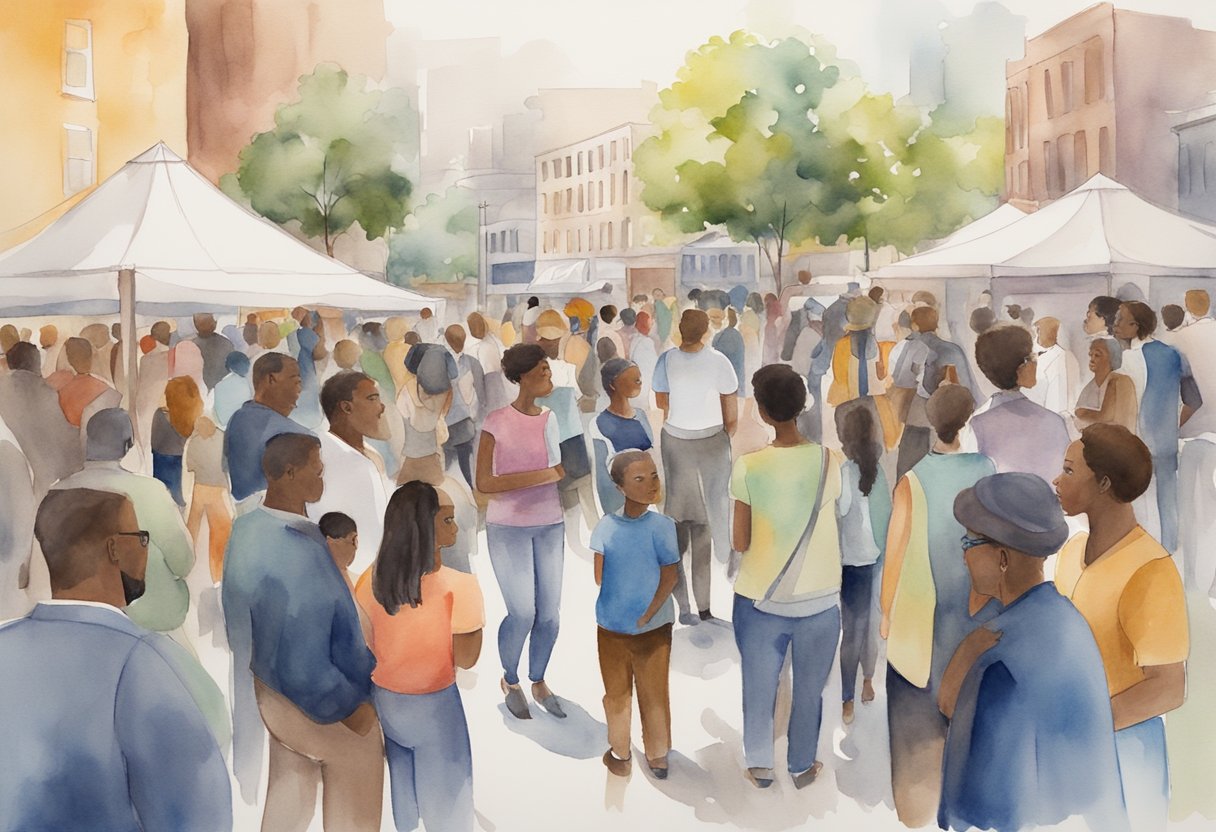
Engaging with urban issues from a Christian ethical standpoint allows for a deeper understanding of the challenges faced by many communities. It emphasizes that urban planners have a role in advocating for social justice and environmental stewardship.

When faith informs planning decisions, it can inspire innovative solutions that prioritize the needs of marginalized groups and promote a sense of shared responsibility.
By exploring the principles behind a Christian approach to urban planning, readers can discover how faith and justice intersect in shaping better cities for all. This journey invites them to consider how their actions can impact the urban landscape, creating lasting change in their own communities.
Key Takeaways
- Faith-based urban planning fosters community engagement and support.
- Christian ethics guide equitable and sustainable planning decisions.
- Advocating for social justice in cities leads to healthier communities.
Theological Foundations of Urban Planning
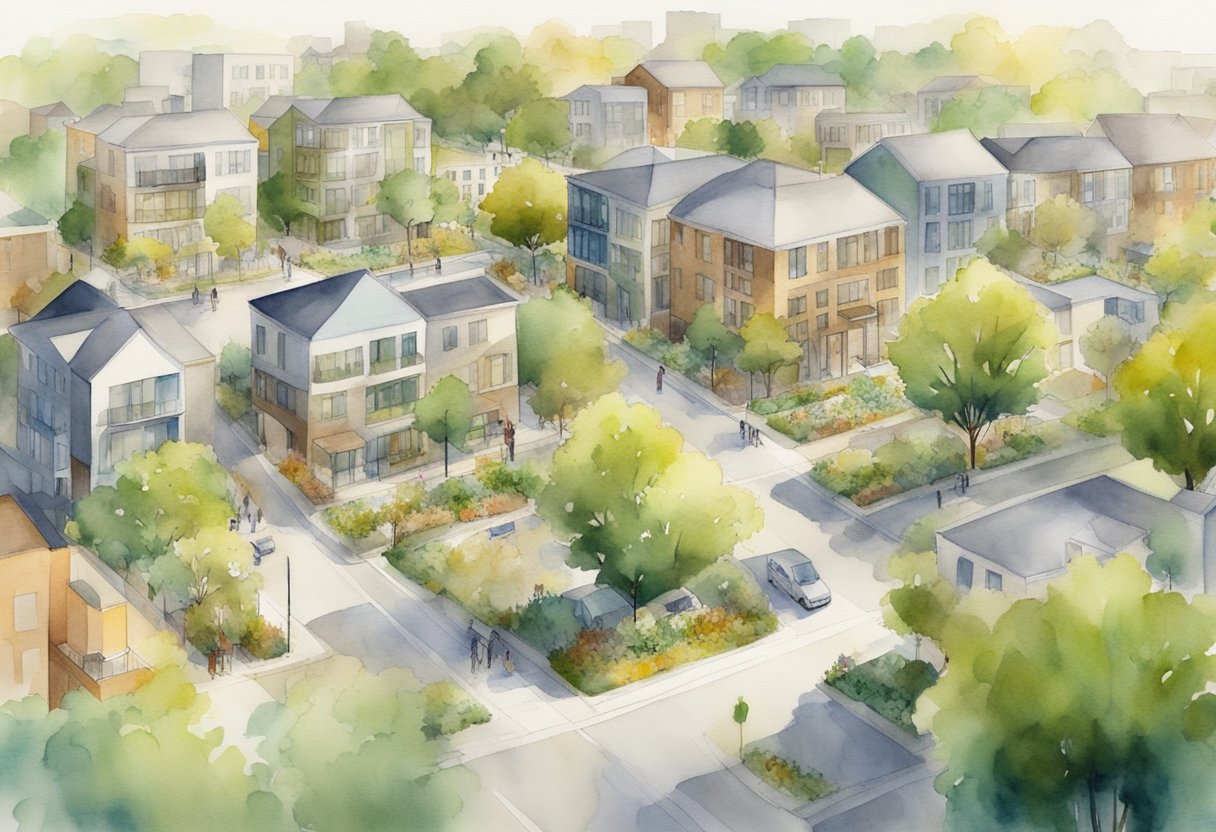
The Christian approach to urban planning is rooted in strong theological principles that emphasize community and justice. These foundations help shape the way urban spaces are developed, ensuring they align with the values of the Gospel and the teachings of Jesus.
Biblical Perspectives on Community and Justice
The Bible offers rich teachings about community and justice. In Isaiah 1:17, believers are urged to “learn to do good; seek justice, correct oppression.” This verse highlights the responsibility Christians have in advocating for fairness within their communities.
Similarly, Micah 6:8 encourages believers to “act justly, love mercy, and walk humbly” with God. These scriptures stress the importance of nurturing relationships and serving the needs of others.



A Christian view of community focuses on inclusivity and love. This view encourages the creation of spaces where everyone, especially the marginalized, feels welcome. Developing urban areas with these values fosters a sense of belonging and cooperation.
The Role of the Church in Urban Development
The Church plays a pivotal role in urban development by promoting social justice and community engagement. It acts as a voice for the voiceless and a guide for moral behavior.
Churches often engage in community service programs that meet immediate needs. They support initiatives like affordable housing, food banks, and educational programs. These efforts reflect the love of God and the teachings of Jesus, emphasizing care for others.
In many communities, churches also collaborate with local governments and organizations to influence urban planning positively. This partnership can lead to more equitable and sustainable city development, ensuring that justice and community are at the forefront of planning.
Christian Ethics and Urban Planning

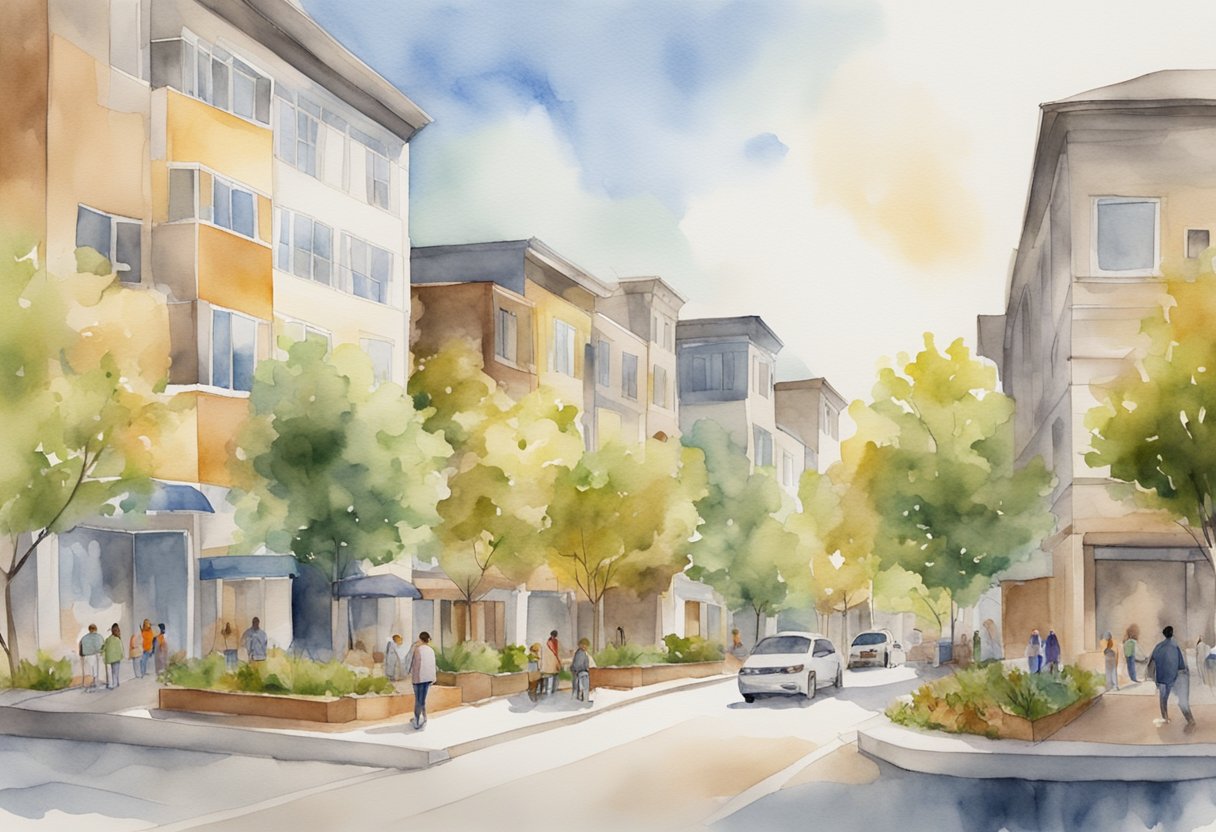





Christian ethics play a vital role in shaping urban planning. These ethics emphasize community, justice, and the belief that cities should be spaces of peace and support for all. Social justice and environmental responsibility are key elements in this approach.
Promoting Social Justice in the City
Promoting social justice is central to Christian ethics in urban planning. It focuses on creating inclusive communities where everyone has access to resources and opportunities.
Key aspects include:
- Affordable Housing: Christians advocate for policies that ensure all families can find safe, affordable homes.
- Economic Opportunities: There should be fair job access for all, combating unemployment and underemployment among marginalized groups.
- Reducing Violence: Urban planners must address conditions that lead to violence and crime, creating safe spaces through better design.
By addressing these issues, planners can contribute to a more just society, reducing inequality and enhancing community well-being.
Environmental Justice and Christian Responsibility
Environmental justice is another important focus for Christians in urban planning. It stresses that all people have the right to a healthy environment.
Key considerations include:
- Sustainable Practices: Urban areas should incorporate green spaces and promote sustainability to protect natural resources.
- Racial and Economic Equity: Environmental burdens often fall more on minority communities. Christians advocate for policies that ensure equitable distribution of environmental benefits and burdens.
- Community Involvement: Engaging local voices in planning decisions helps address specific environmental issues faced by different neighborhoods.
By integrating these principles, urban planning can promote both justice and the stewardship of creation, reflecting Christian values in tangible ways.
City Planning with a Christian Approach
A Christian approach to urban planning emphasizes creating communities that reflect diversity and address issues of poverty. This method encourages the design of spaces that are welcoming to all and provides for those who are often marginalized.
Designing for Diversity and Inclusivity

When city planners focus on diversity, they make choices that reflect the unique cultures within a community. This includes designing public spaces that welcome people of all backgrounds and abilities.
Key strategies include:
- Accessible Facilities: Designing parks, transportation, and buildings that everyone can use.
- Cultural Spaces: Creating areas for cultural festivals, markets, and gatherings that celebrate different heritages.
By opening doors for diverse groups, planners help foster a sense of belonging, encouraging strong community ties. They listen to the voices of residents and incorporate their needs and suggestions into the planning process. This inclusive approach not only enriches urban life but also aligns with Christian values of love and acceptance.
Addressing Poverty and Marginalization
Urban planning should prioritize the needs of individuals living in poverty. This requires planners to understand the challenges faced by marginalized groups and address them through thoughtful design.
Effective approaches include:
- Affordable Housing: Developing housing options that are accessible to low-income families.
- Job Creation: Planning commercial areas that attract businesses and job opportunities.

Support services like food banks and community centers can also be integrated into neighborhoods. By focusing on these essential needs, urban planners play a significant role in uplifting communities. They ensure that the voices of the marginalized are heard, promoting justice and compassion in urban development.
Sustainable Development and Earth Stewardship
Sustainable development and earth stewardship are crucial in creating spaces that reflect Christian values. Attention to climate change and the integration of ecological theology helps foster communities that honor both creation and justice.
Climate Change and Christian Stewardship
Climate change poses significant challenges, affecting daily life and the environment. For Christians, stewardship means caring for creation. This includes reducing waste, using renewable energy, and promoting sustainable practices.
Urban planners can implement green spaces and public transportation to reduce carbon footprints. Encouraging local food production through community gardens supports sustainability while strengthening community ties.

Churches can also lead by example by adopting eco-friendly practices. They might organize events focusing on education about climate change and its impact. This proactive approach can inspire others within the community to participate in stewardship efforts.
Ecological Theology in Urban Settings
Ecological theology emphasizes the relationship between faith and the environment. In urban areas, this theology provides a framework for understanding how communities can honor creation while addressing social justice issues.
By integrating ecological principles into urban design, planners can enhance the quality of life. This includes using green architecture, improving air quality, and creating more natural spaces in cities.
Faith communities play a vital role in promoting these ideas. They can engage in environmental studies and advocate for policies that prioritize biodiversity, clean air, and water. This commitment not only benefits the environment but also uplifts those most affected by environmental degradation.
Social Dynamics and Spiritual Responses
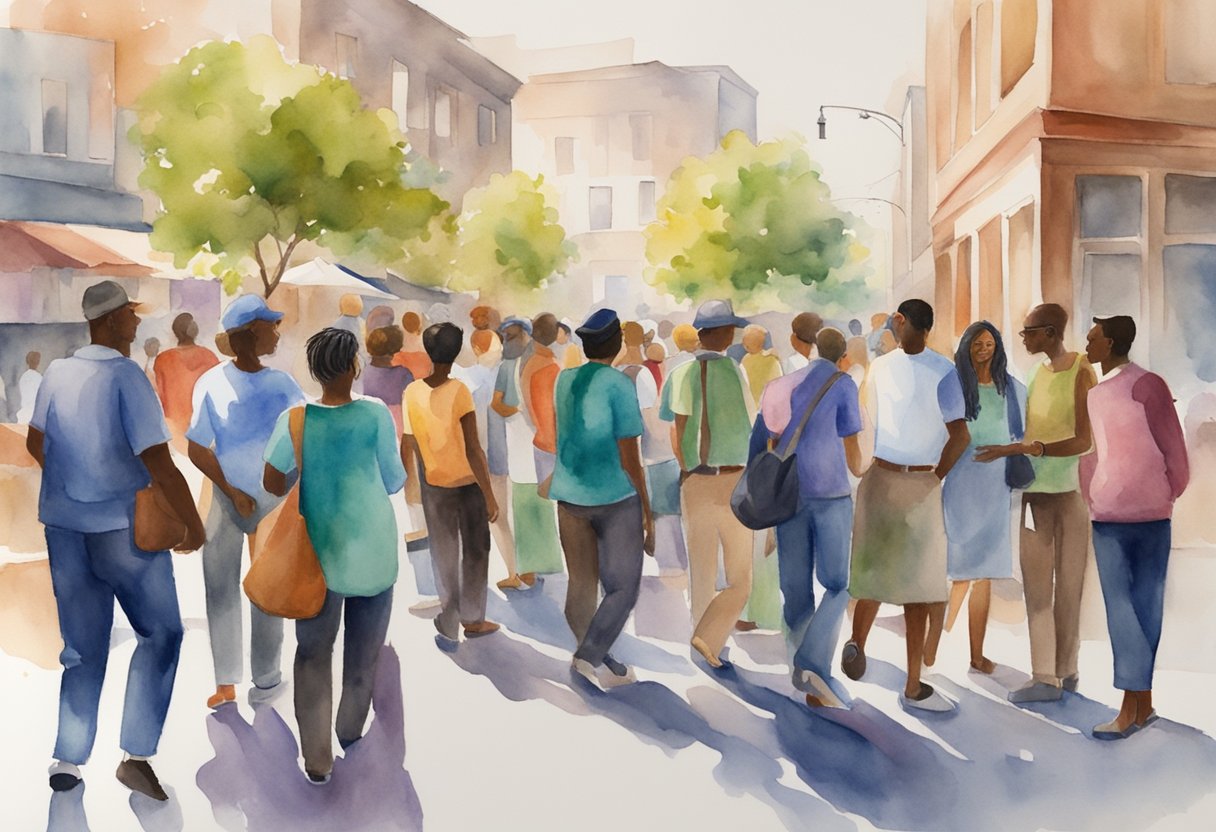
In urban settings, social dynamics often shape community life and influence spiritual practices. The interaction between spirituality and social justice can drive outreach efforts aimed at confronting issues like violence and discrimination. Understanding these dynamics can lead to meaningful community transformation.
Confronting Social Evils through Spiritual Practices
Communities facing social challenges such as violence, racism, and sexism often turn to spiritual practices for strength and guidance. Spirituality can provide a framework for individuals to unite against these social evils.
For instance, prayer vigils can help communities cope with local violence. These gatherings foster a sense of solidarity, allowing individuals to express their grief and seek healing together.
Moreover, faith-based organizations can spearhead outreach programs. They often provide support to marginalized groups, offering resources to combat discrimination and promote justice.
These practices encourage community members to confront social issues not just with words, but with actions rooted in their faith.
Community Transformation and the Holy Spirit

The Holy Spirit plays a crucial role in guiding communities toward transformation. When individuals are open to spiritual influence, they can inspire positive change within their neighborhoods.
For example, churches often serve as hubs for social outreach. They create programs addressing pressing needs like access to healthcare or education, especially in the fight against AIDS.
Through the Holy Spirit, congregations foster a sense of hope and renewal. They encourage members to engage in acts of compassion and justice.
This dynamic promotes a collective vision for the community, rooted in love and respect for all individuals. The transformative power of spirituality motivates them to work toward a brighter future.
Practical Ministry in Urban Contexts

In urban settings, practical ministry involves focusing on worship, community engagement, and addressing social justice. By integrating these elements, churches can foster healing and support their communities effectively.
Worship, Eucharist, and Urban Life
Worship in urban contexts can take on many forms. It often reflects the diverse backgrounds and cultures of city residents. Many churches emphasize the importance of the Eucharist, connecting believers through shared meals. This act is not just a ritual; it serves as a reminder of unity in faith amid diversity.
Communal worship events can also serve as platforms for outreach. They invite the community to join in celebrating shared values. Tailoring worship styles to local cultures helps engage people who might not otherwise attend church.
This approach fosters relationships within the urban community, encouraging spiritual growth and a sense of belonging. By offering diverse worship experiences, churches create spaces where everyone feels welcome.
Church-Led Initiatives for Justice and Healing
Churches often play a vital role in advocating for justice and healing in urban areas. They can address pressing issues, such as poverty, housing, and discrimination. Ministry initiatives may include food programs, legal aid, or mental health services, providing tangible support to those in need.

These initiatives foster collaboration between congregations and local organizations. By working together, they can create a broader impact and address systemic injustices. Churches become safe havens for individuals to find resources and support.
Additionally, they can engage in community-building activities that promote healing. This includes organizing workshops, forums, and events focused on reconciliation. Such efforts empower individuals to lead and advocate for change within their neighborhoods.
Church and Community Engagement

Churches play a vital role in connecting faith with social action. They help build stronger communities by empowering local leaders and promoting justice. Engaging with the community is essential for fostering social change and realizing human potential.
Role of Faith Communities in Social Action
Faith communities often serve as the heart of social action efforts. They provide a space where individuals can come together to work on shared goals. Church leaders inspire members to take part in initiatives that improve the community.

These initiatives can include food drives, youth programs, and volunteering for local shelters. By organizing these activities, churches promote the Kingdom of God through service and love.
When faith communities mobilize, they can address issues like hunger, homelessness, and education. This involvement enhances social cohesion and strengthens the bonds among community members. They encourage everyone to fulfill their potential through acts of kindness and support.
Empowering Local Leadership for Sustainable Change
Empowering local leaders is crucial for creating lasting impact. Churches often identify and nurture individuals with strong leadership qualities. These leaders can initiate programs that address community needs effectively.
Training and mentorship from experienced church leaders provide essential skills. This support helps local leaders develop confidence and vision. They can then inspire others, fostering a culture of engagement and collaboration within the community.
By investing in leadership development, churches contribute significantly to social justice. Local leaders understand their community’s unique needs, enabling tailored solutions. This approach not only promotes accountability but also encourages active participation in community planning and growth.
Policy and Advocacy for Christian Urban Planners
Christian urban planners can play a significant role in shaping policies that reflect their values of community, justice, and service. Engaging with national policies and advocating in the public sphere enables them to align their work with their faith.
Engaging with National Policies from a Christian Perspective
Christian urban planners should examine national policies that impact urban development. This includes reviewing zoning laws, housing initiatives, and public transportation strategies.
By fostering partnerships with local churches and social institutions, planners can advocate for policies that promote equitable access to resources. They can also participate in forums and discussions that highlight the importance of faith-based perspectives in urban planning.
Key actions include:
- Researching existing laws that impact communities.
- Collaborating with organizations to address issues like homelessness.
- Encouraging lawmakers to consider the moral implications of their decisions.
Engagement helps ensure that community needs are met and reflects a commitment to justice.
Christian Advocacy in the Public Sphere
Advocacy in the public sphere is crucial for Christian urban planners. They can influence policy by voicing their concerns about issues like housing affordability and sustainable development.
To be effective, planners should:
- Attend local council meetings to express community needs.
- Mobilize support from local churches to create a unified message.
- Utilize social media to raise awareness about urban justice issues.
By stepping into the public realm, they can engage with different stakeholders and encourage a dialogue that integrates Christian values into civic life. This collaboration can lead to meaningful change and a stronger sense of community.
Future Visions of Christian Urban Planning
Christian urban planning can envision cities that reflect the values of community and justice. These visions focus on innovative practices that align with the Kingdom of God while promoting ethical transformation. They emphasize the importance of building environments that nurture relationships and provide for all.
Innovating for the Kingdom of God in Urban Spaces
Urban spaces can reflect the values of the Kingdom of God by incorporating innovative designs. This includes creating community gardens, shared public spaces, and sustainable housing developments. Green infrastructure, such as parks and nature trails, encourages community connection and well-being.
By prioritizing environmental ethics, planners can create healthier habitats for people and wildlife. New urban developments must focus on accessibility and equity, ensuring that all voices are present in decision-making. Collaboration among churches, local governments, and community members fosters a sense of belonging.
It is essential to think creatively when designing spaces that invite diverse activities and gatherings. Approaches that involve art, education, and culture can transform how people engage with their environment.
Justification, Hope, and the City’s Future
The concept of justification is important in considering the moral foundation of urban development.
Urban planners and Christians alike can find hope in redesigning cities to be more just and equitable. They can prioritize areas that serve marginalized communities, ensuring that everyone has access to resources.
Building just cities involves addressing issues such as housing instability, food deserts, and public transportation.
Community-centered initiatives can lead to positive change and empowerment.
Hope in the urban future motivates people to work together for transformation.
Collaborative efforts focused on shared goals can bring about significant improvements.
By embracing this vision, communities can reflect not only the love of Christ but also the potential for flourishing urban life.
