
Christian views on education reform often emphasize the importance of integrating faith into the learning experience. This perspective arises from a belief that education should not only focus on academic knowledge, but also nurture students’ spiritual growth.
The goal is to create a holistic educational environment that prepares individuals to contribute positively to society while living out their faith.

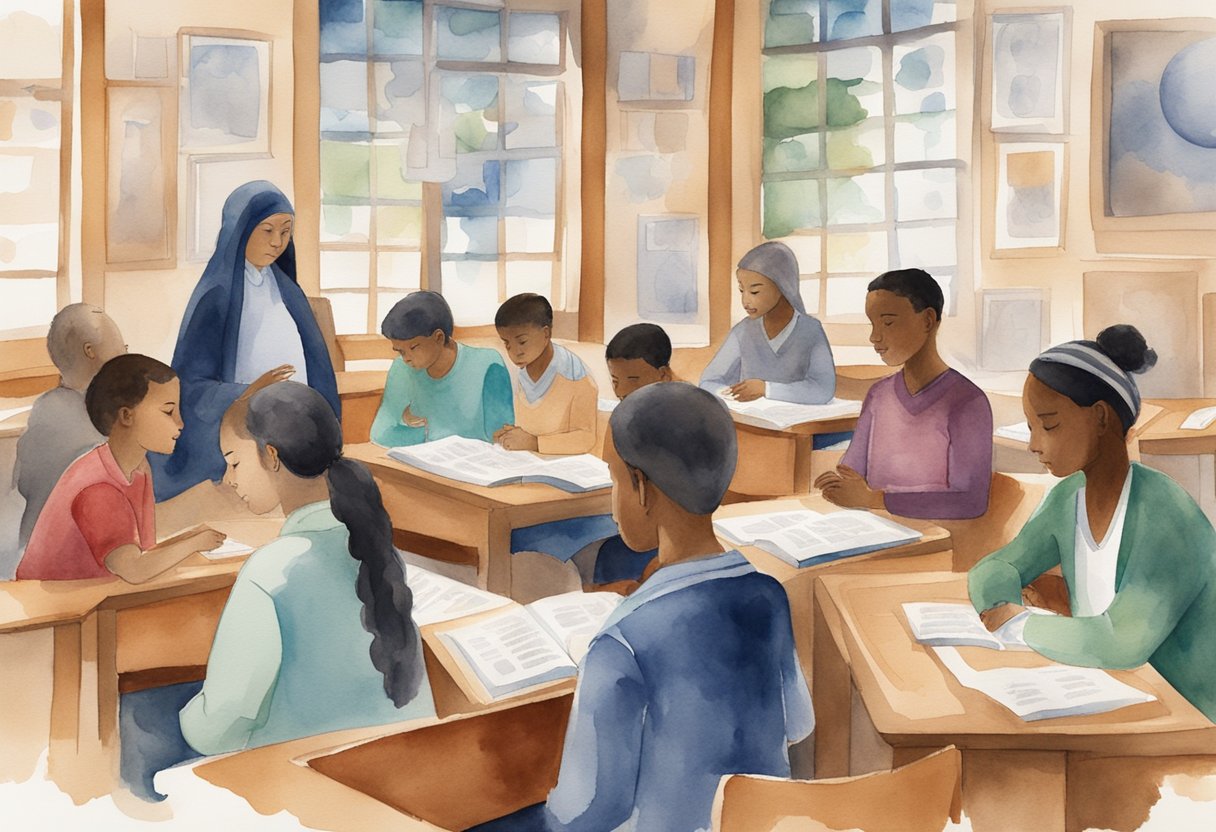
In recent years, many Christians have begun to rethink how education can respond to modern challenges. They seek to find balance between traditional values and contemporary needs, ensuring that faith plays a vital role in curriculum development.

These discussions often revolve around how to effectively navigate cultural challenges while maintaining a commitment to Christian principles.
By examining the integration of faith in education, readers will discover how this approach can lead to meaningful reform. It encourages educators and communities to foster environments where students are equipped not only with knowledge, but also with the values that shape their character and purpose.
Key Takeaways
- Integrating faith enriches the educational experience for students.
- Modern education reform can honor traditional Christian values.
- Navigating cultural challenges is essential for faith-based education.
Historical Context of Christianity and Education
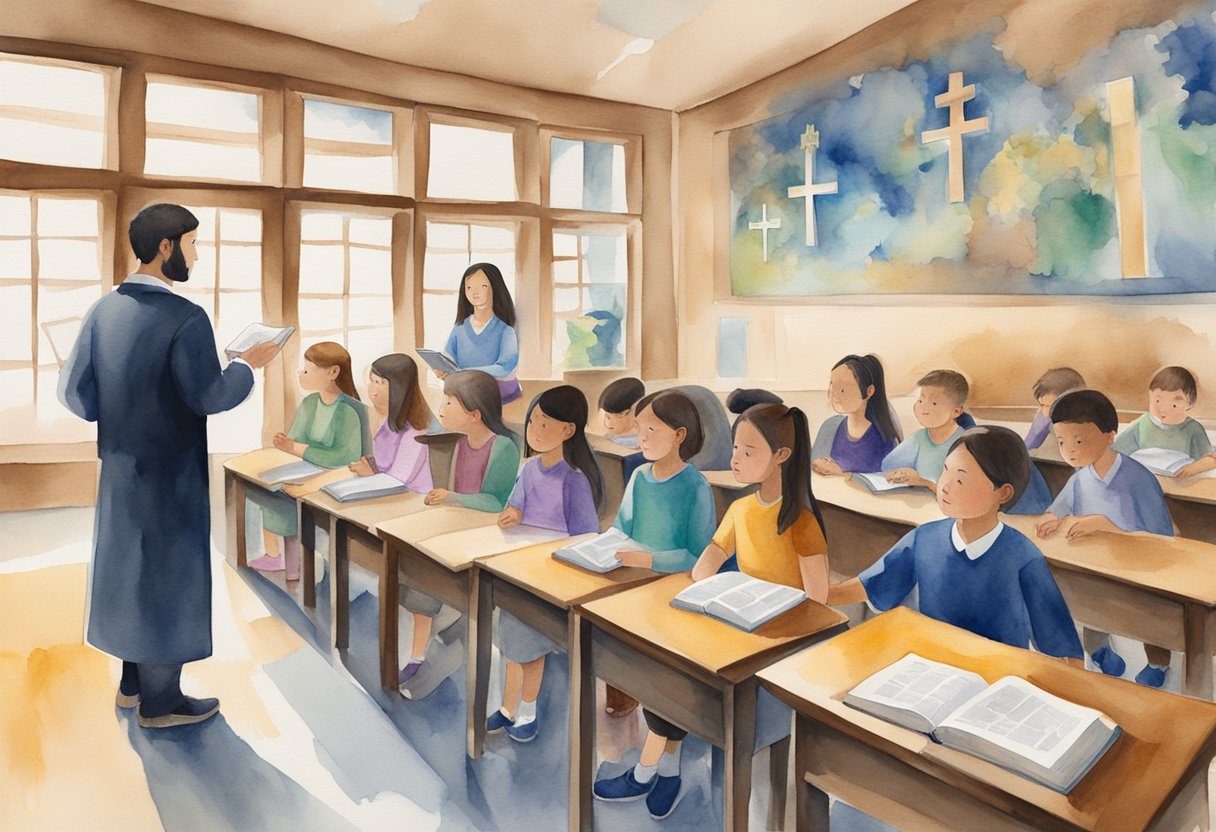
Christianity has deeply influenced education throughout history. The roots of Christian education can be traced back to the early church. It played a vital role in shaping religious education and public schooling in America.
Foundations of Christian Education in History
Christianity’s impact on education started in the early centuries when the church established schools. These schools aimed to teach not only literacy but also moral values based on Christian teachings.
Monastic schools in the Middle Ages were significant for preserving knowledge, where monks copied texts and taught students.


During the Reformation, figures like Martin Luther emphasized the importance of educating all people. He believed that everyone should read the Bible. This movement led to the creation of more schools that combined religious teachings with basic education.
The Role of Religion in the Development of Public Schools
In America, public education emerged from a blend of religious and secular ideals. Early settlers often established schools to educate children in a Christian manner.
As the nation grew, various denominations influenced the curriculum, focusing on morality and civic responsibility.
In the 19th century, the push for universal public education began. These schools taught students about ethics and community, drawing from Christian beliefs.

Eventually, the separation of church and state changed the landscape of education, yet the values rooted in Christianity continued to shape American culture and public school systems.




Theology of Christian Education
The theology of Christian education emphasizes biblical truths and the call to integrate faith into learning. It shapes how individuals pursue knowledge and build a Christian worldview while seeking to reflect the Kingdom of God.
Biblical Mandates for Education
The Bible provides clear mandates for education. Proverbs 22:6 advises parents to “train up a child in the way he should go.” This highlights the importance of guiding children in their faith from an early age.
- Discipleship: Education encourages discipleship, where individuals grow in knowledge and faith. Matthew 28:19-20 expresses the Great Commission, urging believers to teach others about Christ.
- Holistic Development: Education should focus on transforming the whole person. Colossians 1:28 stresses the aim of presenting every individual mature in Christ.
- Moral and Ethical Foundation: Teaching biblical values forms a strong ethical foundation. This helps students navigate life’s challenges through a Christian lens.
The Kingdom of God and Academic Pursuit
Education and the pursuit of knowledge connect deeply to the Kingdom of God. The Christian worldview believes that all truth reflects God’s nature.
- Integration of Faith in Learning: Pursuing academics with a biblical perspective inspires learners to seek truth. It encourages them to apply faith in various subjects, shaping their understanding.
- Cultural Influence: Christians are called to influence culture positively. Engaging in education helps them address societal issues with biblical solutions, promoting justice and truth in their communities.
- Eternal Perspective: Recognizing the Kingdom of God shapes goals in education. Students learn that their studies contribute to a greater purpose beyond this life.
These elements together enhance the Christian approach to education, focusing on divine truth and the transformative power of knowledge.
Christian Education in the Modern Context
Christian education faces unique challenges and opportunities in today’s public school landscape. The integration of faith into learning is essential for many believers, yet navigating the secular nature of public education requires careful consideration.
Challenges and Opportunities for Christians in Public Schools
For many Christian educators, public schools can present significant challenges. One major concern is the secular nature of the curriculum, which often limits the opportunities to teach about religion. Despite this, several schools offer ways for students to explore their faith.
Teachers can create a positive environment by encouraging discussions on morality and ethics. This is important in helping students think critically about their beliefs. Additionally, there are opportunities for Christian clubs and organizations that allow students to connect with others and grow in their faith.
Integrating Faith and Learning in Public Education

Integrating faith and learning in public education can be complex but rewarding. It begins with fostering a respectful dialogue about various beliefs, including Christianity. Educators can introduce academic legitimacy for topics related to religion.
This can include lessons on world religions or discussions about historical events that shaped faith practices. Such approaches ensure that all students feel included while allowing them to reflect on their own beliefs.
By focusing on morality and community service, schools can bridge the gap between faith and education. Projects that emphasize these values help students understand the role of faith in everyday life. It’s essential to find a balance that honors both educational standards and personal beliefs.
Frameworks for Education Reform
Education reform involves multiple layers of consideration, particularly through the lens of Christian values. Understanding these frameworks can help clarify how policy and ethical environments contribute to effective reform.
Policy and Legal Considerations for Reform

Educational reform must navigate complex legal structures. Policy decisions often focus on school choice, which allows families to select the best educational options for their children. This can mean charter schools, private schooling, or vouchers for education.
Public policy plays a crucial role in shaping educational landscapes. Laws and regulations can impact funding, curriculum standards, and access to resources.
Christian values can influence these policies by emphasizing the importance of responsible stewardship and accountability. Decision-makers need to consider how reforms align with ethical values while meeting legal requirements.
Engaging in dialogue with lawmakers can encourage thoughtful approaches to creating policies that reflect these beliefs.
Creating Ethical and Inclusive Educational Environments
An inclusive environment is vital for effective education reform. Schools should strive to respect diverse backgrounds and promote ethical values, such as compassion and integrity.

Creating ethical schools involves establishing clear guidelines on behavior and expectations. Educators can incorporate Christian teachings that advocate for respect and kindness towards others.
Additionally, fostering open communication among students, parents, and educators promotes inclusivity. Schools can host community events to celebrate different cultures and beliefs, ensuring everyone feels valued.
Policies should reflect a commitment to diversity and create spaces where all students can thrive. Integration of faith and learning can enhance this environment, making it a central part of the educational experience.
Curriculum Development and Faith Integration

Curriculum development plays a crucial role in merging educational practices with Christian beliefs. This process focuses on weaving a Christian worldview into various subjects, especially in academic areas such as social studies.
Developing a Christian Worldview in Curriculum
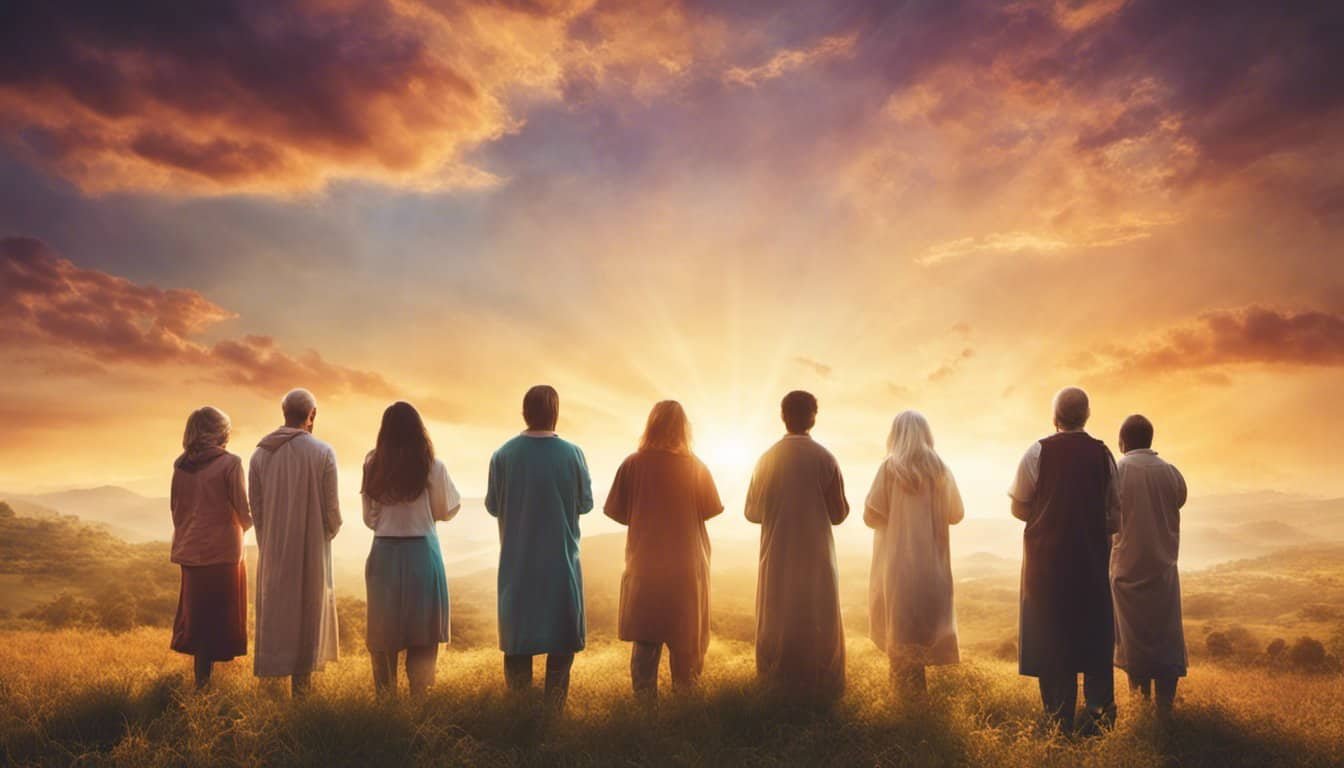
Creating a curriculum that reflects a Christian worldview involves intentional planning. Educators seek to integrate biblical principles throughout their lessons. This approach is not just about teaching facts but also about shaping character and values.
For example, schools often include scripture in discussions of history or literature. Such integration helps students see the relevance of faith in all aspects of life. They learn to view the world through a lens that emphasizes love, justice, and truth.
A well-rounded curriculum encourages critical thinking while connecting faith to academic pursuits. This balance helps promote an environment where students can grow intellectually and spiritually.
Case Studies: Faith Perspectives in Social Studies Standards
Incorporating faith into social studies standards offers a unique perspective on historical and social issues. For instance, curricula may explore how Christianity has influenced major historical events and movements.
One case study might focus on the civil rights movement, examining figures like Martin Luther King Jr. He advocated for equality through a faith-based lens. Lessons can include discussions on how faith motivated social change and inspired action.
Another example includes examining global cultures and how faith shapes societal values. Students study different communities, leading to insights about conflict and cooperation in a diverse world. This helps students understand the broader implications of faith in society.
By focusing on these elements, educators provide a rich learning experience. This approach equips students to engage thoughtfully with their beliefs and the world around them.
Navigating Cultural Challenges

Education reform that integrates faith often brings cultural challenges. Understanding how to foster religious expression while respecting diverse beliefs is crucial. It helps create a welcoming environment for every student.
Religious Expression in the Classroom
In many American schools, discussing religious themes can enrich learning. Students might celebrate holidays like Christmas and Thanksgiving, sharing their traditions through activities or discussions. For instance, singing Christmas carols can bring joy and promote cultural awareness.

Teachers can encourage discussions about different faiths while respecting individual beliefs. They should create spaces where students feel comfortable sharing their views. This approach aligns with the idea of individualism, where each student’s perspective is valued.
Schools should follow the rule of law to ensure that everyone’s rights are protected. Clear guidelines help maintain a respectful atmosphere while allowing religious expressions.
Balancing Individual Beliefs and Cultural Sensitivity
As students bring their beliefs into the classroom, educators face the challenge of balancing these with cultural sensitivity. It is essential to recognize the diversity within the student body, including various religions and philosophies.
Teachers can foster an inclusive environment by encouraging open conversations about beliefs. This approach allows students to ask questions and learn from one another. For example, discussing various cultural traditions can help students appreciate differences.
At the same time, teachers must be careful not to promote one belief over another. Creating rules that uphold respect for all ideas helps maintain harmony in the classroom. By combining knowledge of American culture with sensitivity to individual beliefs, schools can navigate these challenges effectively.
Practical Implications and Community Impact

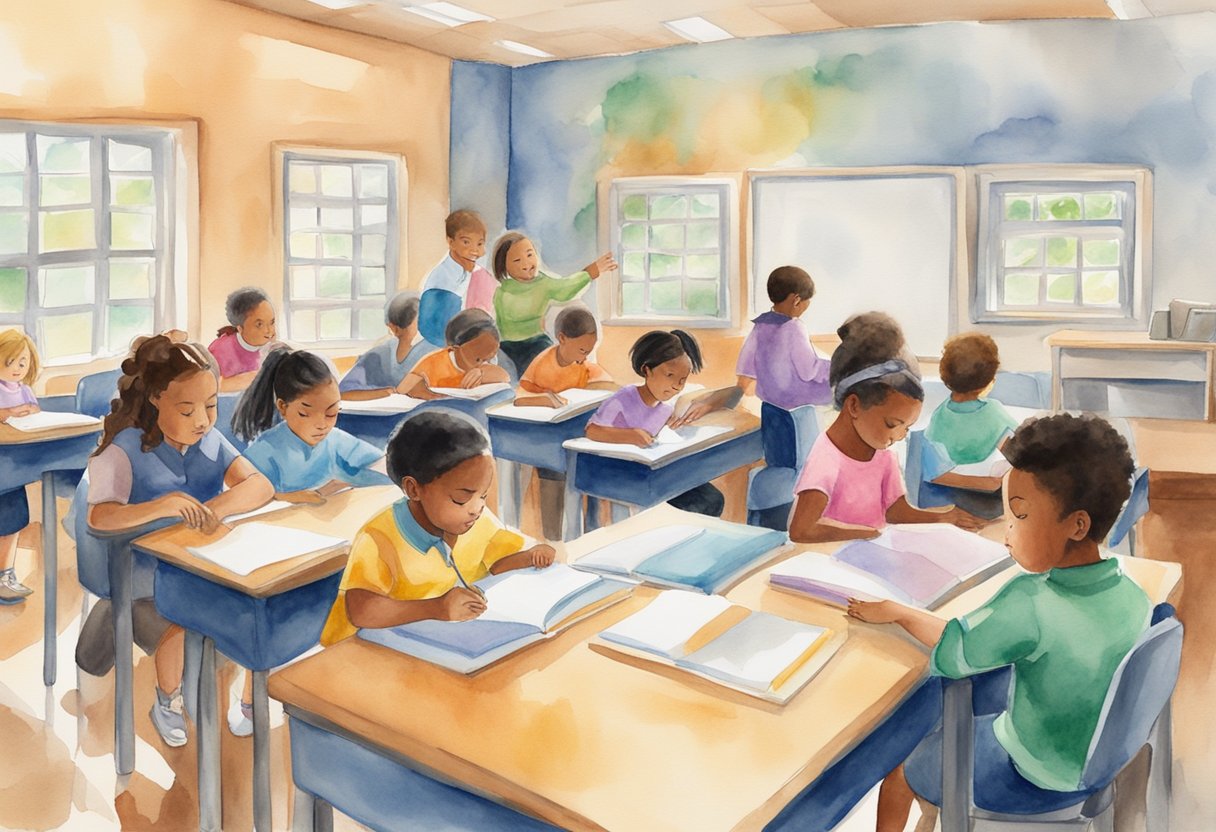
Education reform through a Christian lens offers valuable opportunities for collaboration between faith communities and schools. Engaging these groups can lead to positive changes that benefit children, families, and the larger community.
Fostering Collaborations Between Faith Communities and Schools
Creating partnerships between faith communities and public schools can enhance educational experiences.
When Christians engage with schools, they can offer mentoring programs, after-school activities, and resources like tutoring.
For instance, churches may provide volunteers to help students academically or spiritually. This strengthens the community by promoting a shared vision of growth and support.

It contributes to the kingdom of God by encouraging values like compassion and cooperation.
Regular meetings between church leaders and school officials can identify needs and develop tailored programs.
By working together, faith communities and public schools can foster an environment where every child can thrive.
Legal Guidelines for Christian Practices in Public Schools
Integrating faith into education can be beneficial, but it is crucial to follow legal guidelines. Public schools must maintain a separation of church and state. This means Christian practices must be carefully balanced.
For example, prayer and religious discussions should be student-initiated and voluntary. Schools can teach about different beliefs, including Christianity. But, they cannot promote specific religious views in a mandatory way.
Encouraging students to participate in charity work aligns with spiritual teachings while adhering to public school regulations. For instance, community involvement through service projects can reflect Christian values without breaching legal boundaries.
