
Food insecurity is a pressing issue that many face today. It presents a moral challenge for Christians. The call to feed the hungry is not just about meeting physical needs. It also reflects a deeper commitment to justice and compassion. Understanding this perspective encourages believers to act and helps to address the needs of those in their communities.
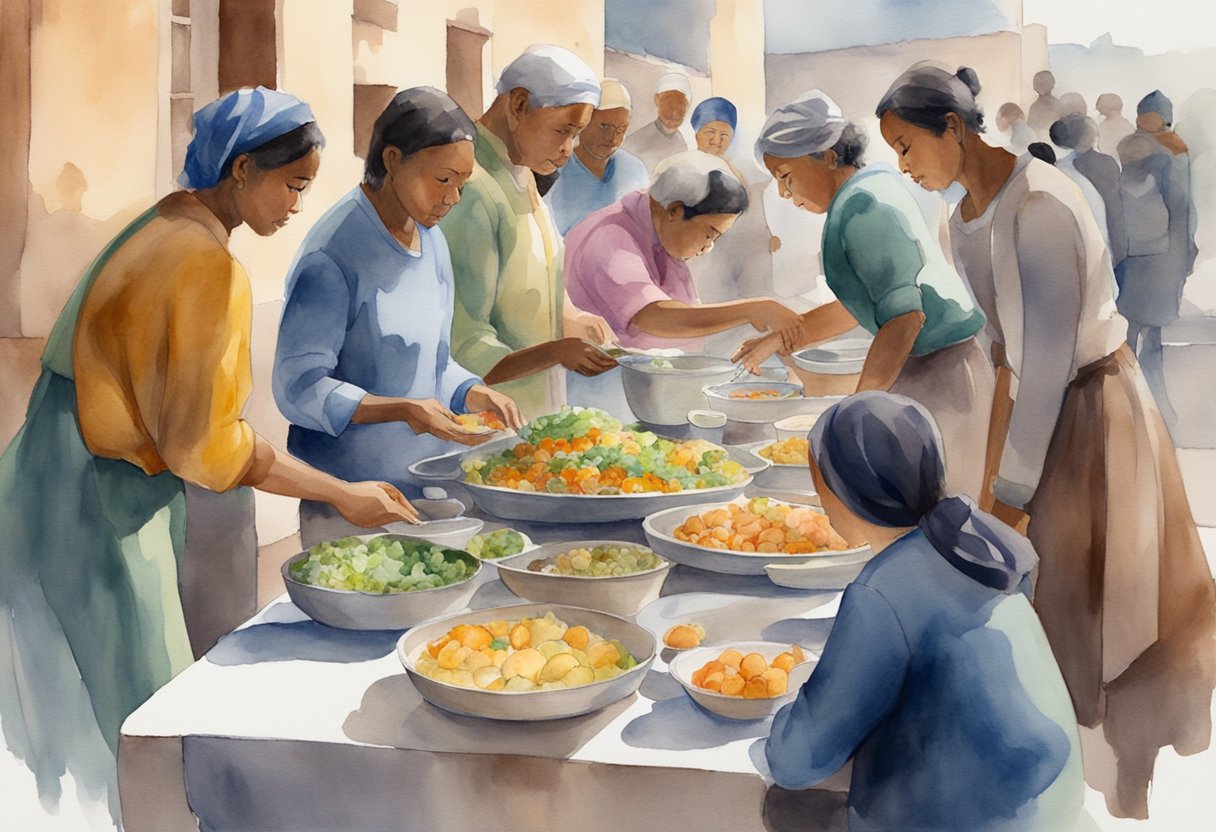

Throughout history, religious texts have inspired many to take action against hunger. By looking at the biblical teachings on charity and community support, it’s clear that caring for the less fortunate is a fundamental principle of faith.
This post will explore how Christians are called to engage with food insecurity and the various ways they can make a difference.

As believers consider their role in combating hunger, they can find ways to contribute meaningfully. They can do this through local food banks or community outreach programs. This journey of service not only helps others, but also deepens one’s own faith and sense of purpose.
Key Takeaways
- Feeding the hungry aligns with core Christian teachings about charity and community support.
- Addressing food insecurity is a vital part of striving for social justice.
- Engaging in practical acts of service can strengthen one’s faith and connection to the community.
Biblical Foundations of Charity
Biblical teachings emphasize the importance of charity and generosity. They illustrate how God’s provisions reflect His care for humanity. Through various scriptures, the practice of feeding the hungry emerges as a vital aspect of faith and community.
Scriptural Insights on Hunger
The Bible contains many verses that highlight the responsibility of believers to address hunger. In the Book of Isaiah, it is stated, “If you offer your food to the hungry and satisfy the needs of the afflicted, then your light shall rise in the darkness” (Isaiah 58:10). This verse emphasizes how helping the needy not only impacts the recipient but also glorifies God.
Additionally, Jesus often spoke about feeding the hungry. In the New Testament, He fed the 5,000 with five loaves and two fish, showcasing God’s abundance and care (John 6). This miracle illustrates how God meets needs in unexpected ways. It also encourages believers to trust in His provision and share what they have.
God’s Promises and Provision
Throughout scripture, God’s promises reflect His commitment to provide for His people. The story of manna, provided to the Israelites in the wilderness, serves as a reminder that God sustains those in need (Exodus 16). Manna appeared daily, teaching the Hebrews to trust God’s timing and generosity.


In addition, the example of Abraham demonstrates God’s abundant blessings. God promised Abraham that his descendants would be numerous. This promise encourages believers to emulate God’s generosity by sharing their resources.
The Practice of Generosity in Biblical Times
Generosity is deeply woven into the fabric of biblical traditions. During ancient times, sharing food was a cornerstone of community life. The Israelites were instructed to leave the edges of their fields unharvested for the poor (Leviticus 19:9-10). This practice ensured that everyone had access to food.
Moreover, the early church exemplified charity by sharing all they had. Acts 2:44-45 reveals that believers sold their possessions and distributed the proceeds to those in need. This communal approach to generosity highlights the biblical view that caring for the hungry is a shared responsibility, rooted in love for one another.
Theological Understanding of Hunger

Exploring hunger from a theological perspective reveals deep connections between faith, poverty, and the love that drives individuals to care for those in need. This understanding emphasizes solidarity with those who suffer while highlighting prayer’s role in seeking divine support.




Sin, Suffering, and Solidarity
In many religious teachings, hunger is linked to sin and human suffering. When the world moved away from God’s will in Eden, it introduced struggles, including poverty and hunger. This brokenness calls for solidarity among believers.
By recognizing their shared humanity, believers are urged to support those who are hungry. This support fosters love and compassion. It reflects the righteous actions God desires. Concrete actions can include donating food, volunteering at shelters, or advocating for systemic change.
The Concept of Daily Bread
The idea of “daily bread” is a fundamental concept rooted in the Lord’s Prayer. This notion emphasizes the necessity of meeting physical needs alongside spiritual ones. It reflects the belief that God provides for them each day.
Feeding the hungry is not just a physical act; it symbolizes trust in God’s provision. It encourages believers to share their resources, ensuring everyone has access to essential sustenance. This act of sharing is an expression of faith in action, reminding the faithful of their responsibilities towards one another.
Spiritual Dimensions of Feeding the Hungry
Feeding the hungry carries profound spiritual significance. It goes beyond meeting physical needs; it fosters community.
Engaging in acts of charity allows individuals to experience God’s love through service. Every meal shared becomes an opportunity for prayer and connection. When individuals gather to eat, they create bonds of fellowship. This practice teaches gratitude and promotes a sense of belonging. The faithful are reminded that in serving others, they also serve God, reinforcing the importance of compassion in their spiritual journey.
Food Insecurity and Social Justice
Food insecurity affects millions globally and is deeply tied to issues of social justice. It raises questions about human rights, equity, and the responsibility of individuals and communities to ensure that everyone has access to food. The following sections explore these elements in detail.
Human Rights Perspective
Access to food is a fundamental human right. According to the Universal Declaration of Human Rights, everyone has the right to an adequate standard of living, which includes food. This right is supported by the Food and Agriculture Organization, which emphasizes that food should be accessible for all.

Food insecurity leads to various social issues, including health problems and economic instability. It disproportionately affects marginalized communities. A human rights approach insists on accountability from governments and organizations to provide adequate food resources.
Equity and the Right to Food
Equity is vital in addressing food insecurity. Not everyone has the same access to food resources, which can stem from economic disparity and systemic injustice.
The right to food means that policies should be structured to uplift those who are most vulnerable. This includes ensuring that low-income families can access nutritious food. Programs such as food banks and community gardens promote local solutions to overcome inequities in food access.
Christian Responsibility in Modern Society
For Christians, helping those who are hungry is a fundamental aspect of faith. Many biblical teachings advocate for the care of the less fortunate. This commitment encourages faith-based organizations to act against food insecurity.
Communities are urged to take action by volunteering at food banks or donating to charities that support hunger relief. The Christian perspective highlights the moral obligation to address food insecurity as a matter of social justice. By embodying love and compassion, individuals can make a meaningful impact in the fight against hunger.
Practical Aspects of Feeding the Hungry

Addressing food insecurity involves multiple efforts that can bring communities together. Important responsibilities lie within churches, partnerships with local food banks, and the promotion of education and community involvement. Each of these aspects plays a crucial role in effectively combating hunger.
Church’s Role in Food Security
Churches often serve as vital resources in fighting food insecurity. Many congregations run food pantries that provide essential sustenance to those in need. These pantries can distribute non-perishable items like canned goods or dry grains.
In addition to food distribution, churches may host community meals. These gatherings not only feed the hungry but also foster a sense of communion and togetherness. By making space for fellowship, they create a supportive environment that enhances food security.
Moreover, faith communities often engage in fundraising activities to support food programs. This financial backing can help maintain pantries and organize food drives for local families facing hunger issues.
Partnerships and Food Banks

Collaborations between churches and local food banks can amplify efforts to combat food insecurity. Food banks act as distribution centers, gathering surplus food from various sources and sharing it with community organizations.
When churches partner with these banks, they gain access to larger quantities of food. This helps to ensure that more individuals receive proper nutrition. Regular communication between partners can streamline the process and identify areas of need.
Additionally, these partnerships can expand into community gardens. By working together to cultivate fresh produce, they not only provide quality food but also promote education about healthy consumption practices.
Education and Community Involvement
Education is key in promoting better food security. Many churches offer workshops on nutrition and cooking skills, which enable community members to make healthier choices.
Through hands-on experiences, such as gardening, individuals can learn about growing their own food. This knowledge empowers them to take control of their sustenance and can reduce reliance on external sources.

Community involvement is crucial as well. Volunteer opportunities for sorting and distributing food at pantries encourage a spirit of giving while educating participants on the issues of hunger. This shared responsibility strengthens the community’s commitment to tackling food insecurity.
Moral and Emotional Responses to Hunger

Addressing hunger goes beyond just filling stomachs. It involves emotional and moral responses that shape how individuals and communities act toward those in need. The feelings of compassion can lead to action, while rage or bitterness can create barriers. Recognizing the dignity of every person is also essential in fostering acceptance. Engaging in service and prayer can promote healing for both the helper and the hungry.
Compassion versus Rage and Bitterness
Compassion is a powerful tool when responding to hunger. It inspires love and motivates individuals to help those in need. When one sees a hungry child, feelings of empathy can drive actions like volunteering or donating food.
In contrast, feelings of rage and bitterness can arise when witnessing injustice. Anger over the systemic issues causing hunger may lead some to despair rather than act. This negative energy often results in isolation and decreased willingness to help others. Choosing compassion over these emotions creates a pathway toward constructive change.
Fostering Dignity and Acceptance

Recognizing the dignity of every individual is crucial when addressing food insecurity. Every person deserves respect and compassion, regardless of their circumstances.
Approaching those who are hungry with kindness fosters acceptance and understanding. Programs that treat individuals with dignity, such as community kitchens, emphasize their worth.
This approach can empower them to reclaim their liberty and break free from the bondage of hunger. Acceptance not only supports immediate needs but also helps to build a supportive community.
Healing through Service and Prayer
Service and prayer are essential for healing. Engaging in acts of service allows individuals to connect with those who are hungry.
It can also create a sense of purpose. Helping others often brings joy and fulfillment, reinforcing a positive cycle of support.

Prayer adds an emotional layer, providing comfort and hope. It can bring communities together, encouraging collective action against hunger.
Through prayer, individuals recognize the shared struggle and seek strength to bring about change. This blending of service and spirituality helps in healing both the giver and the receiver.
Global Perspective on Combatting Hunger
Food insecurity is a pressing issue worldwide, with various complexities that affect millions. By examining the challenges of world hunger, exploring innovative solutions like universal basic income, and emphasizing stewardship of Earth’s resources, a clearer picture emerges of how to address this crucial problem.
World Hunger Challenges
World hunger is a significant challenge that affects nearly 800 million people. This issue often stems from a combination of poverty, conflict, and climate change.

Many regions, particularly in Asia, Africa, and Latin America, face severe food scarcity. Women and children are among the most affected, frequently bearing the brunt of this crisis.
This leads to malnutrition and poor health, hindering their potential for a better life. Addressing hunger requires a multi-faceted approach that combines charity, policy changes, and community support.
Organizations strive to provide immediate relief while also promoting sustainable agriculture and food access. Faith-based initiatives, like those from numerous Christian organizations, actively work to combat these challenges through education and resource distribution.
Universal Basic Income as a Tool
Universal basic income (UBI) is gaining attention as a potent tool to fight hunger. Offering a guaranteed income can help families meet their basic needs, including food.
This approach can support those most at risk, enabling them to buy nutritious food and break the cycle of poverty. Some places have shown promising results, where UBI recipients report better overall well-being.

Critics argue about funding and implementation logistics. However, if designed well, UBI can ensure that money reaches those in need, fostering healthier communities.
Programs can incorporate local food systems, helping families access fresh produce and reduce food waste.
Stewardship of Earth’s Resources
Stewardship plays a crucial role in addressing food insecurity. Taking care of the Earth ensures sustainable food production for future generations.
Efforts include promoting farming practices that enhance soil health and protect ecosystems.
Communities can work together, finding ways to support local farmers while minimizing environmental impacts.
Using resources wisely leads to better food distribution and access. Faith traditions emphasize this idea, urging people to nurture Earth’s gifts.
By valuing what they have and sharing generously, she can help combat hunger effectively and compassionately.
