
The first chapter of Genesis tells the story of creation. It starts with a world of darkness and emptiness. Then God speaks light into being.
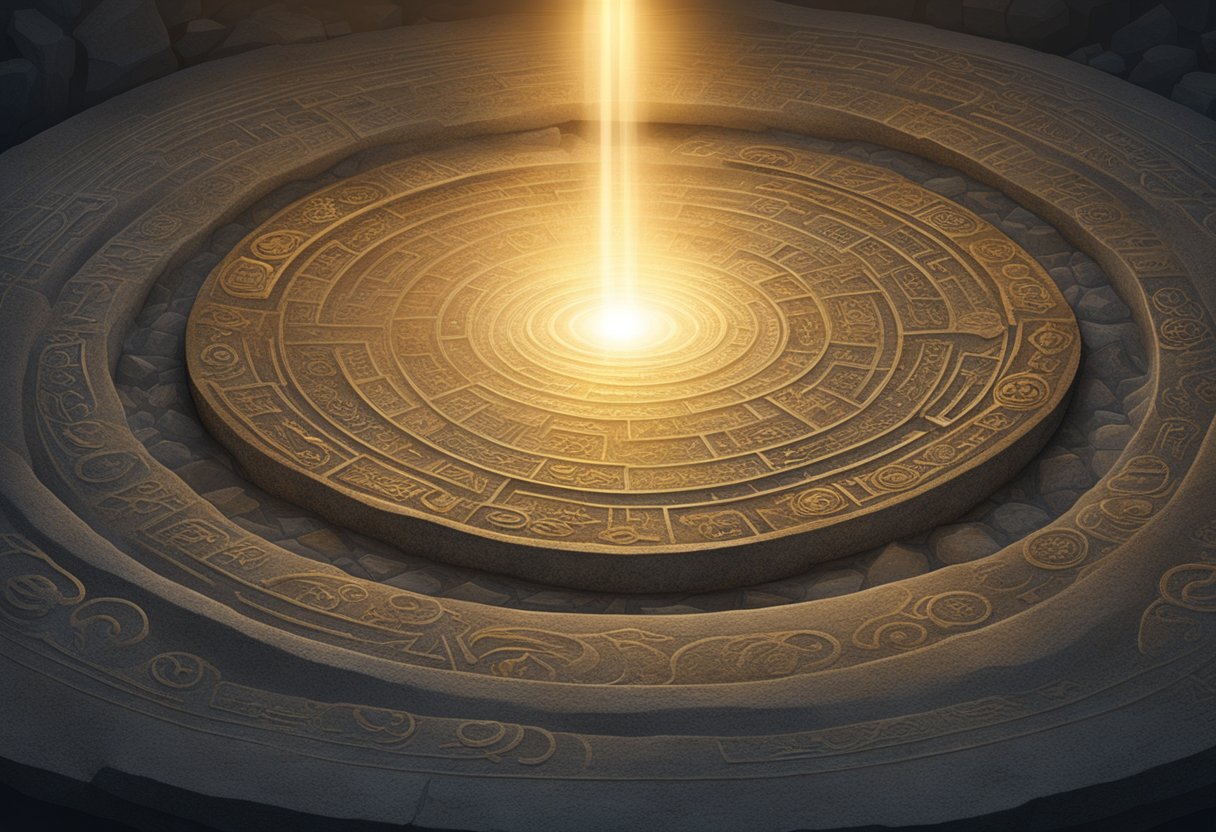

Light and darkness in Genesis 1:1-5 represent more than just day and night – they symbolize order and chaos, good and evil. God separates the light from the darkness, giving each its own place and purpose. This sets up a pattern that continues throughout the Bible.
The creation of light marks the beginning of God shaping the world. It shows His power to bring form out of formlessness.

The interplay between light and dark in these verses offers rich ground for exploring deeper meanings about God’s nature and plans for creation.
Key Takeaways
- Light and darkness in Genesis symbolize deeper spiritual truths
- God’s first creative act was bringing light into a dark world
- The separation of light and dark establishes order in creation
Context of Genesis in The Bible
Genesis is the first book of the Bible and the Torah. It’s part of the Old Testament and tells the story of how the world began.
The Bible is a collection of religious texts. It has two main parts: the Old Testament and the New Testament. Genesis is found at the start of the Old Testament.
Many people believe Moses wrote Genesis. He’s an important figure in Jewish, Christian, and Islamic traditions. Moses is said to have led the Israelites out of Egypt.
The Torah is the first five books of the Bible. These books are:


- Genesis
- Exodus
- Leviticus
- Numbers
- Deuteronomy
Genesis covers big topics like creation, the first humans, and early human history. It also tells stories about important figures like Abraham, Isaac, and Jacob.
Light and darkness are key symbols in Genesis 1:1-5. These verses describe the creation of the world. They show how God made light and separated it from darkness.
The stories in Genesis set the stage for the rest of the Bible. They explain where humans came from and why the world is the way it is.
The Symbolism of Light in Genesis

Light plays a key role in the creation story of Genesis. It represents God’s creative power and presence. The separation of light from darkness establishes order in the universe.




Creation of Light and Its Significance
God spoke light into existence at the very start of creation. The Bible says “Let there be light,” and there was light. This shows God’s authority over the physical world.
Light was the first thing created, highlighting its importance.
Light brought form to the formless void. It allowed other aspects of creation to be seen and appreciated. The creation of light set the stage for everything else God would make.
God called the light “good,” showing its positive nature. Light became associated with goodness, while darkness was linked to chaos or evil.
Light as a Metaphor for God’s Presence
Light often symbolizes God’s presence in the Bible. When God appears, he is described as radiant or shining.
The illumination of light represents divine wisdom and truth.
In Genesis, God’s Spirit hovered over the waters before light was made. The creation of light can be seen as God revealing himself in the physical world.
Light allows humans to see and understand their surroundings. Similarly, God’s presence brings clarity and understanding to people’s lives.
The Separation of Light from Darkness
After creating light, God separated it from darkness. This division brought order to the universe. It established the cycle of day and night.

The separation shows God’s power over both light and dark. He named them “Day” and “Night,” further demonstrating his authority.
This act of separation is a common theme in Genesis. God continues to create by separating waters, land, and sky. The light/dark division was the first step in organizing the cosmos.
The alternation of day and night became a way to mark time. This created a rhythm for life on earth to follow.
The Role of Darkness in Genesis
Darkness plays a key part in the Genesis creation story. It represents the state before God’s creative work and sets the stage for light to emerge.
Darkness Before Creation

In Genesis 1:2, darkness covered the deep before God began creating. This darkness shows a world not yet formed. The earth had no shape or order.
Darkness here means more than just no light. It paints a picture of emptiness and waiting. Nothing existed yet except formless matter.
This early darkness sets up the drama of creation. It makes God’s first words, “Let there be light,” even more powerful.
Darkness and Chaos
The Bible links darkness to chaos in the beginning. The formless earth was empty and dark. This suggests disorder and confusion.
Darkness and the deep went hand in hand. The “deep” refers to vast waters covering everything. These waters represent chaos in many old stories.
God’s act of separating light from dark brought order. It was the first step in taming the chaos. This shows God’s power over disorder and confusion.
Darkness as Absence of Light
After creating light, God separated it from darkness. This shows darkness as simply the absence of light.
God named the darkness “Night.” This gave it a place in the daily cycle. Darkness was no longer just chaos, but part of the rhythm of creation.
The pattern of day and night became a key part of how the world works. It set up time itself and the idea of seasons and years.
Interplay of Light and Darkness
Light and darkness play key roles in Genesis 1:1-5. These symbols represent more than just physical light and dark. They point to deeper spiritual meanings.
Metaphors for Moral and Spiritual Conditions
In Genesis, light and darkness are powerful symbols. Light often stands for goodness, knowledge, and God’s presence. Darkness can mean evil, ignorance, or being far from God.
When God says “Let there be light,” it’s about more than just creating daytime. It shows God bringing order and goodness to the world.
The Bible often uses light to mean spiritual understanding. People who follow God are called “children of light.” This suggests they live with wisdom and do what’s right.
Contrasting Themes of Good and Evil
Light and dark in Genesis set up an ongoing theme in the Bible. Good and evil are often shown as light versus darkness.
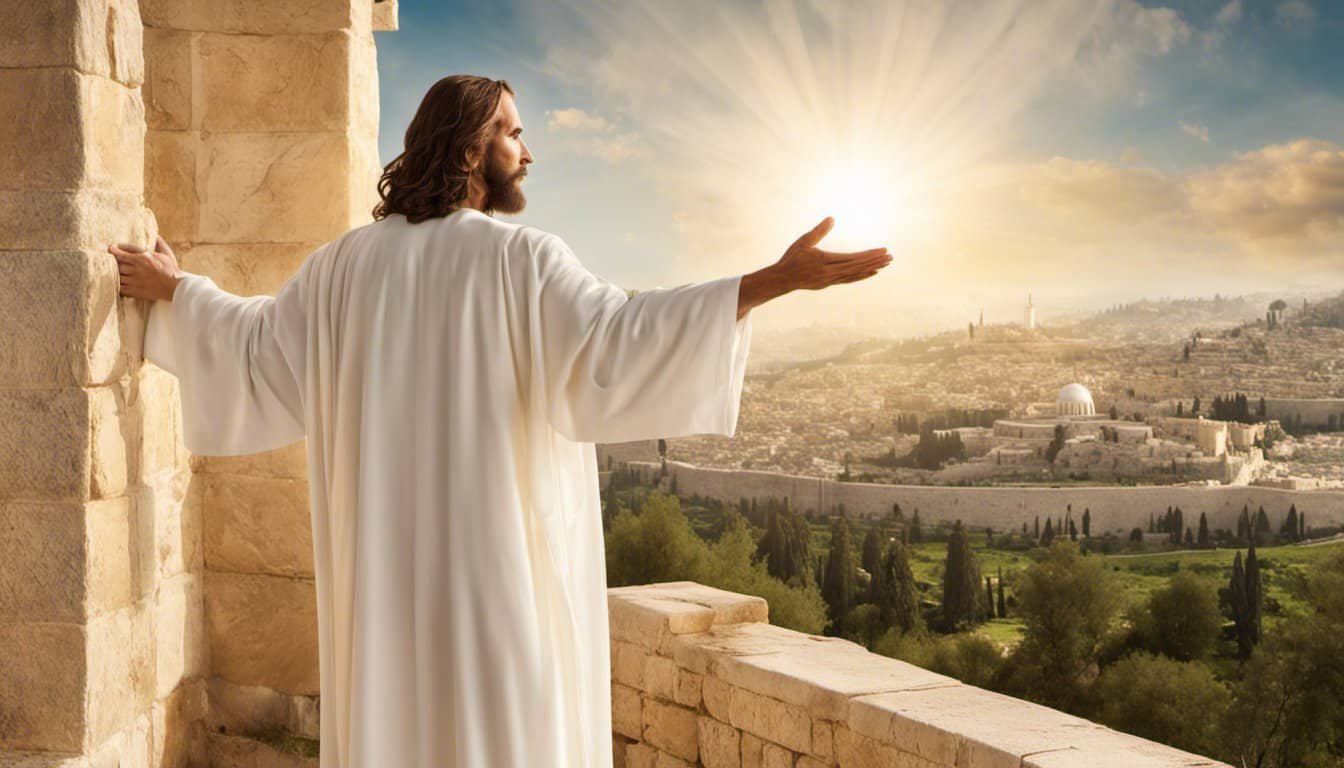
God sees the light is good and separates it from darkness. This division hints at the split between good and evil.
The cycle of day and night in Genesis mirrors life’s ups and downs. Light represents times of joy and clarity. Dark periods can mean struggle or confusion.
But darkness isn’t always bad. Sometimes it’s where important things happen, like God speaking to people in dreams.
Literary Structure of Genesis 1:1-5
Genesis 1:1-5 has a unique structure that blends poetry and narrative. It sets up key themes of creation, order, and divine power.
Poetic Elements and Patterns
The opening of Genesis uses poetic devices to convey profound ideas. Repetition and parallelism are common. For example, “formless and empty” echoes the concept of chaos.
God’s creative acts follow a pattern:
- Divine speech (“And God said”)
- Command (“Let there be”)
- Fulfillment (“and there was”)
- Evaluation (“God saw that it was good”)
This structure highlights God’s power over nature. It shows how His words bring order from chaos.
Narrative Framework
Genesis 1:1-5 sets up a storytelling framework. It introduces key elements like the heavens, earth, and light. These form the stage for the rest of creation.
The text moves from general to specific:
- Verse 1: Broad statement of creation
- Verse 2: Earth’s initial state
- Verses 3-5: First specific creative act (light)
This progression helps readers visualize the creation process. It also establishes God’s role as the supreme judge, separating light from darkness.
Theological Themes in Genesis
Genesis reveals key ideas about God’s nature and relationship with creation. It shows God’s power, purpose, and presence in forming the universe and life.
Creation as an Act of Divine Will
God speaks the world into being in Genesis. His words have power to create reality. This shows creation as an intentional act, not random chance.
God’s will shapes every aspect of the cosmos. He decides what to make and calls it good. This points to a universe with meaning and purpose.

The text presents an ordered creation. God forms the world step by step over six days. This suggests He is a God of order, not chaos.
Authority and Sovereignty of God
Genesis portrays God as the supreme ruler over all. He has total control of the elements and can alter reality at will.
God names things in creation, showing His authority. He sets the sun and moon to govern day and night. This reveals His role as the ultimate lawgiver.
The text depicts God judging His creation as good. This shows His right to evaluate and determine the worth of what He has made.
Spirit of God as Life-Giving Force
The Spirit of God hovers over the waters in Genesis 1:2. This indicates the Spirit’s role in bringing form to formlessness.
God’s breath gives life to Adam. This links the Spirit closely with the gift of life itself. The Spirit appears as the animating force of creation.
The term for Spirit in Hebrew also means “breath” or “wind.” This connects God’s Spirit to the idea of an invisible yet powerful life-giving energy.
Christological Interpretations of Light and Darkness
Light and darkness take on deep spiritual meaning in Christian theology. These symbols point to Jesus Christ as the source of divine illumination and salvation for humanity.
New Testament Revelations of Light
The New Testament often uses light imagery to describe Jesus and his mission. In John’s Gospel, Jesus calls himself the light of the world. This ties into Old Testament prophecies about the Messiah bringing light to people in darkness.
The apostle Paul talks about the “light of the gospel” shining in people’s hearts. He says believers are called out of darkness into God’s wonderful light.
At Jesus’ birth, shepherds saw a bright light. At his transfiguration, his face shone like the sun. These events reveal his divine nature as the Son of God.
Role of Jesus Christ as Light of the World
As the Light of the World, Jesus fulfills several key roles:
• He reveals truth and exposes sin
• He guides believers on the path of righteousness
• He offers hope and eternal life
Jesus said, “I am the light of the world. Whoever follows me will never walk in darkness, but will have the light of life.”
His teachings shine light on God’s character and will. Through his death and resurrection, Jesus defeated the powers of darkness. He invites all people to step out of spiritual darkness into his marvelous light.
Believers are called to reflect Christ’s light in a dark world. They become “children of light” who walk in love, goodness and truth.
Cosmological Perspectives on Genesis
Ancient ideas about the cosmos shaped how people understood Genesis. The story tells of God creating the heavens, earth, and everything in between.
Ancient Understandings of the Cosmos
People long ago thought the world was flat. They believed a dome called the firmament covered the earth. This dome held up the sky and stars.
In Genesis 1, God creates the heavens and earth. He separates the waters above from the waters below. This matches what ancient people thought the world looked like.
The creation story in Genesis shows God bringing order to nature. He divides light from dark and land from sea. This reflects how people back then saw the world taking shape.
The Firmament and Celestial Bodies
The firmament was seen as a solid barrier in the sky. Ancient folks thought it kept cosmic waters from flooding the earth.
God places the sun, moon, and stars in this firmament. He sets them there to mark days, seasons, and years. This shows how important these sky objects were to people’s daily lives.
The cosmic symbolism in Genesis reflects early ideas about space and time. It paints a picture of an orderly universe created by God.
Modern Reflections on Genesis Themes
The Genesis creation story continues to spark discussions about wisdom, knowledge, and the relationship between science and faith. People find meaning in these ancient narratives while also grappling with modern scientific understandings.
Cultural Significance of Creation Narratives
Creation stories hold deep cultural importance across societies. They shape how people view the world and their place in it. The Genesis account remains influential in Western culture.
Many find moral and spiritual wisdom in Genesis. The ideas of order from chaos and humans as caretakers of creation resonate today.
Artists and writers often reference Genesis themes. Light, darkness, and the origins of life inspire creative works. These stories connect people to a sense of shared heritage and meaning.
Science and Faith Dialogues
The relationship between scientific and religious views of creation is complex. Some see conflict, while others find harmony.
Many faith leaders embrace scientific discoveries about the universe’s origins. They view science as revealing the wonders of God’s creation.
Scientists explore how religious beliefs can coexist with evolution and the Big Bang. Ongoing dialogues seek common ground between faith and reason.
Questions arise: Can Genesis be read metaphorically? How do we understand truth in both science and scripture? These discussions encourage critical thinking about knowledge and belief.
Conclusion

The symbols of light and darkness in Genesis 1:1-5 hold deep meaning. They show God’s power to create order from chaos.
Light represents God’s presence and holiness. It brings clarity and reveals truth. Meanwhile, darkness points to uncertainty and the unknown.
God separates light from dark. This act shows his authority over creation. It also sets up a pattern of day and night.
The cycle of evening and morning reflects God’s faithfulness. It gives stability to the world he made.
These symbols go beyond Genesis. They appear throughout the Bible. For example, Jesus calls himself the “light of the world.” The Apostle Paul speaks of believers as “children of light.”
Light and dark in Genesis point to bigger themes:
• Re-creation
• Redemption
• God’s guidance
They remind us that God brings hope in dark times. His light always overcomes darkness.
This passage lays the groundwork for God’s plan. It shows his desire to bring order, goodness, and life to his creation.
