
When life feels uncertain and the future seems clouded, it’s natural to search for hope. Zechariah’s visions, rich with symbolism and promise, offer exactly that—a glimpse of restoration and renewal during times of despair. These powerful messages were given to a people longing for a fresh start, reminding them that brighter days were ahead.
You’ll find that these visions aren’t just ancient prophecies; they carry timeless truths about resilience and faith. They invite you to see beyond the challenges of today and trust in the possibility of a better tomorrow. Zechariah’s words continue to inspire, showing that even in the darkest moments, hope can shine through.
The Witness: Practical Guidance and Biblical Insights
Overview Of Zechariah’s Visions

Life pulls you in countless directions, and staying rooted in faith can feel like a challenge. Adam Phillips, a youth pastor with two decades of ministry experience, brings relatable insights to help you apply scripture to everyday life. By blending real-life knowledge with practical strategies, The Witness speaks to your heart and equips you to walk confidently in your faith.
Feeling overwhelmed? This article breaks down ways to deepen your understanding of God’s Word while maintaining balance in modern challenges.
Understanding The Core Message In Scripture

To grasp the Bible’s teachings, start with consistent study habits. Think of scripture as guidance meant specifically for you. Adam emphasizes studying with intention—reading a passage not just for its words but for the message God’s conveying.
- Pick A Version That Works For You: If traditional wording feels tricky, use translations like the New Living Translation (NLT) for clarity.
- Use Tools To Dive Deeper: Concordances or apps like Blue Letter Bible help explain historical contexts.
- Study In Small Sections: Take Psalms, for example. Rather than rushing, meditate on just a few verses at a time—Psalm 23:1-2 reminds us of God’s constant care.
Whether during quiet morning moments or late-night reflection, a focused approach strengthens your connection to scripture.
Building A Strong Prayer Life
Prayer can sometimes feel routine or repetitive, but it’s your direct line to communicate with God. Adam shares three actionable tips to refresh your conversations with Him:
- Start With Gratitude: Open your prayer acknowledging God’s blessings. Try listing just three things from your day.
- Stay Honest: No need to use fancy phrasing—be real about your worries, joys, or doubts.
- Incorporate Scripture: Personalize verses like Philippians 4:6-7 by praying for peace during anxious moments.
Regular, honest prayers lead to deeper trust and reliance on God’s promises.
Impacting Others Through Service
Your faith isn’t meant to stay private—it’s also about serving others. Adam often says, “Serving isn’t always big acts; it’s being present for the small moments.” Here are suggestions for putting this into action:
- Volunteer Locally: Choose causes where you can lend time or skills, like food banks or youth programs.
- Offer Daily Encouragement: Send a text, write a note, or simply check in with someone who’s struggling.
- Live Out Galatians 6:2: Bear someone else’s burden, even if it’s inconvenient. Those moments reflect Christ’s love.
Service doesn’t require being perfect—just being available to make an impact.


Staying Faithful In Challenges
Let’s face it, life tests your faith. Everyone’s been there. When trials come, lean on scripture for wisdom. Adam frequently references Proverbs 3:5-6: “Trust in the Lord with all your heart and lean not on your own understanding.”
Here’s how to stay grounded:
- Memorize Short Verses: This gives you spiritual focus when your mind feels flooded.
- Seek Godly Counsel: Surround yourself with people who encourage your faith walk.
- Take Breaks When Needed: Faith grows even through rest—don’t hesitate to pause and pray.
Even in tough moments, God’s presence stays unwavering, offering hope and direction.
Encouragement To Keep Going
Your journey in faith isn’t about perfection; it’s about persistent growth. Adam’s years of experience remind us that small steps in the right direction matter. When life feels chaotic, revisit scriptures like Isaiah 40:31 to find renewed strength.

You’re not walking this path alone. Keep learning, praying, and lifting others. Faith takes time to flourish, but the rewards are always worth it.


Historical Context Of Zechariah
Zechariah’s ministry occurred during a pivotal moment in Israel’s history, emphasizing themes of restoration and hope amidst challenges. His prophetic visions resonated deeply with a community seeking to rebuild its faith and identity after years of displacement.
The Post-Exilic Period
The Book of Zechariah is set after the Jewish exiles returned from Babylon in 538 BCE. Following King Cyrus of Persia’s decree, many began restoring Jerusalem, including rebuilding the temple. By Zechariah’s time, around 520 BCE, progress had stalled. Political opposition and internal discouragement slowed efforts, leaving the community in a state of uncertainty about God’s promises for their future.
You see the significance of Zechariah’s messages by understanding this historical backdrop. He encouraged the people to persevere in their efforts, reminding them of God’s plans for renewal. For example, Zechariah 1:3—”Return to Me, and I will return to you”—reflects God’s call to spiritual rededication, aligning with the rebuilding process. The visions painted a future of restored blessings, as long as the people remained faithful.
Challenges Facing The Jewish Community
Rebuilding wasn’t easy for the returning exiles. Economically, they struggled to establish livelihoods after decades away from their homeland. Crops were sparse, and resources for rebuilding were limited. Socially, conflicts arose with neighboring communities that opposed their work, as documented in Ezra 4:4-5.
Spiritually, many wrestled with doubt. Had God’s favor truly returned? Zechariah’s visions addressed these fears, urging them to trust in God’s sovereignty despite present hardships. The promise of a purified priesthood (Zechariah 3:4-9) and divine protection affirmed that their struggles were part of a larger redemptive plan.
Zechariah’s historical context highlights the tension between faith and tangible hardship. You can draw inspiration from their story, seeing how hope persisted even when obstacles felt overwhelming.
Key Themes In Zechariah’s Visions
Zechariah’s visions carry deep spiritual meaning, offering encouragement and hope for both ancient audiences and readers today. They center on God’s assurance of restoration, justice, and a promised future king. Let’s explore these key themes.
Hope And Restoration
Zechariah’s visions emphasize the promise of renewal. You see this in the vision of the measuring line in Zechariah 2:1-5, where God vows to rebuild Jerusalem without walls, signifying abundant blessings and divine protection. The prophecy reminds you that no matter how broken circumstances may seem, restoration remains possible through faith.
Consider Zechariah 9:12, which calls you to return to the “stronghold” as a prisoner of hope. The verse teaches that God not only restores what’s lost but doubles His blessings. When struggles leave you feeling defeated, this assurance can inspire persistence and faith in God’s plans.
Divine Justice And Mercy

Zechariah calls attention to God’s justice tempered with mercy. The vision in Zechariah 5:1-4 shows a flying scroll, symbolizing accountability for sin, while Zechariah 3 depicts the cleansing of the high priest, Joshua, by removing his filthy clothes. These images convey that while wrongdoings aren’t ignored, God’s mercy provides a path to redemption.
Zechariah 7:9-10 commands you to “administer true justice,” emphasizing kindness and compassion toward others. Practicality comes into play here—are you forgiving others as God forgives? Are you truly fair and compassionate in daily interactions? These questions challenge personal growth.
The Coming Messiah
The ultimate message in Zechariah’s visions is the promise of the Messiah. In Zechariah 9:9, you see the prophecy of a humble king riding on a donkey—fulfilled by Jesus during the triumphal entry into Jerusalem. This vision highlighted the Savior’s humility and His role in bringing peace.
Zechariah 12:10 reveals a deep spiritual renewal, speaking of mourning for the one pierced, a Messianic prophecy tied to the crucifixion. Through it, you’re reminded of the grace and redemption Jesus brings, urging you to reflect on your relationship with Him.
These themes encourage hope, challenge you to seek justice, and deepen faith in God’s promises. They remind you that whether you’re facing hardship or renewal, God’s plan is unfolding.
The Symbolism In Zechariah’s Visions

Zechariah’s visions contain layers of rich symbolism, offering deep spiritual truths and hope for restoration. By understanding these symbols, you connect with the timeless messages woven into his prophetic imagery.
The Meaning Behind The Eight Visions
Zechariah’s eight visions form a cohesive message of restoration and divine intervention. Each vision communicates God’s promises using vivid and symbolic imagery.
- The Horsemen Among the Myrtle Trees (Zechariah 1:7-17): This vision reassures you of God’s awareness of global events, with the horsemen representing divine messengers sent to patrol the earth. It confirms His commitment to restoring Jerusalem.
- The Four Horns and Four Craftsmen (Zechariah 1:18-21): Horns symbolize oppressive powers, while the craftsmen represent judgment and God’s intervention to dismantle them. This reminds you of His sovereignty over adversaries.
- The Measuring Line (Zechariah 2:1-13): God’s plan to rebuild and protect Jerusalem is highlighted as a man measures the city. It reflects His desire for security and growth in the lives of His people.
- Joshua the High Priest (Zechariah 3:1-10): In this vision, Joshua’s filthy garments are replaced with clean ones, illustrating God’s forgiveness and renewal of spiritual leaders.
- The Golden Lampstand and Two Olive Trees (Zechariah 4:1-14): The lampstand symbolizes God’s presence among His people, while the olive trees likely represent Zerubbabel and Joshua, empowered by the Holy Spirit to complete His work.
- The Flying Scroll (Zechariah 5:1-4): A large scroll carrying a curse against sin reminds you of the importance of living righteously and staying accountable to God’s standards.
- The Woman in a Basket (Zechariah 5:5-11): This vision represents wickedness being removed from Israel—a reassurance that God purifies His people.
- The Four Chariots (Zechariah 6:1-8): The chariots depict God’s judgment and control over the earth as He carries out His plans for justice.
Each vision contains a blend of warning and promise, reflecting God’s justice and His enduring mercy.
Interpretations Of Key Symbols
Symbols in Zechariah’s visions carry profound meanings. Understanding them deepens your grasp of their spiritual lessons.
- Myrtle Trees: They symbolize humility and perseverance, often associated with Israel’s restoration.
- Horns: These represent power and opposition, reminding you that no enemy is above God’s authority.
- Measuring Line: It signifies protection and divine planning, assuring you of God’s organized approach to restoration.
- Joshua’s Garments: They illustrate that God forgives and reestablishes His people, providing spiritual renewal when sin is cast aside.
- Lampstand and Olive Trees: Together, these highlight the importance of relying on the Holy Spirit in fulfilling God’s work, as emphasized in Zechariah 4:6: “Not by might, nor by power, but by My Spirit.”
By paying close attention to these symbols, you foster a deeper appreciation for God’s promises and His plans for redemption. Adam Phillips often stresses the importance of applying these truths, encouraging you to seek guidance through prayer and scripture study.
Relevance Of Zechariah’s Visions Today

Zechariah’s visions carry timeless relevance, speaking directly to challenges you might face today. Their themes of hope, faith, and renewal resonate in personal struggles, uncertainties, and your spiritual growth journey.
Lessons Of Faith And Perseverance
Zechariah’s messages emphasize enduring faith amid hardship. His vision of the golden lampstand, representing God’s unending provision, reminds you that divine strength sustains you, not by power or might but through His Spirit (Zechariah 4:6). When challenges feel overwhelming, this truth encourages perseverance.
Another vision, the high priest Joshua standing before God with filthy garments, symbolizes forgiveness and transformation (Zechariah 3:1-5). It’s a reminder to trust God’s redemptive work in your life, even when you feel unworthy. By holding on to faith, you align with His plans, regardless of current doubts or struggles.
When you face setbacks, consider the Jewish people restoring their temple. Zechariah’s prophecies urged them to keep building, even when discouraged. It’s a call to stay steadfast, knowing that persistence often leads to God’s fulfillment.
Applications In Modern Spirituality
Applying these visions today starts with a reflective prayer life. Thank God for His renewing power, asking for guidance in moments of doubt. Scripture, particularly Zechariah’s encouragement in chapters 1 and 8, can ground your spiritual practices.

Consider how patience fits into your faith walk. Like the Jews waiting for restoration, trust God’s timing over quick solutions. Journaling your thoughts while meditating on these themes creates deeper spiritual awareness.
Also, strive for practical acts of faith. Serving your community mirrors Zechariah’s call to restore justice and show compassion. Volunteer at local shelters, contribute to church projects, or support someone experiencing hardship.
Lastly, prioritize hope. Zechariah’s “prisoners of hope” reference in Zechariah 9:12 urges you to maintain optimism. When life tests your faith, lean into these promises, knowing restoration often follows trials.
Conclusion
Zechariah’s visions remind you that hope and restoration are always within reach, no matter how overwhelming life feels. They encourage you to trust in God’s promises and embrace the journey of faith, even when the path seems uncertain. Through these timeless messages, you’re invited to grow spiritually, seek justice, and live with compassion.
As you reflect on these powerful themes, remember that your struggles are part of a greater redemptive plan. Keep leaning into faith, nurturing your prayer life, and serving others with love. You’re never alone in this journey, and God’s unfolding plan is always filled with hope and renewal.
Frequently Asked Questions
What is the main message of Zechariah’s visions?
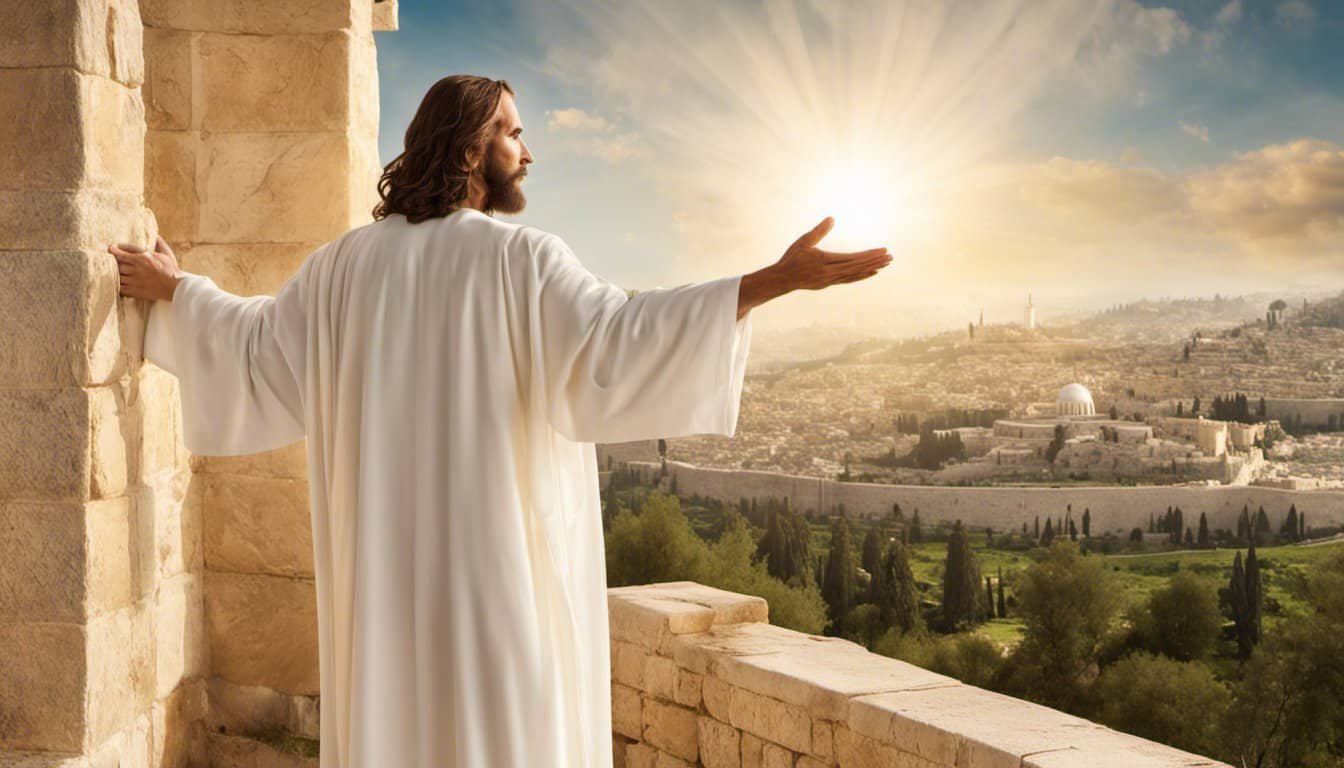
Zechariah’s visions emphasize themes of hope, restoration, and faith amid challenges. They reassure readers of God’s promises, encourage spiritual growth, and highlight justice, mercy, and the coming Messiah. These visions inspire trust in God’s plan during difficult times.
How are Zechariah’s prophecies relevant today?
Zechariah’s prophecies encourage readers to maintain faith, seek justice, and practice resilience, even during personal struggles. His messages remind us of God’s unwavering presence, offering lessons that apply to both spiritual growth and everyday challenges.
What practical strategies does the article suggest for applying scripture?
The article suggests consistent study of God’s Word, starting with gratitude in prayer, incorporating scripture, and serving others. Using accessible tools and translations can deepen understanding while reflecting on faith through intentional practices fosters spiritual growth.
How can Zechariah’s visions help during uncertain times?
Zechariah’s visions provide hope by illustrating restoration and God’s promises. They encourage trusting in divine timing, reaffirm the importance of perseverance, and remind readers that hardship can lead to renewal through faith.
What are some key symbols in Zechariah’s visions?
Key symbols include the horsemen (divine messengers), the measuring line (God’s plan), the golden lampstand (provision), and the high priest Joshua (forgiveness). Each symbolizes themes of restoration, spiritual renewal, and reliance on the Holy Spirit.
Who is the intended audience of Zechariah’s visions?

The original audience was the Jewish community rebuilding their lives after returning from Babylonian exile. However, the themes of hope, restoration, and faith make these messages timeless and applicable to modern readers facing personal or spiritual challenges.
How can the concept of being a “prisoner of hope” inspire faith?
Being a “prisoner of hope” emphasizes trusting in God’s promises despite hardships. It encourages holding onto faith and believing in restoration, reminding readers that hope is central to overcoming life’s obstacles.
What lessons can modern readers draw from Zechariah about faith?
Zechariah teaches that faith requires patience, resilience, and trust in God’s promises. His visions remind readers to rely on God’s guidance, embrace spiritual renewal, and stay faithful even when faced with challenges.
How does the article recommend building a strong prayer life?
The article suggests starting prayers with gratitude, incorporating scripture into prayer, and reflecting on God’s promises. Consistency and intention are key to cultivating a deeper, more meaningful relationship with God through prayer.
Why is service to others emphasized in the article?
Service reflects God’s justice and mercy, fostering faith in action. It allows individuals to make a positive impact, grow spiritually, and strengthen their faith by aligning with biblical teachings and uplifting their communities.
