
In the opening chapters of Amos, a compelling message of justice and accountability takes center stage. Amos, a humble shepherd, delivers stern warnings to nations overlooking their actions. He highlights how oppression and mistreatment have far-reaching consequences, not just for the oppressed but for the oppressors as well.
As the prophet navigates through the injustices of his time, he emphasizes the importance of integrity and compassion. This exploration of Amos 1-2 invites readers to reflect on the timeless principles of fairness and the impact of societal actions. Through vivid imagery and unwavering conviction, the text challenges individuals and communities to strive for a more just and equitable world.
Historical Context
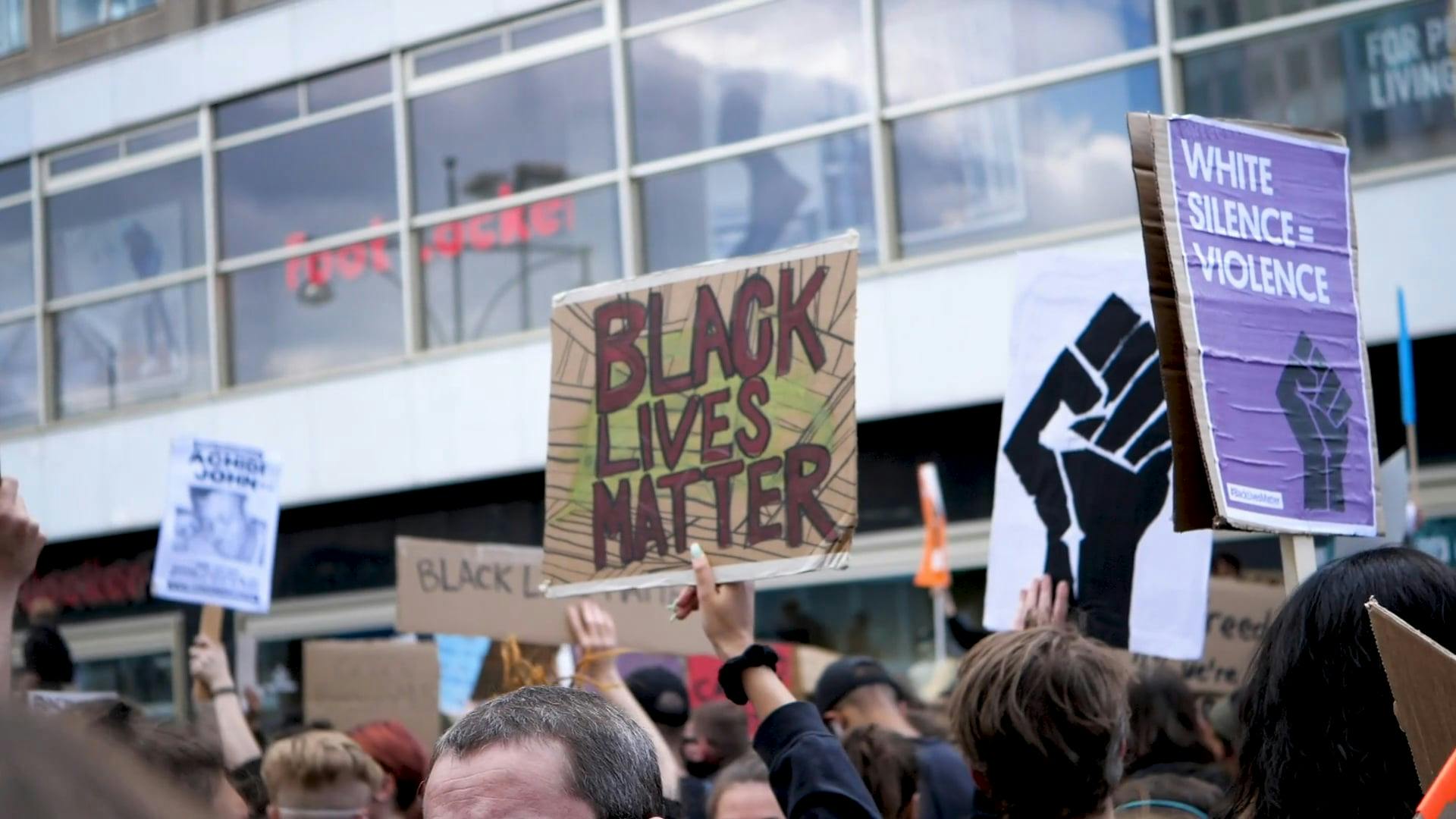
Understanding the historical backdrop of Amos 1-2 is crucial for grasping its messages on oppression and judgment.
Background of Amos
Amos, a shepherd from Tekoa, emerged as a prophet during the reign of King Jeroboam II of Israel (c. 786-746 BCE). Unlike other prophets who hailed from prophetic families, Amos was a layperson with no formal prophetic training. His unique perspective as a rural inhabitant provided him with firsthand insights into the socio-economic disparities of his time. Amos received his prophetic call to deliver God’s message of impending judgment due to widespread injustice and moral decay.
Socio-Political Situation

During Amos’s ministry, the Northern Kingdom of Israel experienced relative economic prosperity. However, this wealth was unevenly distributed, leading to significant social stratification. The elite exploited the poor through corrupt practices, including bribery and oppression. Religious ceremonies and temple sacrifices flourished, but genuine piety and ethical behavior waned. This period also saw increased external threats from neighboring nations, heightening internal tensions. Amos addressed these issues, condemning both the societal injustices and the people’s complacency in the face of moral decline.
Key Themes in Amos 1-2
Amos 1-2 present profound insights into societal and moral decay, emphasizing the consequences of injustice and oppression.
Judgment on Oppression
Amos pronounces judgment on eight nations, including Israel, for their oppressive actions. Each indictment targets specific offenses, such as Aram’s brutality, Gaza’s plunder, and Judah’s violence. These judgments underscore the inevitability of divine retribution against systemic oppression and cruelty.
Social Injustice
Social injustice permeates Amos 1-2, highlighting the exploitation of the vulnerable. The text condemns practices like bribery, the denial of justice, and the manipulation of the poor. For example, Israel faces censure for selling the righteous for silver and the needy for a pair of sandals. These actions reflect a deep moral corruption and the urgent need for societal reform.
Analysis of Specific Passages
This section delves into the specific judgments pronounced in Amos chapters 1 and 2, highlighting the oppressive actions of various nations and the implications of their behaviors.
Amos 1: Judgment on Neighboring Nations
Amos 1 outlines divine judgments against five neighboring nations for their transgressions:


- Damascus (Aram)
Aram’s brutality in plundering and enslavement draws condemnation.
“For three transgressions of Damascus, even for four, I will not revoke the punishment…” (Amos 1:3)
- Girgasites and Thamud (Dedan)
These nations face punishment for their violent conquests and injustices.
“I will send fire on the houses of Hatarash, burning both fortresses and settlements…” (Amos 1:4)
- Tyre
Tyre’s exploitation and pillaging activities are denounced.
“I will send a complete destruction against Tyre…” (Amos 1:6)
- Edom
Edom is condemned for its pride and violence against Israel.
“I will send fire on Teman and consume the strongholds of Bozrah…” (Amos 1:9)
- Ammon

Ammon’s deceit and greed in conquering territories are punished.
“I will send fire on the walls of Rabbah and consume the fortresses of the king of Moab.” (Amos 1:11)


These judgments emphasize the inevitability of divine retribution against nations engaging in systemic oppression and violence.
Amos 2: Judgment on Israel and Judah
Amos 2 shifts focus to Judah and Israel, highlighting their specific injustices:
- Judah
Judah faces judgment for trampling on the poor and crushing the needy.
“For he has built a high place for Bethel and for the sanctuary, which you love, and I will send fire on the houses of the wicked.” (Amos 2:6)
- Israel
Israel is condemned for selling the righteous for silver and the needy for a pair of sandals.
“They sell the innocent for silver, and the needy for a pair of sandals.” (Amos 2:6)
- Social Injustice
Both nations are criticized for denying justice and oppressing the vulnerable.
“They do not defend the cause of the fatherless…” (Amos 2:10)
- Religious Hypocrisy
Despite religious rituals, genuine piety is absent.
“They hate him who reproves in the gate and abhor the one who speaks the truth.” (Amos 2:7)
These judgments against Israel and Judah highlight the severe moral and social decay, reinforcing the urgent need for ethical reform and accountability.
Contemporary Relevance
Amos 1-2 highlights issues of social injustice and oppression that persist today. Modern societies continue to face challenges related to economic inequality, systemic racism, and political corruption. For example, income disparity remains a significant concern, with the top 1% holding a disproportionate amount of wealth compared to the lower 50% of the population[^1].
Economic Inequality
- Wealth Distribution: The concentration of wealth among a small elite mirrors the exploitation condemned in Amos. Policies that favor the wealthy can exacerbate poverty and limit opportunities for the disadvantaged.
- Access to Resources: Unequal access to education, healthcare, and employment opportunities continues to create barriers for marginalized communities, reflecting the societal disparities addressed by Amos.
Systemic Racism
- Discriminatory Practices: Systemic racism in institutions such as the criminal justice system, education, and housing perpetuates inequality. These practices undermine social cohesion and contribute to ongoing oppression.
- Representation: Lack of diverse representation in leadership roles hinders progress toward equity and justice, making it difficult to address the root causes of oppression effectively.
Political Corruption
- Governance Issues: Corruption within political systems undermines trust and accountability. When leaders engage in corrupt practices, it diminishes the effectiveness of governance and exacerbates societal injustices.
- Policy Impact: Corrupt policies often favor specific groups at the expense of the broader population, leading to increased inequality and social unrest.
Environmental Justice
- Resource Exploitation: Similar to the plundering criticized in Amos, modern resource exploitation can lead to environmental degradation and harm vulnerable communities who rely on natural resources for their livelihoods.
- Climate Change: The disproportionate impact of climate change on low-income and marginalized communities highlights ongoing issues of justice and equity addressed in Amos 1-2.
| Issue | Modern Example | Amos 1-2 Parallel |
|---|---|---|
| Economic Inequality | Top 1% wealth concentration | Exploitation of the poor |
| Systemic Racism | Discriminatory practices in criminal justice | Oppression of marginalized groups |
| Political Corruption | Corrupt policies favoring elites | Injustice perpetrated by powerful nations |
| Environmental Justice | Climate change impacts on vulnerable communities | Resource plundering and environmental harm |
Addressing these contemporary issues requires a commitment to the principles of justice and accountability emphasized in Amos 1-2. By recognizing and combating modern forms of oppression, societies can work towards a more equitable and just future.
Conclusion

Amos’s powerful messages still speak to us today highlighting the need to address injustice and oppression. His call for integrity and compassion encourages everyone to take responsibility for creating a fairer society. By embracing these timeless principles we can work together to overcome modern challenges like inequality and corruption. Let’s honor Amos’s legacy by committing to actions that promote justice and kindness in our communities. Together we can build a world where everyone has the chance to thrive and live with dignity.
