The book of Ezekiel stands out in the Bible with its vivid imagery and profound messages. Often viewed as complex, it offers deep insights into faith, prophecy, and the human experience.
Diving into Ezekiel’s visions and teachings can transform how readers perceive divine communication and resilience. This exploration reveals timeless lessons that continue to resonate today, making the book of Ezekiel both intriguing and relevant.
Overview of the Book of Ezekiel

Ezekiel stands out among the prophetic books of the Bible with its vivid imagery and profound messages. Born into exile, Ezekiel’s experiences shape his unique perspective on faith and divine purpose. Understanding this book offers valuable insights into resilience and spiritual depth, making its teachings relevant today.
Historical Context
Ezekiel prophesied during a tumultuous period in Israel’s history. In 593 BCE, the Babylonian Empire captured Jerusalem, leading to the exile of many Israelites. This context is crucial, as it frames Ezekiel’s messages of judgment and hope. The exile challenged the Israelites’ faith, and Ezekiel’s visions provided a roadmap for spiritual renewal amidst despair.
Major Themes
Judgment and Restoration

Ezekiel balances themes of judgment against wrongdoing with promises of restoration. He underscores that divine punishment is not endless but serves as a catalyst for repentance and rebuilding. This duality emphasizes the possibility of renewal even after severe trials.
Divine Sovereignty
A recurring theme is the absolute sovereignty of God. Ezekiel portrays God as transcendent and all-powerful, orchestrating events to fulfill divine plans. This assurance reinforces the Israelites’ trust in God’s ultimate authority and purpose.
Individual Responsibility
Ezekiel introduces the concept of individual accountability. Unlike earlier collective judgments, he emphasizes personal responsibility for sin. This shift encourages self-reflection and moral integrity among the exiled Israelites.
Key Visions and Prophecies
The Vision of the Chariot (Ezekiel 1)
One of Ezekiel’s most famous visions, the chariot, symbolizes God’s omnipresence and mobility. The intricate description serves to awe and remind the Israelites of the divine presence guiding them, even in exile.
The Valley of Dry Bones (Ezekiel 37)
This vision illustrates resurrection and renewal. The dry bones symbolize the lifeless state of Israel, while their restoration signifies hope and the restoration of the nation. It’s a powerful metaphor for revival and faith amidst apparent hopelessness.
Practical Applications
Spiritual Renewal
Ezekiel’s emphasis on personal responsibility and renewal encourages individuals to reassess their lives and faith. By embracing his teachings, believers can find pathways to strengthen their spiritual journey.


Resilience in Adversity
The book offers lessons in resilience. Ezekiel’s message of hope amidst exile inspires readers to maintain faith and purpose despite facing challenges and uncertainties.
Inspirational Insights
Ezekiel’s writings remind us that even in our darkest moments, there is potential for growth and transformation. His unwavering belief in restoration serves as a beacon of hope, encouraging us to persevere and seek deeper spiritual connections.
Conclusion
While Ezekiel was penned in a specific historical context, its themes of judgment, restoration, and divine sovereignty resonate universally. By delving into Ezekiel’s messages, readers gain valuable perspectives on faith, resilience, and the enduring power of hope.
Historical Context
Ezekiel’s prophecies occur during a pivotal period in Israel’s history, marked by upheaval and transformation. Understanding this context is crucial for interpreting his messages of judgment and restoration.
The Babylonian Exile

In 597 BCE, Babylonian forces captured Jerusalem, leading to the exile of many Israelites. This period, lasting until 538 BCE, was characterized by political instability and cultural displacement. The exile disrupted traditional religious practices and societal structures, fostering a sense of despair among the Jewish people. Historical records, including the Babylonian Chronicles, confirm the extent and impact of the exile, highlighting its significance in shaping Ezekiel’s prophetic vision.


Ezekiel’s Prophetic Ministry
Ezekiel began his ministry in Babylon around 593 BCE, serving as both a prophet and a priest. His unique role positioned him to address the spiritual and social challenges faced by the exiled community. Ezekiel’s messages emphasized God’s sovereignty, the inevitability of divine judgment, and the hope for future restoration. Key elements of his ministry include:
- Visions and Symbolic Actions: Ezekiel employed vivid imagery, such as the Vision of the Chariot, to convey complex theological concepts.
- Prophetic Oracles: He delivered specific judgments against Israel’s leaders and neighboring nations, reinforcing the consequences of disobedience.
- Calls for Repentance: Ezekiel urged individuals to return to faithful worship and ethical living, promoting communal and personal renewal.
By addressing both immediate concerns and long-term spiritual goals, Ezekiel’s ministry provided a framework for the Israelites to navigate their exile and maintain their identity.
Literary Structure
Ezekiel exhibits a complex literary framework that enhances its prophetic messages. The book’s structure facilitates a deeper understanding of its themes and symbols.
Major Themes
- Judgment and Restoration
Balances announcements of divine punishment with promises of future renewal, guiding the exiled community towards hope.
- Sovereignty of God
Emphasizes God’s ultimate authority over nations and individuals, reinforcing trust in His governance.
- Individual Responsibility
Highlights personal accountability for sin, encouraging self-reflection and ethical behavior among the Israelites.
- Visionary Experiences
Incorporates detailed visions to convey spiritual truths and prophetic insights, making abstract concepts tangible.
Symbolism and Imagery
- The Vision of the Chariot
Represents God’s omnipresence and majesty, illustrating His ability to oversee and guide creation.
- The Valley of Dry Bones
Symbolizes national restoration and revival, depicting the transformation from despair to renewed life.
- Temple Visions

Illustrate ideal worship and divine dwelling, setting standards for spiritual practices and community life.
- Graphic Descriptions of Judgment
Use vivid imagery to convey the severity of divine retribution, ensuring the message resonates with the audience.
Key Prophecies and Messages
Ezekiel delivers several significant prophecies that shape the book’s core messages. These prophecies address judgment, restoration, and God’s sovereignty.
Vision of the Chariot
Ezekiel’s Vision of the Chariot illustrates God’s presence and power. This vision includes:
- Four Living Creatures: Each has four faces and wings, representing different aspects of creation.
- The Wheels: Complex and interwoven, symbolizing the omnipresence of God.
- Divine Glory: Manifested as a radiant light, emphasizing God’s majesty.
This vision underscores God’s control over all creation and His active involvement in the world.
The Valley of Dry Bones

The Valley of Dry Bones symbolizes Israel’s restoration. Key elements include:
- Dry Bones: Represent the scattered and desolate state of Israel.
- Breath of Life: God’s spirit revives the bones, signifying renewal.
- Reassembled Army: The bones come together as a large, restored nation.
This prophecy offers hope, showing that God can revive and unify His people despite current desolation.
Temple Visions
Ezekiel presents detailed visions of the future temple, highlighting:
- Restored Worship: Emphasis on proper worship practices and rituals.
- Holy Presence: God’s glory returns to the temple, signifying renewed relationship.
- Divine Ordinances: Specific instructions for maintaining holiness and order.
These visions aim to reestablish proper worship and reinforce God’s covenant with Israel.
Judgment Against Nations
Ezekiel pronounces judgments on surrounding nations, including:
- Ammon, Moab, Edom: Each receives specific prophecies condemning their actions.
- Symbolic Acts: Ezekiel performs actions that visually represent the judgments.
- Consequences: Clear outcomes for each nation’s disobedience and idolatry.

These prophecies demonstrate God’s authority over all nations and the inevitability of divine justice.
Restoration and Renewal
Ezekiel emphasizes themes of restoration, focusing on:
- New Covenant: A promise of a renewed relationship between God and Israel.
- Spiritual Renewal: Encouraging personal repentance and ethical living.
- Future Prosperity: Assurance of blessings and peace for the restored community.
This message motivates the exiled people to remain faithful and anticipate God’s promised renewal.
Individual Responsibility
Ezekiel highlights personal accountability with key points:
- Moral Accountability: Each person responsible for their actions and sin.
- Free Will: Emphasis on choice in following or rejecting God’s commands.
- Call to Repentance: Encouraging individuals to turn back to God for forgiveness.
This focus fosters a sense of personal duty and encourages ethical behavior among the community.
Sovereignty of God

Throughout his prophecies, Ezekiel reinforces:
- Absolute Authority: God’s ultimate control over all events and nations.
- Divine Wisdom: God’s plans are beyond human understanding but are purposeful.
- Faithfulness: Assurance that God’s promises will be fulfilled despite current hardships.
This theme builds trust in God’s governance and reassures the faithful of His unwavering support.
Summary Table of Key Prophecies
| Prophecy | Key Elements | Message |
|---|---|---|
| Vision of the Chariot | Four living creatures, wheels, divine glory | God’s omnipresence and power |
| Valley of Dry Bones | Dry bones, breath of life, reassembled army | Restoration and renewal of Israel |
| Temple Visions | Restored worship, holy presence, ordinances | Reestablishment of proper worship |
| Judgment Against Nations | Specific prophecies for Ammon, Moab, Edom | God’s authority and justice |
| Restoration and Renewal | New covenant, spiritual renewal, prosperity | Hope and future blessings |
| Individual Responsibility | Moral accountability, free will, repentance | Personal duty and ethical behavior |
| Sovereignty of God | Absolute authority, divine wisdom, faithfulness | Trust in God’s governance |
This table summarizes Ezekiel’s key prophecies, highlighting their main elements and underlying messages.
Theological Significance
In today’s fast-paced world, being a positive influence can seem challenging. For young individuals navigating faith and daily life, understanding how to embody their beliefs becomes essential. Adam Phillips, a seasoned youth pastor with over two decades of experience, offers practical advice to help youth become effective witnesses in their communities.
Embracing Everyday Opportunities
Every interaction presents a chance to reflect one’s faith. Whether it’s a conversation with a friend or a simple act of kindness, these moments matter.
- Start Small: Begin by being kind in daily interactions. Simple gestures like smiling or offering help can make a significant impact.
- Be Authentic: Share your genuine experiences. Honesty builds trust and opens doors for deeper conversations about faith.
- Listen Actively: Understanding others’ perspectives allows for more meaningful connections. It shows respect and creates opportunities to share your beliefs thoughtfully.
Navigating Challenges with Grace
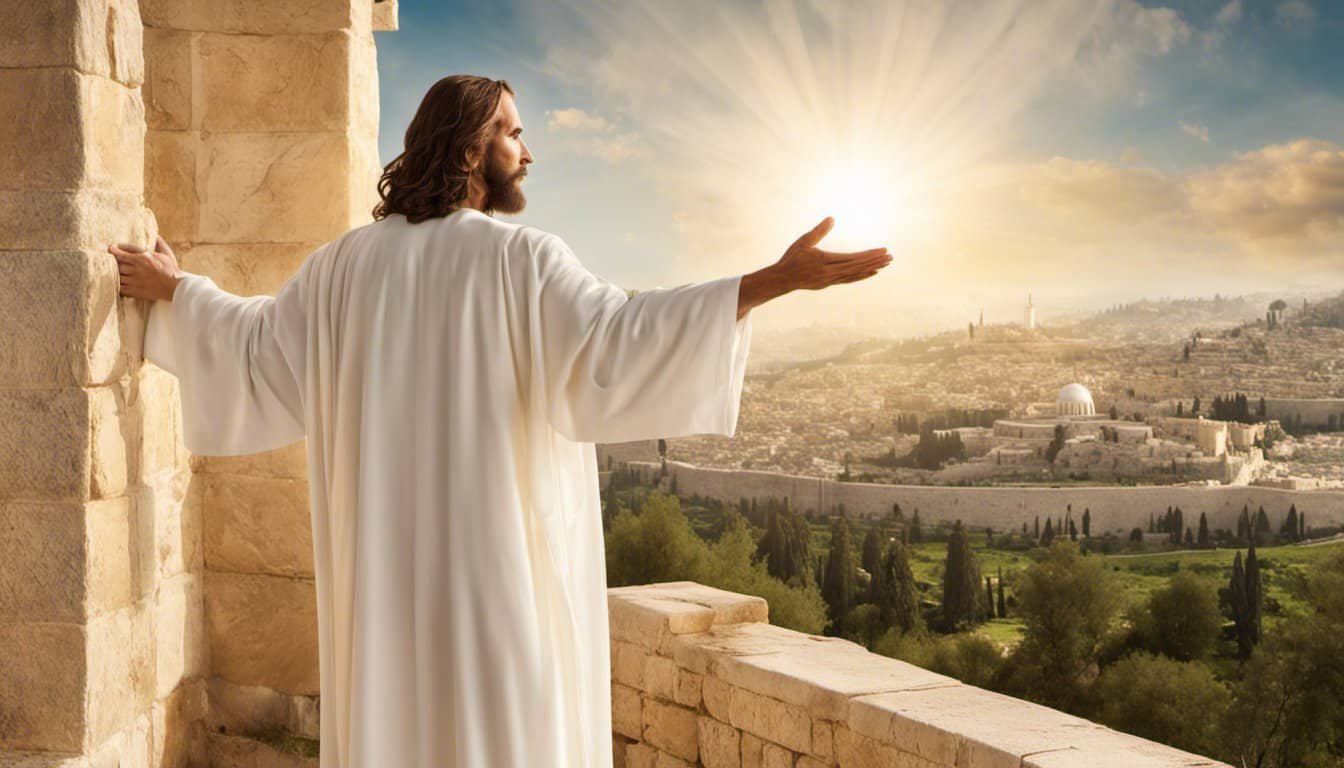
Life isn’t without obstacles, and how one handles challenges can be a powerful testimony to their faith.
- Stay Grounded in Scripture: Regularly reading the Bible provides strength and guidance. Scriptures like Philippians 4:13 remind us that we can overcome through faith.
- Seek Support: Surround yourself with a community that encourages and uplifts you. Engaging with fellow believers offers both comfort and accountability.
- Practice Patience: Not every situation resolves quickly. Demonstrating patience during tough times showcases resilience and trust in a higher plan.
Building Meaningful Relationships
Connecting with others on a deeper level creates a foundation for sharing faith naturally.
- Show Genuine Interest: Ask questions and show curiosity about others’ lives. This creates a safe space for open dialogue.
- Respect Differences: Embrace diversity in opinions and backgrounds. Respecting others’ views fosters mutual understanding and respect.
- Offer Encouragement: Positive reinforcement can inspire others to reflect on their own beliefs and values.
Practical Steps to Strengthen Faith
Taking intentional actions can deepen one’s spiritual journey and enhance their ability to witness effectively.
- Daily Devotionals: Set aside time each day for prayer and reflection. This habit strengthens your relationship with God.
- Join a Bible Study Group: Engaging in group studies provides insights and different perspectives on Scripture.
- Volunteer Regularly: Serving others not only benefits the community but also reinforces the principles of compassion and service.
Incorporating Faith into Daily Life
Integrating faith into everyday activities makes it a natural part of who you are.
- Workplace Integrity: Maintain honesty and ethical behavior in all professional dealings. This builds a reputation that reflects your values.
- Social Media Presence: Use online platforms to share positive messages and inspirational content. Your digital footprint can influence others positively.
- Personal Hobbies: Let your interests reflect your faith. Whether it’s music, sports, or art, incorporate elements that showcase your beliefs.
Inspiring Stories from the Community
Hearing real-life examples can motivate and guide others on their faith journey.
- Maria’s Journey: Maria found strength in her faith during a challenging career transition. Through prayer and community support, she navigated uncertainty with grace.
- James’ Outreach: James started a local charity project, embodying the principle of service. His efforts not only helped those in need but also inspired others to get involved.
- Lily’s Advocacy: Lily advocates for mental health awareness, integrating her faith by promoting compassion and understanding within her community.
Scripture to Guide Your Path

Turning to the Bible provides wisdom and direction in various aspects of life.
- Matthew 5:16: “Let your light shine before others, that they may see your good deeds and glorify your Father in heaven.”
- Romans 12:2: “Do not conform to the pattern of this world, but be transformed by the renewing of your mind.”
- Galatians 5:22-23: “But the fruit of the Spirit is love, joy, peace, forbearance, kindness, goodness, faithfulness, gentleness and self-control.”
Staying Inspired on Your Journey
Maintaining enthusiasm and motivation is crucial for long-term faith and effective witnessing.
- Set Personal Goals: Define what you want to achieve in your spiritual journey. Clear goals provide direction and purpose.
- Celebrate Milestones: Acknowledge and celebrate your progress. Recognizing achievements boosts confidence and motivation.
- Stay Curious: Continuously seek knowledge and understanding. Engaging with new teachings and perspectives keeps your faith dynamic and evolving.
By integrating these practical steps and insights, young individuals can effectively witness their faith, making a meaningful impact in their lives and the lives of others.
Conclusion
Ezekiel offers a profound journey through faith and resilience. Its vivid visions and powerful messages inspire readers to reflect on their own spiritual paths. By exploring themes of judgment and hope, the book remains relevant today.
Engaging with Ezekiel’s teachings can deepen one’s understanding of divine communication and foster a stronger connection to faith. Embracing these timeless lessons, individuals can navigate life’s challenges with renewed perspective and unwavering hope.