
As ancient prophecies intertwine with modern faith, Zechariah 9:9 stands out as a pivotal verse predicting the arrival of a humble yet triumphant king. This scripture paints a vivid picture of peace and salvation, setting the stage for a momentous event in Christian tradition.
When Jesus made His entry into Jerusalem, fulfilling Zechariah’s words, it marked a turning point in biblical history. Riding a donkey, He embodied the prophecy of a king who comes in peace, inviting all to witness the beginning of His divine mission.

Exploring this connection offers a deeper insight into the significance of Jesus’ journey and the enduring relevance of ancient texts in understanding His role as the coming king.
Historical Context of Zechariah 9:9
Zechariah 9:9 emerges during a period of political tension and messianic expectation in Judea. King Jehoiakim ruled Judah from 609 to 598 BCE, navigating pressures from expanding empires like Babylon and Egypt. The prophet Zechariah ministered in the post-exilic period, around 520 BCE, a time marked by rebuilding efforts after the Babylonian exile.

The region faced significant social and economic challenges. Jerusalem was being reconstructed, including the Temple, which had been destroyed in 586 BCE. The community sought divine guidance and reassurance amid external threats and internal struggles. Zechariah’s prophecy provided hope by predicting the arrival of a humble king riding on a donkey, symbolizing peace and accessibility, contrasting the prevailing image of conquering monarchs.
Historical records indicate that the Assyrian Empire had previously dominated the area, instilling fear of oppressive rulers. Zechariah’s vision offered a different expectation—a leader who would bring liberation without aggression. This prophecy resonated with the Jewish people’s longing for deliverance and the restoration of their homeland.
Additionally, the geopolitical landscape influenced Zechariah’s message. The Persian Empire, under Cyrus the Great, allowed the Jews to return and rebuild Jerusalem. This shift from Assyrian to Persian control provided a backdrop for Zechariah’s hopeful prediction. The emphasis on a king arriving peacefully underscored a desire for stability and divine intervention rather than continued foreign domination.
Understanding this context highlights the significance of Zechariah 9:9. It underscores the fulfillment of the prophecy during Jesus’ entry into Jerusalem, aligning with the people’s yearning for a savior who embodies peace and humility.
The Messianic Prophecy Unveiled
Zechariah 9:9 stands as a pivotal prophecy anticipating the arrival of a humble and righteous king. This section explores the key themes of the prophecy and its significance in the context of Jesus’ entry into Jerusalem.
Key Themes in Zechariah 9:9
Zechariah 9:9 highlights several profound themes essential to understanding the messianic expectation:


- Humility and Peace
The prophecy describes the king as “humble” and emphasizes peace. Unlike the conquering monarchs of the time, this leader approaches without aggression, signaling a different kind of reign focused on tranquility and justice.
- Majestic Entry
The imagery of riding on a donkey symbolizes a peaceful and unassuming entrance. This contrasts with the typical displays of power, underscoring the king’s intent to serve rather than dominate.
- Divine Fulfillment
The prophecy’s fulfillment in Jesus’ entry into Jerusalem signifies divine orchestration. It aligns the Old Testament expectations with the New Testament events, reinforcing the belief in Jesus as the promised Messiah.
- Social Liberation
Beyond political freedom, the coming king aims to liberate the oppressed and restore societal harmony. This theme resonates with the hope of a just and equitable society under divine leadership.
The Significance of the Coming King
The arrival of the coming king as foretold in Zechariah 9:9 holds deep significance in both historical and theological contexts:




- Historical Context
During Zechariah’s time, Judea faced political instability and oppression. The prophecy offered hope for a leader who would bring stability and peace without the usual trappings of power, addressing the immediate needs of the Jewish community.
- Jesus’ Fulfillment
Jesus’ entry into Jerusalem on a donkey directly fulfills this prophecy. This act was a deliberate acknowledgment of His messianic role, signaling a shift from earthly kingdoms to a spiritual reign centered on love and sacrifice.
- Symbol of Peace
The king’s humble entry serves as a powerful symbol of peace. It contrasts sharply with the expectations of a militant messiah, emphasizing that true leadership is rooted in humility and service.
- Continuity of Scripture
The fulfillment of Zechariah’s prophecy in the New Testament underscores the continuity and reliability of biblical scripture. It bridges the Old and New Testaments, reinforcing the cohesive narrative of God’s plan for salvation.
Understanding these themes and their fulfillment deepens the appreciation of Jesus’ mission and the enduring relevance of biblical prophecies in contemporary faith.
Symbolism of Jesus’ Entry
Jesus’ entry into Jerusalem fulfills Zechariah 9:9, embodying profound symbolism that underscores His role as the prophesied king.
Riding on a Donkey
Jesus choosing a donkey signifies humility and peace. Unlike a horse, which represented war and conquest, a donkey symbolizes a gentle approach to leadership. This act contrasts traditional expectations of a militant messiah, presenting Jesus as a king who brings peace rather than engages in battle.
Representing Peace and Humility
The manner of Jesus’ entry highlights His mission of peace and humility. By not riding a grand horse, He emphasizes a non-threatening presence. This gesture aligns with His teachings on love and service, reinforcing the message that true leadership is rooted in humility and a commitment to peace.
Fulfillment of the Prophecy by Jesus
Jesus’ entry into Jerusalem marked the fulfillment of Zechariah 9:9, highlighting His role as the prophesied humble king. This event not only confirmed ancient predictions but also set the stage for His ministry focused on peace and redemption.
The Triumphal Entry

Jesus rode into Jerusalem on a donkey, directly fulfilling Zechariah’s prophecy. This act symbolized humility and peace, contrasting with the expectations of a conquering king. Crowds greeted Him with palm branches and shouted praises, acknowledging Him as their rightful leader. This public affirmation reinforced the Messianic expectations rooted in Jewish tradition.
Impact on His Ministry
The triumphant entry significantly influenced Jesus’ ministry. It established Him as a spiritual leader committed to non-violence and reconciliation. Following this event, Jesus engaged in teaching, healing, and acts of service, emphasizing love and forgiveness. This approach attracted diverse followers and underscored His mission to transform society through compassion and understanding.
Fulfillment of the Prophecy by Jesus
Jesus’ entry into Jerusalem marked the fulfillment of Zechariah 9:9, highlighting His role as the prophesied humble king. This event not only confirmed ancient predictions but also set the stage for His ministry focused on peace and redemption.
The Triumphal Entry
Jesus rode into Jerusalem on a donkey, directly fulfilling Zechariah’s prophecy. This act symbolized humility and peace, contrasting with the expectations of a conquering king. Crowds greeted Him with palm branches and shouted praises, acknowledging Him as their rightful leader. This public affirmation reinforced the Messianic expectations rooted in Jewish tradition.
Impact on His Ministry
The triumphant entry significantly influenced Jesus’ ministry. It established Him as a spiritual leader committed to non-violence and reconciliation. Following this event, Jesus engaged in teaching, healing, and acts of service, emphasizing love and forgiveness. This approach attracted diverse followers and underscored His mission to transform society through compassion and understanding.

If you’re diving into the significance of Zechariah 9:9 and Jesus’ entry into Jerusalem, you’re in for an insightful journey. Let’s break down how this prophecy was fulfilled and what it means for your faith today.
Understanding Zechariah 9:9
Zechariah’s prophecy speaks of a humble king arriving on a donkey, symbolizing peace rather than war. This wasn’t just a random prediction—it was a beacon of hope during a turbulent time. Fast forward to Jesus’ entry, and the parallels are unmistakable. He didn’t come as a warrior with swords; instead, His choice of a donkey highlighted His mission of peace and humility.
Practical Lessons from Jesus’ Entry
- Humility Over Power
- Jesus chose a modest means to enter Jerusalem, teaching us the value of humility in leadership.
- Reflect on how you can practice humility in your daily interactions.
- Peace as a Priority
- Instead of bringing conflict, Jesus emphasized reconciliation and love.
- Consider ways to promote peace in your community and personal relationships.
- Fulfillment of Promises
- This event shows that God’s promises are trustworthy and come to pass.
- Trust in the fulfillment of your own promises and commitments.
Step-by-Step: Applying These Lessons
- Identify Areas for Humility
- Take a moment to assess where pride might be hindering your relationships.
- Set specific goals to act with greater humility in those areas.
- Promote Peace Actively
- Start small by resolving minor conflicts with patience and understanding.
- Move on to larger issues by fostering open communication and forgiveness.
- Trust in God’s Plan
- When facing uncertainties, remind yourself of the fulfilled prophecies as evidence of God’s reliability.
- Use scripture to reinforce your faith during challenging times.
Scripture to Inspire
- “Rejoice greatly, Daughter Zion! Shout, Daughter Jerusalem! See, your king comes to you, righteous and victorious, lowly and riding on a donkey.” – Zechariah 9:9
- “Blessed are the peacemakers, for they will be called children of God.” – Matthew 5:9
Tips for Deepening Your Understanding
- Study the Context: Understanding the historical and cultural background of Zechariah’s prophecy enriches your appreciation of its fulfillment.
- Reflect Regularly: Spend time meditating on how Jesus’ example can influence your daily life.
- Engage with Community: Discuss these themes with fellow believers to gain diverse perspectives and strengthen your faith.
Inspiration to Move Forward
Jesus’ fulfillment of Zechariah 9:9 isn’t just a historical event; it’s a blueprint for living a life rooted in humility and peace. Embrace these principles, and watch how they transform your interactions and spiritual journey.
By exploring the fulfillment of Zechariah’s prophecy through Jesus’ entry into Jerusalem, you gain a deeper understanding of His mission and the enduring relevance of biblical prophecies today. Let these insights guide you toward a more peaceful and humble path in your faith walk.
Theological Implications
Zechariah 9:9 significantly influences Christian theology by highlighting Jesus as the prophesied Messiah. This fulfillment confirms the continuity between the Old and New Testaments, reinforcing the reliability of biblical prophecy. Scholars recognize that Jesus’ entry into Jerusalem on a donkey aligns precisely with Zechariah’s vision, demonstrating divine orchestration in His mission.
Fulfillment of Messianic Prophecy
Jesus’ actions directly satisfy Zechariah’s prophecy, validating His role as the Messiah. This alignment emphasizes that His kingship differs from traditional expectations. Instead of a warrior king, Jesus embodies a peaceful and humble leader, reshaping the understanding of divine authority.
Redefining Kingship and Leadership
The choice to ride a donkey symbolizes a shift from earthly power to spiritual sovereignty. This act redefines leadership within Christian theology, prioritizing humility and service over dominance. It establishes a model where true authority stems from selflessness and commitment to peace.
Impact on Christological Studies
The entry into Jerusalem serves as a pivotal event in Christology, the study of Christ’s nature and work. It underscores Jesus’ dual role as both divine and human, fulfilling prophetic expectations while initiating His sacrificial mission. This duality enriches the theological discourse on the incarnation and salvation.
Eschatological Significance
Zechariah 9:9 also holds eschatological implications, relating to the ultimate fulfillment of God’s kingdom. Jesus’ entry signals the inauguration of this kingdom, inviting believers to anticipate its complete realization. It encourages a forward-looking faith grounded in the promise of divine restoration and peace.
Ecclesiastical Applications
The theological insights from Zechariah 9:9 inform church teachings and practices. They inspire congregations to adopt values of humility and peace, reflecting Jesus’ example. This prophetic fulfillment calls for a community centered on non-violence, reconciliation, and servant leadership, shaping the church’s role in the world.
Soteriological Insights
From a soteriological perspective, the prophecy’s fulfillment highlights the means of salvation through humility and sacrifice. Jesus’ peaceful entry contrasts with the notion of conquering salvation, emphasizing redemption achieved through love and self-giving rather than force. This understanding deepens the theological framework of grace and mercy.
Doctrinal Integration
Integrating Zechariah 9:9 into Christian doctrine strengthens the foundation of messianic expectations. It solidifies the belief in Jesus as the anticipated savior, bridging Old Testament promises with New Testament fulfillment. This integration fosters a cohesive theological narrative that reinforces faith and doctrinal consistency.
Scriptural Coherence
The fulfillment of Zechariah 9:9 in Jesus’ entry ensures scriptural coherence, affirming the unity of the Bible. It supports the notion that both testaments collectively reveal God’s plan for humanity. This coherence enhances theological studies, providing a comprehensive understanding of divine intent and action.
By examining these theological implications, believers gain a deeper appreciation of Jesus’ role as the coming king. It affirms the significance of biblical prophecy in understanding His mission and the broader narrative of salvation.
Conclusion
Jesus’ entry into Jerusalem on a humble donkey transformed expectations of leadership. This act reflected the heart of Zechariah’s prophecy, showcasing a king driven by peace and humility. It invites believers to embrace these values in their own lives, fostering a community rooted in love and understanding.
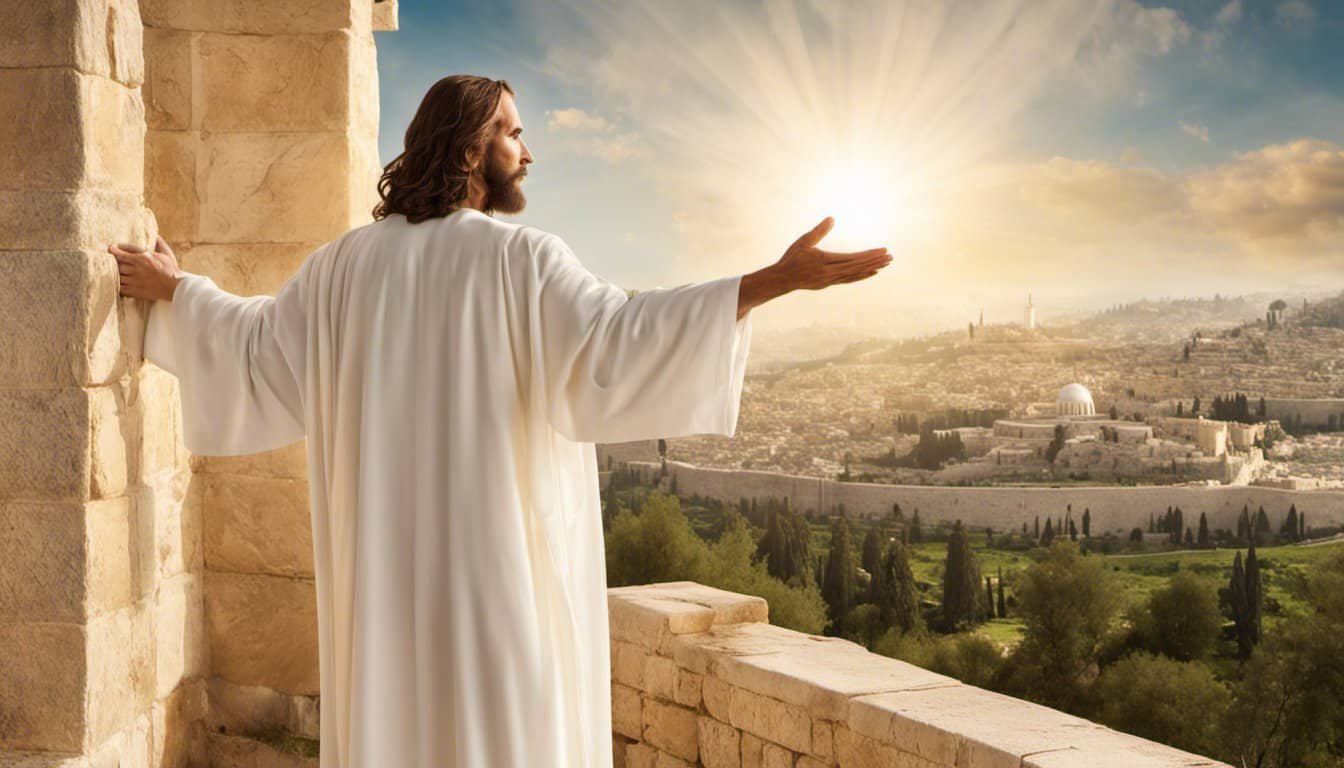
The fulfillment of Zechariah 9:9 underscores the timeless relevance of scripture, bridging ancient promises with modern faith. As followers reflect on this pivotal moment, they are inspired to pursue a path of compassion and service, mirroring the example set by the coming king.
