The Ark of the Covenant has always fascinated scholars and believers alike. This sacred artifact symbolized God’s presence among His people, serving as a tangible connection between the divine and the earthly. Its intricate design and the mysteries surrounding its creation capture the imagination and inspire awe.
Throughout history, the Ark played a central role in the spiritual lives of those who carried it. From guiding armies to sanctifying holy spaces, its influence was profound and far-reaching. Exploring the story of the Ark reveals not just a relic of the past but a powerful symbol of faith and divine guidance that continues to resonate today.
Historical Background
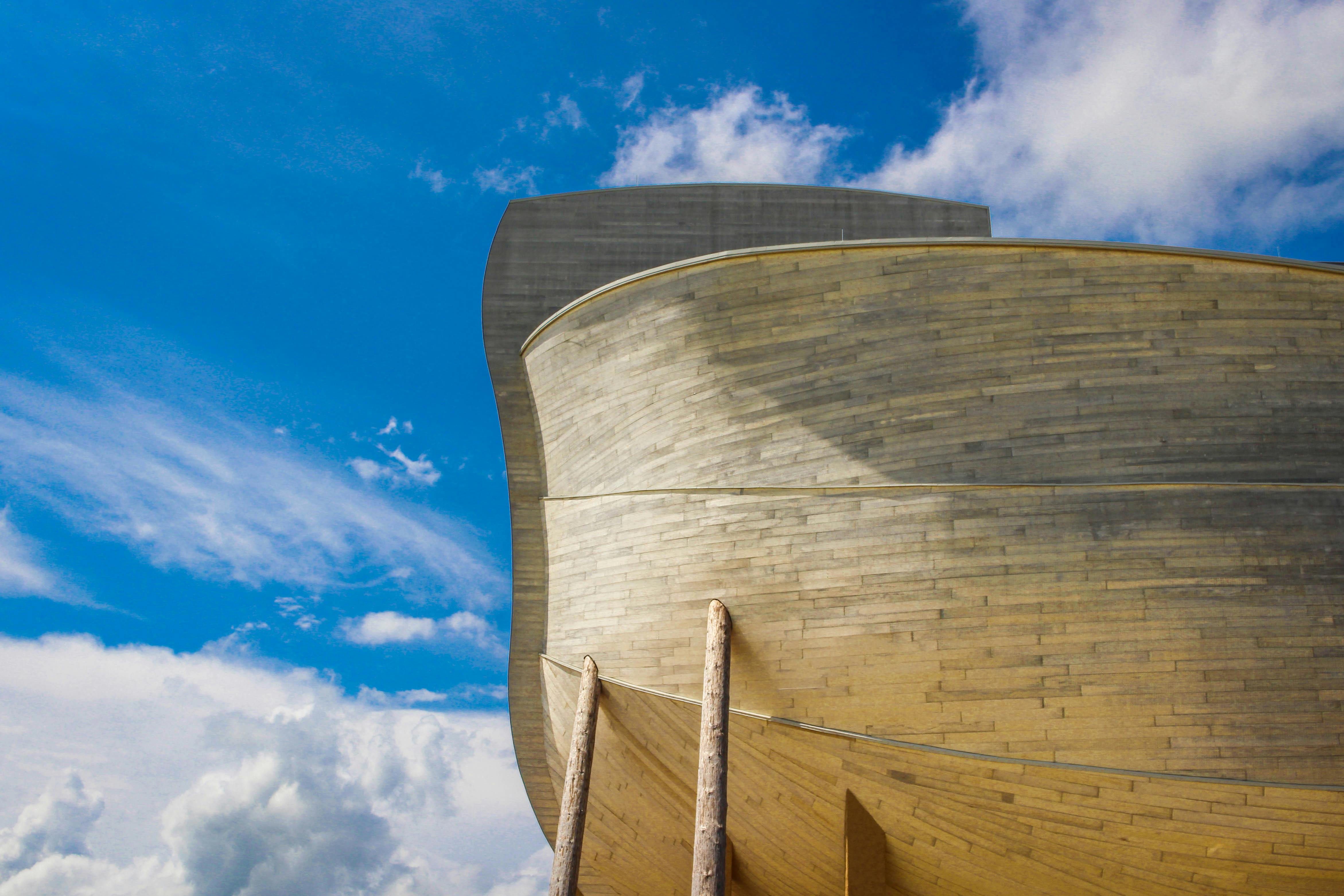
The Ark of the Covenant holds a pivotal place in biblical history, representing God’s tangible presence among the Israelites. Its origins and construction reflect deep spiritual significance and meticulous craftsmanship.
Origins in the Old Testament
The Ark of the Covenant first appears in the Book of Exodus, where God instructs Moses to build it (Exodus 25:10-22). It served as a sacred container for the stone tablets bearing the Ten Commandments, symbolizing the covenant between God and His people. The Ark accompanied the Israelites during their 40-year journey in the desert and played a crucial role in key events, such as the crossing of the Jordan River and the fall of Jericho (Joshua 3:14-17; Joshua 6:6-20). Its presence signified divine guidance and protection, reinforcing the Israelites’ faith and obedience to God’s laws.
Construction Details
The Ark was constructed using acacia wood, measuring approximately 2.5 cubits in length, 1.5 cubits in width, and 1.5 cubits in height (Exodus 25:10). It was overlaid with pure gold, both inside and out, to signify its holiness and value. A gold molding encircled the Ark, and four gold rings were attached to its corners, allowing it to be carried by poles without direct contact (Exodus 25:11-12). The cover, known as the mercy seat, featured two cherubim facing each other with wings outstretched (Exodus 25:17-20). These detailed specifications highlighted the Ark’s sacred purpose and the meticulous care required in its creation, emphasizing the reverence with which it was treated by the Israelites.
Symbolism of the Ark
The Ark of the Covenant embodies deep spiritual and cultural meanings. It stands as a powerful representation of God’s relationship with His people.
Representation of God’s Presence
The Ark symbolizes God’s dwelling among the Israelites. It served as a direct link to the divine, appearing during critical moments like battles and worship. When the Ark was present, the Israelites felt God’s guidance and protection. For example, during the Battle of Jericho, the Ark led the way, ensuring victory. Its design, featuring the mercy seat and cherubim, highlights the sanctity and holiness of God’s presence.
Cultural Significance
Culturally, the Ark unified the Israelite community. It was central to religious ceremonies, reinforcing collective faith and identity. The Ark’s transportation through the wilderness showcased the Israelites’ reliance on God’s provision. Additionally, its construction reflected meticulous craftsmanship, using acacia wood and gold, which emphasized its sacred status. The Ark also influenced later religious artifacts and practices, leaving a lasting legacy in Jewish tradition.
The Ark’s Journey
The Ark of the Covenant traveled with the Israelites, symbolizing God’s presence and guidance.
In the Wilderness
During the 40-year desert journey, the Ark led the Israelites. It moved ahead of the camp, signaling God’s direction. When the Ark paused, the people set up camp; when it advanced, they followed. This dynamic ensured constant reliance on divine guidance. For example, at Mount Sinai, the Ark was present when Moses received the Ten Commandments, reinforcing obedience to God’s laws.


In the Temple
Once settled in the Promised Land, the Ark found its place in the Temple of Jerusalem. Positioned in the Holy of Holies, it became the central focus of worship. The Temple’s design accommodated the Ark, emphasizing its sacred role. During religious ceremonies, priests approached the Ark to offer sacrifices, maintaining the covenant between God and the Israelites. Its presence in the Temple underscored unity and spiritual commitment among the people.
The Ark Today
The fate of the Ark of the Covenant remains one of history’s enduring mysteries. Scholars propose several theories regarding its current location, each supported by historical texts and archaeological findings.
Theories on the Ark’s Location
- Temple Destruction: The Ark likely perished during the Babylonian siege of Jerusalem in 586 BCE, coinciding with the destruction of Solomon’s Temple.
- Hidden Chambers: Some believe the Ark was concealed within hidden chambers beneath the Temple Mount, protecting it from invaders.
- Ethiopian Claim: The Ethiopian Orthodox Church asserts the Ark resides in the Church of Our Lady Mary of Zion in Axum, guarded by designated priests.
- Egyptian Possession: Ancient records suggest Egypt may have seized the Ark, relocating it to their temples, though evidence remains inconclusive.
- Lost at Sea: Another theory posits that the Ark was transported by ships and lost during voyages, leading to its disappearance.
Cultural Impact and Representation
The Ark influences modern culture through literature, film, and religious practices. It symbolizes divine presence and covenant, inspiring various adaptations and references.
| Representation | Description |
|---|---|
| Literature | Featured in novels like “Indiana Jones” series. |
| Film | Central element in movies portraying ancient mysteries. |
| Religious Symbol | Represents faith and God’s promise in contemporary worship. |
Archaeological Efforts
Ongoing archaeological projects aim to uncover evidence related to the Ark. Excavations around Jerusalem focus on identifying remnants of ancient structures that may house clues about the Ark’s existence and location.
The Ark in Contemporary Theology
The Ark continues to hold theological significance, symbolizing God’s enduring presence and the importance of faithfulness. It serves as a focal point for discussions on divine-human relationships and covenantal promises.




Modern-Day Faith Practices
Many religious communities incorporate the Ark’s symbolism into worship and rituals. It represents unity, guidance, and the sacred bond between believers and the divine.
Conclusion
The Ark of the Covenant remains a powerful symbol of faith and divine presence. Its rich history and enduring mystery continue to inspire believers and scholars alike. By representing God’s guidance and unity among the people, the Ark highlights the deep connection between the divine and the human experience. Its legacy persists in modern culture and religious practices, reminding us of the profound impact it has had throughout history. As ongoing discoveries unfold, the Ark’s story invites us to explore and appreciate the timeless bonds of faith and the enduring quest to understand the sacred.