The Book of Psalms has long been a cornerstone of worship, offering heartfelt prayers and praises that resonate deeply with believers. In today’s modern services, integrating these timeless verses can add a profound layer of meaning and connection for congregations.
Balancing contemporary music and technology with ancient texts might seem challenging, but it creates a harmonious blend of tradition and innovation. Incorporating Psalms into sermons, music selections, and communal prayers allows churches to enrich their worship experience and foster a deeper sense of community and faith.

By embracing the Psalms, modern services can tap into a wellspring of spiritual depth and inspiration, making worship more engaging and relevant for today’s audience.
Understanding Psalms in Worship
Psalms hold a unique place in worship, bridging ancient traditions with today’s spiritual practices. Their timeless messages resonate deeply, offering a foundation for meaningful congregational experiences.
Historical Significance of Psalms

The Book of Psalms, a cornerstone of biblical literature, dates back over two millennia. Comprising 150 individual psalms, these sacred songs and prayers have been integral to Jewish and Christian worship. Historically, psalms served as a medium for expressing devotion, gratitude, and supplication. They were recited in temples and synagogues, fostering a communal sense of faith and identity. For instance, Psalm 23 has been a source of comfort for countless individuals, providing solace in times of distress.
Psalms in Contemporary Worship
In modern worship settings, psalms continue to play a vital role. Churches today integrate psalms into services through various means, enhancing the spiritual experience for congregants. Incorporating psalms into worship music is a common practice, blending traditional texts with contemporary melodies. This approach not only honors the original words but also makes them accessible to a diverse audience. Additionally, psalms are often featured in sermons and prayers, encouraging personal reflection and communal participation. For example, using Psalm 100 as a call to worship invites the congregation to engage actively, fostering a deeper connection to the service.
By embracing the rich heritage of psalms and adapting them to current worship styles, churches can create an environment that honors tradition while embracing innovation. This blend ensures that the profound messages of the Psalms remain relevant and impactful in today’s worship practices.
Selecting Psalms for Modern Services
Choosing the right Psalms enhances the worship experience, connecting ancient scripture with today’s congregation. Thoughtful selection ensures relevance and spiritual resonance during services.
Criteria for Choosing Psalms
- Thematic Relevance: Align Psalms with the service’s message or sermon topic.
- Congregational Familiarity: Select Psalms that the congregation can easily participate in or understand.
- Musical Adaptability: Ensure Psalms can be seamlessly integrated into the musical arrangements of the service.
- Length and Structure: Prefer Psalms that fit within the service’s time constraints while maintaining their poetic integrity.
- Emotional Resonance: Choose Psalms that evoke the desired emotional response, whether it’s praise, reflection, or supplication.
- Liturgical Fit: Match Psalms to specific parts of the service, such as opening, offertory, or closing.
Recommended Psalms for Today
| Psalm Number | Title | Key Themes |
|---|---|---|
| 23 | The Lord is My Shepherd | Trust, Guidance, Comfort |
| 100 | A Psalm of Thanksgiving | Joy, Gratitude, Praise |
| 46 | God is Our Refuge | Strength, Safety, Assurance |
| 121 | A Song of Ascents | Hope, Protection, Journey |
| 139 | God’s Omniscience | Intimacy, Self-examination |
| 150 | A Psalm of Praise | Exultation, Worship, Celebration |
Incorporating these Psalms into modern services can foster a deeper connection between the congregation and the timeless words of scripture, enriching the overall worship experience.
Incorporating Psalms Into Worship Elements
Integrating Psalms into worship enhances the spiritual atmosphere and engages the congregation effectively. Churches can utilize various elements to seamlessly incorporate these sacred texts.


Musical Integration
Psalms blend seamlessly with contemporary music, enriching worship services. Select Psalms that align with the chosen musical style for cohesion. For example, Psalm 150 complements upbeat worship songs, fostering an energetic atmosphere. Arrange musical settings to highlight key verses, ensuring lyrics are clear and singable. Collaborate with musicians to adapt melodies that resonate with the congregation, enhancing participation. Utilize instruments that reflect the Psalm’s theme, such as acoustic guitars for intimate passages or full bands for celebratory texts. Incorporate harmonies and rhythms that complement the Psalm’s structure, creating a unified musical experience.
Responsive Readings and Participation
Responsive readings involve the congregation actively, deepening their connection to the Psalms. Choose Psalms that are accessible and meaningful to the group, ensuring relevance to the service’s theme. Assign specific verses to different parts of the congregation, promoting inclusivity. For instance, during a service focused on gratitude, use Psalm 100 with the congregation responding to each verse. Provide clear instructions and practice the format beforehand to ensure smooth participation. Utilize call-and-response patterns to facilitate engagement, enabling the congregation to follow along easily. Incorporate visual aids, such as projected texts, to support those who are new to responsive readings. Encourage memorization of key Psalms, fostering a sense of ownership and personal connection among members.
Enhancing the Worship Experience
Incorporating Psalms into modern worship services transforms the atmosphere, making it more meaningful and engaging for the congregation. By thoughtfully integrating these ancient texts, churches can deepen spiritual connections and create a more vibrant worship environment.
Emotional and Spiritual Benefits
Psalms offer profound emotional and spiritual benefits to worshippers. They provide a language for expressing a wide range of emotions, from joy and gratitude to sorrow and repentance. Engaging with Psalms allows individuals to connect deeply with their faith, fostering a sense of personal and communal spirituality. For example, Psalm 23 (“The Lord is My Shepherd”) offers comfort and assurance, while Psalm 51 (“Create in Me a Clean Heart”) encourages introspection and renewal. By incorporating these Psalms into services, congregants can experience enhanced feelings of peace, hope, and belonging.
Aligning Psalms with Service Themes
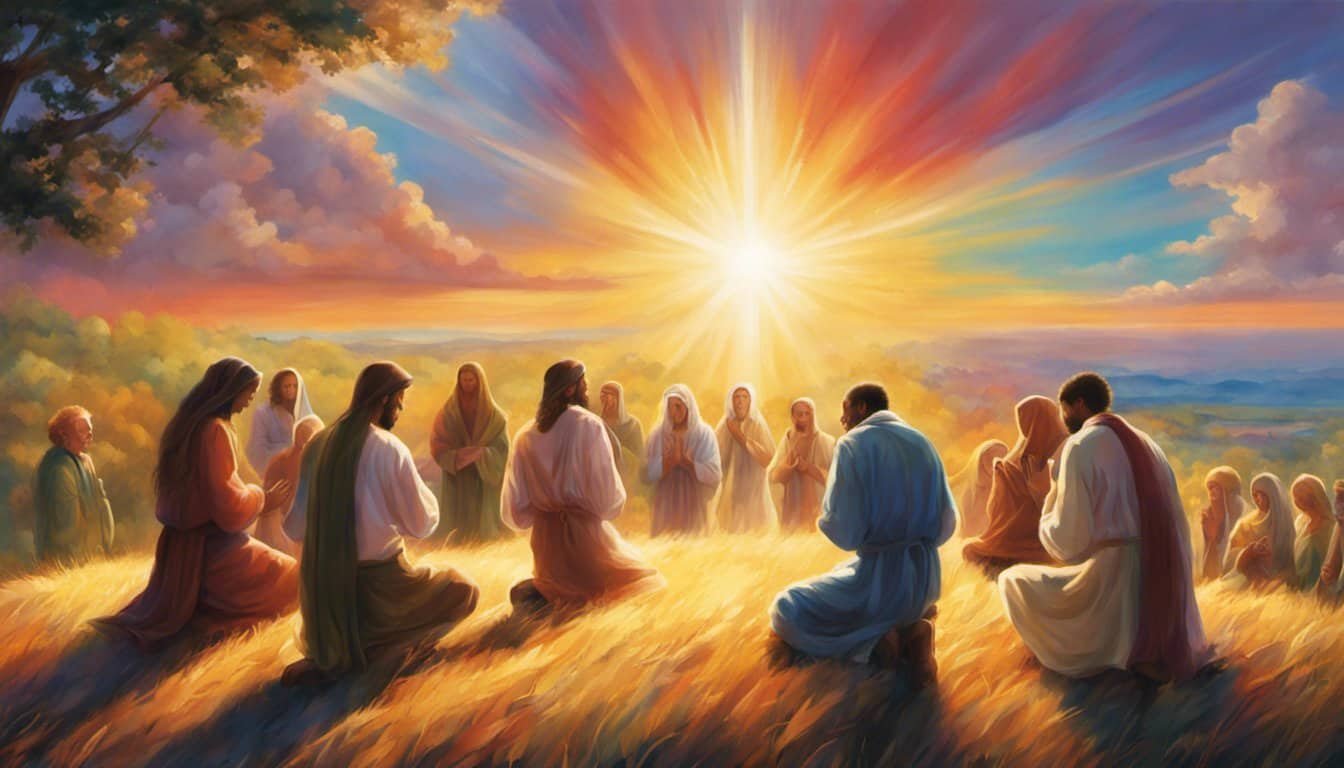
Aligning specific Psalms with the themes of a worship service ensures that the messages resonate effectively with the congregation. When planning services, it’s essential to select Psalms that complement the sermon topics and liturgical seasons. For instance, during a service focused on gratitude, Psalm 100 (“A Psalm of Thanksgiving”) can reinforce the theme through both scripture reading and song. Similarly, in times of reflection or confession, Psalm 51 can provide a fitting backdrop for personal and communal repentance. This strategic alignment not only reinforces the service’s message but also helps congregants engage more deeply with the content, making the worship experience more cohesive and impactful.





Overcoming Challenges
Integrating Psalms into modern worship presents several challenges that churches must address to ensure a seamless blend of tradition and contemporary practice.
Balancing Tradition and Modern Practices
Maintaining the authenticity of Psalms while adapting them to modern worship settings requires careful consideration. Churches can achieve this balance by selecting Psalms that resonate with current themes and using contemporary musical arrangements. For example, combining traditional chanting with modern instruments like guitars and drums can make Psalms more accessible. Additionally, training worship leaders to understand the historical context of Psalms helps preserve their original intent while allowing creative expression. By respecting the roots of Psalms and embracing innovation, churches can create worship experiences that honor tradition and appeal to today’s congregations.
Addressing Diverse Congregational Needs
Modern congregations often consist of individuals from varied cultural and generational backgrounds. To address these diverse needs, churches should choose Psalms that are universally relatable and easy to understand. Providing translations or paraphrases of complex Psalms can enhance comprehension and participation. Incorporating multilingual renditions of Psalms during services ensures inclusivity for non-English speakers. Additionally, offering multiple styles of musical accompaniment caters to different preferences, whether congregants enjoy contemporary pop, classic hymns, or traditional melodies. By acknowledging and embracing diversity, churches can make Psalms a unifying element in worship that speaks to everyone.
Conclusion
Incorporating Psalms into modern worship services brings rich tradition to today’s congregations. It creates a bridge between ancient wisdom and contemporary faith practices. Churches can enhance their worship experience by embracing this timeless scripture.
By thoughtfully integrating Psalms with modern music and technology, congregations can connect more deeply with their faith and each other. This blend fosters a sense of community and makes worship more engaging and meaningful for everyone involved.