
In the heart of ancient Israel, the prophet Micah delivered a powerful message to Samaria and Jerusalem. Amidst political turmoil and moral decay, his words cut through the noise, calling out corruption and injustice that plagued both leaders and the people. Micah 1-3 paints a vivid picture of a society teetering on the brink, offering timeless insights into the consequences of turning away from righteousness.
As Micah confronts the shortcomings of his time, his prophecies resonate with today’s challenges. The judgments he pronounces aren’t just historical footnotes but serve as lessons on leadership, community, and the pursuit of justice. This exploration delves into Micah’s powerful declarations, uncovering their relevance and the enduring wisdom they offer.
Historical Context of Micah 1-3
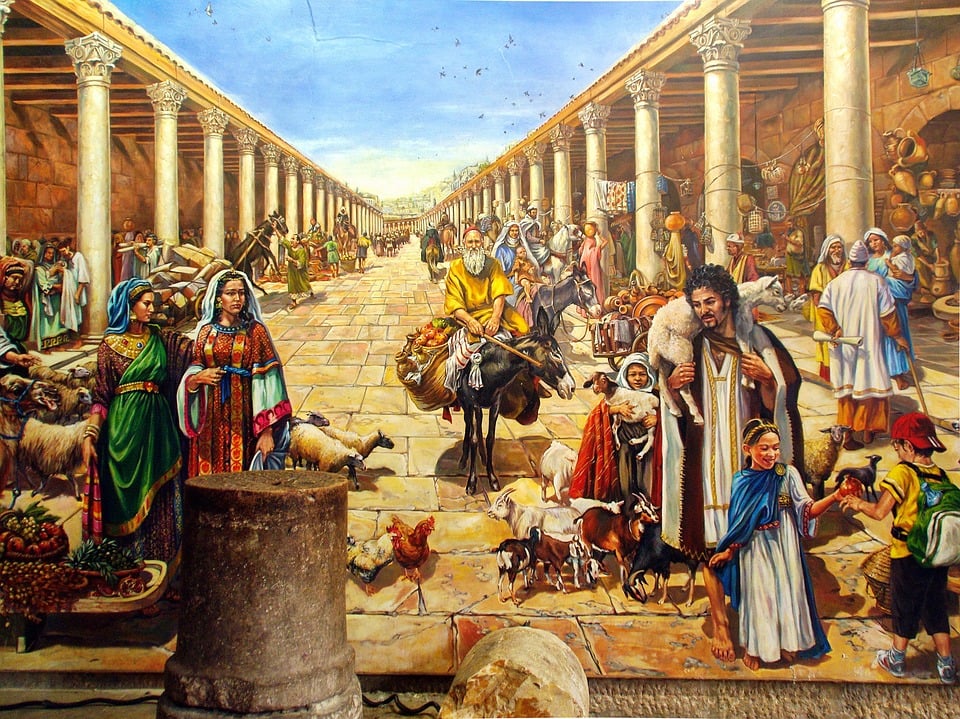
Micah prophesied during a tumultuous period in Israel’s history, around the late 8th century BCE. This era was marked by significant political instability and social injustice. The northern kingdom of Israel, with its capital in Samaria, faced threats from the expanding Assyrian Empire. Simultaneously, the southern kingdom of Judah, centered in Jerusalem, struggled with internal corruption and moral decay.
Economic disparities widened as wealthy elites exploited the poor, leading to widespread discontent. Leadership in both Samaria and Jerusalem was characterized by favoritism and abuse of power. High officials and priests often engaged in dishonest practices, neglecting their duties to uphold justice and righteousness.

External pressures from invading forces exacerbated the internal issues. The looming threat of Assyrian conquest created an atmosphere of fear and uncertainty. Amidst this chaos, Micah emerged as a voice calling for repentance and reform. His messages targeted the complacency of the people and the failure of leaders to govern justly.
Micah’s prophecies serve as a reflection of the societal challenges of his time. By addressing both Samaria and Jerusalem, he highlighted the widespread nature of the corruption affecting the entire nation. Understanding this historical context is crucial for interpreting Micah’s warnings and their relevance to both ancient and modern audiences.
| Aspect | Details |
|---|---|
| Time Period | Late 8th century BCE |
| Geographical Focus | Samaria (Northern Kingdom) and Jerusalem (Southern Kingdom) |
| Political Climate | Threats from the Assyrian Empire, internal instability |
| Social Issues | Economic disparity, exploitation of the poor, corruption |
| Leadership Problems | Favoritism, abuse of power, neglect of justice |
| External Threats | Assyrian expansion causing fear and uncertainty |
| Micah’s Role | Prophet calling for repentance and social reform |
Micah’s insights into the societal flaws of his time offer valuable lessons on leadership and community integrity. His emphasis on justice and righteousness remains pertinent, encouraging individuals and leaders alike to strive for ethical governance and equitable treatment of all members of society.
Judgment on Samaria
Samaria faces severe judgment due to widespread corruption and injustice. Micah highlights specific factors contributing to the city’s downfall.
Causes of Samaria’s Downfall
- Political Corruption: Leaders exploit their positions for personal gain, neglecting the needs of the populace.
- Economic Exploitation: Wealthy elites impose heavy taxes, burdening the poor and widening economic disparities.
- Social Injustice: Inequitable treatment of the marginalized fosters resentment and societal instability.
- Moral Decay: Widespread immorality erodes the community’s ethical foundation, leading to further decline.
Prophetic Declarations
Micah proclaims that Samaria’s actions invite divine retribution. He warns of impending destruction if the city does not repent and reform its ways.
| Declaration | Consequence |
|---|---|
| Political Corruption | Loss of leadership integrity |
| Economic Exploitation | Increased poverty rates |
| Social Injustice | Social unrest |
| Moral Decay | Spiritual disintegration |
Micah’s prophecy serves as a call to action, urging Samaria to address its internal failures to avert disaster.


Judgment on Jerusalem
Jerusalem faces severe prophetic condemnation in Micah 1-3 due to widespread corruption and injustice.
Social Injustices
Micah highlights significant social injustices in Jerusalem, including the exploitation of the poor and marginalized. Leaders impose heavy taxes on vulnerable populations, leading to increased poverty rates. False accusations and bribery undermine the legal system, preventing fair trials. The wealthy elites monopolize resources, creating economic disparities that widen societal gaps. These practices erode trust within the community, fostering an environment of fear and resentment.
Consequences for Leadership
Jerusalem’s leadership incurs dire consequences as a result of their corrupt practices. Micah predicts the removal of unjust rulers, leading to political instability. The lack of integrity among leaders causes a loss of public confidence, resulting in social unrest. Abuses of power trigger divine retribution, including potential exile and destruction of the city. These outcomes underscore the necessity for ethical governance and accountability to prevent further decline.
Key Themes and Messages
Micah 1-3 presents several critical themes that underscore the prophetic warnings against Samaria and Jerusalem. These themes highlight the consequences of corruption, injustice, and moral decay, offering timeless lessons on leadership and community ethics.
Corruption and Injustice

Micah sharply criticizes the pervasive corruption among leaders in both Samaria and Jerusalem. He exposes how officials exploit their positions for personal gain, leading to widespread injustice. This abuse of power results in the oppression of the vulnerable and the erosion of societal trust.


Economic Exploitation
Economic disparity is a significant concern in Micah’s prophecy. Wealthy elites hoard resources, leaving the poor in dire conditions. This exploitation fuels poverty and social unrest, making it clear that economic inequality stems from unethical leadership and governance.
Moral Decay
The prophet highlights a profound moral decline within the community. Practices such as bribery, false accusations, and favoritism undermine the legal system and societal norms. This moral decay weakens the foundation of society, making it susceptible to further decline and divine judgment.
Lack of True Leadership
Micah emphasizes the absence of genuine, righteous leadership. Leaders fail to uphold justice and righteousness, prioritizing their interests over the common good. This failure not only leads to political instability but also diminishes the community’s overall integrity and resilience.
Divine Retribution
A recurring message in Micah 1-3 is the inevitability of divine retribution for the people’s transgressions. The prophet warns that continued corruption and injustice will invite severe consequences, including loss of leadership, increased poverty, and societal collapse. This theme serves as a call to repentance and reform to avert impending disaster.
Call for Repentance and Reform
Amidst the condemnation, Micah extends a call for repentance and ethical reform. He urges the people to abandon corrupt practices and embrace justice and righteousness. This call is not only a warning but also an invitation to restore societal harmony and align with divine expectations.
Relevance Today
The themes presented in Micah 1-3 resonate with contemporary issues of leadership failures, economic inequality, and moral challenges. By addressing these enduring concerns, Micah’s messages remain relevant, offering insights and lessons applicable to modern communities striving for justice and ethical governance.
Leadership and Accountability
Micah underscores the importance of accountable leadership. Leaders are reminded that their actions have far-reaching impacts on the community’s well-being. Accountability ensures that leaders act in the best interests of the people, fostering a just and equitable society.
Social Justice
A central message in Micah’s prophecy is the pursuit of social justice. Eliminating exploitation and ensuring fair treatment for all members of society are crucial for maintaining social stability and harmony. Micah advocates for systems that protect the vulnerable and promote equality.
Ethical Governance
Micah calls for governance rooted in ethical principles. Transparent and honest administration prevents corruption and builds trust within the community. Ethical governance is essential for sustainable development and societal flourishing.

By examining these themes, Micah 1-3 offers a comprehensive critique of the societal flaws of his time and provides enduring lessons on leadership, justice, and moral integrity.
Theological Implications
Micah’s prophecies in chapters 1-3 highlight critical theological themes that resonate beyond their historical context. First, the emphasis on divine justice underscores the belief that God actively engages with societal issues. If a community turns away from righteousness, it’s faced with consequences that affect every level of society. This principle challenges readers to reflect on their actions and the broader impact on their communities.
Second, Micah underscores the importance of ethical leadership. Leaders in Samaria and Jerusalem exploit their positions, leading to widespread injustice. When leaders fail to uphold moral standards, it disrupts social harmony and erodes trust. This calls believers to advocate for integrity and accountability in their own leadership structures, ensuring that those in power serve the common good.
Additionally, the prophet’s focus on economic disparity points to the theological significance of stewardship. Wealth accumulation at the expense of the poor is portrayed as a violation of divine principles. Proper stewardship involves fair distribution and responsible management of resources, aligning with God’s desire for a just and equitable society.
Micah also addresses the theme of repentance. The call for Samaria and Jerusalem to return to righteous living is a plea for spiritual renewal. Repentance isn’t just about personal forgiveness but about restoring the relationship between the community and God. This holistic view emphasizes that faithfulness extends to societal actions and collective behavior.

Finally, the scriptures reinforced in Micah 1-3 serve as a foundation for understanding God’s expectations for His people. They provide clear guidelines on justice, leadership, and community responsibility. By adhering to these principles, believers can foster environments that reflect divine intentions, promoting peace and righteousness.
Micah’s messages in these chapters encourage a deep examination of societal structures through a theological lens. They remind believers that true faith manifests in just actions, ethical leadership, responsible stewardship, and a commitment to continuous repentance and renewal.
Conclusion
Micah’s messages to Samaria and Jerusalem are timeless reminders of the importance of integrity and justice in leadership. His prophecies encourage communities to reflect on their values and strive for ethical governance. By addressing corruption and advocating for the marginalized Micah offers a blueprint for creating a fair and harmonious society.
Today these lessons remain crucial as we navigate our own social and political challenges. Embracing Micah’s call for righteousness can lead to positive change and strengthen our communities. His insights inspire us to hold leaders accountable and foster a culture of justice and compassion.
