
The Gospel of John has long fascinated scholars and believers alike with its unique perspective on Jesus’s life and teachings. Often regarded as one of the most profound books in the New Testament, it offers a distinct narrative that sets it apart from the other gospels.
But could The Gospel of John be considered a Christian show? This intriguing question invites readers to explore the storytelling elements and dramatic flair that make this gospel so captivating. By delving into its themes, characters, and literary style, one can uncover whether it fits the mold of a compelling Christian narrative.

Join the journey as we examine the layers of The Gospel of John, uncovering the artistry and purpose behind its timeless message.
Overview Of The Gospel Of John
The Gospel of John, one of the four canonical gospels, presents a distinct portrayal of Jesus Christ compared to the synoptic gospels. Composed around 90-100 AD, it emphasizes the divine nature of Jesus, highlighting his role as the Word (Logos) made flesh. Unlike the synoptic accounts, John’s narrative focuses on seven miraculous signs and deep theological discourses, aiming to reveal Jesus’ identity and mission.
Key Themes
- Divinity of Christ: John underscores Jesus’ divine origin, beginning with “In the beginning was the Word” (John 1:1).
- Eternal Life: The concept of eternal life is a central theme, presented as a present reality for believers.
- Light and Darkness: Symbolism of light representing good and darkness symbolizing evil runs throughout the text.
- Belief and Faith: The gospel encourages readers to believe in Jesus for salvation and spiritual truth.
Structure and Content

The Gospel of John can be divided into several sections:
- Prologue (John 1:1-18): Introduces the Logos and sets the theological foundation.
- Book of Signs (John 1:19-12:50): Details seven miraculous signs performed by Jesus, illustrating his divine authority.
- Book of Glory (John 13:1-20:31): Focuses on the passion, crucifixion, and resurrection of Jesus.
- Epilogue (John 21): Provides post-resurrection appearances of Jesus, reaffirming his teachings.
Literary Style
John employs a high level of symbolism and metaphor, using terms like “bread of life,” “light of the world,” and “the vine.” Dialogues, especially the Farewell Discourse (John 14-17), offer profound theological insights and personal teachings of Jesus to his disciples.
Characters
- Jesus Christ: Central figure, depicted with divine attributes and intimate knowledge of his mission.
- The Disciple whom Jesus loved: A prominent male character, often interpreted as John the Apostle.
- Pharisees and Religious Leaders: Represent opposition to Jesus’ teachings and actions.
- Mary Magdalene: Plays a key role in the resurrection narrative, demonstrating devotion and faith.
Unique Features
- Lack of Parables: Unlike the synoptic gospels, John rarely uses parables, focusing instead on direct teachings and signs.
- High Christology: Emphasizes the pre-existence and divinity of Jesus more than the other gospels.
- Dualistic Themes: Often contrasts light vs. darkness, truth vs. falsehood, and belief vs. unbelief.
Notable Passages
- John 3:16: “For God so loved the world that he gave his one and only Son…”
- John 10:10: “I have come that they may have life, and have it to the full.”
- John 14:6: “I am the way and the truth and the life.”
Influence and Impact
The Gospel of John has significantly influenced Christian theology, emphasizing the nature of Christ and the concept of eternal life. Its unique perspective provides a deep, reflective approach to understanding Jesus’ mission and divinity, making it a cornerstone for both scholarly study and personal faith.
Analysis Of Themes
Adam Phillips, a seasoned youth pastor with over two decades of experience, delves into an intriguing question: Is the Gospel of John a Christian show? This exploration uncovers the layers of storytelling, symbolism, and theological depth that make John’s Gospel uniquely engaging.
Central Messages
The Gospel of John centers on the divinity of Jesus Christ. It presents Jesus not just as a teacher but as the incarnate Word (Logos) of God. This perspective emphasizes that Jesus embodies God’s presence on Earth, bridging the divine and human realms. For instance, John 1:14 states, “The Word became flesh and made his dwelling among us,” highlighting this central theme.
Another key message is the promise of eternal life. John consistently links belief in Jesus to everlasting life, as seen in John 3:16: “For God so loved the world that he gave his one and only Son, that whoever believes in him shall not perish but have eternal life.” This assurance encourages believers to maintain faith despite challenges.


Representation Of Christian Ideals
John’s Gospel vividly portrays Christian ideals through its characters and narratives. Jesus exemplifies unconditional love, sacrifice, and humility. His interactions with individuals like Nicodemus and the Samaritan woman reveal a compassionate approach to teaching and understanding.
The Gospel also highlights the importance of faith and obedience. Jesus often urges his followers to believe in him and adhere to his teachings, reinforcing the idea that true discipleship involves both trust and action. Additionally, the theme of light versus darkness serves as a metaphor for good and evil, guiding believers to choose righteousness.
Symbolism and Literary Style
John employs rich symbolism to convey deeper theological truths. Light and darkness illustrate the struggle between good and evil, while water symbolizes purification and life. The seven miraculous signs, such as turning water into wine and raising Lazarus from the dead, serve as tangible demonstrations of Jesus’ divine power and authority.
The literary style of John is distinct, using dialogues and long discourses to explore profound spiritual concepts. The “I am” statements (e.g., “I am the bread of life”) offer insights into Jesus’ identity and mission, inviting readers to engage thoughtfully with his message.
Impact on Christian Theology

The Gospel of John has significantly influenced Christian theology, particularly concerning the nature of Christ and the concept of eternal life. Its high Christology asserts Jesus’ divine status, shaping beliefs about the Trinity and the incarnation. Moreover, John’s emphasis on eternal life has provided a foundation for understanding salvation and the afterlife within Christian doctrine.


Practical Insights for Believers
Adam Phillips encourages readers to apply the lessons from John’s Gospel to their daily lives. Embracing the themes of love, faith, and obedience can strengthen personal faith journeys. Engaging with the Gospel’s symbols and messages fosters a deeper connection with the teachings of Jesus.
For youth and new believers, Phillips suggests starting a Bible study focused on John’s narrative. Breaking down each chapter, discussing its messages, and relating them to contemporary experiences can make the Gospel more relatable and impactful.
Scripture for Reflection
To further explore the themes discussed, consider reflecting on these passages:
- John 1:14 – Understanding the incarnation of Jesus.
- John 3:16 – Embracing the promise of eternal life through belief.
- John 8:12 – Walking in the light of Christ.
- John 15:5 – Remaining connected to Jesus for spiritual vitality.
By meditating on these scriptures, believers can gain greater insight into the profound truths presented in the Gospel of John.
This article aims to provide practical advice and insights, drawing from Adam Phillips’ extensive Bible knowledge. Whether you’re a long-time believer or new to the faith, the Gospel of John offers timeless lessons that continue to inspire and guide.
Production And Presentation
The Gospel of John employs distinctive techniques to convey its message effectively. Its production and presentation elements enhance the narrative’s impact and clarity.
Direction And Acting
- Narrative Structure: The Gospel follows a non-linear timeline, emphasizing key events and theological themes. This approach guides readers through Jesus’s mission with intentional focus.
- Character Portrayal: Characters are depicted with clear roles and motivations. Jesus is portrayed as the divine Word, while disciples and antagonists represent varying responses to his teachings.
- Dialogue Emphasis: Extensive dialogues illustrate theological concepts. Conversations between Jesus and individuals like Nicodemus and the Samaritan woman reveal deeper spiritual truths.
- Thematic Focus: Themes such as light versus darkness and belief versus unbelief are consistently directed throughout the narrative, reinforcing the gospel’s core messages.
Visual And Audio Elements
- Symbolism: Rich symbols like light, water, and bread are recurrent, each representing significant spiritual meanings. For instance, light symbolizes divine truth, and water signifies purification.
- Imagery: Vivid descriptions create strong visual images. The depiction of Jesus walking on water or the resurrection scene engages readers’ imagination.
- Repetitive Language: Key phrases such as “I am” statements emphasize Jesus’s identity and mission. Repetition reinforces important theological points.
- Contrast and Duality: The use of contrasts, such as life and death or truth and falsehood, highlights moral and spiritual dilemmas, making the messages more relatable and profound.
Comparison With Other Christian Shows
The Gospel of John distinguishes itself from other Christian shows through its unique narrative and theological focus. Unlike many contemporary Christian programs that emphasize modern-day applications, John’s Gospel centers on the divine nature of Jesus and profound theological discourses. This section compares the Gospel of John with other notable Christian shows, highlighting key differences and similarities.
Narrative Structure
John’s Gospel employs a non-linear narrative, focusing on seven miraculous signs and in-depth dialogues. In contrast, other Christian shows often follow a linear storyline with clear plot progression and character development. For example:
- The Chosen: Utilizes a chronological narrative to explore the lives of Jesus and His disciples.
- Touched by an Angel: Follows episodic stories with moral lessons in each episode.
Theological Themes
John emphasizes high Christology, presenting Jesus as the divine Word (Logos) made flesh. Other Christian shows may focus on various theological aspects, such as:
- VeggieTales: Highlights moral lessons and virtues through animated stories.
- Left Behind: Centers on eschatology and the end times.
| Aspect | Gospel of John | The Chosen | VeggieTales | Left Behind |
|---|---|---|---|---|
| Narrative Structure | Non-linear, symbolic | Linear, character-driven | Episodic, animated | Linear, plot-driven |
| Theological Focus | High Christology, divine nature | Relationship with Jesus | Moral lessons, virtues | Eschatology, end times |
| Primary Themes | Divinity of Christ, eternal life | Disciples’ experiences | Friendship, honesty, kindness | Faith, persecution, salvation |
Character Portrayal

In John’s Gospel, Jesus is depicted with profound theological significance, engaging in deep conversations about His mission and identity. Other Christian shows vary in their portrayal of Jesus and other biblical figures:
- The Chosen: Humanizes Jesus by showing His interactions and relationships with disciples.
- The Bible Series: Presents a dramatized version of various biblical stories with diverse character interpretations.
Symbolism and Imagery
John utilizes rich symbolism, such as light and darkness, to convey deeper spiritual truths. Other Christian shows also use symbolism but in different contexts:
- VeggieTales: Uses colorful animation and playful imagery to teach lessons.
- A.D. The Bible Continues: Employs realistic settings and visual effects to depict historical events.
Audience Engagement
While the Gospel of John invites readers to engage thoughtfully with theological concepts, other Christian shows aim to entertain and educate diverse audiences:
- The Chosen: Engages viewers through relatable characters and storytelling.
- Superbook: Combines animation with biblical stories to reach younger audiences.
Conclusion
The Gospel of John offers a distinct approach compared to other Christian shows, focusing on theological depth and symbolic narratives. By understanding these differences, viewers and readers can appreciate the unique contributions of John’s Gospel to Christian literature and media.
Audience Reception
The Gospel of John garners a wide range of responses from both critics and viewers. Its distinctive narrative and theological depth influence how it’s perceived as a Christian show.
Critical Reviews

Scholars commend the Gospel of John’s high Christology and extensive symbolism. They emphasize its focus on seven miraculous signs and profound theological dialogues, differentiating it from the synoptic gospels. Critics praise its non-linear storytelling and literary sophistication, acknowledging its ability to convey deep spiritual truths. However, some note that its abstract themes and complex language may pose challenges for contemporary audiences. Comparative studies highlight John’s unique approach, setting it apart from other Christian media in both depth and presentation.
Viewer Feedback
General audiences appreciate the Gospel of John’s portrayal of Jesus’ divinity and the promise of eternal life. Many find its themes of light versus darkness and faith inspiring and relevant to their personal lives. Viewers enjoy the rich symbolism and the emphasis on belief, which fosters a deeper connection to the message. Nevertheless, some audience members feel that the theological language can be dense, suggesting that additional explanations or interpretations might help make the content more accessible. Overall, the Gospel of John resonates strongly with those seeking profound spiritual insights.
Impact On Christian Community
The Gospel of John significantly shapes Christian theology and worship practices. Its emphasis on Jesus’ divinity influences doctrinal teachings across denominations. For instance, the high Christology presented in John 1:1 (“In the beginning was the Word, and the Word was with God, and the Word was God”) underscores the belief in Jesus as divine, a cornerstone in mainstream Christianity.
In worship settings, passages like John 17:20-21 inspire communal prayers for unity among believers. This fosters a sense of solidarity within congregations, promoting collaboration and shared faith experiences. Additionally, the Gospel’s portrayal of Jesus’ intimate conversations encourages personal reflection and deeper spiritual engagement among church members.
Educationally, the Gospel of John serves as a primary text in seminary curricula, shaping future pastors and theologians. Its rich theological content provides a foundation for discussions on salvation, eternal life, and the nature of God. For example, John 3:16 is frequently cited in teachings on God’s love and the promise of eternal life, reinforcing key Christian beliefs.

Community values are also impacted by the Gospel’s themes of love and service. John 13:34-35 (“A new command I give you: Love one another. As I have loved you…”) advocates for selfless behavior, influencing church outreach programs and volunteer initiatives. These values encourage believers to actively participate in acts of charity and support within and outside the church.
Moreover, the Gospel of John contributes to the liturgical calendar through specific feasts and commemorations. The celebration of events like the Last Supper and the Crucifixion are directly drawn from John’s narrative, shaping annual worship cycles and communal observances.
The Gospel of John plays a crucial role in defining theological doctrines, guiding worship practices, informing educational structures, and instilling community values within the Christian community. Its profound influence ensures that its teachings remain integral to the faith and daily lives of believers.
Conclusion
The Gospel of John shines as a remarkable narrative, blending deep theology with captivating storytelling. Its portrayal of Jesus as the divine Word offers a unique perspective that continues to engage and inspire.
By weaving rich symbolism and profound dialogues, John invites readers to reflect on essential aspects of faith and eternal life. This timeless message fosters a meaningful connection, encouraging believers to embrace love and faith in their daily lives.

Ultimately, the Gospel of John stands as a cornerstone of Christian literature, bridging ancient teachings with contemporary spiritual journeys. Its enduring impact highlights the enduring relevance of its themes and the powerful legacy it holds within the Christian community.
Frequently Asked Questions
What makes the Gospel of John unique compared to other gospels?
The Gospel of John stands out for its high Christology, emphasizing Jesus as the divine Word (Logos) made flesh. Unlike the synoptic gospels, John focuses on seven miraculous signs and deep theological teachings. Its literary style is rich in symbolism and metaphor, featuring extensive dialogues and “I am” statements. The non-linear narrative highlights key events and themes, providing a profound exploration of Jesus’s identity and mission. This distinctive approach offers a deeper spiritual insight, setting John apart from the other three gospels.
Can the Gospel of John be considered a Christian show?
While not a show in the traditional sense, the Gospel of John employs storytelling elements similar to those found in Christian media. It uses vivid imagery, character development, and symbolic narratives to convey its message. The non-linear structure and thematic focus resemble narrative techniques used in Christian shows like “The Chosen.” However, its primary purpose is theological rather than entertainment. The Gospel’s artistic presentation serves to reveal deeper spiritual truths, inviting readers to engage thoughtfully with its content.
What are the key themes in the Gospel of John?
Key themes in the Gospel of John include the divinity of Christ, the promise of eternal life, and the symbolism of light and darkness. It emphasizes belief and faith in Jesus for salvation and explores the concept of the Word (Logos) made flesh. The Gospel also delves into dualistic themes, contrasting spiritual truth with worldly deception. Love and unconditional care are prominent, showcasing Jesus’s teachings and interactions. These themes collectively highlight the profound spiritual insights and theological depth of the Gospel.
How does the Gospel of John structure its narrative?
The Gospel of John is divided into four main sections: the Prologue, the Book of Signs, the Book of Glory, and the Epilogue. The Prologue introduces Jesus as the divine Word. The Book of Signs details seven miraculous acts that reveal His divine nature. The Book of Glory focuses on Jesus’s passion and resurrection, highlighting His glorification. The Epilogue provides additional teachings and the conclusion of Jesus’s earthly ministry. This structure allows for a comprehensive exploration of Jesus’s life, miracles, and theological significance.
What is high Christology in the context of the Gospel of John?
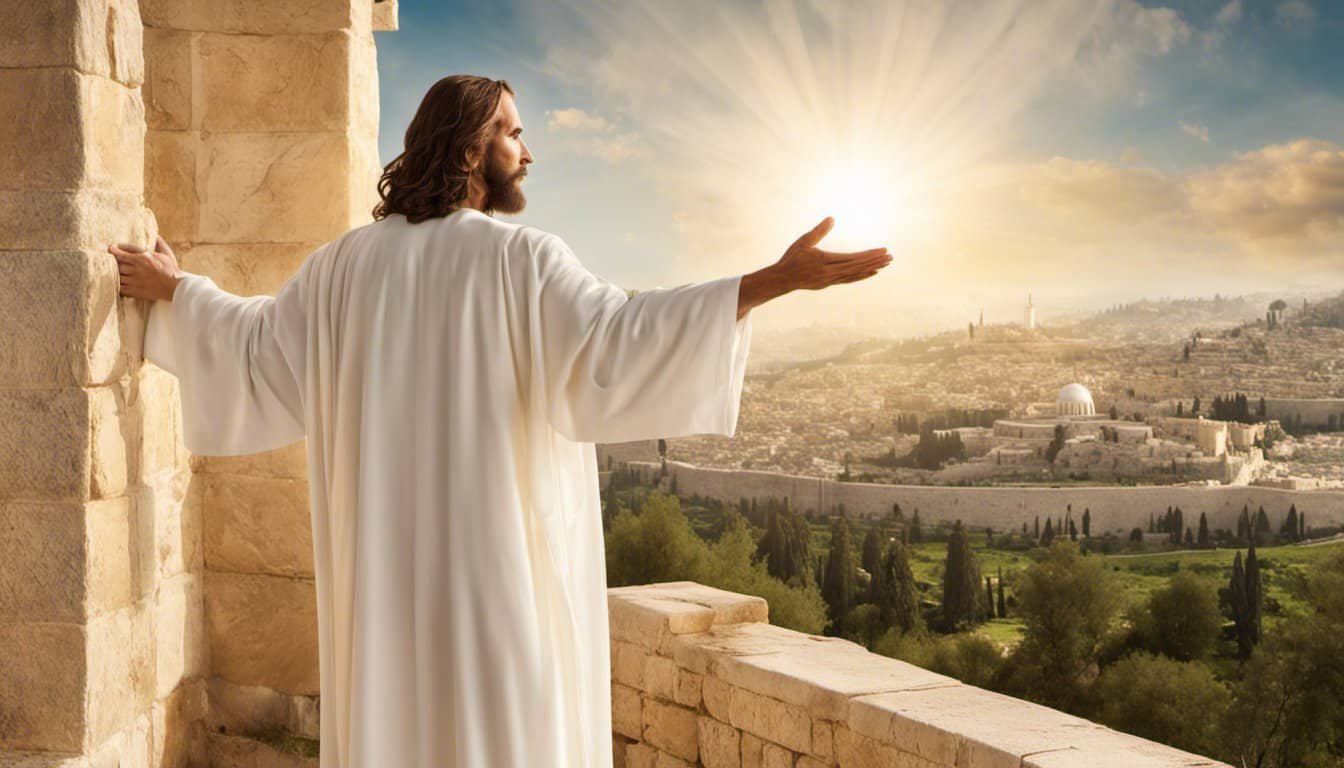
High Christology refers to the strong emphasis on Jesus’s divine nature and pre-existence in the Gospel of John. It presents Jesus not just as the Messiah but as the incarnate Word (Logos) who existed with God from the beginning. This perspective highlights His role in creation, His intimate relationship with the Father, and His authority over spiritual truths. High Christology in John underscores Jesus’s divinity, making it a central theme that differentiates it from the other gospels.
How does the Gospel of John compare to other Christian media like “The Chosen”?
The Gospel of John and Christian media like “The Chosen” both aim to portray Jesus’s life and teachings, but they differ in approach. John’s Gospel offers a theological and symbolic narrative with deep spiritual insights, focusing on Jesus’s divine identity. “The Chosen,” on the other hand, uses a linear, dramatized storytelling style to make the characters and events more relatable to modern audiences. While John emphasizes high Christology and theological discourse, “The Chosen” prioritizes character development and emotional connection.
What is the significance of John 3:16 and John 14:6?
John 3:16 is one of the most famous verses, encapsulating the Gospel’s message of God’s love and the promise of eternal life through belief in Jesus. It states, “For God so loved the world that he gave his one and only Son…” John 14:6 highlights Jesus’s role as the sole path to the Father, with Jesus declaring, “I am the way and the truth and the life. No one comes to the Father except through me.” These passages underscore the core themes of salvation and the exclusive divinity of Jesus.
How has the Gospel of John impacted Christian theology?
The Gospel of John has profoundly shaped Christian theology by emphasizing the divinity of Christ and the concept of eternal life. Its high Christology influenced doctrinal teachings across denominations, reinforcing the belief in Jesus as the incarnate Word. The Gospel’s themes of light, love, and faith have guided theological discussions and worship practices. Additionally, its rich symbolism and metaphorical language have provided a foundation for theological reflection and scholastic study, making it a cornerstone in Christian intellectual tradition.
What practical insights can believers gain from the Gospel of John?
Believers can draw practical insights from the Gospel of John by embracing the themes of love, faith, and eternal life. The emphasis on believing in Jesus encourages personal faith and trust in His teachings for salvation. The Gospel’s portrayal of unconditional love and service inspires believers to practice compassion and community support. Additionally, the symbolic lessons on light and darkness can guide moral and ethical decisions. By applying these teachings, believers can enhance their spiritual lives and foster deeper connections with their faith.
How does the Gospel of John influence worship practices and community values?

The Gospel of John influences worship practices by providing profound theological themes that shape liturgical content and prayers. Its emphasis on Jesus’s divinity and eternal life is reflected in hymns, sermons, and communal prayers. The themes of love and service guide community values, encouraging acts of compassion and unity among believers. Additionally, its symbolism and rich narratives enhance worship experiences, making them more meaningful. The Gospel’s impact ensures that its teachings remain integral to worship practices and the fostering of strong, faith-based communities.
How do scholars and viewers perceive the Gospel of John?
Scholars generally commend the Gospel of John’s high Christology and extensive use of symbolism, recognizing its theological depth and literary artistry. They appreciate its unique perspective on Jesus’s life and mission, contributing significantly to Christian theology. However, some critics note that its abstract themes and dense theological language may pose challenges for contemporary audiences. Viewers tend to admire the portrayal of Jesus’s divinity and the promise of eternal life, finding inspiration in its themes of light versus darkness. Overall, the Gospel of John is respected for its profound spiritual insights.
What role does the Gospel of John play in the Christian community today?
Today, the Gospel of John plays a vital role in shaping Christian theology, worship, and education. It influences doctrinal teachings across various denominations, particularly regarding the nature of Christ and salvation. The Gospel is a key text in seminary curricula, preparing future pastors and theologians. Its themes of love and service underpin community values and outreach programs, fostering unity and compassion among believers. Additionally, its rich symbolism and narratives contribute to the liturgical calendar, guiding annual worship cycles and communal observances, ensuring its teachings remain central to Christian life.
