
Jerusalem has long been a symbol of hope and resilience. In the final chapters of Zechariah, specifically 12 through 14, readers find a powerful narrative of restoration and renewal. These passages offer a vision of Jerusalem’s future, marked by peace and divine favor.
As the prophet Zechariah unveils the path to rebuilding, he emphasizes the city’s spiritual revival and its significance in a broader context. This restoration isn’t just physical but also deeply spiritual, fostering a renewed sense of identity and purpose among its inhabitants. Exploring these chapters reveals the enduring hope that has inspired generations throughout history.
Understanding the Historical Context
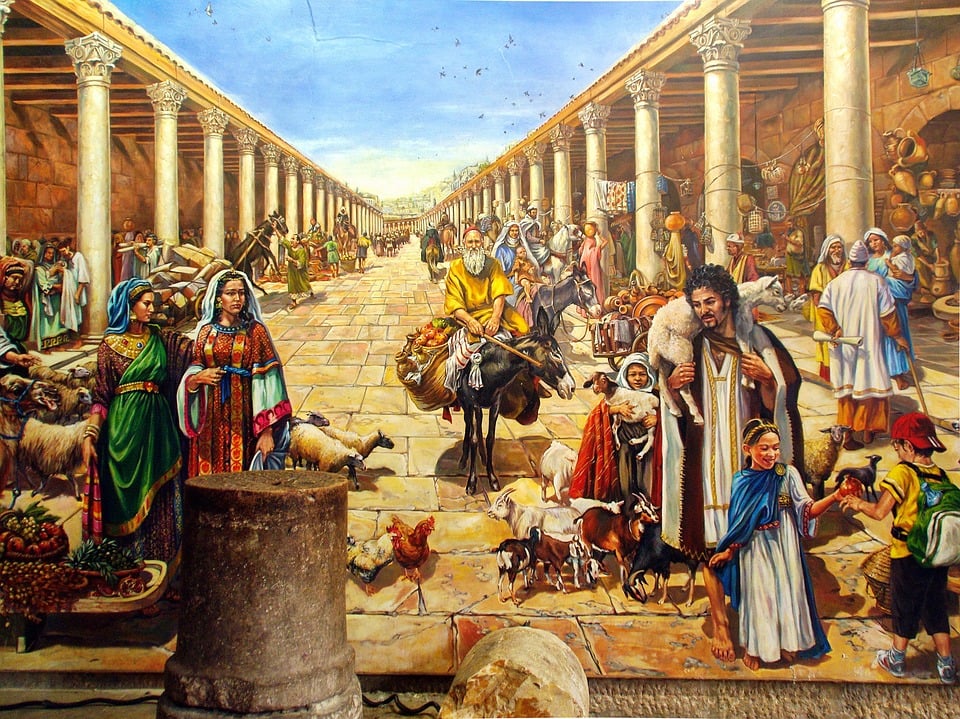
Zechariah prophesied during the post-exilic period, approximately between 520 and 518 BCE, following the return of the Jewish exiles from Babylon. This era marked a significant rebuilding phase for Jerusalem and the Temple. The Persian Empire, under King Darius I, allowed the Jews to reconstruct their sacred space, restoring their religious and national identity.
Key Historical Points:
- Exilic Return: In 538 BCE, Cyrus the Great issued a decree permitting Jews to return to Jerusalem (Nehemiah 1:1-4).
- Temple Reconstruction: Completed in 516 BCE, the Second Temple symbolized renewed worship and community (Ezra 6:15).
- Political Landscape: Palestine was under Persian control, ensuring relative autonomy for the Jewish community (Ezra 4:24).

Significant Challenges:
- Opposition from Surrounding Peoples: Local adversaries attempted to hinder reconstruction efforts, leading to socio-political tensions (Nehemiah 4:1-3).
- Internal Struggles: Economic hardships and internal dissent threatened the unity and progress of the Jewish population (Nehemiah 5:1-13).
- Spiritual Renewal: Emphasis on returning to covenantal laws and religious practices fostered a sense of purpose and hope among the people (Nehemiah 8:1-12).
Role of Zechariah:
- Encouragement and Vision: Zechariah provided prophetic visions that inspired the Jews to persevere, reinforcing their mission to rebuild both physically and spiritually (Zechariah 4:6-10).
- Future Restoration: The prophecies outlined a future where Jerusalem would achieve peace and divine favor, offering a long-term perspective beyond immediate challenges (Zechariah 12-14).
This historical backdrop is essential for understanding the themes of hope and restoration in Zechariah 12-14, as it highlights the resilience and commitment of the Jewish people during a pivotal moment in their history.
Key Themes in Zechariah 12-14
Zechariah 12-14 outlines significant themes that highlight Jerusalem’s restoration. These chapters emphasize divine intervention and the anticipated arrival of the Messiah.
Divine Protection and Deliverance
Zechariah depicts Jerusalem under God’s protection during times of conflict. The city faces threats, yet divine intervention ensures its deliverance. For instance, Zechariah 12:9 states, “On that day, I will make Jerusalem an immovable rock for all the nations.” This assurance fosters resilience among the inhabitants, reinforcing their trust in God’s safeguarding. Additionally, the text describes God’s direct involvement in battles, ensuring victory against adversaries. Such portrayals underscore the theme of unwavering divine support amidst adversity.
The Role of the Messiah
The Messiah plays a central role in Zechariah’s vision for Jerusalem. He is portrayed as a unifying leader who brings peace and righteousness. Zechariah 13:7 refers to the Messiah’s role in purging the land, saying, “Strike the shepherd, and the sheep will be scattered.” This signifies the Messiah’s authority to cleanse and restore. Furthermore, the Messiah’s arrival marks the fulfillment of God’s promises, leading to spiritual renewal and the establishment of God’s kingdom. His leadership ensures the long-term stability and prosperity of Jerusalem, highlighting his pivotal role in the city’s restoration.


Prophecies of Restoration
Zechariah’s final chapters present a vivid vision of Jerusalem’s renewal. These prophecies emphasize both the physical rebuilding and the spiritual revival of the city.
Rebuilding of Jerusalem
Zechariah 12-14 outlines the comprehensive restoration of Jerusalem. The prophet describes the city’s transformation from a state of desolation to one of strength and prosperity. Key aspects include:
- Defensive Fortifications: Jerusalem will be equipped with strong defenses, making it resilient against future threats (Zechariah 12:5).
- Economic Revival: Trade and commerce will flourish, revitalizing the city’s economy (Zechariah 12:10).
- Spiritual Renewal: A renewed commitment to worship and covenantal laws will strengthen the community’s spiritual foundation (Zechariah 14:16-19).
- Leadership of the Messiah: The coming Messiah will guide the rebuilding efforts, ensuring both physical and spiritual restoration (Zechariah 14:9).
These elements illustrate a holistic approach to restoration, ensuring Jerusalem’s long-term stability and prosperity.
Gathering of the Nations
A significant theme in Zechariah’s prophecy is the gathering of nations to Jerusalem. This event signifies unity and recognition of Jerusalem’s spiritual importance. Highlights include:
- Global Pilgrimage: People from all nations will journey to Jerusalem, acknowledging its central role in divine plans (Zechariah 12:10).
- Shared Worship: Diverse groups will participate in worship, fostering a sense of global community and shared faith (Zechariah 14:16).
- Peaceful Coexistence: The gathering promotes peace among nations, reducing conflicts and enhancing mutual understanding (Zechariah 14:9).
- Fulfillment of Prophecy: This mass gathering fulfills God’s promise, showcasing the fulfillment of Zechariah’s visions (Zechariah 12:10).

The gathering of nations underscores the universal impact of Jerusalem’s restoration, highlighting its significance on a global scale.




Symbolism and Imagery
Zechariah 12-14 employs rich symbolism and vivid imagery to convey the prophetic vision of Jerusalem’s restoration and divine intervention. These symbolic elements enhance the understanding of the prophetic messages and their deeper meanings.
Visions of Peace
Zechariah portrays Jerusalem as a center of peace through various symbolic elements that highlight tranquility and divine harmony:
- Defensive Fortifications: The reconstruction of Jerusalem’s walls symbolizes protection and stability, indicating the city’s resilience against future threats (Zechariah 12:5).
- Abundant Harvests: Flourishing agriculture represents economic revival and God’s provision for the inhabitants (Zechariah 14:20).
- Universal Worship: Gatherings of diverse nations for worship illustrate unity and collective reverence towards God, emphasizing a harmonious coexistence (Zechariah 14:16-21).
These symbols collectively depict a future where Jerusalem thrives under divine guidance, embodying the essence of peace envisioned in the prophecy.
Eschatological Significance
The final chapters of Zechariah carry profound eschatological meaning, signaling end-times events and divine culmination:
- The Day of the Lord: This pivotal time represents both judgment and salvation, marking the ultimate divine intervention in history (Zechariah 14:1-21).
- The Messianic King: Described as a reigning figure who brings righteousness and peace, symbolizing the arrival of the Messiah who fulfills God’s promises (Zechariah 14:9).
- Transformation of the Land: Envisioned changes in Jerusalem’s geography and society reflect comprehensive renewal initiated by divine authority (Zechariah 14:4-7).
These symbols emphasize the prophetic anticipation of a transformed world order, reinforcing themes of redemption and divine sovereignty.
Implications for Modern Readers
Hope and Encouragement
Zechariah 12-14 offers a powerful message of hope for contemporary audiences. These chapters depict Jerusalem’s ultimate restoration and divine protection, which can inspire individuals facing personal or societal challenges. The assurance of divine intervention provides comfort, reminding readers that perseverance through difficult times can lead to renewal and peace. This message encourages resilience, fostering a positive outlook even in uncertain circumstances.
Lessons for Today
Modern readers can draw several practical lessons from Zechariah’s prophecies:
- Faith in Leadership: The Messiah’s role as a unifying leader highlights the importance of strong, ethical leadership in communities and organizations. Leaders today can emulate these qualities to guide others effectively.
- Commitment to Renewal: Just as Jerusalem underwent physical and spiritual rebuilding, individuals and communities can focus on personal growth and collective improvement. This involves setting clear goals and maintaining dedication to achieve lasting change.
- Embracing Diversity: The gathering of nations in Jerusalem promotes unity and peaceful coexistence. In today’s diverse world, fostering inclusivity and respect for different cultures strengthens societal harmony.
- Trust in Divine Timing: Zechariah emphasizes patience and trust in a greater plan. Understanding that meaningful progress often takes time can help individuals remain steadfast in their pursuits.
- Preparation for Challenges: The defensive fortifications in the prophecy underscore the need to prepare for future obstacles. Being proactive in addressing potential issues enhances resilience and readiness.
By integrating these lessons, readers can apply Zechariah’s ancient wisdom to navigate modern life’s complexities, promoting personal and communal well-being.
Conclusion
Jerusalem’s journey in Zechariah 12-14 shines with resilience and the promise of renewal. The prophetic visions inspire hope, highlighting the city’s enduring spirit. As the Messiah steps in as a beacon of peace and unity restoration feels achievable. This narrative not only preserves Jerusalem’s rich history but also offers timeless lessons on faith and perseverance. Today these themes still resonate encouraging individuals and communities to seek harmony and renewal in their lives. Zechariah’s message stands as a testament to the strength found in hope and the transformative power of divine guidance.
