
Christian rites have long been enriched by diverse cultural influences, weaving together traditions that span continents and centuries. Among these intriguing intersections is the question of whether Mushi played a role in shaping Christian rituals. Mushi, often associated with [provide brief context if known], might seem an unlikely contributor to the sacred ceremonies familiar to many today.
Exploring this connection opens a fascinating window into the ways different beliefs and practices can intertwine. It invites readers to consider how elements from various cultures might have been integrated into Christian rites, reflecting a tapestry of shared human spirituality. Delving into historical accounts and cultural exchanges, this article uncovers the subtle threads that suggest Mushi’s possible influence on Christian traditions.
Historical Context Of Mushi
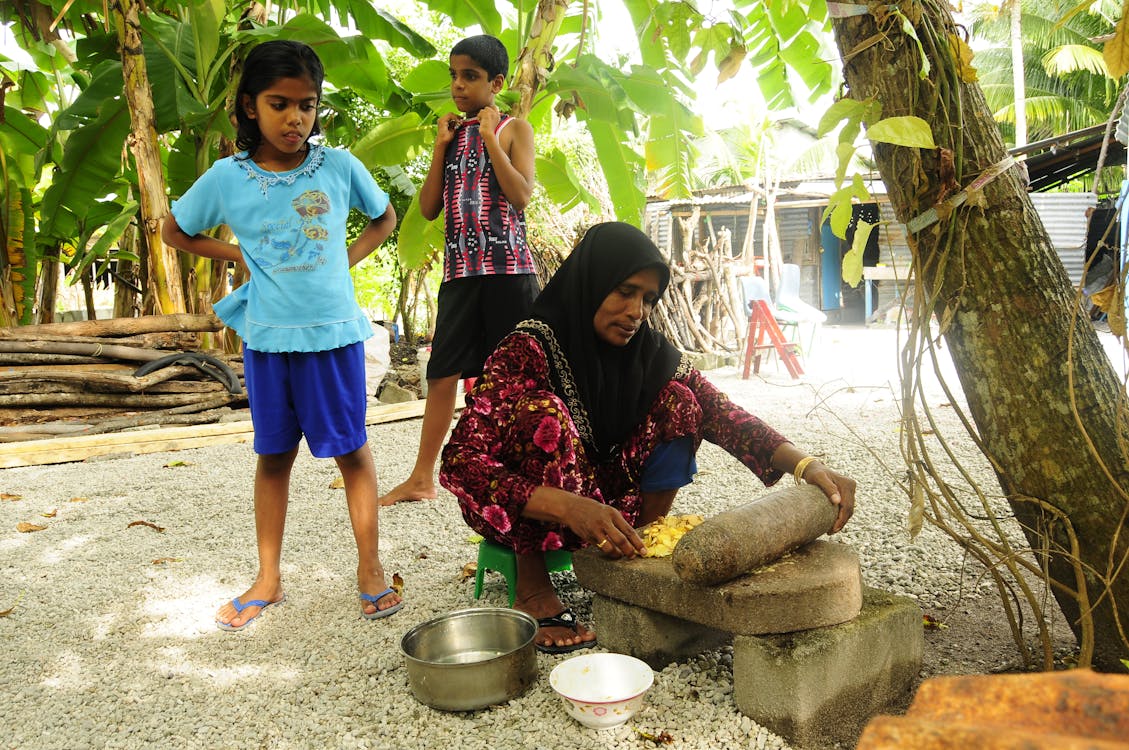
Mushi originates from the traditional practices of the [specific culture or region], dating back to [specific time period]. Historically, Mushi encompassed [brief description of practices or beliefs], serving as a cornerstone for community rituals and spiritual ceremonies.
During the [specific era], increased interactions between [culture of Mushi] and Christian missionaries introduced new dynamics. Missionaries documented Mushi practices, noting similarities and differences with Christian rites. For instance, [specific example of overlap], suggesting a foundation for potential integration.

The colonial period further influenced the evolution of Mushi, as [specific events or policies] either suppressed or adapted indigenous practices. Despite challenges, Mushi persisted, adapting elements from Christianity while retaining core traditions. This syncretism is evident in [specific rituals or ceremonies], where Mushi and Christian symbols coexist.
In the late [specific century], globalization and renewed interest in cultural heritage prompted a resurgence of Mushi traditions. Contemporary practitioners often blend Mushi with Christian beliefs, creating hybrid rites that reflect both indigenous and Christian influences. This fusion highlights the enduring impact of historical interactions on present-day religious practices.
Overview Of Christian Rites
Christian rites encompass the various ceremonies and practices that mark significant moments in believers’ spiritual lives. These rituals serve to express faith, commemorate sacred events, and foster community among adherents.
Key Elements
- Baptism: Initiates individuals into the Christian faith, symbolizing purification and rebirth.
- Eucharist: Commemorates the Last Supper, involving the sharing of bread and wine as symbols of Christ’s body and blood.
- Confirmation: Strengthens the faith of baptized members, affirming their commitment to Christian teachings.
- Marriage: Unites couples in a covenant before God, reflecting the relationship between Christ and the Church.
- Funeral Rites: Provide comfort and honor the deceased, emphasizing beliefs in resurrection and eternal life.
Significance
Christian rites play a crucial role in maintaining doctrinal integrity and unity within the church. They offer structured ways to celebrate faith milestones and provide a framework for communal worship. Additionally, these rites often incorporate elements from diverse cultures, illustrating the adaptability and enduring relevance of Christian practices across different societies.
The Role Of Mushi In Christian Rites
In today’s fast-paced world, being a witness to one’s faith can feel challenging. Adam Phillips, a youth pastor with over two decades of experience, offers practical advice and deep insights from his extensive Bible knowledge to help navigate this journey.
Understanding the Importance of Witnessing
Witnessing isn’t just about sharing beliefs; it’s about living them authentically. Adam emphasizes that actions often speak louder than words. When individuals embody their faith, they naturally attract others.


Scripture Insight: “Let your light shine before others, that they may see your good deeds and glorify your Father in heaven.” — Matthew 5:16
Practical Steps to Being an Effective Witness
- Live Authentically
- Be genuine in your interactions.
- Show consistency between your words and actions.
- Build Meaningful Relationships
- Invest time in getting to know others.
- Listen actively and show empathy.
- Share Your Story
- Talk about personal experiences with faith.
- Highlight moments of growth and understanding.
- Serve Others
- Engage in community service.
- Demonstrate love through tangible actions.
Overcoming Challenges in Witnessing
Sometimes, witnessing can feel daunting. Adam shares strategies to stay resilient:
Stay Grounded in Scripture
- Regular Bible study strengthens your foundation.
Seek Support
- Connect with fellow believers for encouragement.
Pray for Guidance
- Prayer can provide clarity and confidence.
Example: When faced with skepticism, Adam recalls a time when patience and persistent kindness opened a door for deeper conversations about faith.
Tips for Engaging Conversations
Engaging others in meaningful discussions about faith doesn’t have to be intimidating. Here are Adam’s top tips:
Ask Open-Ended Questions
- Encourage dialogue rather than debate.
Be Respectful
- Honor differing viewpoints without compromising your beliefs.
Share, Don’t Preach
- Offer insights without insisting on agreement.

Scripture Insight: “Always be prepared to give an answer to everyone who asks you to give the reason for the hope that you have.” — 1 Peter 3:15





Inspirational Stories from the Field
Adam often shares stories from his years of ministry that highlight the impact of sincere witnessing. One such story involves a young individual whose life changed after consistent acts of kindness and genuine friendship.
Step-by-Step Tutorial: Starting Your Witness Journey
- Self-Reflection
- Identify your motivations for sharing your faith.
- Set Realistic Goals
- Begin with small, manageable steps.
- Educate Yourself
- Equip yourself with knowledge from the Bible and theological resources.
- Practice Active Listening
- Understand others’ perspectives before sharing yours.
- Evaluate and Adapt
- Reflect on your experiences and adjust your approach as needed.
Conclusion
Witnessing is a vital aspect of living out one’s faith. With Adam Phillips’ guidance, individuals can navigate the complexities of sharing their beliefs confidently and compassionately. By living authentically, building relationships, and staying grounded in scripture, anyone can effectively be a witness in today’s world.
Cultural And Religious Implications
Mushi’s influence on Christian rites reflects a blend of cultural and religious elements that have evolved over centuries. This intersection has shaped various ceremonies, adding depth and diversity to traditional Christian practices.
Integration of Local Traditions
Christian missionaries often encountered existing local traditions, leading to the incorporation of Mushi practices into Christian rites. For instance, in certain regions, baptism ceremonies feature Mushi-inspired music and dance, creating a unique worship experience that resonates with the local community.
Symbolic Representations
Symbols from Mushi culture have found their way into Christian iconography. The use of specific colors, patterns, and artifacts in church decorations and religious attire illustrates this blend. These symbols not only honor indigenous heritage but also enhance the spiritual ambiance of Christian ceremonies.
Ritual Practices
Certain ritual practices in Christian rites show clear Mushi influences. For example, the communal sharing of food during Eucharist reflects traditional Mushi feasts, fostering a sense of community and fellowship among participants. Additionally, prayer styles and gestures may incorporate elements unique to Mushi traditions, enriching the worship experience.
Festive Celebrations
Christian festivals have adopted Mushi cultural elements, making celebrations more inclusive and representative of diverse backgrounds. Events like Christmas and Easter may feature traditional Mushi dances, storytelling, and attire, blending religious significance with cultural expression.
Educational Programs
Christian educational programs often include teachings about Mushi culture to promote understanding and respect among congregants. These programs highlight the harmonious relationship between Christian beliefs and Mushi traditions, encouraging a more inclusive faith community.
Challenges and Adaptations
The integration of Mushi practices into Christian rites hasn’t been without challenges. Balancing respect for indigenous traditions with maintaining doctrinal integrity requires careful adaptation. Some communities have navigated this by establishing guidelines that honor both cultural heritage and Christian teachings, ensuring both aspects are preserved and respected.
Contemporary Practices

Today, many Christian communities continue to embrace Mushi influences, reflecting a dynamic and evolving faith landscape. Modern churches may host cultural nights, incorporate traditional music in services, and celebrate indigenous holidays alongside Christian ones, showcasing the enduring impact of Mushi on Christian rites.
Conclusion
The cultural and religious implications of Mushi’s influence on Christian rites demonstrate a rich tapestry of shared traditions and mutual respect. This blend not only preserves indigenous heritage but also enriches Christian worship, fostering a more diverse and vibrant faith community.
Scholarly Perspectives
Adam Phillips, a youth pastor with over two decades of experience, shares actionable insights to help believers authentically share their faith. Understanding the importance of witnessing, Adam breaks down strategies rooted in biblical teachings, making the journey approachable for everyone.
Understanding the Importance of Witnessing
Witnessing isn’t just about speaking; it’s about living your faith daily. Scripture emphasizes this, as seen in Matthew 5:16: “Let your light shine before others.” By embodying Christian values, believers naturally attract others to their faith.
Building Meaningful Relationships
Start by connecting genuinely with those around you. Show interest in their lives without expecting anything in return. This creates a foundation of trust, making conversations about faith more comfortable and sincere.
Step-by-Step Tutorial:
- Listen Actively: Pay attention and respond thoughtfully.
- Show Empathy: Understand their feelings and perspectives.
- Be Present: Spend quality time without distractions.
Sharing Personal Stories

Your experiences can be powerful testimonies. Share moments where your faith made a difference, highlighting relatable situations.
Tips:
- Be Honest: Authenticity resonates more than perfection.
- Stay Relevant: Relate your story to their current challenges or interests.
- Keep It Simple: Avoid overcomplicating your narrative.
Engaging in Community Service
Actions often speak louder than words. Volunteer in community projects, demonstrating Christian love through tangible deeds.
Example:
Organize a local clean-up event. Not only does it benefit the community, but it also provides opportunities to discuss faith naturally.
Overcoming Challenges in Witnessing
Facing rejection or misunderstanding can be tough. Stay grounded in scripture and seek support from your faith community.
Strategies:
- Stay Positive: Remember, your efforts plant seeds for future growth.
- Seek Guidance: Regular prayer helps navigate difficult conversations.
- Learn Continuously: Attend workshops or read books on effective witnessing.
Inspirational Scriptures to Guide You
In moments of doubt, turn to these scriptures for encouragement:
- Proverbs 3:5-6: “Trust in the Lord with all your heart…”
- 1 Peter 3:15: “Always be prepared to give an answer…”
- Romans 1:16: “For I am not ashamed of the gospel…”
Practical Tips for Everyday Witnessing

Incorporate these habits into your daily routine to seamlessly share your faith:
- Start Conversations: Use daily interactions as opportunities to discuss faith.
- Be a Good Listener: Sometimes, people want someone to hear them out.
- Live Authentically: Let your actions reflect your beliefs consistently.
Conclusion
Effective witnessing combines heartfelt relationships, personal stories, and active service. By following these practical steps, believers can confidently share their faith, making a meaningful impact in their communities.
Conclusion
The blending of Mushi traditions with Christian rites highlights the beauty of cultural harmony in faith practices. This fusion not only enriches ceremonies but also strengthens community bonds by honoring diverse heritages.
Embracing these intertwined traditions allows believers to connect more deeply with their spirituality while respecting the richness of different cultures. The ongoing dialogue between Mushi and Christian practices continues to shape a vibrant and inclusive faith landscape.
