
In the Christian faith, leadership in the church is deeply rooted in the model of servant leadership. By embracing humility and service, church leaders can inspire their communities and foster strong relationships among members. This perspective challenges the traditional views of authority and encourages leaders to prioritize the needs of others over their own ambitions.
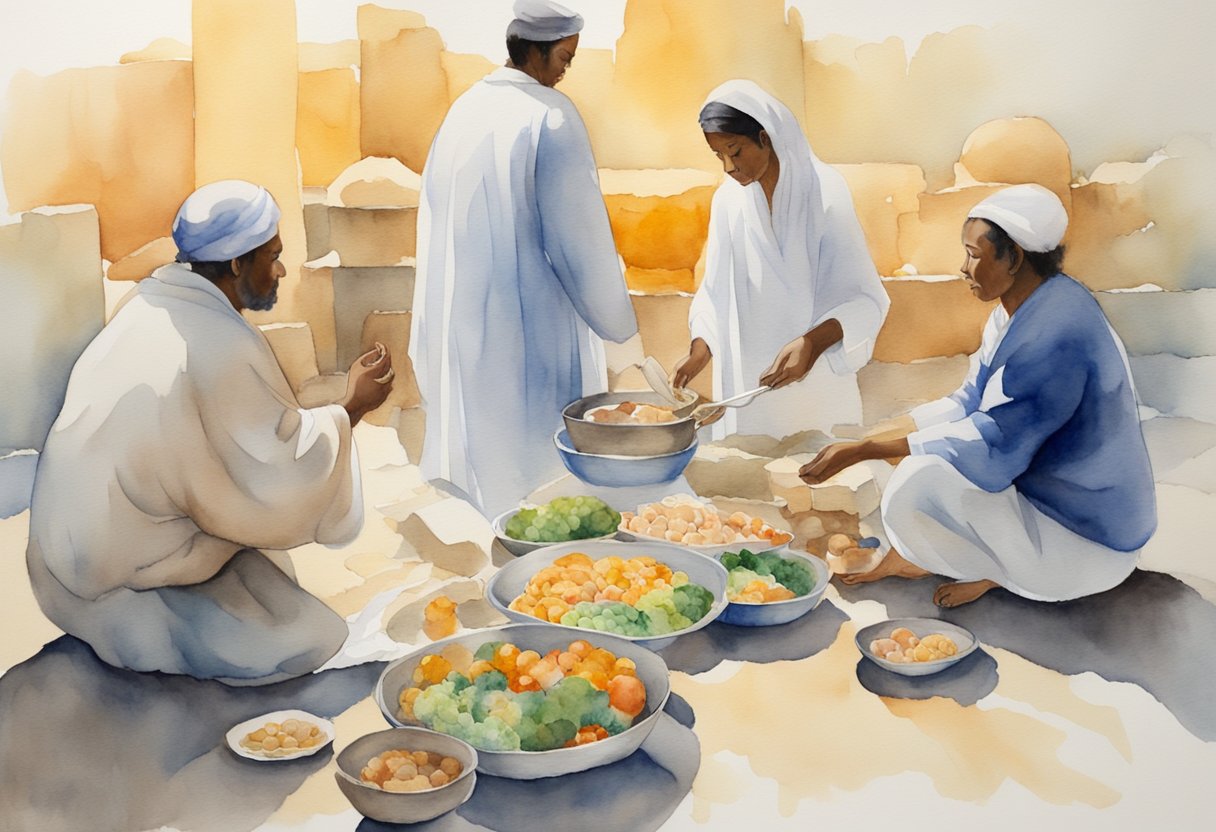

Jesus set the ultimate example of servant leadership, demonstrating that true leadership comes from serving others with love and compassion. Many church leaders today strive to follow his example, aiming to create environments where everyone feels valued and empowered. This approach not only strengthens the church community but also reflects the core message of the Gospel.
As the church navigates modern challenges, the need for servant leaders becomes more vital. They are called to guide their communities with integrity and care, cultivating a legacy that emphasizes service and support. This commitment can lead to transformative impacts, fostering a vibrant and connected faith community.
Key Takeaways
- Servant leadership is about prioritizing the needs of others in the church.
- Jesus’ example serves as a guiding model for church leaders today.
- Effective church leadership builds strong and supportive communities.
Biblical Foundations of Christian Leadership

Christian leadership finds its roots deeply embedded in the Bible. Key teachings emphasize servant leadership, showcasing the importance of humility, service, and guidance in ministry. These principles are illustrated through the life of Jesus, the writings of the apostles, and various Old Testament figures.
Jesus Christ as the Model for Servant Leadership
Jesus exemplifies servant leadership throughout His ministry. He did not seek power or prestige but chose to serve others. He washed the feet of His disciples, teaching humility and the value of service (John 13:1-17).
His sacrifice on the cross embodies the essence of servant leadership. Jesus stated, “For even the Son of Man did not come to be served, but to serve” (Mark 10:45).
Through His actions, He established a model for all leaders in the Kingdom of God, urging them to prioritize others’ needs above their own.
Teachings of the Apostles on Leadership
The apostles carried forward Jesus’ teachings, emphasizing leadership rooted in service and love. In his letters, Paul encouraged leaders to lead with integrity and humility. He described church leaders as shepherds who should tend to their flock faithfully (1 Peter 5:1-4).


In addition, the apostle James highlighted the need for wisdom in leadership, stating that it comes from God (James 1:5). He reminded leaders to demonstrate their faith through their actions, balancing both faith and works.
These principles guide leaders today, stressing the importance of being servant-hearted in ministry.
Old Testament Examples of Leadership
The Old Testament provides several examples of effective leadership grounded in God’s principles. Figures like Moses and David showcased qualities essential for leading God’s people.
Moses exemplified humility and reliance on God, often seeking divine guidance before making decisions. His leadership journey highlights the importance of prayer and listening to the Holy Spirit.

David’s rule as king was marked by his ability to unite and serve his people responsibly. He sought God’s will and led by example, which brought the nation closer to God’s kingdom.


Such figures demonstrate that biblical leadership is intertwined with a commitment to serve, trust, and follow God’s plan.
The Role and Qualities of Church Leaders
Church leaders play an essential role in guiding their communities with care and a focus on serving others. Their qualities reflect a commitment to humility, integrity, and a deep love for both God and people.
Identifying a Servant Leader
A servant leader is someone who prioritizes the needs of others above their own. They lead with purpose, focusing on empowering their community.
Characteristically, these leaders are approachable and demonstrate genuine concern for the well-being of their members.
To identify a servant leader, look for individuals who actively listen and seek feedback. They engage in meaningful conversations and encourage collaboration. Servant leaders often mentor others, helping them to grow both spiritually and personally. Their commitment to service is evident in every aspect of their leadership style.
Characteristics of Servant Leadership
Servant leadership is defined by several key characteristics. Humility is perhaps the most noteworthy. A servant leader recognizes that they are part of a larger community and values each individual’s contribution.
Integrity is also crucial. A leader known for being honest and reliable earns the trust of their followers. Additionally, they show empathy, taking the time to understand others’ perspectives and needs.
Other important traits include selflessness, active listening, and a passion for serving others. These qualities foster a supportive environment that enables everyone to thrive together.
Differences Between Servant and Self-Serving Leadership

The contrast between servant and self-serving leadership is stark. Servant leaders focus on the success and growth of their community, while self-serving leaders prioritize personal gain.
In a self-serving approach, decision-making may be influenced by ego and ambition. This can lead to a lack of trust and a disconnect within the community.
In contrast, servant leaders build strong relationships by being transparent and respectful.
While servant leaders empower others, self-serving leaders often create a culture of competition. This difference highlights how servant leadership promotes unity, whereas self-serving leadership can foster division.
The Practice of Servant Leadership in the Church

Servant leadership emphasizes the importance of serving others rather than seeking power. This approach builds strong communities and fosters a culture of care and respect. Key aspects include putting service before authority, being good stewards in leadership roles, and mentoring future leaders.
Putting Service Above Authority
In a church environment, focusing on service helps leaders prioritize the needs of the congregation. Rather than demanding respect based on authority, leaders are encouraged to earn it through their actions.
A servant leader listens and responds to the community’s needs. They recognize that their role is to uplift others, creating a supportive atmosphere.
By putting service first, church leaders set an example. This inspires congregation members to practice servanthood in their own lives. A culture of service leads to stronger connections within the church.
Stewardship in Leadership Roles
Stewardship means taking care of the church’s resources, including finances, facilities, and people. A servant leader is accountable for these resources, ensuring they are used wisely and effectively.

Good stewardship also includes nurturing relationships within the church. Leaders should create opportunities for members to engage and contribute.
For instance, organizing community service projects allows everyone to participate and thrive.
When leaders practice stewardship, they build trust within the congregation. People feel valued and important, leading to greater commitment and support for church initiatives.
Mentoring and Developing Future Leaders
Mentoring future leaders is vital for church growth and sustainability. Servant leaders are responsible for identifying and nurturing talent within the congregation.
This involves providing guidance, resources, and opportunities for learning. Leaders can set up mentorship programs where experienced members can support newer ones.

Such programs foster personal growth and deepen faith.
By investing in future leaders, churches ensure a pipeline of dedicated individuals. This strengthens the community and encourages a lasting commitment to the church’s mission.
Impacts of Servant Leadership in Christian Communities
Servant leadership brings significant changes to Christian communities. It shapes how members interact with each other and deepens their faith. The presence of genuine servanthood influences relationships and fosters a supportive environment.
Fostering a Culture of Service
In communities led by servant leaders, a strong culture of service flourishes. These leaders model humility and support, encouraging others to act similarly.

Members often engage in volunteer work, helping those in need within and outside the church.
This culture promotes teamwork and collaboration. Members feel valued and are more likely to contribute their time and skills.
When they see leaders serving selflessly, they feel inspired to do the same. This can lead to increased participation in church activities and outreach programs, strengthening community bonds.
The Influence of Christian Leaders on Individual and Community Faith
Christian leaders who practice servant leadership have a notable impact on faith. They inspire trust and respect among their followers.
When leaders prioritize the needs of others, it cultivates a faith that is active and engaged.

Individuals often report a deeper personal faith when encouraged by their leaders.
This influence can strengthen their relationship with God and motivate them to grow spiritually.
Overall, community faith thrives as everyone works together, sharing their experiences and supporting each other.
Success Metrics for Servant Leadership
Measuring success in servant leadership can be challenging but crucial. Key metrics include engagement levels, volunteer hours, and community feedback.
Increased participation in service activities usually indicates a thriving culture of servanthood.

Another metric is personal growth within the congregation. Many leaders seek feedback from community members to assess their impact.
Surveys can help gauge how members feel about the leadership style and its effects. A successful servant leader promotes not only their growth but also that of the entire community.
Challenges and Responsibilities
Leading in a church setting comes with unique challenges. Leaders must balance power, navigate ethical dilemmas, and commit to servanthood. These responsibilities require integrity and a willingness to sacrifice for the greater good.
Navigating Power Dynamics in the Church
Power dynamics can be tricky in any organization, especially in a church. Leaders often hold authority, but they must ensure their power is not misused.

It is important for leaders to approach their roles with humility.
They should encourage open communication within the community. This fosters trust and helps in understanding various perspectives.
Leaders should also be aware of the influence they carry. Striving for transparency can help prevent misunderstandings and conflicts.
Ethical Dilemmas and Integrity in Leadership
Ethical dilemmas often arise in church leadership. Leaders may face situations where values or beliefs clash with personal interests.
Maintaining integrity is vital when making decisions that affect the community.
Leaders should prioritize honesty and fairness. They should consult scripture and seek guidance from trusted mentors when unsure of the right course of action.
By doing so, leaders can navigate difficult choices while remaining true to their responsibilities and the mission of the church.
The Call to Sacrifice and Servanthood
Servanthood is at the core of Christian leadership. Leaders are called to put the needs of others before their own.
This often means making personal sacrifices for the good of their community.
Leaders may need to dedicate time and resources beyond what they originally planned. This could involve volunteering for extra duties or offering support during challenging times.
Embracing a servant mentality can inspire others to do the same, creating a culture of support and kindness within the church.
Ordained Servants of the Church: Deacons and Elders
Deacons and elders play vital roles in leading the church community. Understanding their Biblical origins and responsibilities helps clarify their importance.
Biblical Origins of Deacons and Elders
The roles of deacons and elders can be traced back to early church practices. Deacons were first mentioned in the Book of Acts, where they were chosen to assist the apostles. Their main purpose was to serve the community, allowing the apostles to focus on prayer and teaching.
Elders, on the other hand, were appointed to lead and provide spiritual guidance. They were seen as overseers of church doctrine and practice, ensuring that the message of Jesus was faithfully upheld.
The Role of Deacons in Today’s Church
In modern churches, deacons serve as caregivers and facilitators. Their responsibilities often include helping those in need, organizing community outreach, and assisting with church events.
Deacons act as a bridge between the congregation and the church leadership. They ensure that practical needs are met, allowing the church to function smoothly. This service reflects their commitment to embodying the teachings of Jesus.
Eldership and Oversight Responsibilities
Elders have significant oversight responsibilities in the church. They are often tasked with teaching, providing spiritual direction, and ensuring accountability among church members.
Elders guide discussions regarding church policy and help resolve conflicts within the congregation. Their leadership is rooted in the desire to foster spiritual growth and a healthy church environment. Elders are called to support deacons in their mission, creating a united front for effective church leadership.
Cultivating a Legacy of Servant Leadership

Creating a lasting impact through servant leadership in the church involves thoughtful planning and nurturing the next generation of leaders. It requires a focus on succession planning, empowering future leaders, and continuing the principles of servant leadership.
Succession Planning for Sustained Ministry
Succession planning is essential for the future of any church. It ensures that leadership transitions are smooth and that the church remains focused on its mission.
Key Steps:
- Identify potential leaders within the congregation who exhibit servant qualities.
- Provide mentorship opportunities for these individuals to develop their skills.
- Create a clear leadership pathway that guides them toward service roles.
This planning lays the groundwork for sustained ministry, allowing the church to thrive even as leaders change.
Empowering the Next Generation of Christian Leaders
Empowering young leaders is vital to maintaining a thriving church community. They bring fresh ideas and energy, which can breathe new life into the church’s mission.
Ways to Empower:
- Offer leadership training programs focusing on servant leadership principles.
- Create volunteer opportunities that allow young people to take responsibility and lead initiatives.
- Encourage participation in decision-making processes to make them feel valued.
By investing in their growth, the church cultivates a new generation of compassionate and effective leaders.
Continuing the Servant Leadership Movement
The servant leadership movement emphasizes the importance of serving others. This approach should be a continual practice within the church.
To Maintain Momentum:
- Organize workshops and discussions centered around the core values of servant leadership.
- Highlight stories of successful servant leaders within the church to inspire others.
- Foster a culture of empathy and service in everyday activities.
By prioritizing these actions, the church can ensure that the servant leadership legacy remains strong for years to come.
