
Loneliness can feel overwhelming, especially for those seeking connection in their Christian faith. In a world that often fosters isolation, it is crucial for believers to recognize that community is a vital part of their spiritual journey.
The Christian response to loneliness involves actively finding support in the body of Christ. Here, relationships can thrive through shared faith and love.


Through Jesus, individuals are reminded that they are not alone. He offers comfort and hope, guiding believers towards meaningful connections with others. By nurturing relationships within the Christian community, they can find strength and encouragement during life’s challenges.

Building a support network within faith circles can significantly reduce feelings of loneliness. Practical steps like forming small groups or engaging in fellowship activities can help individuals grow together in their relationship with God and each other.
Key Takeaways
- Community plays a key role in easing feelings of loneliness.
- Deepen faith through relationships with others in Christ.
- Finding comfort in Scripture strengthens connections during tough times.
Understanding Loneliness in a Christian Context
Loneliness is a common struggle for many Christians, even those who are deeply rooted in their faith. It can arise from personal trials, feelings of isolation, and the demands of life. The Bible provides examples and insights that highlight this experience.
Biblical Figures and Their Struggles with Loneliness
Many biblical figures faced loneliness amid their journeys. David often expressed his feelings of isolation in the Psalms. He cried out during times of suffering and sought comfort in God’s presence. His lament reflects a heartfelt connection to God, even when feeling alone.
Another example is Elijah, who experienced deep despair after a significant victory. After confronting the prophets of Baal, he fled into the wilderness, feeling utterly alone. In this moment of vulnerability, God reassured him of His presence and purpose. These stories remind believers that loneliness can lead to seeking deeper connections with God.
Theological Perspectives on Isolation and Suffering
Theological views on loneliness acknowledge it as a part of the human experience. Suffering may arise from various trials, yet it also offers opportunities for growth. God uses these moments to draw people closer to Him.


Many Christians find that prayer and scripture provide a way to navigate feelings of isolation. Through these means, individuals can find strength and solace.
Furthermore, community plays a crucial role in addressing loneliness. Mutual support among believers fosters connection and reminds them they are not alone in their struggles. By coming together, they can reflect God’s love and compassion in each other’s lives.
The Role of Community in Alleviating Loneliness
Community plays a crucial role in helping individuals overcome feelings of loneliness. Within a church setting, relationships can thrive, providing support and belonging that many seek. Connections formed in the body of Christ can create a network of friendship that helps alleviate isolation.
The Church as a Source of Belonging

The church serves as a welcoming space where individuals can find a sense of belonging. People come together to worship, share beliefs, and grow in their faith. This environment fosters connections among members, creating friendships that can last a lifetime.




When individuals engage in church activities, they often discover common interests. These shared experiences help build relationships that help alleviate loneliness.
Whether through volunteering, bible study, or social gatherings, the church provides opportunities to connect with others.
In addition, being part of a church community encourages accountability and support. Members can rely on one another during difficult times, strengthening their bonds and affirming their shared faith.
The Importance of Fellowship and Support
Fellowship is essential in combating loneliness. Regular gatherings allow individuals to interact, share their lives, and encourage one another. These deeper relationships form a safety net where people feel valued and understood.
Support from fellow church members can take many forms. Simple acts like a friendly hello, shared meals, or praying together can have a profound impact. When individuals feel supported by their community, they are less likely to succumb to feelings of isolation.
Friendship and fellowship within the church encourage spiritual growth. As individuals connect with others, they learn to navigate life’s challenges together. This mutual support encourages strong relationships that help alleviate loneliness and promote a sense of belonging.
Developing Intimate Relationships Through Christ

Creating deep connections among believers is vital for a healthy Christian community. Intimacy is fostered through shared experiences of faith and love, helping individuals feel both supported and encouraged. Two key elements in developing these relationships are prayer and trust.
The Power of Prayer and Shared Faith
Prayer serves as a strong foundation for building intimate relationships. When individuals pray together, they connect on a deeper level. Sharing personal prayers can lead to greater understanding and empathy.

In a group setting, praying for each other encourages a sense of unity. This shared experience of bringing needs and thanks before God strengthens bonds. It allows them to witness God’s work in each other’s lives, reinforcing their faith together.
Believers are encouraged to lift each other up in both joyful and challenging times. This creates an atmosphere of support. Praying regularly can transform a casual relationship into one filled with love and trust, as individuals become more open and vulnerable.
Building Trust and Intimacy within the Church Community
To build trust, it is essential to create safe spaces within the church. Individuals need to know their thoughts and feelings will be respected. This can be achieved through transparency and active listening.
Moreover, small groups can be a great way to develop intimacy. By sharing stories and experiences, members can see God’s presence in each other’s lives. This not only encourages relationships but also fosters a collective faith.
Regular fellowship activities, like potlucks or retreats, provide opportunities for deeper connections. People can engage in meaningful discussions that strengthen trust.

As they grow closer, they are more likely to support each other in both prayer and daily life.
Finding Hope and Comfort in Scripture
In moments of loneliness, turning to Scripture can provide true hope and comfort. The Bible offers many promises and teachings that remind believers of God’s constant presence and love.
Promises of God’s Presence and Love
The Bible is filled with promises about God’s unwavering presence. One key verse is Hebrews 13:5, where God assures, “I will never leave you nor forsake you.” This promise brings comfort during lonely times.
Moreover, in Psalm 34:18, it states, “The Lord is near to the brokenhearted.” This emphasizes that God’s love surrounds those who are hurting.

Believers can find hope in knowing that God’s grace and peace are always available. When facing loneliness, remembering these promises can lighten the heart and provide strength.
Learning from Biblical Teachings on Handling Loneliness
Biblical characters offer valuable lessons on dealing with loneliness. For example, in the book of Psalms, David often expressed his feelings of isolation but also called on God for comfort and deliverance.
In 2 Timothy 4:16-17, Paul shares how he felt abandoned yet found strength in Christ. This teaches that reaching out to God can ease feelings of loneliness.
Additionally, Jesus’ time in solitude shows the importance of spending time alone with God. He sought peace and strength through prayer. Learning these teachings can encourage believers to embrace their loneliness, finding solace in God’s love and presence.
Navigating Life’s Seasons with God
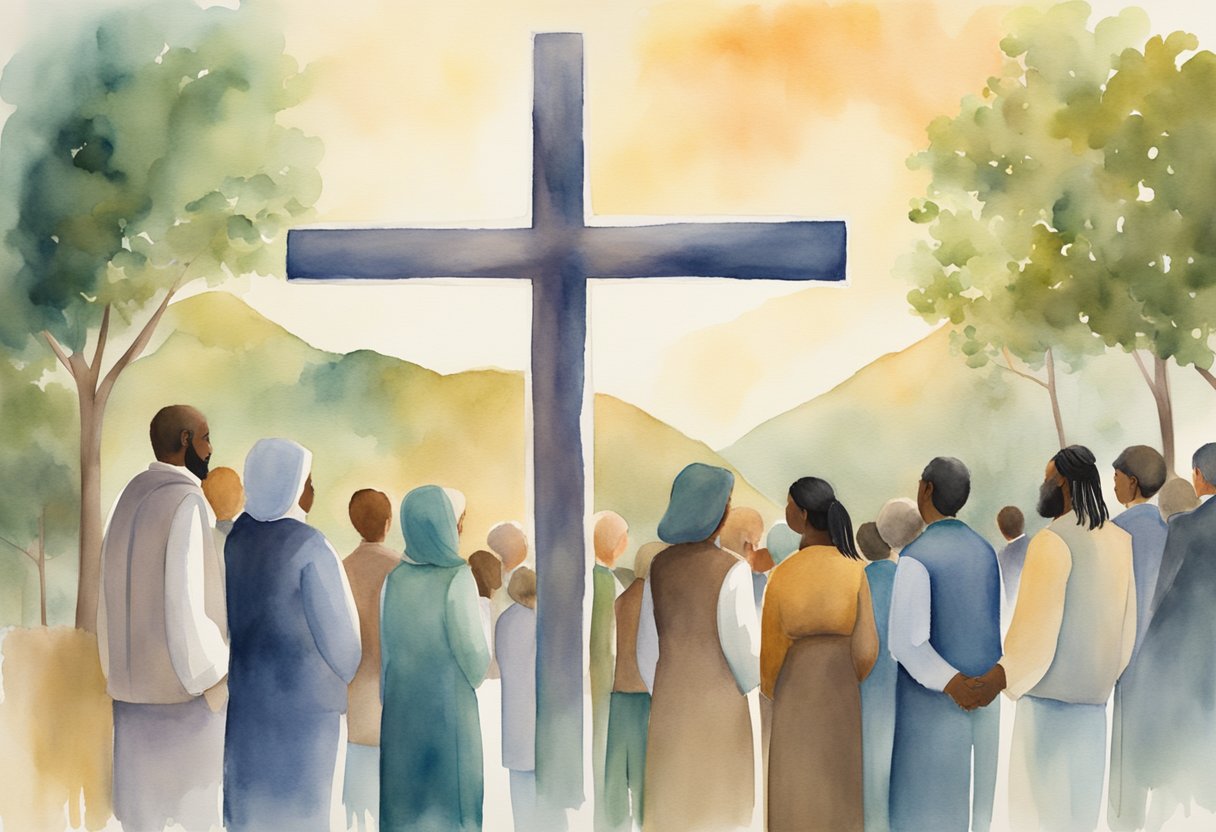

Life brings various seasons that can lead to feelings of loneliness, such as empty nesting or widowhood. Through faith, individuals can find comfort and community in these challenging times. God’s presence and the support of fellow believers play vital roles in navigating these changes.
Coping with Empty Nest and Widowhood
Empty nest syndrome occurs when children leave home, leading to altered family dynamics. Parents may feel loss and loneliness as they adjust to a quieter home. This time can be an opportunity for growth in one’s relationship with God.
Suggestions for coping:
- Seek new hobbies: Engaging in activities like gardening or reading can provide distraction and fulfillment.
- Reconnect with friends: Social connections can offer companionship and understanding.
- Volunteer: Serving others can create a sense of purpose and build community.
Widowhood brings its own set of challenges, often leading to deep loneliness. As a child of God, one can seek comfort in prayer and scripture.
Action steps include:
- Join a support group: Connecting with others in similar situations can foster solidarity and healing.
- Lean on faith: Embrace the teachings of God’s love and presence during tough times.
- Maintain routine: Keeping a daily schedule can add stability to life’s unpredictability.
Overcoming Social Isolation with Faith

Social isolation can affect anyone, especially those who are alone or dealing with significant life changes. Individuals may feel disconnected from friends and family, leading to a sense of loneliness.
To combat this, one can pray for guidance and support.
Helpful strategies:
- Participate in church activities: Engaging in community worship can form new bonds.
- Utilize online resources: Many churches offer virtual groups to stay connected.
- Reach out: Initiate contact with friends or family, even with a simple text or call.
Building relationships can help individuals recognize they are not alone. God encourages community among His followers, reminding them that they are all children of God, deserving of love and connection.
Practical Steps to Building a Christian Support Network

Creating a strong Christian support network can help ease feelings of loneliness and isolation. Engaging with others in faith opens doors to meaningful relationships and opportunities to grow together in Christ.
Joining Small Groups for Personal Growth and Connection
Small groups are excellent for building fellowship and support within the church. They offer a more intimate setting where individuals can share personal experiences, build friendships, and pray together. This fosters trust and strengthens relationships among members.
In small groups, participants explore the Bible and discuss its teachings. This helps them grow spiritually and encourages open conversations about struggles and victories. Many find that sharing their stories enhances their sense of belonging.
To find a small group, she can check the church bulletin or website. Joining is usually straightforward. They can often start with a group that aligns with personal interests or life stages, making it easier to connect.
Volunteering and Serving: Giving as a Path to Receiving
Volunteering is another practical way to build a Christian support network. When individuals serve together, they strengthen their bonds through shared experiences. This shared purpose can lead to genuine friendships.

Serving in church events, community outreach, or mission trips helps her connect with others. These activities often create a sense of accomplishment and solidarity, which furthers support networks. By giving back, she can receive encouragement and build relationships.
Engaging with others while serving allows her to witness God’s work in different ways. It deepens her faith and reminds her she is part of a larger community. There are often many opportunities available, so she can choose what resonates most with her.
Personal Growth Through Adversity and Reliance on God
Facing trials can lead to personal growth and strengthen one’s reliance on God. Trusting in Him during hard times fosters healing and faithfulness, allowing individuals to navigate their struggles with hope.
Embracing Trials as Opportunities for Growth
When challenges arise, they can feel overwhelming. However, by embracing these moments, individuals can see them as chances to grow. Each trial can teach important lessons about patience, resilience, and sacrifice.

Focusing on faithfulness helps maintain a positive outlook. It encourages trust that God is present even during the hardest times. As they confront difficulties, people may discover strengths they never knew they had. This journey is not just about overcoming adversity; it’s about personal transformation and deeper faith.
The Journey from Despair to Healing with God’s Help
Despair can be incredibly isolating. Yet, in these moments, turning to God can offer a path to healing. He invites everyone to bring their struggles to Him, promising that they will not face their trials alone.
Through prayer and meditation, individuals find comfort and clarity. They learn that reliance on God brings peace amid chaos. By trusting Him, they can navigate their pain and work toward healing.
This journey may require time and patience. Yet, with faith, they can transform their experience of suffering into a powerful testimony of hope and restoration.
The Foundations of a God-Centered Marriage and Family

A God-centered marriage and family provides a loving environment that strengthens relationships and reflects God’s love. It emphasizes how families can navigate challenges together and how they can be examples of God’s faithfulness.
Navigating Relationship Challenges with God’s Guidance
Every marriage faces challenges. Without guidance, these obstacles can threaten the bond between partners. Seeking God’s wisdom is crucial.
Couples can turn to prayer and scripture for support. This allows them to remember their commitment to each other. Regular communication is also important. Sharing feelings helps avoid misunderstandings.
Practical steps include:
- Setting aside time for prayer together.
- Attending Bible studies or church events.
- Seeking counsel from trusted leaders or mentors.
These actions reinforce their relationship and help them align with God’s teachings.
The Role of Family as a Reflection of God’s Love
Families serve as a reflection of God’s love. Each member plays a unique role in demonstrating kindness, patience, and understanding.
Parents are called to nurture their children in His ways. This means teaching them about love and respect.
Children learn not just from words but from how parents interact.
Examples include:
- Showing forgiveness during disagreements.
- Creating a home filled with joy and support.
- Encouraging open discussions about faith and values.
When families operate this way, they become a strong community. They not only support each other but also share God’s love with others.
