Campus ministry plays a vital role in reaching college students and fostering their spiritual growth.
By actively engaging students in meaningful relationships and outreach efforts, campus ministries can create a supportive community that nurtures faith and encourages discipleship. This environment not only helps students deepen their beliefs but also equips them to share their faith with others.

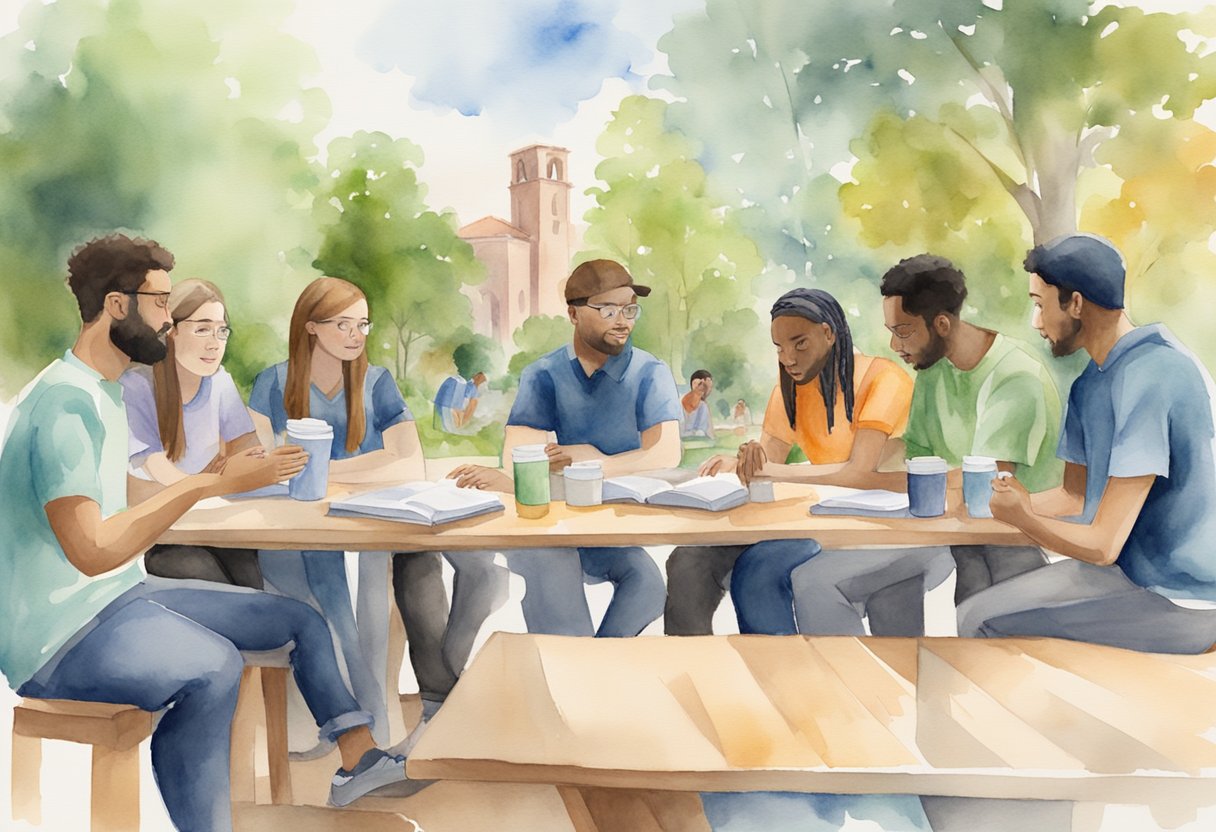
Many campus ministries focus on building connections through fellowship and activities that resonate with students’ interests. They serve as a bridge between students and the local church, fostering a sense of belonging while instilling a passion for outreach and community service.

As they navigate the challenges of college life, students benefit from guidance and support in their spiritual journeys.
Through innovation and collaboration, campus ministries adapt to meet the unique needs of students today. This responsiveness can strengthen outreach initiatives, making a lasting impact in their communities. Understanding the landscape of campus ministry is essential for effectively reaching and engaging this generation of college students.
Key Takeaways
- Campus ministries focus on building strong relationships and community.
- They support students’ spiritual growth through outreach and discipleship.
- Adapting to students’ needs enhances engagement and impact.
Understanding Campus Ministry
Campus ministry plays an important role in reaching and connecting with students. It bridges the gap between faith and everyday student life while emphasizing the need for local church involvement and community support in nurturing spiritual growth.
The Role of Campus Ministries
Campus ministries provide a vital space for students to explore their faith while balancing academic pressures. These ministries create a welcoming environment where students can build supportive networks.
Activities often include Bible studies, worship services, and community service events. Students find encouragement from peers and leaders who share similar beliefs. Campus ministries also engage in outreach efforts, inviting students from various backgrounds to understand their faith better.


Furthermore, they serve as a platform for students to grow in leadership. Many campus ministries offer training programs, helping students develop skills to serve their communities and churches. This empowerment can lead to lasting impacts both on campus and beyond.
The Vitality of Church Involvement
The local church plays a key role in the success of campus ministries. By partnering with these ministries, churches can provide resources, mentorship, and guidance.
Church involvement creates a stronger sense of community that extends beyond campus life. It allows students to stay connected to their faith even after graduation.
Many campus ministries work closely with local churches to organize joint events, missions, and retreats. These collaborations help students build relationships with church members, fostering lifelong connections. In return, churches benefit from the fresh perspectives and energy that students bring.

An active partnership between campus ministries and local churches nurtures a vibrant faith community, ensuring that students feel supported during their educational journey.




Building Relationships and Fellowship
Building strong relationships and fostering fellowship are key for campus ministry. These elements help create a sense of community among students. When people connect on a deeper level, they often grow in their faith together.
Cultivating Friendships on Campus
Friendships form the backbone of a thriving campus ministry. Students often seek connections with peers who share their beliefs. Friendships can lead to support systems and opportunities for growth.
To cultivate friendships, students should engage in regular social activities. This can include group outings, study sessions, or game nights. Creating an inviting atmosphere encourages others to join in.
Using social media also helps students stay connected. They can share events, prayer requests, and personal milestones. This constant communication deepens friendships and reinforces a sense of community.
The Importance of Small Groups
Small groups are vital in campus ministry. They offer a more intimate setting for discussion and growth compared to larger gatherings.
In these groups, students can share their experiences and support one another.
Meeting weekly or bi-weekly in small groups promotes consistent fellowship. Activities such as Bible studies and prayer meetings allow deep connections to form. Each member feels valued and heard, building trust within the group.
Small groups can also address specific topics, such as faith challenges or personal struggles. This targeted focus helps participants engage more deeply and find solutions together. Ultimately, these groups nurture a strong, supportive community among students.
Spiritual Growth and Discipleship

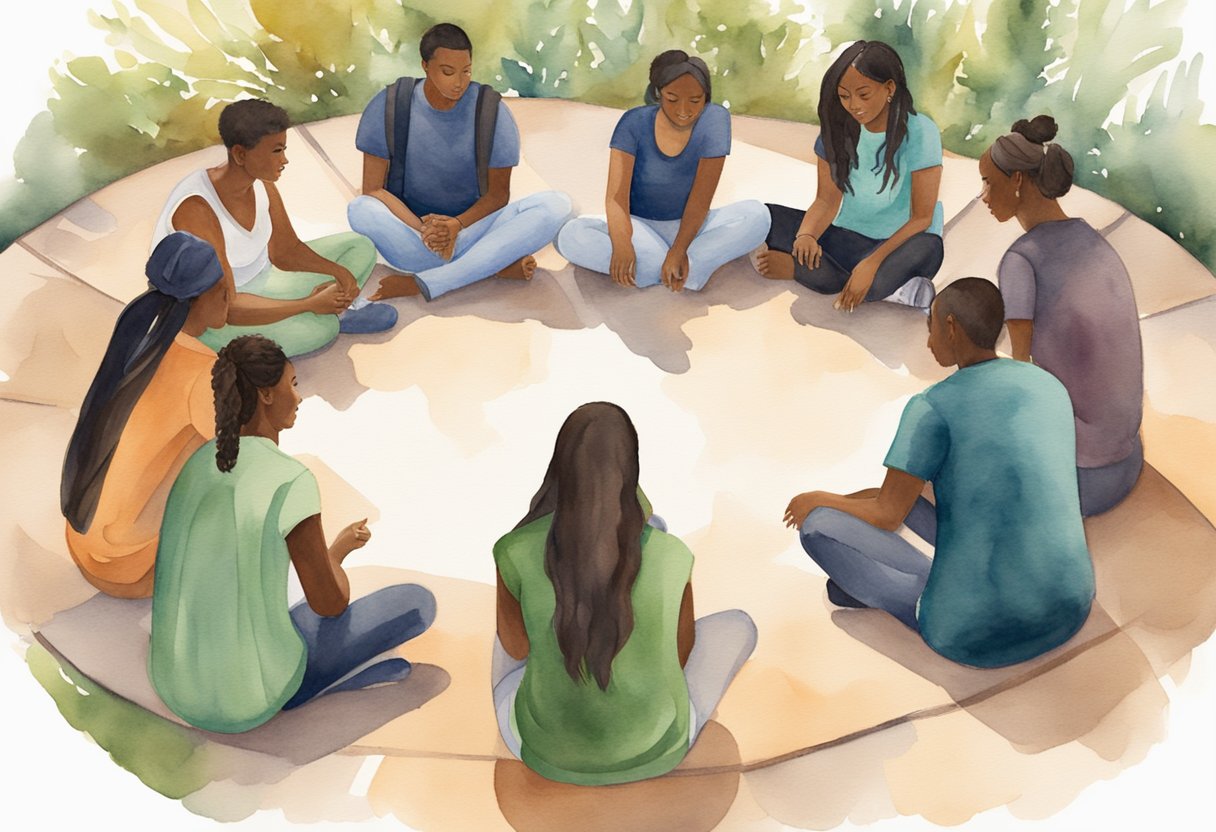
Spiritual growth and discipleship are vital aspects of campus ministry. They help students deepen their faith and learn to live as Christ teaches. Engaging in Bible studies and prayer groups can strongly support these goals, while fostering a culture of discipleship encourages lasting relationships and accountability within the community.
Organizing Bible Studies and Prayer Groups
Organizing regular Bible studies is a great way to promote spiritual growth. These gatherings allow students to explore scripture together, share insights, and ask questions in a safe environment.
Weekly Meetings: Scheduling weekly meetings helps establish a routine. Students can plan around this consistent time, making it easier to attend.
Discussion Guides: Using discussion guides can keep conversations focused and meaningful. It allows participants to dive deeper into specific passages.
Prayer groups complement Bible studies by encouraging students to connect with God and each other.
Focused Prayer: Having designated prayer topics can guide discussions. It can range from personal needs to wider community concerns.
Sharing Testimonies: Sharing personal experiences can strengthen bonds and encourage others in their faith.
Fostering a Culture of Discipleship
Creating a supportive environment for discipleship is essential for long-term growth. Encouraging students to mentor one another cultivates strong relationships.
Pairing Students: Pairing newer students with more experienced individuals facilitates personal growth. This mentoring relationship provides guidance and accountability.
Leadership Opportunities: Providing students with leadership roles, such as leading studies or prayer groups, builds confidence and investment in their faith journey.

Fostering a culture that celebrates growth makes students feel valued and connected to their campus community.
- Regular Feedback: Encouraging feedback helps identify areas for improvement. Regular check-ins can make students feel heard and adapt to their needs.
Outreach and Evangelism Initiatives
Engaging college students in outreach and evangelism is crucial for sharing Christ and spreading the Gospel. This involves both direct efforts on campus and participation in broader missions. These initiatives help students understand salvation and build a community of faith.
Sharing the Gospel on Campus
To effectively share the Gospel on campus, it’s important to build meaningful relationships with students. This can begin with casual conversations and open invitations to events. Engaging students in spiritual discussions helps create a welcoming environment.
Key methods include:
- Prayer Walks: Taking time to pray around campus for students, faculty, and staff can open doors for conversations.
- Campus Events: Hosting events or activities that draw in students creates opportunities to share the message of salvation.

Personal testimonies can powerfully illustrate the impact of faith. Students are often drawn to hear about real experiences, making the message more relatable.
Engaging in Global and Local Evangelism Efforts
Participation in both local and global missions is vital for outreach. These efforts not only expose students to different cultures but also emphasize the universal need for salvation.
Ways to get involved:
- Local Service Projects: Working in the community allows students to show love and care, embodying Christ’s teachings.
- Short-term Missions: Encouraging students to join mission trips gives them hands-on experience in sharing the Gospel worldwide.
These initiatives cultivate a spirit of service and compassion. They also help students understand the importance of sharing Christ beyond their immediate surroundings.
Practical Aspects of Campus Ministry

Effective campus ministry focuses on nurturing student leaders and using technology to engage with a wider audience. These practical aspects help create an inclusive environment that encourages student involvement and promotes faith on campus.
Developing Student Leaders
Building strong student leaders is essential for a vibrant campus ministry. Effective training programs can empower students to take charge. This may involve mentorship, workshops, or retreats.
Student leaders can help identify needs within their communities. They can plan events and activities that resonate with their peers. Developing skills like public speaking, organization, and conflict resolution can be beneficial.
Additionally, involving students in decision-making fosters a sense of belonging. When students feel invested, they are more likely to engage and invite others. This creates a ripple effect that can enhance campus outreach efforts.
Leveraging Technology and Social Media
In today’s digital world, technology is key in reaching students. Social media platforms like Instagram and Facebook can be used to share messages and promote events.

Creating engaging content is vital. This can include videos, live streams, or Q&A sessions. Engaging stories can inspire students and encourage them to participate.
Email newsletters are another effective tool. They keep students informed about upcoming events and provide spiritual resources.
Using apps and websites allows for smoother communication and organization. Students can easily RSVP for events or ask questions. By leveraging technology, campus ministries can build a community that thrives on connection and faith.
Partnerships and Networks

Building effective partnerships and networks is crucial for campus ministry. These collaborations help reach more students and create a stronger sense of community. By connecting with various organizations and local churches, campus ministries can foster support, resources, and shared goals.
Collaborating with Christian Organizations

Christian organizations play a vital role in reaching students on campuses. Groups like InterVarsity and Campus Crusade for Christ have established programs that empower student leaders. They offer training, resources, and events aimed at fostering spiritual growth.
By partnering with these organizations, campus ministries can access valuable tools and support. They can organize joint events, outreach programs, and Bible study groups, enhancing their impact. Programs like Reformed University Fellowship provide specialized support, focusing on specific theological perspectives, which can benefit targeted groups of students.
Forging Connections with the Local Church
Connecting with local churches is equally important for campus ministries. Churches can provide crucial resources, including volunteers, funding, and meeting spaces.
Collaborating with a local church can also help create mentorship programs linking students with community members.
These connections can foster a strong support system, where students feel integrated into the broader community. Many local churches are eager to invest in campus ministries like Christian Outreach, helping to reach students in meaningful ways.

By pooling resources and unique strengths, both the campus ministry and local church can thrive. This partnership can lead to increased participation and spiritual growth among students.
Seasonal and Cultural Engagements

Engaging with students during key seasonal events and navigating the college experience through faith are essential parts of campus ministry. These occasions provide opportunities to strengthen community bonds and support students as they grow in their faith.
Celebrating Christmas and Easter on Campus
Celebrating Christmas and Easter creates vibrant opportunities for students to come together. Events may include Christmas parties, candlelight services, and Easter egg hunts.
These activities help students connect with the true meaning of the holidays. They can explore traditions like Advent and Lent, while also participating in worship services.

Key Activities:
- Christmas Events: Caroling, gift exchanges, and serving at local shelters.
- Easter Celebrations: Sunrise services, community brunches, and outreach programs.
These festivities not only celebrate joy and hope but also invite students to engage in their faith.
Navigating College Experience Through Faith
The college experience can be challenging, and faith provides important guidance. Campus ministries offer support networks through Bible studies, mentorship programs, and small groups.
Students can find encouragement in developing friendships that reflect their values. Engaging with peers in faith-based discussions helps them grow spiritually.
Support Strategies:
- Weekly Meetings: Regular gatherings for prayer, worship, and reflection.
- Workshops: Sessions focused on managing stress, relationships, and academic pressures through a faith lens.
This engagement helps students navigate their college years with purpose and support, fostering a strong spiritual foundation.
Communication and Feedback
Strong communication and effective feedback are key to successful campus ministry. Engaging with stakeholders and the community helps identify needs and improve programs.
Listening actively fosters relationships that can enhance outreach efforts.
Effective Communication with Stakeholders
Ministry leaders should prioritize clear communication with students, faculty, and local churches.
Regular meetings and open forums can help gather insights. Utilizing tools like newsletters and social media enhances connections.
Tips for Effective Communication:
- Set Clear Goals: Outline the mission of the campus ministry.
- Be Accessible: Encourage questions and discussions.
- Provide Updates: Share event details and successes frequently.
Using varied communication channels ensures that everyone stays informed and involved. This two-way dialogue builds trust and solidifies relationships.
Adapting Through Community Feedback
Collecting feedback from the community is essential for effective ministry. Leaders can use surveys, group discussions, and suggestion boxes to understand needs and preferences.
Methods to Gather Feedback:
- Surveys: Ask specific questions about events and programs.
- Focus Groups: Gather small groups for detailed discussions.
- Regular Check-ins: Approach students informally to gauge their thoughts.
Managers can tailor programs to better serve their audience by adapting to the feedback received. This responsiveness fosters a supportive environment and strengthens community ties.