
When disaster strikes, many find themselves overwhelmed by the chaos around them. From a Christian perspective, there is a powerful call to respond with hope and faith. This shows that even in the darkest times, light can break through. This response is rooted in the belief that God offers strength and purpose. He helps individuals navigate the challenges that arise during crises. The teachings of Christianity encourage believers to not only find solace in their faith but also to extend that hope to others.
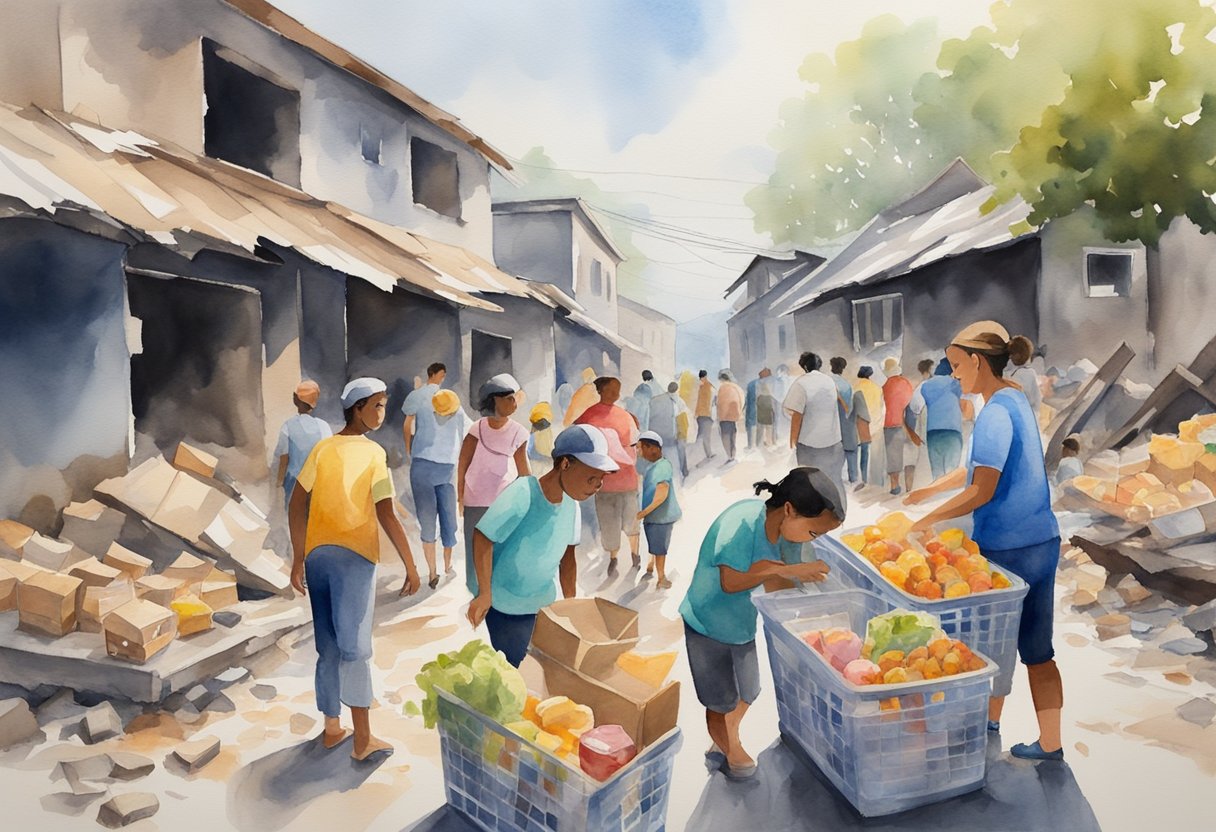

In moments of turmoil, the Christian community plays a vital role in disaster relief. By embracing their faith, they transform their challenges into opportunities for service and compassion. This perspective emphasizes that while disasters may test people, they also reveal the strength of community and the importance of helping one another. Hope in chaos becomes a guiding principle, reminding believers that they can bring comfort to others while deepening their own faith.
As Christians rise to the occasion, they embody the spirit of love and support that their faith promotes. They are called to act, to be the hands and feet of their beliefs in a world that often feels uncertain and broken. Engaging in disaster relief not only benefits those in need but also reinforces the transformative power of faith in action.
Key Takeaways
- Hope and faith are essential in responding to chaos.
- The Christian community plays a crucial role in providing support.
- Disaster relief strengthens bonds and deepens individual faith.
The Christian Worldview of Disasters

In the Christian worldview, disasters are often viewed through the lens of God’s sovereignty, the effects of sin, and historical examples of faith. This perspective helps believers find meaning and hope amidst chaos.
Understanding God’s Sovereignty
God’s sovereignty means He is in control of all things, including disasters. Many Christians believe that nothing happens outside of His knowledge or will. When disasters occur, they can serve as reminders of human dependence on God.
Believers often turn to scripture, such as Romans 8:28, which speaks of how God can work through all situations for good. This understanding brings comfort, allowing them to trust that God has a purpose, even if it isn’t immediately clear.
Sin and Its Impact on Creation
Sin has fostered brokenness in the world, impacting everything from relationships to the environment. According to Christian teachings, the fallen state of humanity led to creation’s suffering. This is evident in natural disasters, which reflect the consequences of sin.
The belief is that these events allow people to confront the reality of brokenness in their lives. It can also be a call to seek restoration, forgiveness, and healing through God’s grace. Christians see the impact of sin as a driving force behind their support for disaster relief efforts.


Historical Examples of Faith in Disaster
History provides examples of faith and resilience in the face of disaster. The story of Job is often referenced when discussing suffering. Job lost everything yet maintained his faith, demonstrating trust in God during his darkest hours.
Another notable example is the early Christians during calamities in the Roman Empire. They cared for the sick and poor, showcasing their faith in action. These instances highlight the Christian call to respond with compassion and service when disasters strike, affirming their belief in God’s loving presence even amidst suffering.
Biblical Foundations of Disaster Relief
The Christian perspective on disaster relief is deeply rooted in scripture. It emphasizes compassion, strength in times of trouble, and the active role of Jesus and the church in providing healing to those in need.
Scripture on God’s Compassion

The Bible consistently shows God’s compassion for those who suffer. In Psalm 34:18, it states, “The Lord is close to the brokenhearted and saves those who are crushed in spirit.” This verse highlights how God understands human pain.


Additionally, in Isaiah 41:10, God reassures believers, “Do not fear, for I am with you; do not be dismayed, for I am your God.” This reflects His commitment to comfort and support during difficult times.
By recognizing God’s compassion, individuals are encouraged to extend that same kindness to those affected by disasters.
Promises of Strength and Refuge
Many scriptures offer promises of strength and refuge during crises. In Psalm 46:1, it says, “God is our refuge and strength, an ever-present help in trouble.” This message reassures believers that they can rely on God when faced with calamities.
Moreover, Philippians 4:13 states, “I can do all things through Christ who strengthens me.” This verse empowers individuals to act and support others in times of need, emphasizing that their strength comes from their faith.
These promises encourage a proactive response to disasters, knowing help is available through God.
Jesus’ Response to the Suffering
Jesus set a powerful example in how to respond to suffering. When He encountered those in need, like the sick or the marginalized, He did not turn away. In Matthew 14:14, it records, “When Jesus saw the large crowd, He had compassion on them and healed their sick.”
His approach was always gentle and loving. This teaches believers to engage with compassion and support for those affected by disasters, following Christ’s example of giving hope and healing.
The actions of Jesus inspire Christians to serve others selflessly.
The Role of the Church in Healing
The church plays a crucial role in disaster relief and community healing. Galatians 6:2 encourages believers to “Carry each other’s burdens, and in this way, you will fulfill the law of Christ.” This underscores the community’s responsibility to support those in distress.

Churches can mobilize resources, offer prayers, and provide emotional support. They often serve as safe havens where individuals can find comfort during crises.
Through collective effort, the church can bring healing and hope to a hurting community. This reinforces the Christian calling to act with love in the face of disaster.
Hope Amidst the Chaos
In times of disaster and turmoil, finding hope can seem impossible. Yet, many people discover that faith can guide them through darkness and uncertainty. It is essential to look for ways to anchor oneself in hope, even when challenges arise.
Finding Hope in Despair
Despair can feel overwhelming, but individuals can find flickers of hope in the bleakest situations. Those who turn to scripture often find comfort in passages that speak of God’s love. For example, Psalm 42:11 encourages believers to put their hope in God.

Engaging in community support is another powerful way to combat despair. When friends and family come together, they share their burdens. This connection can inspire hope and a sense of belonging amid chaos.
The Power of Faith Over Fear
Fear is a natural response to crises, but faith can diminish its grip. Choosing to focus on what God has promised rather than what could go wrong can bring peace. Isaiah 41:10 reminds individuals that they are not alone: “Do not fear, for I am with you.”
In challenging moments, people often find strength from prayer and worship. Taking time for these practices can create a sense of calm and reassurance. It is through faith that many find the courage to face uncertainties with hope instead of fear.
Emmanuel in Times of Uncertainty
“Emmanuel” means “God with us.” This idea is especially comforting during uncertain times. Knowing that God is present can provide a solid foundation for those facing difficulties.
People often express that feeling connected to a higher power helps them cope with life’s unpredictability. When they reach out in prayer or community worship, they often sense God’s comforting presence. This connection is vital in finding hope amidst chaos and despair.
The Church’s Call to Disaster Relief

In times of disaster, the church is called to act with love, sacrifice, and support. Through prayer and community mobilization, believers can provide hope and help to those in need. This section explores the church’s role in disaster relief and the values that guide its actions.
Embodying Christ’s Love and Sacrifice
The church is called to embody Christ’s love during times of crisis. This means stepping forward with compassion and a willingness to sacrifice personal comforts. Acts of service, like providing food and shelter, reflect the heart of Jesus.
When church members volunteer in disaster-affected areas, they demonstrate selflessness. They bring not only practical assistance but also emotional support. This tangible love offers hope to those who are suffering. By showing up, the church manifests the love of Christ in real and powerful ways.
The Importance of Prayer and Support
Prayer is a vital part of disaster relief. It not only strengthens the faith of those affected but also unites the church community in purpose. When people come together in prayer, they create a supportive environment. This can be a source of hope during uncertain times.

The church can organize prayer meetings and encourage its members to pray for those affected. This collective prayer brings comfort and peace. Additionally, spiritual support through counseling and encouragement is essential. Offering both spiritual and emotional support is key to healing.
Mobilizing the Community of Believers
Disasters can create division; however, the church can mobilize believers to work together. This involves forming teams that can respond quickly. By organizing volunteers, the church can provide immediate assistance to those in need.
Efforts can include collecting supplies, organizing transportation, and providing logistical support. A unified community can reach out to surrounding neighborhoods to offer help. This shared responsibility fosters a connection and strengthens faith, showing that they are all in this together.
A Calling Beyond Borders
The call to help those in need often extends beyond local boundaries. Many churches feel a deep calling to respond to international disasters. This willingness to serve others can make a significant impact globally.
The church can partner with organizations that specialize in disaster relief. This collaboration allows for more extensive aid and resources. By doing so, believers can help thousands of people facing crisis situations, offering not just physical aid but also the message of hope and love.

In every act of kindness, there is an opportunity to share the transformative power of faith. The church’s response can change lives and demonstrate that love transcends boundaries.
Personal and Collective Actions
In times of disaster, both personal actions and community efforts play crucial roles in offering support and hope. Individuals can contribute to relief efforts while also finding personal growth through these experiences. Collective actions foster a spirit of kindness, creating a stronger response to challenges.
Individual Responsibility and Growth
Each person has a unique responsibility to act during crises. This may involve stepping up to help those in need or simply providing support to friends and family.
Taking initiative can lead to personal growth. By helping others, individuals often discover their strength and purpose. This experience can inspire them to continue supporting their communities long after the immediate disaster has passed.
Acts of Kindness and Solidarity

Small acts of kindness carry great weight during challenging times. Whether it is sharing food, offering a listening ear, or volunteering, these gestures build solidarity among people.
Communities that come together to support one another create a network of hope. Demonstrating empathy and compassion fosters a sense of belonging. This kind of environment empowers individuals to face challenges head-on, knowing they are not alone in their struggles.
Creating Sustainable Change for the Future
Disasters often highlight the need for systemic change. Individuals and communities can work together to create lasting solutions.
This could mean advocating for better preparedness plans or supporting organizations that provide resources during disasters.
Investing in sustainable practices helps reduce vulnerability in the face of future crises.

Fostering resilience in communities ensures that people are better equipped to handle unexpected challenges. Together, they can turn the burdens of disaster into opportunities for growth and lasting impact.
Navigating Trials with a Trusting Heart
In times of trouble, trust can be a guiding light for many. The journey through trials often reveals the importance of steadfast commitment to God and the power of testimony in shaping faith.
The Testimony of Witness in Hardship
When facing challenges, individuals often become witnesses to the strength of the human heart. Their stories of perseverance inspire others and demonstrate how faith can flourish in difficult times.
Each person’s journey is unique, but shared experiences create a community of support.

For example, many find comfort in the shared stories of loss and recovery. Meanwhile, small acts during crises can showcase the amazing resilience of faith-driven individuals.
These testimonies not only uplift the individual but also encourage others to face their trials with courage.
Covenant Trust Amidst Trials
Covenant trust is essential when navigating life’s storms. This trust reflects a commitment to God, promising to rely on His guidance and love even in the hardest moments.
Biblical examples, such as the stories of Job and David, illustrate how covenant trust helps maintain hope. They faced severe trials yet remained faithful to their beliefs.
In practice, individuals can cultivate this trust by:
- Prayer and Reflection: Staying connected to God through prayer helps maintain inner peace.
- Community Support: Engaging with others who share faith strengthens the bond of trust.
Trust is a foundation that can carry people through challenges.
Learning and Growing from Adversity
Trials often serve as crucial learning experiences for individuals. Adversity can lead to personal growth and deeper faith understanding.
Many discover that hardships refine character, much like gold is refined in fire. In facing difficulties, they learn valuable lessons about empathy and compassion.
They may also develop resilience by:
- Setting Goals: Turning obstacles into opportunities for growth helps maintain focus.
- Seeking Guidance: Connecting with mentors or faith leaders can provide insight and direction.
These experiences foster a deeper relationship with God and enhance the ability to tackle future challenges with confidence.
Theological Reflections on Nature’s Fury

Natural disasters often invite deep reflection on faith and meaning. Through stories and teachings, believers can find hope even in destruction. These narratives reveal insights about the relationship between humanity and divine purpose in chaotic times.
The Significance of Flood Narratives
Flood narratives, such as the story of Noah, carry profound meaning in Christian theology. They often represent God’s judgment on sin but also highlight His mercy.
In Genesis, the flood symbolizes a new beginning for humanity. It reveals that while God permits destruction, He also provides a path to salvation.
The rainbow serves as a promise, reminding believers of God’s covenant. This dual message of judgment and hope invites individuals to reflect on their lives and seek a renewed relationship with God, understanding that challenges can lead to transformation.
Annihilation and Renewal in Theology
The concept of annihilation in theological discussions often relates to the need for renewal. Disasters can lead to significant loss, but they also pave the way for new growth.
In biblical texts, destruction often precedes restoration. For instance, after the flood, those who survived were tasked with populating the Earth anew.
This cyclical pattern teaches that through suffering, there can be renewal. Faith communities view disasters as a call to action, encouraging them to rebuild lives and foster hope.
They stress that amid devastation, God offers a chance for fresh starts and deeper faith.
Righteousness and Redemption in Natural Disasters
Natural disasters prompt reflections on righteousness and redemption. They raise questions about moral accountability.
Some believe that calamities may arise as consequences of collective human actions. Yet, they also highlight God’s redemptive nature.
In times of crisis, communities often band together, embodying love and support. This unity can lead to acts of righteousness, showcasing compassion and service.
Moreover, faith in God during such trials can provide comfort and strength, promoting healing.
Disasters encourage believers to step forward, share their faith, and demonstrate that redemption is possible even in the face of chaos.
Educational Resources and Outreach
Learning about disaster preparedness and response can empower communities. Outreach efforts, especially from churches, can strengthen bonds and provide crucial support during challenging times. The right resources can lead to informed action and resilience.
Churches and Disaster Preparedness
Many churches take an active role in disaster preparedness. They often provide community training sessions that focus on emergency response techniques.
These events educate members on essential topics, like basic first aid, evacuation plans, and resource coordination.
Churches can also partner with local organizations to develop comprehensive disaster plans. This collaboration ensures that community members have access to supplies and assistance during crises.
Engaging the congregation in these efforts fosters a sense of unity. It emphasizes the importance of being ready and helping one another.
Podcasts and Sermons on Endurance and Recovery
Podcasts serve as excellent platforms to share insights on resilience and recovery. Many faith-based podcasts focus on the strength found in faith during tough times.
They often include interviews with survivors and experts who provide practical advice for facing disasters.
Sermons that focus on hope and endurance can inspire congregations to take action. They remind individuals that faith can provide comfort and guidance in crises.
Churches can promote these podcasts and share recordings of relevant sermons. This helps reach wider audiences and strengthens community support.
Fostering a Culture of Preparedness and Resilience
Creating a culture of preparedness involves ongoing education and community involvement.
Churches can sponsor workshops that teach skills such as emergency communication and basic survival training.
Incorporating these lessons into community activities makes learning engaging and practical. For example, hosting family preparedness nights allows church members to share resources and plan together.
Community projects can also encourage collective resilience. Organizing volunteering opportunities after a disaster helps individuals feel connected. It builds trust and strengthens relationships within the community. This supportive environment lays the groundwork for facing future challenges together.
Looking Forward with Renewed Purpose
As communities rebuild after disasters, a renewed sense of purpose emerges. Hope becomes a driving force for change and growth.
People may discover new ways to serve others. Volunteering locally or contributing to larger relief efforts becomes a source of strength.
Grief continues to be present, but it can now coexist with hope. Individuals learn that they are not alone. Many others are on the same path, creating bonds through shared experiences.
Faith often guides their future actions. It encourages them to pursue greater goals, whether helping their neighbors or addressing larger societal needs. Each step forward is a testament to resilience and belief in a brighter tomorrow.
