
Interfaith marriage presents unique challenges, especially for Christian couples. Navigating differences in beliefs can feel overwhelming, but understanding these dynamics can strengthen the relationship.
By prioritizing love, respect, and open communication, couples can create a harmonious home that honors both partners’ backgrounds.

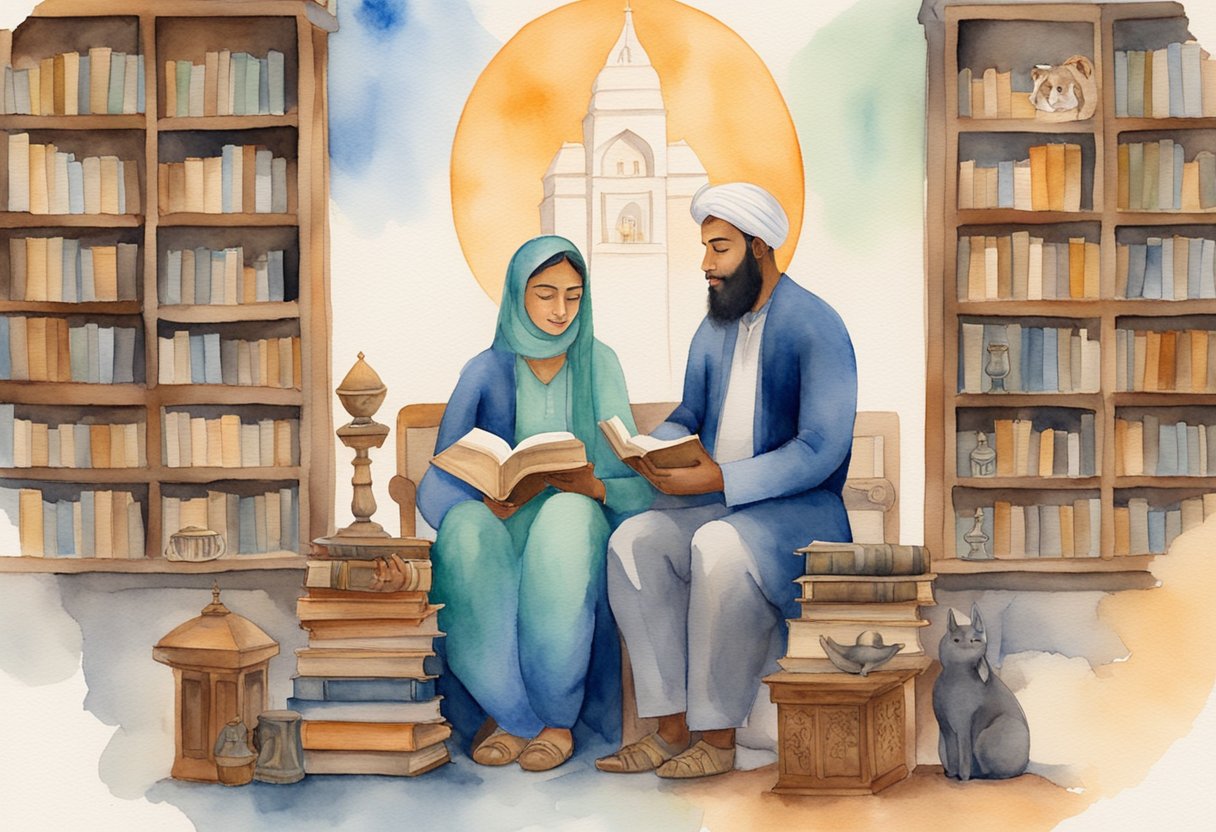
As they explore their faiths together, couples can also engage in meaningful discussions about values and traditions. This exchange not only enriches their bond but also promotes personal growth.

Overcoming misconceptions about interfaith unions can help them foster a deeper connection with one another.
Key Takeaways
- Couples should prioritize open communication to navigate their differences.
- Understanding each partner’s background can enhance the relationship’s foundation.
- Embracing diversity can lead to personal growth and a stronger marital bond.
Understanding Interfaith Marriage
Interfaith marriage involves partners from different religious backgrounds coming together. It can offer opportunities for growth and understanding, but it also presents unique challenges when it comes to beliefs and practices.
Defining Interfaith Marriage
Interfaith marriage occurs when two individuals from different religious traditions unite in marriage. This type of relationship often brings different belief systems into one household. For instance, one partner may practice Christianity while the other follows Judaism or Islam.
These differences can influence various aspects of life together, such as celebrations, parenting, and daily routines. Couples may need to discuss what religious practices to include or how to raise children. Open communication is crucial to address these issues respectfully.
History and Trends in Interfaith Marriages
Interfaith marriages have become more common over the years. Data shows a rise in these unions, especially in diverse societies. Many individuals are finding partners outside their religious groups.


In the past, interfaith marriages faced more social stigma and family resistance. Today, acceptance is growing as people value love and connection over strict adherence to beliefs. This trend reflects changes in societal values, where personal happiness is often prioritized.
Couples may still encounter challenges, such as navigating holiday traditions or family expectations. By fostering dialogue and mutual respect, many interfaith couples successfully merge their beliefs into a harmonious home life.
Religious and Spiritual Considerations
Navigating interfaith marriage involves important religious and spiritual aspects. Understanding theological perspectives and the importance of shared spirituality is key for couples on this journey.
Theological Perspectives on Interfaith Marriage

Many Christians turn to the teachings of the Apostle Paul when considering interfaith marriage. He advises against being “unequally yoked,” which means that marrying outside the faith can lead to challenges. His guidance suggests that differing beliefs may create conflict in a relationship.


For Christians, faith plays a crucial role in building a life together. Couples should discuss their beliefs openly, seeking ways to respect each other’s faith while strengthening their own. Open dialogue about spiritual practices, teachings, and values is essential.
Many faith leaders encourage couples to pray together, fostering unity. This shared spiritual practice can bring a deeper connection to each other and their faith, serving as a strong foundation for their marriage.
Importance of Shared Spirituality
Shared spirituality can significantly enhance an interfaith marriage. Couples who engage in spiritual discussions often find common ground, which helps deepen their bond. It’s crucial for both partners to feel valued in their beliefs.
Creating rituals that honor both faiths can also strengthen ties. For instance, they might celebrate each other’s holidays or have joint prayers that reflect both beliefs. These practices can create a sense of belonging and respect.
Moreover, recognizing that spirituality can evolve in marriage is vital. As life changes, so may spiritual needs. Keeping an open heart and a listening ear can help couples adapt together, nurturing their relationship.
Social and Family Dynamics
Navigating the social and family dynamics in interfaith marriages can be challenging yet rewarding. Couples often face unique situations, especially regarding family interactions and how they raise their children.
Easing Family Tensions
Family acceptance is crucial in interfaith relationships. It helps if the couple openly discusses their beliefs with their families. Communication can ease misunderstandings that may arise.
Strategies to reduce tensions:
- Set Boundaries: Clarify what topics are off-limits during family gatherings.
- Find Common Ground: Focus on shared values rather than differences.
- Involve Family Members: Encourage relatives to participate in family traditions, which helps foster inclusion.

By actively addressing family concerns, couples can create a more supportive environment for everyone involved. This approach also strengthens the relationship.
Raising Children in Interfaith Families
Choosing how to raise children in interfaith marriages involves careful consideration. Parents often want their children to appreciate both religions. This can be done in several ways:
- Open Dialogue: Encourage children to ask questions about their heritage.
- Celebrating Traditions: Involve children in both religious celebrations, such as Christmas and Hanukkah. This helps them connect with both sides of their family.
- Shared Values: Focus on common morals and ethics that transcend religious boundaries.
When parents work as a team, they model respect and understanding. This not only helps children navigate their unique identities but also strengthens family bonds.
Communication and Conflict Resolution
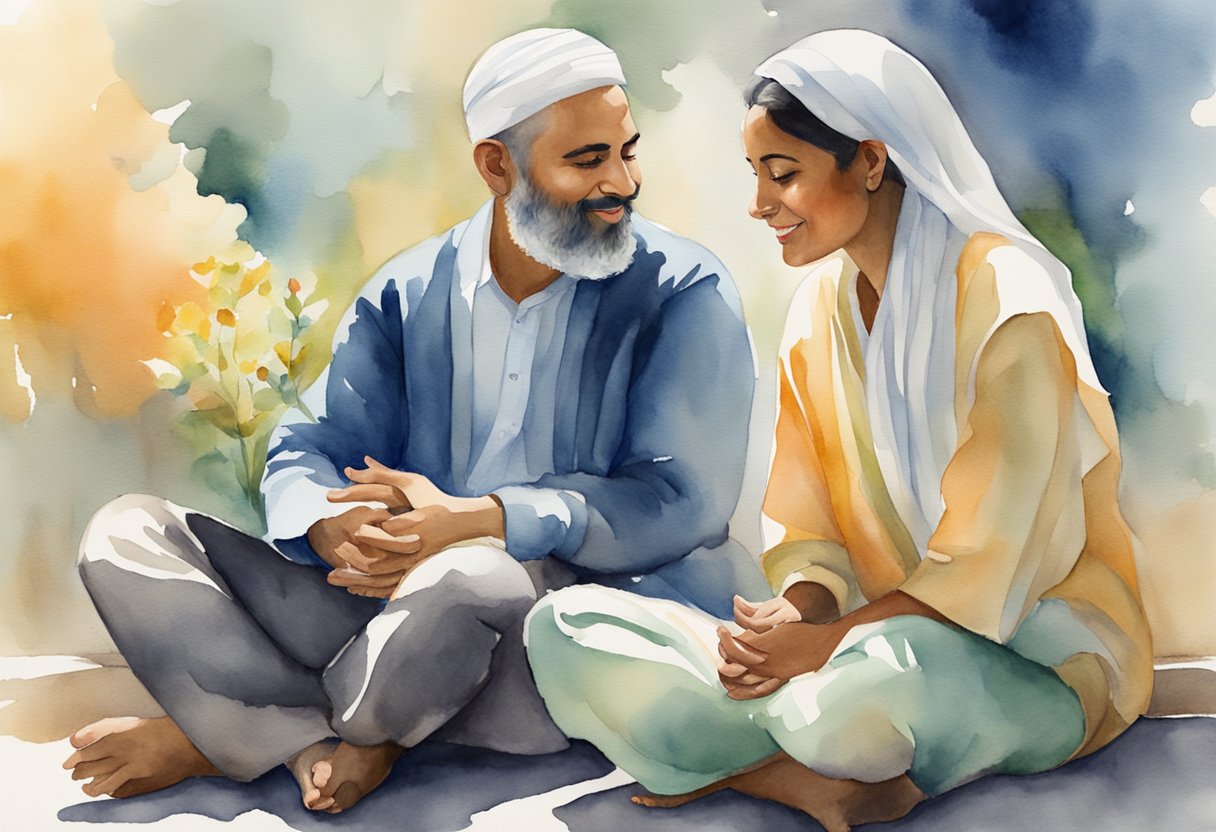
Effective communication is essential for interfaith couples. It helps them navigate their differences and understand each other better. By focusing on clear dialogue and openness, they can address conflicts in a healthy way.
The Role of Communication in Interfaith Relationships

Communication lays the foundation for a strong relationship. For interfaith couples, it is vital to discuss beliefs openly and honestly. This encourages understanding and reduces misunderstandings.
Listening is just as important as speaking. When one partner shares their perspective, the other should listen actively. This can lead to empathy, which is key to preventing marital dissatisfaction.
Tips for Effective Communication:
- Listen without interrupting.
- Use “I” statements to express feelings.
- Ask questions to clarify understanding.
These strategies can enhance discussions and help couples feel heard and valued.
Navigating Religious Differences
Navigating religious differences requires care and respect. Each partner’s faith is often deeply personal. Therefore, recognizing and honoring these beliefs can reduce tension.

Couples may face challenges during religious holidays or family gatherings. Discussing each person’s traditions ahead of time can help. Compromise may be necessary, allowing both partners to celebrate their beliefs.
Key Strategies for Addressing Differences:
- Find common ground in values.
- Agree on shared practices that respect both faiths.
- Establish boundaries regarding religious discussions.
This approach fosters understanding and solidifies the bond between partners, promoting harmony.
Cultural Exchange and Adaptation
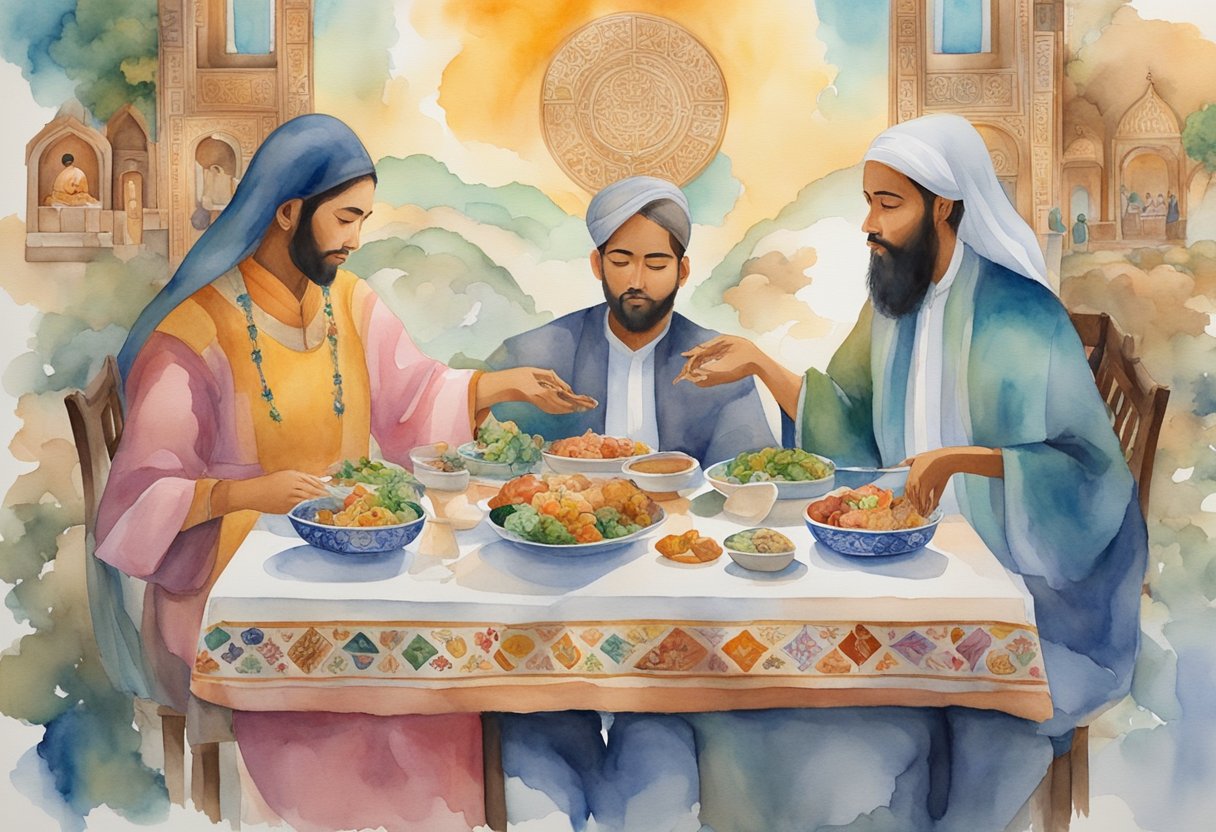
In interfaith relationships, cultural exchange and adaptation play a crucial role. Couples often blend their traditions, creating a rich tapestry of experiences that enhances their bond. Embracing each other’s backgrounds can lead to a healthier relationship and a deeper understanding of one another.
Celebrating Diversity in Relationships

Celebrating diversity is essential for interfaith couples. Each partner brings unique beliefs and practices, contributing to a vibrant family culture.
- Shared Celebrations: Couples might choose to honor both religious holidays. This could mean celebrating Christmas and Hanukkah or attending Diwali and Easter services.
- Respectful Dialogue: Open conversations about traditions allow for mutual respect and understanding. Each partner can share what certain practices mean to them.
These practices foster appreciation and help build a strong foundation for their relationship.
Integrating Different Cultural Practices
Integrating diverse cultural practices can enrich an interfaith family dynamic. Couples often find creative ways to merge customs.
- Culinary Traditions: Food is a fantastic starting point. Preparing meals from both cultures can be a fun way to connect. For instance, making a traditional feast that includes dishes from both backgrounds encourages collaboration.
- Rituals and Routines: Couples may establish new rituals that incorporate elements from both faiths. This could include a unique family prayer or a combined way to mark special occasions.
These adaptations lead to a supportive environment that embraces both partners’ identities while promoting harmony in their relationship.
Love, Respect, and Personal Growth
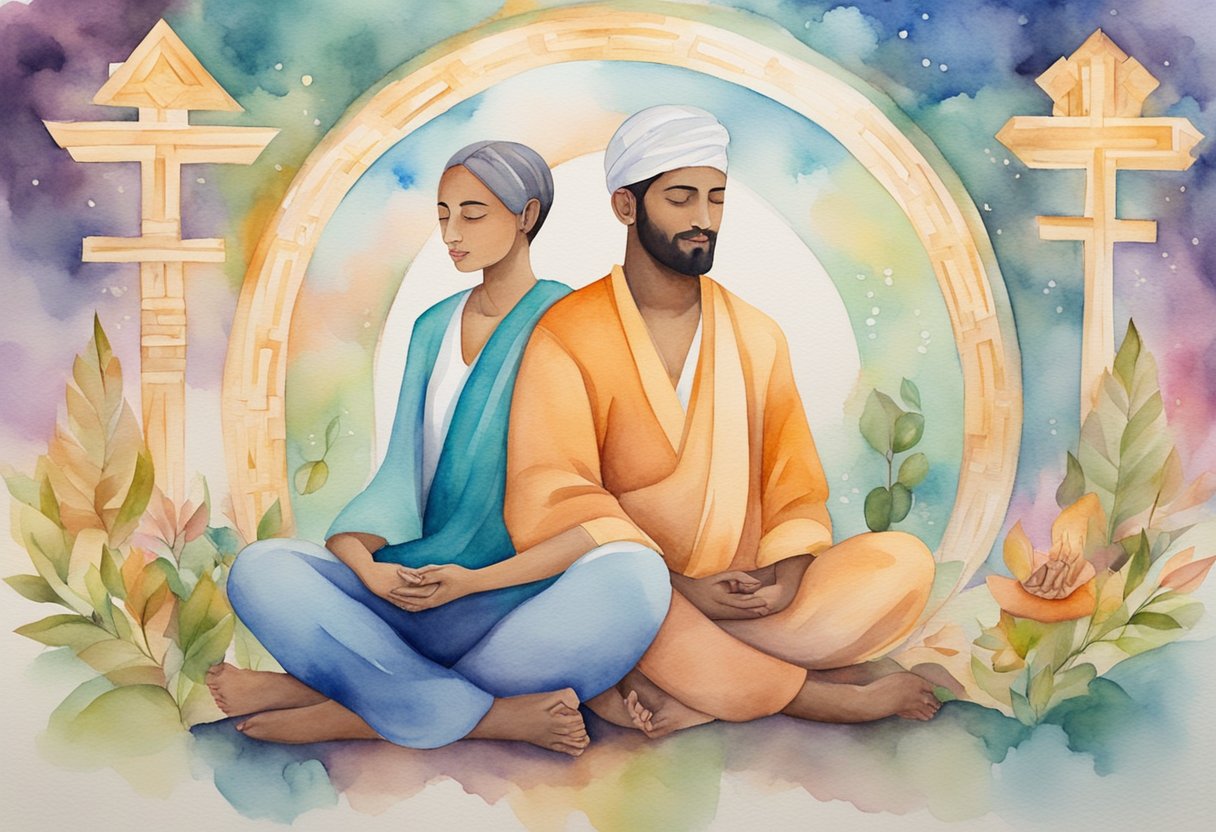

In interfaith marriages, love and respect play vital roles in bridging differences. Couples can grow personally and spiritually by working together to find common ground. This journey involves open communication and understanding each other’s beliefs and values.
Finding Common Ground in Love and Faith
Finding common ground is essential for building a strong relationship. Couples should first acknowledge their differences, but they can also unite in shared values like love, compassion, and respect.
- Listen Actively: Taking the time to understand each other’s faith can enhance love. It shows that each person values the other’s beliefs.
- Celebrate Differences: Embracing unique traditions can enrich family life. Couples can find ways to incorporate both faiths in celebrations, enhancing their bond.
- Create Shared Goals: Setting goals together encourages teamwork. This could include planning family traditions that honor both faiths, fostering unity and love.
Growing Together Through Differences
Growth comes from navigating differences and learning from one another. Embracing these differences can lead to deeper mutual respect.
- Open Dialogue: Regular conversations about faith can help prevent misunderstandings. They provide opportunities to express feelings and beliefs openly.
- Encourage Each Other: Supporting each other’s spiritual journeys fosters respect. This might involve attending each other’s services or exploring new ways to practice faith together.
- Seek Guidance: Consulting with supportive community leaders or counselors can offer new perspectives. They can assist couples in navigating challenges while nurturing their love.
Through these practices, couples can enhance their relationship while respecting their unique identities.
Legal and Societal Implications

Interfaith and interdenominational marriages can face unique challenges. Legal issues may arise during ceremonies, and societal views can impact couples. Understanding these aspects is important for navigating the marriage journey.
Marriage Ceremonies and Legal Issues
Interfaith marriages often involve complexities when it comes to marriage ceremonies. Laws vary by location, affecting how weddings can be conducted. Some regions require both partners to meet specific legal criteria based on their faith.
Couples may need to navigate different religious practices, which can influence ceremony traditions. For example, a Christian marrying a Muslim might combine elements from both religions, ensuring respect for each other’s beliefs.
It is also vital to check whether the chosen officiant has the authority to perform the marriage legally. This can involve paperwork or permissions that must be completed before the big day.
Society’s View on Interfaith Marriages
Societal perceptions of interfaith marriages can vary widely. In some communities, these unions may be accepted and celebrated, while in others, they might face resistance.

Religious backgrounds often shape these views. Some groups are more open than others.
In many cases, couples in interfaith marriages may encounter misunderstandings from family or friends. Some might feel concerned about how children will be raised or which religious practices will be followed.
Overcoming Challenges and Misconceptions
Interfaith marriages can face unique challenges and misconceptions. Understanding these issues is essential for fostering a healthy relationship and overcoming prejudice.
Accepting each other’s beliefs while addressing misunderstandings can create a strong foundation for the future.
Dealing with Prejudice and Misconceptions

Many couples encounter prejudice or misconceptions from family and friends regarding their interfaith relationship. Some may believe that differing beliefs lead to conflict or that one partner will want to convert the other.
It’s crucial for couples to communicate openly with their loved ones. They should explain their commitment to respecting each other’s beliefs. This can dispel myths and allow for a better understanding of their relationship.
Relationships may require a balance between faith and personal beliefs. Couples should be prepared to face comments that might feel negative. Responding with grace and explanation can often soften the attitudes of others.
Proactive Approaches to Potential Issues
Successful interfaith couples often take proactive steps to handle potential issues. They may begin by discussing their religious beliefs early in the relationship. This opens the door for candid conversations about how they will merge different traditions.
Creating a shared plan for holidays, child-rearing, and religious practices is essential. They can outline which traditions they will honor together.
Couples should also set boundaries regarding proselytizing to ensure each person feels comfortable.
Participating in each other’s religious ceremonies can also foster respect. This shows a willingness to embrace the other’s beliefs without losing one’s own.
Regular dialogue about their experiences can strengthen their bond and create a deep, mutual understanding.
