
In times of crisis, many seek comfort and support, especially in hospital settings. A Christian approach to hospital chaplaincy provides a unique perspective on how to address the emotional and spiritual needs of patients and their families.
By offering compassionate care, chaplains can be a source of hope and peace during some of life’s most challenging moments.

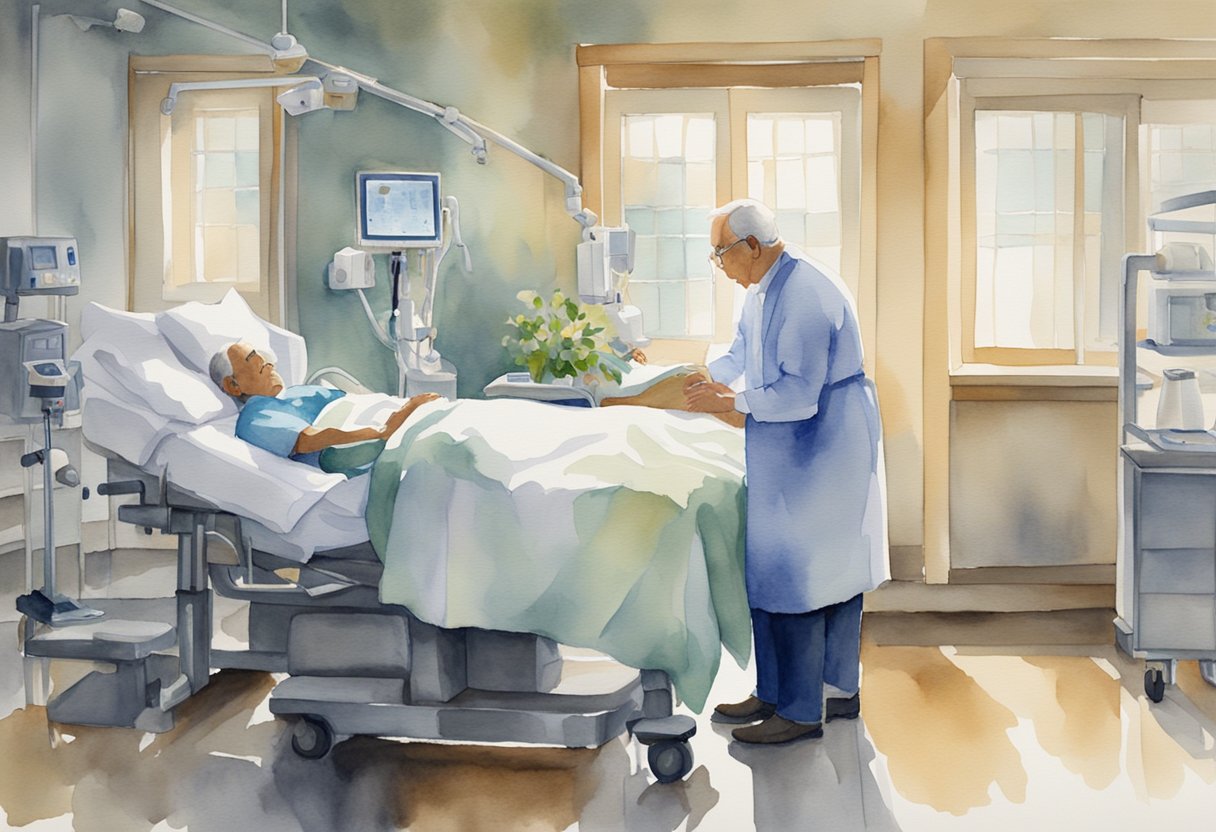
Chaplains serve as spiritual leaders who help individuals navigate their feelings, fears, and questions about faith. This role is vital, as it bridges the gap between medical treatment and emotional well-being.

They are trained to support diverse needs, ensuring that every patient feels heard and cared for.
As healthcare continues to evolve, the need for compassionate, faith-based support remains strong. Hospital chaplains play a crucial role in creating a nurturing environment that fosters healing and comfort. Their work not only enriches the lives of those they serve but also strengthens the entire healthcare community.
Key Takeaways
- Hospital chaplains provide essential emotional and spiritual support in crisis situations.
- Compassionate care helps bridge the gap between physical and emotional healing.
- Engaging with patients and families fosters hope and a sense of peace during difficult times.
Understanding Hospital Chaplaincy in Christian Context
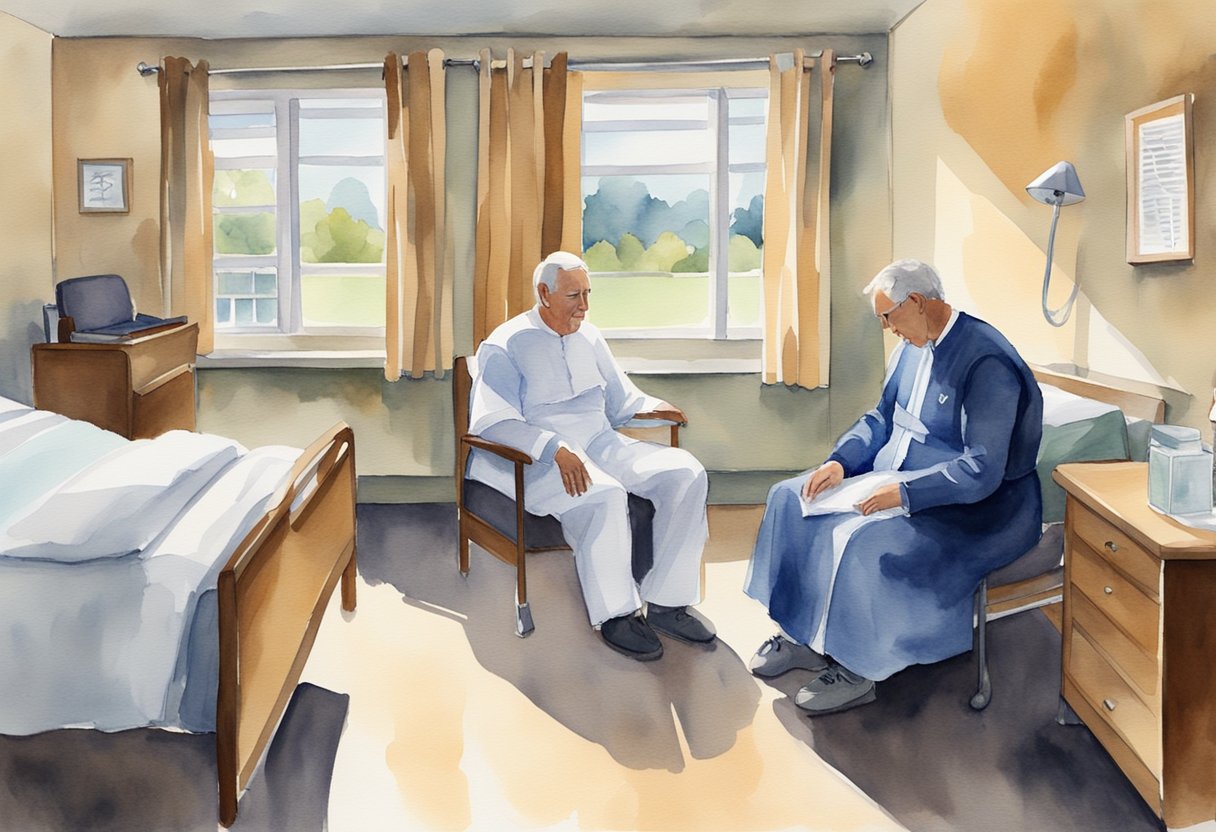
Hospital chaplaincy plays a vital role in providing comfort during health crises. It involves supporting patients and their families through spiritual care, grounded in Christian ministry. This section explores the important roles and responsibilities of a Christian hospital chaplain, the history of chaplaincy, and how religious traditions shape their work.
Roles and Responsibilities of a Christian Hospital Chaplain
A Christian hospital chaplain provides spiritual care to patients, families, and staff. Their duties include offering emotional support, conducting services, and facilitating prayers.
They also provide guidance during tough times, helping patients find peace and hope.


These chaplains are trained to respect diverse beliefs while sharing Christian teachings. They often work with medical staff, ensuring that spiritual needs are met alongside physical care.
By listening and being present, they build trust and a connection that is comforting during hospital stays.
The History and Evolution of Hospital Chaplaincy
Hospital chaplaincy has a rich history that dates back centuries. Initially, clergy visited hospitals to provide support to the sick and dying. Over time, this evolved into a more structured form known as professional chaplaincy.
In the 20th century, hospitals began to recognize the importance of spiritual care. The establishment of educational programs for chaplains helped form a professional identity within healthcare. Today, hospital chaplains work in multidisciplinary teams, blending their faith with healthcare practices to serve patients better.
The Impact of Religious Traditions on Chaplaincy

Religious traditions significantly impact the work of hospital chaplains. While grounded in Christianity, chaplains encounter patients from various faith backgrounds. Understanding these traditions allows chaplains to offer meaningful spiritual support tailored to individual needs.




Chaplains often participate in interfaith dialogues, fostering an inclusive environment. By acknowledging and respecting diverse beliefs, they provide compassionate care that aligns with patients’ spiritual values. This religious awareness enriches the chaplaincy experience and enhances the healing process.
Providing Comfort and Spiritual Support

Hospital chaplains play a vital role in offering comfort and spiritual support during challenging times. Their compassionate presence helps patients and families navigate feelings of suffering, trauma, and uncertainty. Focusing on empathetic engagement and spiritual accompaniment, chaplains create a safe space for healing.
Attentive Listening and Empathetic Engagement
Attentive listening is fundamental to chaplaincy. Chaplains provide a welcoming ear, allowing patients and families to express their fears and concerns. This active listening creates trust and encourages openness.
Chaplains utilize empathetic engagement to connect with individuals on a deeper level. They validate feelings of fear or anguish, showing understanding and compassion.
Through this connection, they facilitate a space where people can explore their emotions and find comfort in their vulnerabilities.
The Art of Spiritual Presence and Accompaniment
Being present is an essential aspect of a chaplain’s role. Spiritual presence means more than just being physically there; it involves creating a calming and supportive environment.
Chaplains can gently guide individuals through their spiritual journey, offering solace amid crisis.
They accompany patients and families as they face medical challenges and emotional struggles. By walking alongside them, chaplains help individuals find meaning in their experiences.

This presence brings reassurance and encourages a sense of community, alleviating feelings of isolation.
Navigating Faith and Hope in Times of Crisis
Faith often plays a crucial role during difficult moments. Chaplains help individuals explore their spiritual beliefs, offering support and guidance.
They encourage patients and families to express their hopes and fears, helping them reconnect with their faith.
Amid suffering and trauma, chaplains foster resilience by nurturing hope. They remind individuals of their strength and the possibility of healing.
By cultivating a sense of faith, chaplains help patients and families find light even in the darkest of times.
Crisis Intervention and Trauma Care

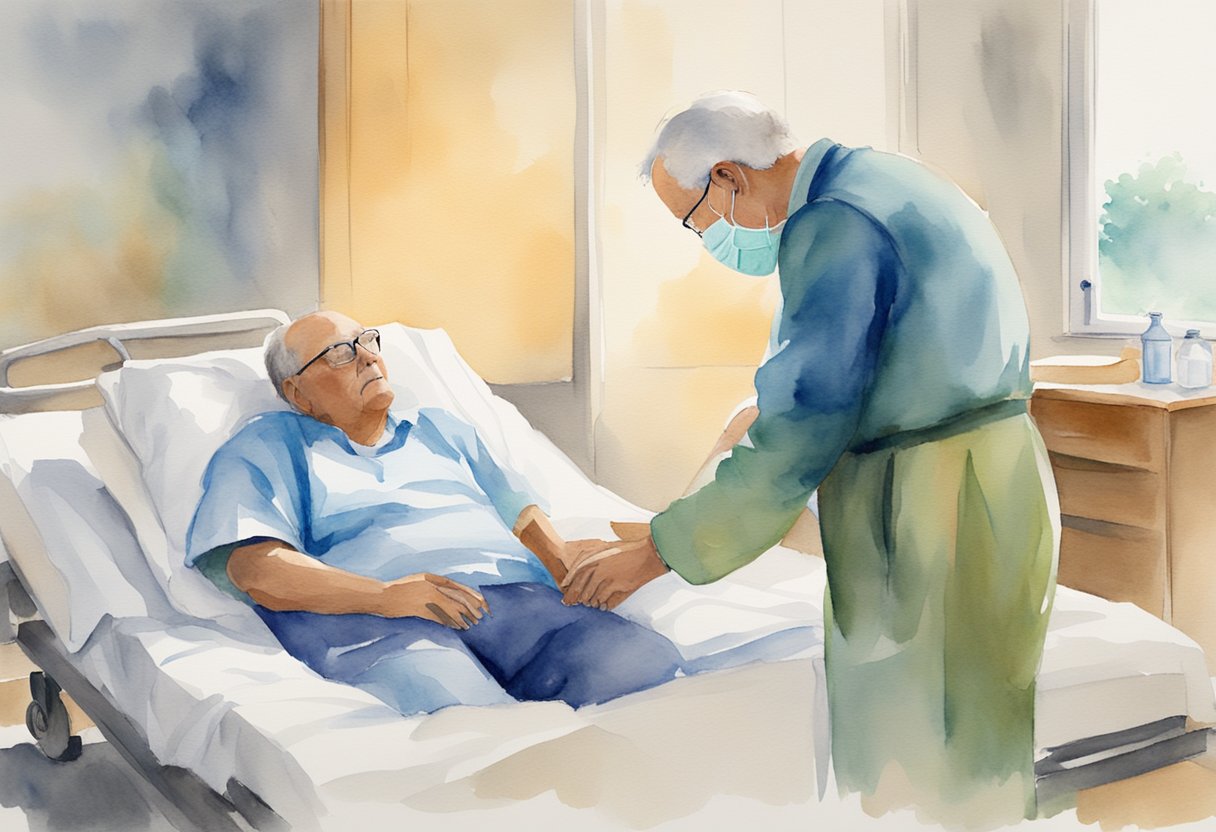
Crisis intervention in hospital settings is critical. Chaplains play an essential role in providing comfort during traumatic events, offering support to patients, families, and staff affected by crises.
Chaplaincy During Life-Altering Events and Tragedies
During life-altering events, such as accidents or sudden illnesses, chaplains provide immediate care. They offer a calming presence that helps patients and families process their feelings of shock and fear.
Chaplains use active listening and empathetic responses to address suffering. They create a safe space where individuals can express their thoughts and concerns. This approach fosters a sense of connection, which is vital in crisis situations.
In situations like natural disasters or mass casualties, chaplains might also collaborate with hospital staff for coordinated care. They help families understand medical decisions and provide emotional support. Their presence can significantly ease the burden during tragic moments.
Support in the Face of Death and Dying

When facing death, chaplains offer vital support to patients and families. They provide compassionate care to ensure that individuals feel valued and heard as they approach the end of life.
In hospice settings, chaplains facilitate conversations about fears, regrets, and hopes. They help create personalized rituals that honor the individual’s life, facilitating closure for loved ones. This pastoral care addresses not only emotional needs but also spiritual ones.
Chaplains are trained to respect diverse beliefs. They engage in discussions that allow families to express their values and traditions surrounding death. This helps create a comforting environment during difficult times.
Counseling for Patients, Families, and Staff
Chaplains are skilled in counseling, offering support to patients and families dealing with trauma. They help individuals navigate feelings of grief, anxiety, and uncertainty.
In addition to patient care, they also support hospital staff who may experience emotional strain from their work. By providing a listening ear, they foster resilience among the team.

Chaplains often facilitate group sessions where staff can share their experiences. This creates a sense of community and mutual support. It helps everyone involved in the care process to cope with the emotional toll of their roles.
Religious and Spiritual Assessments
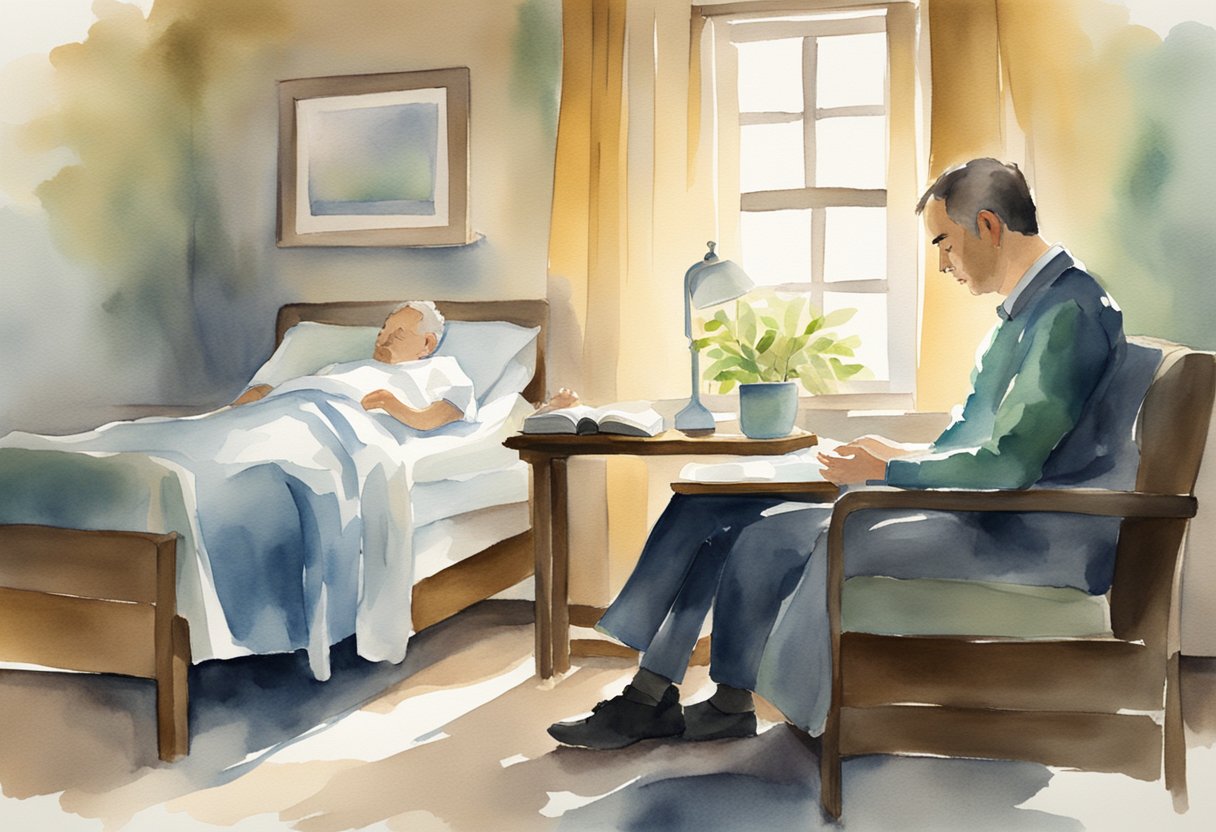
Religious and spiritual assessments play a crucial role in hospital chaplaincy. They help identify patients’ individual spiritual needs, beliefs, and practices. This understanding guides chaplains in providing personalized care during challenging times.
Understanding Individual Spirituality and Beliefs
Each patient’s spirituality is unique. Chaplains focus on understanding these individual beliefs. They often ask open-ended questions about what gives patients strength or comfort.
Patients may express their spirituality in various ways, such as prayer, meditation, or participation in religious rituals. By listening attentively, chaplains can identify these elements.

Understanding spirituality can also involve recognizing the impact of a patient’s background and history. A chaplain considers cultural traditions to provide more tailored support in sensitive situations.
Incorporating Theology and Practical Theology
Theological insights enrich the chaplain’s approach. Practical theology is vital in translating beliefs into action. This means connecting scripture, like the New Testament, to daily life and hospital experiences.
Chaplains draw from biblical teachings to offer hope and encouragement. For example, messages of love, community, and support from the incarnation of Christ can be comforting for many patients.
Incorporating theology helps chaplains frame their conversations. They can engage patients in discussions about meaning and purpose, creating a pastoral presence that fosters spiritual healing.
Assessment Tools and Their Application
Various tools assist chaplains in conducting spiritual assessments. These tools can include questionnaires and interviews designed to explore spiritual beliefs and needs.

For example, they might use specific questions to gauge a patient’s understanding of their spirituality. Some tools focus on how patients cope with illness or loss.
Chaplains also observe non-verbal cues, adding depth to their assessments. By combining different methods, they can gain a clearer picture of a patient’s needs. This thorough understanding allows for a more compassionate and effective response to each person’s spiritual journey.
Special Considerations in Chaplaincy
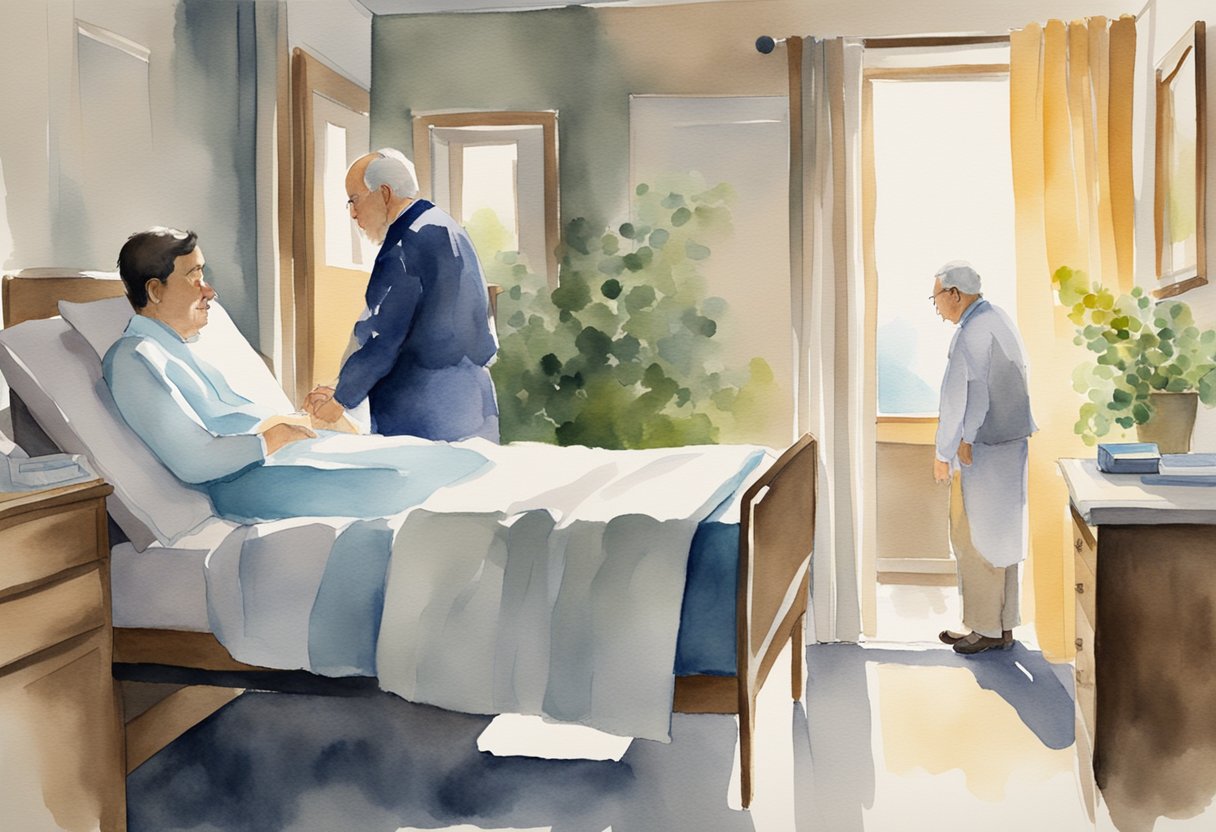
In hospital settings, chaplains face unique challenges that require special attention. Their role involves providing support during significant times, respecting diverse cultural backgrounds, and maintaining ethical standards. These aspects are vital for effective care.
Chaplaincy During Holidays and Sacred Times
Holiday seasons, like Easter and Ramadan, can be emotionally charged for patients and their families. Chaplains must recognize the importance of these times and provide tailored support.

For Christians, Easter represents hope and renewal. Chaplains may offer prayers, coordinate services, or connect patients with their church communities.
During Ramadan, Muslim patients may observe fasting and seek spiritual support. Chaplains can facilitate meals that align with fasting schedules and provide comfort through Islamic practices.
It is essential for chaplains to create an environment where spiritual needs are met during these significant times. Their understanding and respect can make a profound difference.
Pastoral Care in Multicultural and Diverse Settings
Hospitals serve a wide range of people from varied cultural backgrounds. Chaplains must respect and understand these differences to provide effective care.
They should be aware of various religious practices, customs, and beliefs. This cultural sensitivity ensures that chaplains engage appropriately and meaningfully with patients from different backgrounds.

For instance, understanding the significance of prayer rituals or dietary restrictions helps chaplains support patients in their spiritual journeys.
There may also be language barriers. Chaplains should consider using translation services when needed to ensure clear communication.
Respecting individual beliefs leads to stronger connections and provides a more effective healing environment.
Confidentiality and Ethical Practices in Chaplaincy
Confidentiality is a cornerstone of chaplaincy. Patients must feel safe sharing their fears, hopes, and spiritual concerns without worry.
Chaplains are trained to honor this trust. They must follow strict guidelines to protect patient information and only share details when necessary for care or with consent.
Ethical practices also extend to respecting patients’ wishes in sensitive situations. During COVID-19, for example, social distancing measures limited visitation. Chaplains have adapted by offering virtual support through phone calls or video chats.
These actions ensure that spiritual care continues while upholding confidentiality and dignity. It creates a supportive environment where patients feel valued and understood.
Professional Development and Self-Care for Chaplains
Chaplains play a crucial role in offering support during difficult times. To be effective in their duties, they need to focus on their own growth and well-being.
This includes building resilience, connecting with peers, and pursuing ongoing education.
Building Resilience and Coping Strategies
Resilience is essential for chaplains who face emotional challenges daily. Techniques like mindfulness, prayer, and journaling can help them process their experiences.
Coping strategies might also include:
- Attending regular supervision sessions
- Engaging in peer support groups
- Setting boundaries to prevent burnout
Chaplains can benefit greatly from understanding their emotional responses and learning to navigate stress. This self-awareness allows them to care for others more effectively while maintaining their personal well-being.
Networking with Professional Associations
Joining professional associations can be invaluable for chaplains. These organizations often provide forums for networking, training, and sharing experiences.
Benefits of membership include:
- Access to workshops and conferences
- Opportunities to connect with other professionals
- Resources for best practices in chaplaincy
Networking fosters a sense of community, helping chaplains feel less isolated in their work. Relationships built through associations can offer support and new ideas, enhancing their effectiveness in providing care.
Continuing Education and Spiritual Growth
Ongoing education is critical for chaplains to stay current with best practices and developments in spiritual care. Courses, certifications, and seminars can all contribute to their professional growth.
Engaging in continuing education helps chaplains:
- Learn new counseling techniques
- Explore theological advancements
- Reflect on personal beliefs and spirituality
Such growth keeps chaplains connected to their mission and enhances their capacity to provide comfort to those in crisis. Prioritizing education and spiritual development ensures they remain effective caretakers for those in need.
Engaging with the Broader Healthcare Community
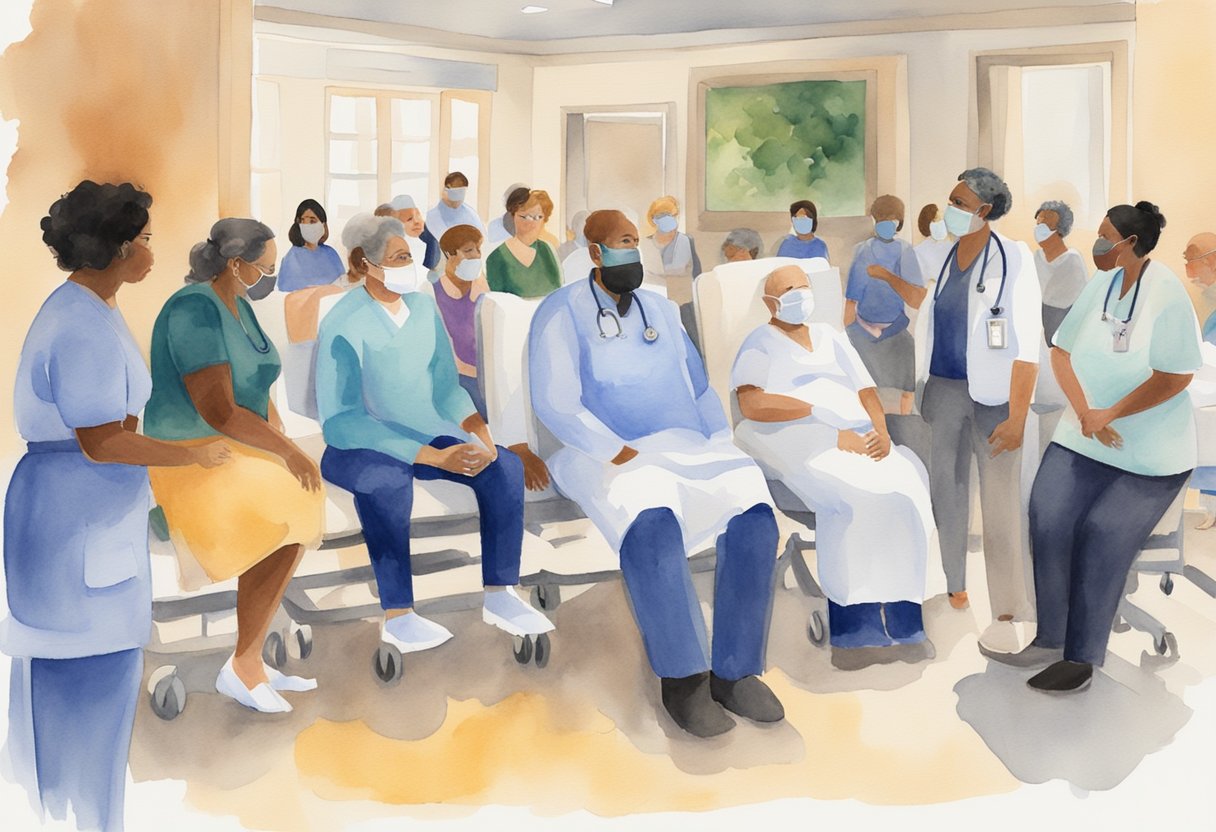
Healthcare chaplaincy plays an important role within the larger healthcare community. By building partnerships, contributing to ethics discussions, and improving communication, chaplains enhance spiritual care and patient well-being.
Interdisciplinary Collaboration in Healthcare Teams
Collaboration is essential in healthcare settings. Chaplains work closely with doctors, nurses, and social workers to provide holistic care.
They participate in patient rounds, sharing insights about spiritual needs that can affect healing.
These interdisciplinary teams benefit from the chaplain’s unique perspective, addressing emotional and spiritual concerns alongside physical health.
Regular meetings help everyone stay informed about patient care plans and improve team dynamics. Such teamwork can lead to increased patient satisfaction and better outcomes, as everyone contributes their expertise.
Contribution to Healthcare Ethics and Policy
Chaplains also play a significant part in shaping healthcare ethics and policy. Their understanding of spiritual health provides a valuable perspective in ethical discussions.
They often participate in ethics committees, addressing issues like end-of-life care and patient autonomy.
Through newsletters and updates, chaplains keep staff informed about ethical practices that respect patient beliefs.
By advocating for policies that support spiritual care, they ensure it’s included in the overall healthcare approach.
Communication and Education to Enhance Chaplaincy Visibility
Effective communication raises awareness about the role of chaplains. Healthcare chaplains engage in training sessions for staff, explaining how spiritual care can benefit patients.
They also share success stories through internal news and newsletters. This visibility builds trust and encourages healthcare workers to refer patients needing spiritual support.
Workshops and community events further enlighten staff about integrating spiritual care into daily practice. By enhancing communication, chaplains promote their vital role and foster a more compassionate healthcare environment.
Farewells and Positive Transitions
In times of crisis, saying goodbye can be difficult but also meaningful. Chaplains play an important role in helping individuals navigate farewells and find hope through spiritual support. This section highlights the different aspects of farewells, reunions, and the role of chaplains in the healing journey.
Facilitating Saying Goodbye and Reunion
Chaplains assist families and patients in expressing their emotions during farewells. They often create a safe space for individuals to share feelings of love, regret, and hope.
By facilitating open conversations, they help people articulate their goodbyes meaningfully.
Consider these actions chaplains may take:
- Encouraging personal stories: Sharing memories can provide comfort.
- Creating rituals: Simple ceremonies can make farewells more significant.
- Providing active listening: Being present as someone pours out feelings can be healing.
A reunion after a period of separation can also bring joy. Chaplains support these moments by ensuring individuals feel connected, even when apart.
The Role of Chaplains in the Healing Process
Chaplains are essential in the healing journey, providing spiritual care and support. They understand that healing isn’t just physical; it also involves emotional and spiritual dimensions.
During hospital stays, chaplains offer:
- Prayer and meditation: Spiritual practices can help calm anxious minds.
- Counseling sessions: They provide guidance for individuals coping with illness or loss.
- Resource connections: Chaplains may help connect families with support groups.
Through these efforts, hospital chaplains not only address immediate needs but also encourage long-term healing.
Supporting Grief and Bereavement
Grief is a natural response to loss, and chaplains are trained to help individuals through this challenging time. They understand that each person’s grief journey is unique.
Chaplains provide support by:
- Offering companionship: Simply being there makes a difference.
- Leading grief workshops: Education can help individuals process their feelings.
- Providing follow-up care: Continuous support helps individuals adjust after a loss.
By acknowledging the spiritual and emotional dimensions of grief, chaplains help individuals find peace amidst their sorrow.
Future Directions and Trends in Chaplaincy
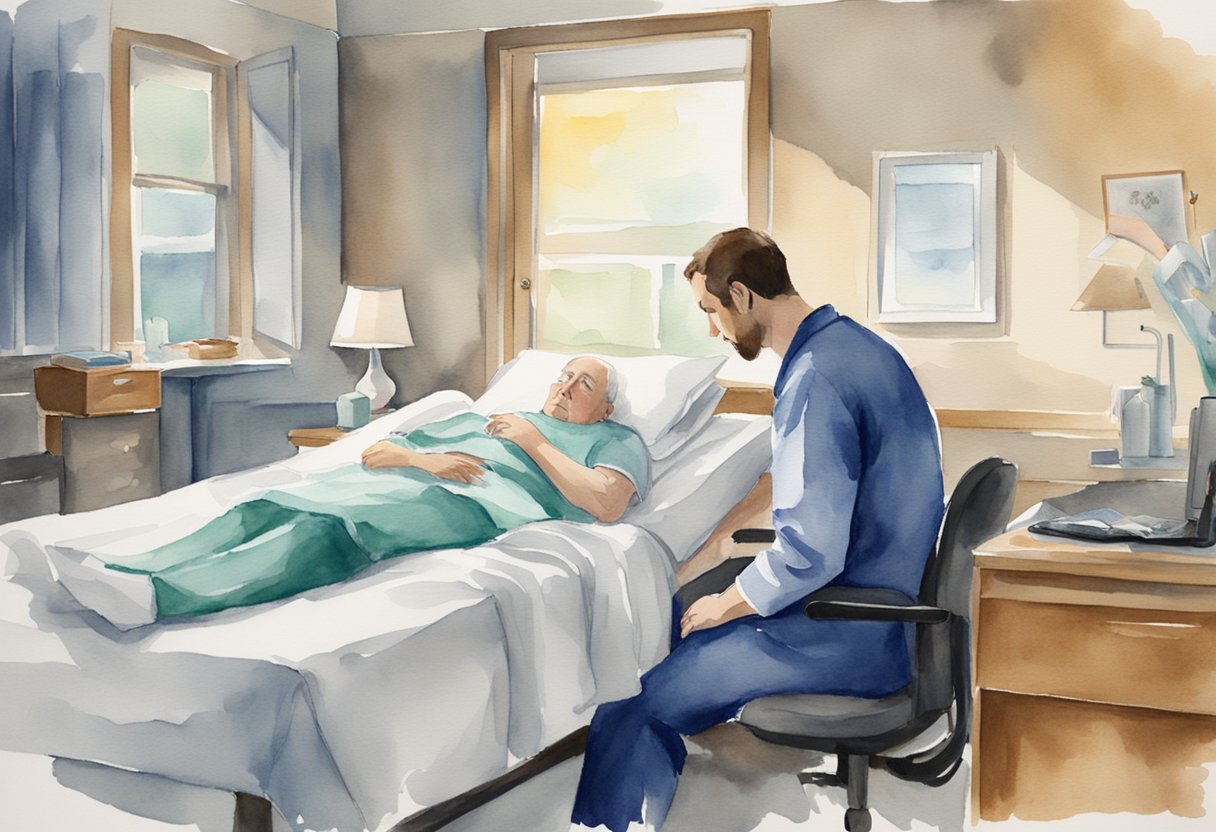
As society evolves, chaplaincy services are adapting to meet new needs. Key trends include the use of technology in spiritual care, shifts in demographics and spirituality, and an expanding role for chaplains beyond traditional hospital settings. Understanding these trends can help chaplains provide more effective support and care.
Technological Advances and Virtual Chaplaincy
Technology is playing a crucial role in shaping the future of chaplaincy. Virtual platforms allow chaplains to reach patients who may not have access to in-person support.
Telechaplaincy enables spiritual care providers to connect through video calls or chat services.
This approach has become more prominent due to recent global challenges. Many hospitals now offer virtual chaplaincy services as a primary option. This flexibility allows chaplains to address spiritual needs without physical barriers.
Moreover, mobile apps can facilitate spiritual resources, allowing individuals to access prayers, readings, or meditation guides anytime. Chaplains can use these tools to integrate spiritual care into daily life.
Demographics, Spirituality, and Changing Society
Chaplaincy is increasingly influenced by changing demographics. North America and Europe see a growing diversity in beliefs and backgrounds. This shift impacts how chaplains approach spiritual care.
Many people now seek support that acknowledges their unique spiritual dimensions. For example, younger generations often favor more inclusive practices. They appreciate chaplains who respect various faiths and worldviews.
This shift has led to a greater emphasis on personalized care. Chaplains are learning to ask questions that help discover a person’s spiritual needs. Understanding these changes is vital for effective ministry in a pluralistic society.
The Expanding Scope of Chaplaincy Beyond Hospitals
Chaplains are extending their reach into various sectors beyond hospitals. Many now serve in schools, prisons, and workplaces, addressing diverse spiritual needs. This expansion reflects a broadening understanding of the role chaplains play in society.
In schools, chaplains offer support for students facing challenges. They provide a safe space for discussions about faith and identity.
In prisons, they help inmates find meaning and hope during difficult times.
Additionally, wilderness chaplaincy is gaining attention. This approach connects individuals with nature, fostering spiritual growth.
By venturing into natural settings, chaplains encourage people to explore their spirituality in a unique environment. This trend highlights the adaptable nature of chaplaincy in meeting the needs of a diverse population.
