
Hypocrisy is a trap that’s easy to fall into but hard to escape. It’s something people often notice in others but rarely in themselves. Amaziah, a king of Judah, serves as a striking example of how misplaced priorities and divided loyalties can lead to actions that don’t align with one’s professed beliefs.
Amaziah started his reign with promise, following God’s commands—at least on the surface. But his story took a turn when he allowed idolatry to creep into his life. Despite his outward faithfulness, his actions revealed a heart that wasn’t fully devoted. His story challenges readers to reflect on their own lives and consider if their actions truly match their values.
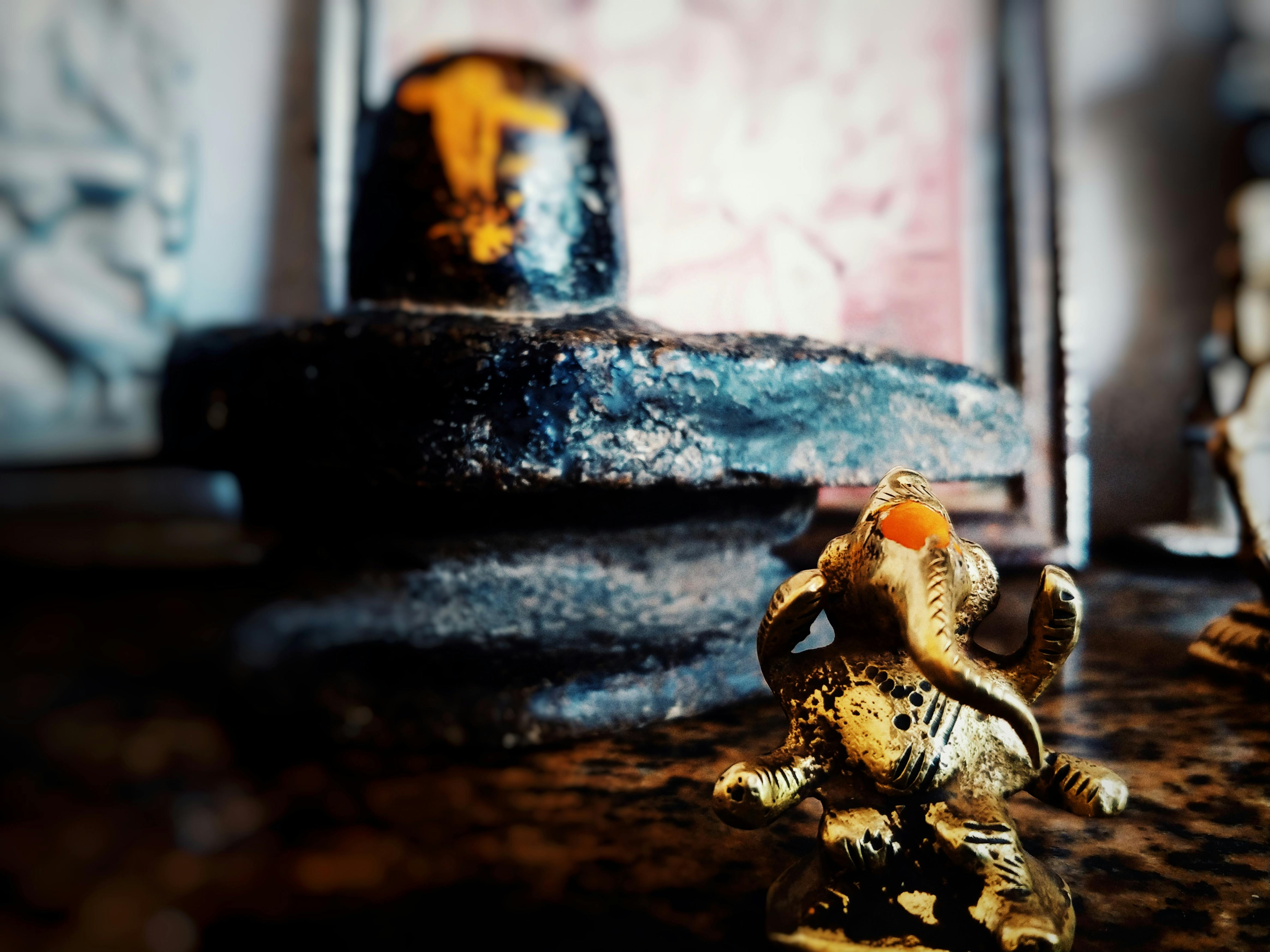
By examining Amaziah’s choices, we can uncover valuable lessons about staying authentic in faith and avoiding the pitfalls of hypocrisy. His journey offers a timeless reminder to live with integrity and wholehearted devotion.
Understanding Amaziah’s Idols
Amaziah’s story offers a profound lesson about the dangers of divided loyalty and the subtle pull of idolatry. His journey highlights the risks of professing faith while fostering hidden idols that undermine true devotion to God.
Historical Context Of Amaziah

Amaziah ruled Judah in the 8th century BCE after his father Joash’s assassination (2 Kings 14:1-20; 2 Chronicles 25:1-28). At 25, he ascended the throne and initially followed the Lord’s commandments. However, like many before him, his commitment faltered. While he adhered to the laws, Amaziah failed to remove the high places where the people continued their idol worship (2 Kings 14:4). This omission reflected a partial obedience, which often leads to deeper spiritual compromise.
Victories defined part of Amaziah’s reign, including a notable battle against Edom where God delivered success into his hands (2 Chronicles 25:11-12). But after this victory, he made a puzzling choice—he brought back idols from Edom, set them up, and bowed before them (2 Chronicles 25:14). This decision puzzled many and deeply displeased the Lord, showing a critical moment when Amaziah’s priorities shifted.
The Role Of Idols In His Reign
Idols in Amaziah’s time represented more than wooden or metal objects; they symbolized disloyalty to God and trust in earthly powers. By adopting the gods of Edom, Amaziah ignored both God’s deliverance and the stark warnings against idolatry (Exodus 20:3-5). A prophet confronted him, asking why he would worship the powerless gods of a defeated nation, but Amaziah responded arrogantly and dismissed the rebuke (2 Chronicles 25:15-16).
Idolatry wasn’t just a personal failing; it shaped his leadership and influenced Judah’s spiritual direction. When leaders prioritize worldly success over spiritual integrity, entire communities can drift away from God. Amaziah’s choices eventually led to his downfall. His reign ended tragically, as his hubris provoked a disastrous war with Israel that left Jerusalem plundered and weakened (2 Kings 14:8-14).
Amaziah’s idols expose the subtlety of misplaced trust. While modern idols may not resemble Edomite statues, they can take the form of materialism, ambition, or approval. His story invites reflection: Are there hidden idols pulling attention away from God today?
The Hypocrisy Of Amaziah’s Actions
Amaziah’s reign is a striking example of the gap between outward appearances and genuine faith. His incomplete obedience reveals critical flaws in his spiritual priorities, offering lessons for anyone seeking to abandon hypocrisy and pursue authentic devotion.



Outward Devotion Vs. Inner Failings
Amaziah initially followed God’s commandments, earning some respect for his adherence to divine law (2 Chronicles 25:2). For instance, he recruited soldiers based on proper authority and dismissed mercenaries, even at a financial loss, to align with God’s will. Still, his actions were described as lacking a whole heart, exposing a disconnect between his external compliance and genuine inner commitment.
His decision to spare high places of idol worship highlighted this inconsistency (2 Kings 14:4). While the people continued sacrificing in unauthorized sanctuaries, Amaziah refused decisive action to correct it. Then, in a staggering misstep, he brought home Edomite idols after defeating their army, elevating them to objects of worship despite their powerlessness against him. This action directly violated God’s law, underlining his inner conflict between faith and worldly desires.
Lessons From His Contradictions
Amaziah’s story reflects how divided loyalty and pride can derail even promising spiritual beginnings. When confronted by a prophet warning him to abandon idolatry (2 Chronicles 25:15-16), Amaziah’s arrogance drove him to reject wise counsel. His quick success had seemingly inflated his pride, blinding him to the sovereignty of God and the consequences of disobedience.
Practical takeaways abound here. First, rejecting correction often stems from pride, a warning against dismissing constructive feedback, especially in spiritual matters. Second, partial obedience can have ripple effects. By tolerating idol worship, Amaziah allowed a culture of divided allegiance to flourish in Judah. This led not only to his personal downfall but to the weakening of his nation.

Scriptures like Matthew 6:24 emphasize that serving two masters is impossible. Amaziah’s choices stand as a reminder to examine hidden idols in life, whether ambition, relationships, or material wealth, and root out anything competing with devotion to God. Remaining humble and acknowledging areas of failure foster growth and integrity in faith.






Avoiding Hypocrisy In Modern Faith
Living out a genuine faith demands self-awareness and consistency. Modern believers face challenges similar to Amaziah’s, including misplaced priorities and hidden idols. To cultivate sincerity, understanding how hypocrisy manifests today is key.
Recognizing Modern-Day Idols
Idols in today’s world often take subtle forms. While ancient idols were physical objects like the Edomite gods Amaziah worshiped, modern ones might include money, success, entertainment, or relationships. Social media platforms, for instance, can become idols when they shape self-worth or consume excessive time.
Scripture warns against this. In Matthew 6:24, Jesus stated, “No one can serve two masters.” Placing trust or devotion in things other than God divides allegiance, just like Amaziah’s partial obedience. Hidden idols distract believers from fulfilling their calling, pulling their focus from what truly matters.
Adam Phillips advises asking reflective questions to spot potential idols. He suggests, “What activities or possessions dominate my thoughts? Where do I turn for security?” Identifying these dependencies helps align priorities with God-centered living.
Staying True To Godly Principles
True faith shines through consistent adherence to godly principles, particularly in difficult times. James 1:22 encourages believers to “be doers of the word, and not hearers only, deceiving yourselves.” Actions reflecting one’s faith demonstrate sincerity.
Practical steps include regular prayer, Bible study, and open accountability with fellow believers. Following prophetic warnings, unlike Amaziah, requires humility and willingness to change course when confronted with sin. For example, sharing struggles with a trusted mentor fosters growth and strengthens commitment.
Adam often reminds others that small, intentional efforts build stronger spiritual practices. Regular Scripture reading, even just a chapter daily, provides guidance for decisions. Balancing spiritual disciplines with honest self-assessment combats the disconnection seen in Amaziah’s story.
Living authentically doesn’t mean perfection but striving for alignment with God’s purpose.
Applying Amaziah’s Story In Our Lives
Amaziah’s story offers timeless lessons on faith and priorities. His failures challenge readers to examine their own lives for patterns that may betray hypocrisy or misplaced loyalty.
Reflecting On Personal Faith

Every person professing faith benefits from periodic self-examination. Amaziah’s partial obedience—following God’s laws but sparing high places—reflects a trap believers can fall into: focusing on outward behaviors while ignoring inner inconsistencies.
To dive deeper, ask honest questions: Is there a gap between actions and declarations? Does personal prayer reinforce beliefs, or has routine replaced sincerity? Regular reflection alongside scriptures like 2 Corinthians 13:5, which urges self-examination of faith, helps uncover these blind spots.
By studying Amaziah’s journey, readers see how unchecked habits lead to spiritual decline. Letting distractions, like work or entertainment, overshadow spiritual commitments mirrors Amaziah’s idolatry. The Bible encourages believers to rely fully on God, not splitting devotion.
Striving For Authentic Spirituality
Practicing a faith that aligns with beliefs involves intentionality. Amaziah stood at the crossroads between obeying God’s word and pursuing worldly desires. Reader application lies in avoiding that same error.
Adam Phillips advises integrating spiritual disciplines into daily life. His steps include:
- Daily Prayer: He suggests brief, consistent communication with God, not always lengthy.
- Bible Study: Focusing on short passages like Matthew 6:33 fosters reflection.
- Accountability: Regular conversations with trusted believers create space for honest feedback, akin to prophetic voices Amaziah ignored.

Consistency in these actions ensures faith grows stronger, not stagnating under life’s pressures. Additionally, recognizing potential idols in modern lives, like fame or comfort, helps prevent divided loyalty.
By applying Amaziah’s experiences, readers embrace integrity in their own faith journeys. Steps forward may be uncomfortable, but they lead to a deeper, honest spirituality.
Conclusion
Amaziah’s story serves as a powerful reminder of the dangers of divided loyalty and the subtle pull of hidden idols. His journey reveals how even partial obedience can lead to spiritual decline when pride and misplaced priorities take root.
Believers today face similar challenges, but through humility, self-reflection, and intentional faith practices, they can guard against hypocrisy. By aligning actions with beliefs and staying committed to God-centered living, they can cultivate a faith marked by integrity and genuine devotion.
Frequently Asked Questions
What is the main lesson from King Amaziah’s story?
King Amaziah’s story teaches the dangers of divided loyalty and hypocrisy in faith. Although he initially obeyed God, his decision to embrace idolatry and ignore prophetic warnings revealed his misplaced priorities. This cautionary tale urges believers to examine their own lives for hidden idols and strive for genuine devotion to God.
What are modern idols, and how do they affect faith?

Modern idols include money, success, entertainment, and relationships—anything that distracts from wholeheartedly following God. These idols subtly pull believers away from genuine faith, causing divided loyalties and undermining spiritual growth.
How can I identify hidden idols in my life?
Reflective questions can help identify hidden idols. Ask yourself what you prioritize most, where you place your trust, and what consumes your thoughts. Regular self-examination, prayer, and accountability with others can help uncover and address these idols.
Why is partial obedience a problem in faith?
Partial obedience reflects divided loyalty and incomplete trust in God. Like Amaziah, who spared idol worship despite following some commandments, partial obedience creates a gap between professed beliefs and true devotion, leading to spiritual decline.
How can I align my life with authentic faith?
To live authentically, establish consistent spiritual practices like daily prayer, Bible study, and accountability. Embrace humility, acknowledge shortcomings, and be willing to change when confronted with sin. These practices foster a stronger, God-centered way of living.
What does the Bible say about serving two masters?
In Matthew 6:24, Jesus warns that no one can serve two masters, highlighting that divided allegiance weakens faith. This principle encourages believers to prioritize God over worldly desires to achieve spiritual integrity.
How can I prevent spiritual decline?

You can prevent spiritual decline through regular self-reflection, prayer, and studying God’s Word. Avoid arrogance, remain open to correction, and build a life centered on God’s values to maintain steady spiritual growth.
What questions should I ask myself to uncover hypocrisy?
Ask yourself if your actions align with your beliefs, if you are making excuses for sin, and if pride or worldly desires are influencing your decisions. Regularly examining these areas can help uncover patterns of hypocrisy.
Why is humility important in maintaining faith?
Humility allows believers to accept correction, recognize weaknesses, and avoid arrogance that leads to spiritual downfall. A humble heart cultivates an openness to change, which is crucial for genuine spiritual growth.
What steps can I take to strengthen my faith daily?
Strengthen your faith through daily prayer, Bible study, and engaging in accountability with fellow believers. Prioritize God above all else, reflect on your actions, and strive for consistency in living out biblical principles.
