Leadership in the church is no small responsibility. It’s a role that demands integrity, wisdom, and a heart fully committed to serving others. When I think about what it takes to guide a community of faith, 1 Timothy 3:1-7 stands out as a powerful blueprint, laying out the qualities essential for those called to be elders.
These verses don’t just list qualifications—they paint a picture of a leader whose life reflects Christ. From their character to their relationships, every aspect matters. It’s not about perfection but about living in a way that inspires trust and points others toward God.

Understanding these qualifications isn’t just for potential leaders; it’s for all of us. Whether we’re choosing elders or striving to grow in our own faith, these principles challenge us to pursue a life that honors God and uplifts others. Let’s dive into what this passage teaches us about true leadership.
Understanding The Role Of Elders In The Church
Elders play a critical role in shaping and guiding the spiritual lives of a church community. Their responsibilities go far beyond decision-making or organizational oversight, diving into the heart of ministry with a Christ-like focus on leading by example.
Biblical Perspective On Church Leadership

The Bible lays out clear principles when it comes to leading a church. In 1 Timothy 3:1-7, Paul describes an elder as someone who’s “above reproach,” leading with humility and integrity. These aren’t just lofty goals. They’re meant to ensure leaders embody the values they teach. Paul stresses traits like self-control, hospitality, and the ability to teach. Why? Because church leadership is as much about character as it is about action.
Titus 1:5-9 reinforces this point, listing qualifications that overlap with Timothy’s writings. Leadership is rooted in faithfulness, strong family management, and holding to sound doctrine. Elders act as shepherds, not just decision-makers. They guide, protect, and nurture the congregation, ensuring its spiritual and moral health.
Importance Of Elders In Modern Churches
Elders carry the weight of spiritual leadership in today’s church. They’re often mentors, mediators, and visionaries rolled into one. Through prayerful decisions, they help steer the congregation toward God’s mission. But their role isn’t confined to boardroom discussions. Elders connect with members in moments of joy and struggle alike.
Take mentorship. Many elders offer guidance to young believers or leaders just starting out. Their experience becomes a resource for others, strengthening the entire church body. And when it comes to accountability, elders play an active role in addressing concerns while maintaining unity and compassion.
Even in growing churches with complex operations, their biblical role doesn’t change. Elders remain the spiritual backbone, reminding the community that leadership isn’t about power—it’s about serving God and His people.
Qualifications for Elders: Leadership in the Church – 1 Timothy 3:1-7
Overview Of 1 Timothy 3:1-7
1 Timothy 3:1-7 is one of the clearest scriptures on the qualities church elders need to possess. Paul, addressing Timothy, shares what makes someone fit for spiritual leadership. It’s not about talent or experience but character. This passage lays the blueprint for how elders should lead their congregation—with dignity, humility, and faithfulness to God’s word. These qualifications aren’t just rules; they’re practical ways church leaders can reflect Christ in everything they do.


Context And Background Of The Passage
Paul wrote 1 Timothy as a letter offering guidance for organizing and maintaining churches. He wanted Timothy, a young pastor, to establish strong leaders within the church in Ephesus. At the time, false teachings were spreading, threatening both faith and unity. Reliable leadership ensured the church stayed aligned with God’s truth.
Paul stressed that oversight was a noble task with serious accountability. He clarified that elders were overseers, responsible for the spiritual health of their church community. The list of qualifications wasn’t random; it addressed specific challenges the church faced, ensuring leaders modeled integrity, avoided hypocrisy, and led with faithfulness. Paul’s words still resonate today, as churches lean on 1 Timothy to define strong leadership grounded in scripture.
Key Themes In The Scripture
1. Above reproach
Paul states that an elder must live without blame in their community. They act as living examples of Christ’s love and grace. If elders demonstrate questionable behavior, how can a congregation trust their guidance?
2. Faithful in relationships
This means being a loyal spouse and caring deeply for their family. For Paul, how someone treats their home reflects their ability to shepherd the church.
3. Temperate, self-controlled, and respectable
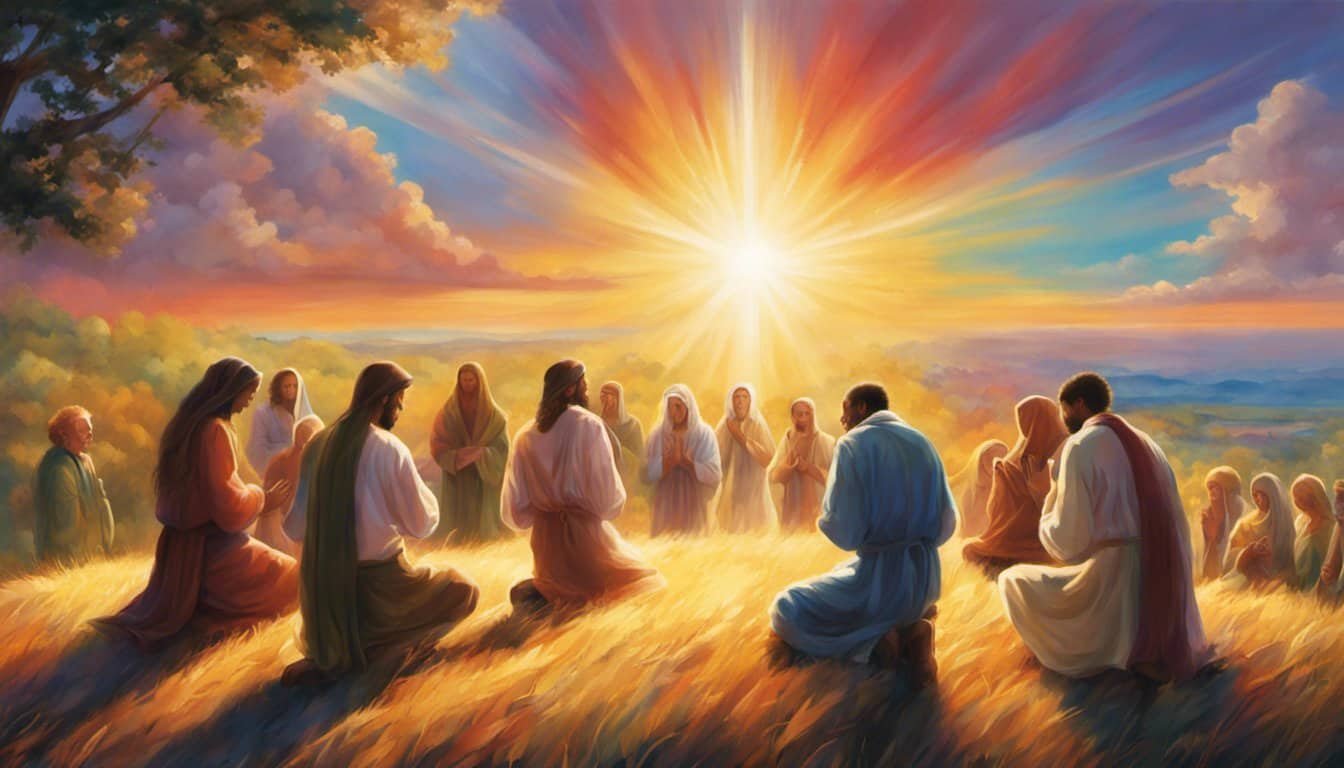
Elders should not act impulsively. They show discipline in decisions, respect for others’ views, and good judgment in conflicts.




4. Hospitable and able to teach
Welcoming others into their lives and sharing God’s truth are central to Paul’s vision. Teaching involves more than knowledge; it requires patience, kindness, and empowerment.
5. Free from addiction and greed
Leaders don’t seek worldly pleasures to fill a spiritual void. Elders who are financially honest and sober-minded remain focused on serving—not gaining.
6. Experienced in faith
Young Christians might have passion but lack perspective from time-tested growth. Maturity equips elders to navigate challenges wisely.
Paul’s blueprint shows leadership isn’t about power; it’s about serving and inspiring others to walk closer with God. Each point challenges elders to deepen their faith and reflect Christ in daily actions.
Comprehensive Qualifications For Elders
When considering leadership in the church, choosing elders with integrity and spiritual maturity is critical. 1 Timothy 3:1-7 lays the foundation for these qualifications, emphasizing what it looks like to reflect Christ’s character daily. Let’s dig into the specifics of what Paul highlights.
Personal Character And Integrity
Elders are called to live above reproach. This means their actions, words, and decisions align with biblical values, leaving little room for criticism. Paul writes that elders should be temperate, self-controlled, and respectable (1 Timothy 3:2). For me, self-control stands out as essential since it impacts not only personal choices but also reactions to others.
Hospitality is another vital trait. Welcoming others into one’s home and life doesn’t just showcase a servant heart—it builds trust within the church family. The ability to teach also matters. It’s not about being a polished speaker but about clearly sharing and living out God’s Word.
Family Leadership And Relationships
An elder’s home life reflects their ability to lead in the church. Paul emphasizes being faithful to one’s spouse and managing their household well (1 Timothy 3:4-5). Why? Because consistency at home translates to reliability in ministry. If someone isn’t invested in their family’s spiritual and emotional well-being, how can they care for a congregation?
Relationships also extend beyond immediate family. Elders lead by example in mentoring younger believers and fostering unity. I’ve seen how prioritizing a healthy family dynamic creates ripple effects in church leadership.
Spiritual Maturity And Wisdom

Wisdom comes from spiritual growth. Elders need more than knowledge—they require discernment to navigate challenges. Paul mentions that elders shouldn’t be recent converts to avoid pride (1 Timothy 3:6). Why’s this so important? Spiritual maturity guards against impulsive decisions and teaches humility.
Elders spend time in prayer and Scripture, allowing God’s Word to shape their thoughts and actions. Growth doesn’t stop; leaders set the pace for the church by pursuing God wholeheartedly.
Reputation Within And Outside The Church
Paul knew a leader’s reputation matters inside and outside the faith community. He instructs elders to have a good reputation with outsiders to avoid disgrace and the devil’s trap (1 Timothy 3:7). A positive presence in the broader community reflects Christ’s love and prevents misunderstandings.
Whether volunteering locally or interacting with colleagues, integrity and kindness leave a mark. I’ve learned how consistency in attitudes and actions builds influence, opening doors for the gospel to shine.
These qualities aren’t just a checklist—they’re a reflection of spiritual health. By embodying these traits, elders inspire others to grow and glorify God in all they do.
Practical Applications For Church Leadership

When we consider church leadership through the lens of 1 Timothy 3:1-7, it’s clear that these guidelines don’t just aim for theoretical ideals. They provide a foundation for building a thriving spiritual community. Elders and leaders have a responsibility to embody these traits daily, ensuring the church remains biblically grounded and spiritually healthy.
Evaluating Potential Leaders In The Church
Identifying potential church leaders is a key aspect of maintaining strong leadership. The first thing I look for is consistency in character. A person’s daily life should mirror the traits outlined in 1 Timothy 3:1-7—being above reproach, faithful, self-controlled, and hospitable. For example, they should demonstrate patience in family disputes and humility in decision-making processes.
Next, I prioritize spiritual maturity. Someone grounded in Scripture and prayer can discern and navigate the complexities of ministry work. The ability to teach effectively also makes a difference. Teaching doesn’t mean public speaking alone; it includes modeling Christ-like behavior in everyday situations to help others grow in faith.
I suggest involving the congregation in the evaluation process. Those who regularly interact with a candidate often see their genuine self. For instance, asking church members for specific examples of a prospective leader’s hospitality or faithfulness can reveal much about their character.
Encouraging Accountability And Growth
Holding leaders accountable isn’t negative; it actually fosters growth. Regular check-ins among church leadership encourage transparency and strengthen trust. I recommend creating a structure where elders meet monthly to discuss challenges and encourage one another through prayer and Scripture. This helps maintain focus on God’s purpose.

Accountability also extends to the broader church community. Leaders can invite feedback from trusted members or mentors. For instance, an elder might ask if they’ve shown fairness in decisions or demonstrated humility in service. This isn’t about criticism but about refining their leadership through honest dialogue.
Finally, prioritize ongoing spiritual growth. Even seasoned elders benefit from Bible studies or leadership workshops. I’ve seen amazing transformations when elders participate in study groups like those that focus on Titus or Proverbs. Learning never stops, and leaders who grow inspire others to do the same.
Conclusion
Leadership in the church is a high calling that requires a heart devoted to God and a life that reflects His love and truth. The qualities outlined in 1 Timothy 3:1-7 remind us that spiritual leadership is about character, not just ability, and it challenges us all to pursue a Christ-centered life.
As we consider the role of elders, it’s clear they play a vital part in nurturing the church and guiding it toward God’s mission. Their example inspires us to grow in faith, serve others, and remain rooted in Scripture. Leadership is ultimately about reflecting Christ in all we do, and that’s something we can all strive for in our daily walk with Him.