In a time of religious grandeur, the prophet Jeremiah delivered a powerful message that still resonates today. Jeremiah’s Temple Sermon challenges the people to reflect on the true essence of worship beyond mere rituals.
As they stood in the sacred space, Jeremiah urged them to seek authenticity in their relationship with the divine. This sermon, found in Jeremiah 7, contrasts genuine devotion with hollow practices, inviting everyone to reconsider what it means to truly honor their faith.
Overview of Jeremiah’s Temple Sermon

Jeremiah’s Temple Sermon, presented in Jeremiah 7, serves as a critical examination of Israelite worship practices. The prophet addresses the people gathered at the Temple, challenging the authenticity of their religious observances. He insists that mere ritualistic actions lack the true essence of devotion required by God.
Key Themes
- Hypocritical Worship: Jeremiah condemns offerings and sacrifices devoid of sincere heart and ethical living. Without integrity, religious acts lose their significance.
- Social Injustice: The sermon highlights the neglect of the vulnerable, including widows, orphans, and foreigners. Ignoring these groups undermines the community’s spiritual foundation.
- False Security: Trusting solely in the Temple’s sanctity without adhering to God’s laws creates a false sense of protection. True safety comes from obedience and righteousness.
Practical Implications
Implementing Jeremiah’s teachings involves aligning actions with genuine faith. This includes:
- Authentic Practices: Engage in religious activities that reflect inner devotion and ethical behavior.
- Community Support: Actively assist those in need, ensuring that worship extends beyond personal rituals.
- Righteous Living: Follow God’s commandments consistently, reinforcing the true purpose of worship and societal harmony.

Jeremiah’s message remains relevant, urging individuals to evaluate the depth of their worship and its impact on both personal and communal levels.
True Worship in Jeremiah 7
Jeremiah emphasizes that true worship transcends rituals and mandates a heartfelt commitment to God’s commandments.
Defining True Worship
True worship involves sincere devotion and obedience to God’s laws rather than mere participation in ceremonies. It requires individuals to maintain integrity in their actions and uphold ethical standards in daily life. According to Jeremiah 7, genuine worship is characterized by a personal relationship with God, reflected through righteous living and moral accountability.
Examples of Genuine Worship
Genuine worship is demonstrated through various actions that align with God’s expectations:
- Honesty in Dealings: Conducting business and personal relationships with transparency and fairness.
- Compassion for the Vulnerable: Supporting widows, orphans, and foreigners, ensuring their needs are met.
- Adherence to God’s Commandments: Consistently following the moral and ethical guidelines set forth in the scriptures.
- Repentance and Humility: Acknowledging wrongdoing and seeking forgiveness to restore the relationship with God.
- Community Support: Building a supportive and just community that reflects God’s love and justice.
These practices illustrate a commitment to living out one’s faith authentically, embodying the principles of true worship as outlined in Jeremiah 7.
False Worship in Jeremiah 7
Jeremiah critiques the Israelites’ misguided worship practices, highlighting their disconnect from true devotion.


Identifying False Practices
Jeremiah points out specific rituals that lack genuine intent. Sacrifices without righteousness demonstrate empty ceremonies. Temple attendance without ethical living underscores superficial faith. Additionally, empty prayers reveal a lack of heartfelt communication with God. These actions emphasize form over substance, betraying the true spirit of worship.
Consequences of False Worship
Such insincere practices lead to severe repercussions. Spiritual decay weakens the community’s connection with God. Social injustice increases as neglect of the vulnerable persists. Moreover, false security from ritualistic acts results in misplaced trust. These consequences disrupt both personal faith and communal harmony, undermining the foundation of true worship.
Comparison: True vs. False Worship
Jeremiah’s sermon in Jeremiah 7 delineates clear distinctions between true and false worship, emphasizing the importance of sincerity and ethical behavior in spiritual practices.
True Worship
- Sincere Devotion: Engaging with God from the heart, not merely performing rituals.
- Ethical Living: Upholding justice, honesty, and integrity in daily actions.
- Compassion for the Vulnerable: Actively supporting widows, orphans, and foreigners.
- Repentance: Acknowledging and turning away from wrongdoing to align with God’s will.
False Worship
- Ritual Without Sincerity: Performing sacrifices and ceremonies without genuine intent.
- Neglect of Justice: Ignoring social injustices and failing to support the needy.
- Empty Practices: Attending temple services without ethical behavior.
- False Security: Relying solely on religious practices for protection, disregarding God’s commandments.
Key Differences
| Aspect | True Worship | False Worship |
|---|---|---|
| Intent | Heartfelt devotion | Superficial adherence |
| Ethical Behavior | Promotes justice and integrity | Ignores social injustices |
| Community Focus | Supports vulnerable groups | Lacks concern for the needy |
| Spiritual Security | Based on following God’s laws | Relies on rituals without obedience |
Jeremiah’s comparison underscores that true worship extends beyond external rituals, integrating sincere faith with moral and social responsibilities. False worship, conversely, prioritizes form over substance, leading to a disconnect between religious practices and genuine devotion.
Relevance Today
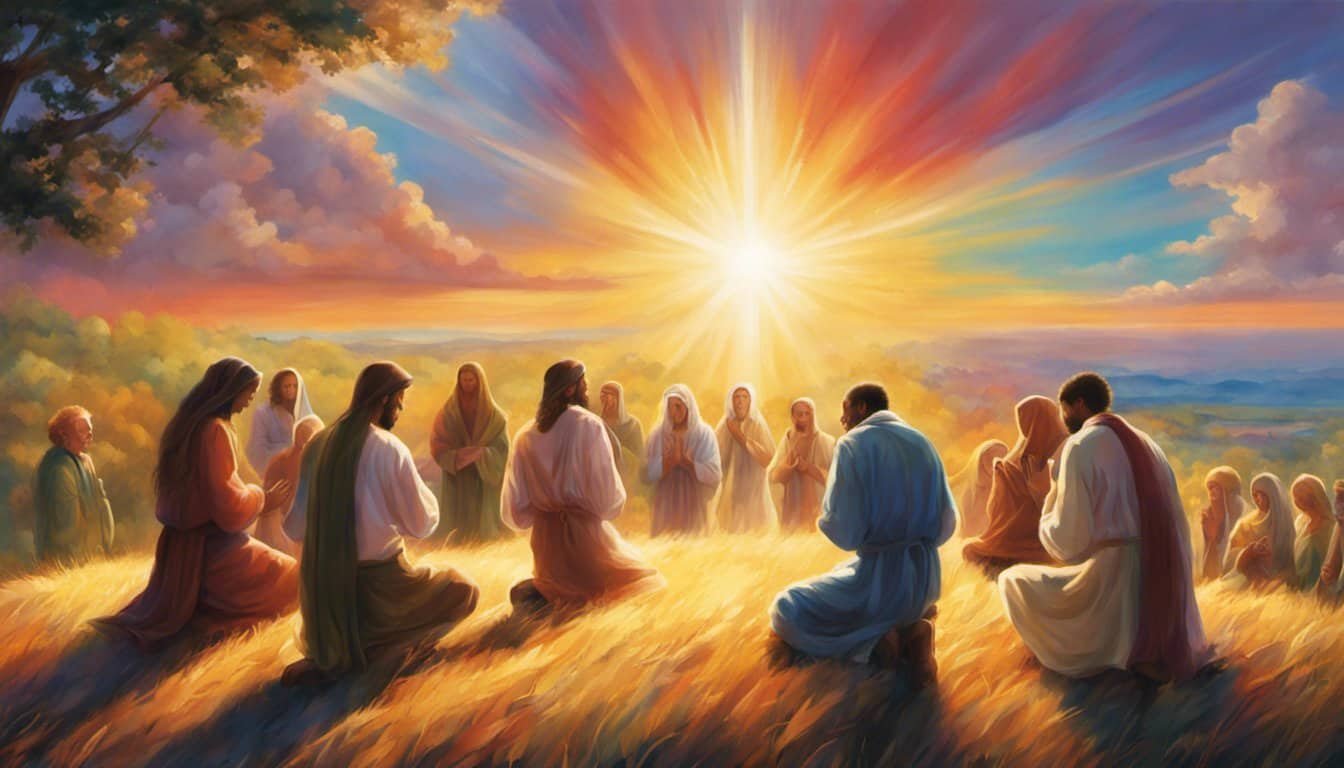
Jeremiah’s call for true worship remains pertinent in modern religious practice. Churches today often emphasize rituals and ceremonies, sometimes overlooking the essence of genuine faith. Believers are encouraged to examine their motivations, ensuring that worship stems from sincere devotion rather than mere obligation.




Social justice issues highlighted by Jeremiah persist in contemporary society. Many communities still struggle with inequality, neglecting vulnerable groups such as the homeless, immigrants, and marginalized individuals. Addressing these issues aligns with authentic worship, reflecting compassion and ethical responsibility.
False security through superficial religiosity is another ongoing concern. Reliance on religious institutions without personal accountability can lead to a hollow faith experience. Encouraging personal spiritual growth and adherence to moral principles fosters a more meaningful and resilient faith community.
Practical applications of Jeremiah’s teachings include:
- Integrity in Daily Life: Practicing honesty and fairness in personal and professional interactions.
- Community Support: Actively helping those in need through volunteer work and charitable initiatives.
- Personal Accountability: Regular self-reflection and repentance to maintain a sincere relationship with the divine.
- Ethical Decision-Making: Making choices that reflect moral and spiritual values consistently.
By integrating these principles, individuals can cultivate a faith that honors both personal devotion and societal well-being, echoing Jeremiah’s message of true worship over empty rituals.
Conclusion
Jeremiah’s Temple Sermon stands as a powerful reminder that true worship goes beyond rituals and touches the heart of ethical living and genuine devotion. By prioritizing integrity and compassion individuals can build a meaningful connection with the divine and strengthen their communities.
Today’s believers can draw inspiration from Jeremiah’s message ensuring their worship reflects sincere faith and social responsibility. Embracing these principles leads to a more authentic and impactful spiritual journey honoring both personal devotion and the well-being of society.