The Tabernacle stands as a stunning testament to faith and craftsmanship in the Bible. Serving as God’s dwelling place among the Israelites, it symbolized His constant presence and guidance. Exodus chapters 25-31 and 35-40 delve into the detailed instructions and passionate efforts that brought this sacred sanctuary to life.
These passages highlight the intricate designs and purposeful construction required to honor divine intentions. They showcase how each element of the Tabernacle was thoughtfully crafted to reflect spiritual significance. Exploring these chapters offers a deeper understanding of the blend between heavenly directives and human dedication that made the Tabernacle a central place of worship and connection.
Significance Of The Tabernacle
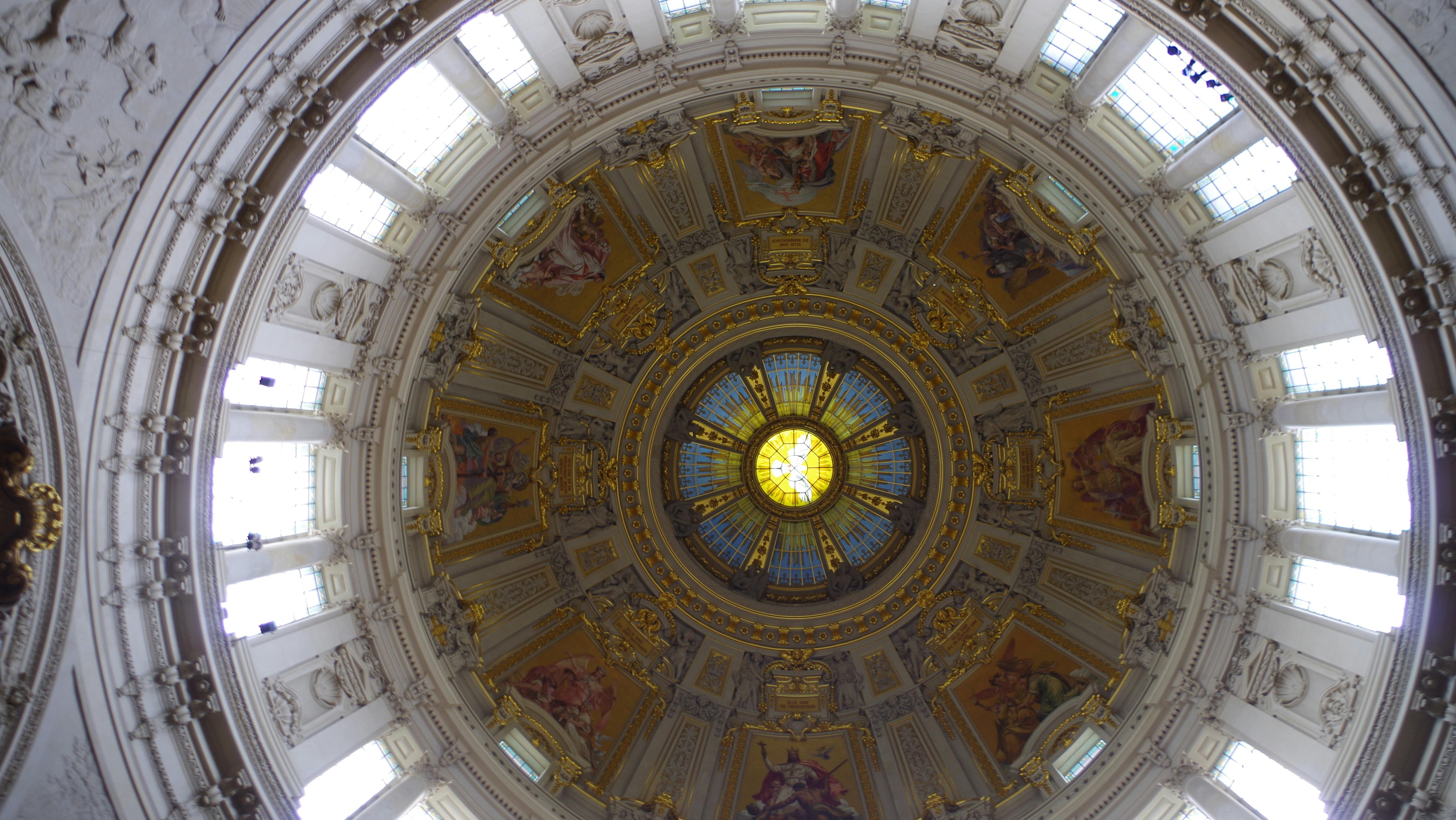
The Tabernacle stands as a central symbol of God’s presence among the Israelites. Detailed in Exodus chapters 25-31 and 35-40, its construction followed precise divine instructions. Every element, from the curtains to the altar, held specific spiritual meaning. The intricate designs reflected the holiness and majesty of God, ensuring that the Tabernacle was a fitting dwelling place. This sacred structure facilitated worship and communion, bridging the gap between the divine and the earthly. Additionally, the Tabernacle served as a model for future places of worship, embodying the harmony between God’s guidance and human craftsmanship. Its significance extends beyond its physical presence, representing God’s enduring relationship with His people.
Understanding the Tabernacle isn’t just for scholars or history enthusiasts. It’s a living symbol that offers valuable lessons for our everyday lives. Adam Phillips, with over two decades of experience guiding youth, shares practical insights into the construction and significance of the Tabernacle.
Detailed Instructions For Building The Tabernacle
The materials used in building the Tabernacle were carefully selected, each holding symbolic meaning. Gold, silver, and bronze represented purity and strength. Linen and goat hair ensured durability and comfort. By choosing quality materials, the Israelites demonstrated their dedication and respect for God’s dwelling place.
Key Materials:
- Gold: Symbolized divinity and purity.
- Silver: Signified redemption and value.
- Bronze: Represented judgment and strength.
Tip: When dedicating something to God, use the best you have to show your commitment.
Design and Structure
The Tabernacle’s design was intricate, yet functional. It consisted of the outer courtyard and the inner sanctuary. The courtyard housed the altar and the laver for purification, while the sanctuary contained the Holy Place and the Most Holy Place.
Structure Breakdown:
- Courtyard: Served as a space for public worship.
- Holy Place: Included the table for offerings, the golden lampstand, and the altar of incense.
- Most Holy Place: Held the Ark of the Covenant, representing God’s presence.
Scripture Insight: Exodus 40:34-35 describes the cloud covering the Tabernacle, signifying God’s constant presence among His people.
Step-by-Step Construction
Building the Tabernacle wasn’t spontaneous; it followed detailed divine instructions. Here’s a simplified guide based on Exodus:
- Gather Materials: Collect gold, silver, linen, and other specified items.
- Construct the Framework: Use acacia wood and skillfully crafted metals.
- Create the Curtains: Weave the fabrics with precision, ensuring alignment with God’s design.
- Assemble the Sacred Spaces: Arrange the Holy Place and Most Holy Place according to the blueprint.
- Install the Ark and Furnishings: Place the Ark of the Covenant and other sacred items in their designated spots.
- Erect the Tabernacle Tent: Ensure stability and adherence to the prescribed dimensions.
Encouragement: Just as the Israelites meticulously built the Tabernacle, approach your spiritual practices with care and dedication.


Practical Applications Today
Though the Tabernacle was a physical structure, its principles apply to our lives today. Here’s how:
- Sacred Spaces: Create personal spaces for prayer and reflection.
- Dedicated Materials: Use items that remind you of your faith in meaningful ways.
- Structured Worship: Organize your worship time to include moments of praise, reflection, and thanksgiving.
Reflective Question: How can you incorporate the principles of the Tabernacle into your daily worship?
Inspiration from the Tabernacle
The Tabernacle teaches us about the importance of community, dedication, and reverence. It serves as a reminder that our worship practices should honor God and foster a deeper connection with Him.
Scripture Reference: “And they shall construct the sanctuary; according to all that I show you, just as I show you an ordinance for the children of Israel” – Exodus 25:9.
By embracing these lessons, we honor the legacy of the Tabernacle and bring its spirit into our modern faith journeys.



The Role Of The Priests
The priests played a crucial role in the functioning of the Tabernacle, ensuring that worship and rituals were conducted according to divine instructions. Their responsibilities encompassed both leadership and the maintenance of sacred traditions.
Aaron’s Leadership
Aaron led the priestly tribe with dedication and authority. As the first high priest, he oversaw daily sacrifices, maintained the sacred space, and guided the Israelites in their worship practices. Aaron’s leadership was essential in establishing the priesthood’s structure, setting precedents for future generations. His ability to mediate between God and the people ensured that the community remained aligned with their spiritual duties.
Priestly Garments
Priestly garments symbolized holiness and set the priests apart for their sacred duties. The robes included the ephod, breastpiece, tunic, and sash, each detailing specific craftsmanship as outlined in Exodus. These garments featured intricate designs with precious materials, reflecting the glory of God. Wearing these garments, priests performed their functions with reverence, maintaining the sanctity of the Tabernacle and its ceremonies.
The Sacred Objects Within The Tabernacle
The Tabernacle housed several sacred objects, each symbolizing aspects of faith and worship. These items played a crucial role in the religious practices of the Israelites.
The Ark Of The Covenant
The Ark of the Covenant served as the centerpiece of the Tabernacle. Crafted from acacia wood and overlaid with gold, it measured 2.5 cubits in length, 1.5 cubits in width, and 1.5 cubits in height. The Ark contained the stone tablets of the Ten Commandments, Aaron’s rod, and a jar of manna. Its cover, the Mercy Seat, featured two cherubim facing each other with wings spread. The Ark symbolized God’s presence and His covenant with the Israelites. Only the high priest could approach the Ark, and only once a year on the Day of Atonement, ensuring its sanctity.
The Altar And Other Furnishings
The Altar of Burnt Offering stood in the outer courtyard, made of acacia wood and overlaid with bronze. It measured 5 cubits in length, 5 cubits in width, and 3 cubits in height. The altar featured horns on each corner, symbolizing strength and protection. It was used for sacrifices and offerings, essential for maintaining the covenant relationship with God. Additionally, the Tabernacle included the Table of Showbread, the Golden Lampstand, and various utensils. Each furnishing followed precise specifications, reflecting the importance of order and holiness in worship. These objects collectively facilitated daily worship and represented the community’s dedication to God’s commandments.
The Construction Process
The construction of the Tabernacle followed detailed divine instructions, ensuring each element served its purpose in worship and communion.
Gathering Of Offerings
The Israelites collected materials as commanded by God. They donated gold, silver, bronze, fine linens, animal skins, and specific woods. Contributions included:
- Gold: 29 talents for the Ark, table, lampstand, and utensils.
- Silver: 100 talents for the base of the sanctuary and various offerings.
- Bronze: 70 talents for the altar, basin, and other items.
- Fine Linens: Including blue, purple, and scarlet yarns for garments and curtains.
- Animal Skins: Tanned ram skins for covering the Tabernacle.
- Wood: Acacia wood for constructing the Ark, altar, and other furnishings.
Each donation was voluntary, reflecting the community’s dedication and willingness to contribute to God’s dwelling place.
Assembly And Craftsmanship

Skilled artisans led the assembly of the Tabernacle. Bezalel and Oholiab oversaw the craftsmanship, as appointed by God. Their responsibilities included:
- Constructing the Framework: Using acacia wood, they built the Ark of the Covenant, the Table of Showbread, and the Altar of Burnt Offering.
- Creating the Curtains: Made from fine linen, the curtains featured intricate embroidery with blue, purple, and scarlet threads.
- Crafting the Holy Objects: The Golden Lampstand and the Table of Showbread were overlaid with pure gold, adorned with precious stones and detailed designs.
- Assembling the Outer Courtyard: Erected curtains and established the boundaries for public worship.
- Setting Up the Inner Sanctuary: Positioned the Ark, Table, and Lampstand in the Holy Place, and the Altar of Incense in the Most Holy Place.
The meticulous craftsmanship ensured that each component met the exact specifications provided in Exodus. This precision underscored the Tabernacle’s role as a sacred space, facilitating worship and maintaining the holiness required for God’s presence.
Conclusion
Reflecting on the Tabernacle’s significance underscores its spiritual depth. It stands as a testament to the enduring bond between the divine and the community. The meticulous craftsmanship and devoted contributions highlight the importance of dedication in building something sacred.
This sacred structure continues to inspire faith practices today. It encourages dedication and reverence in worship while guiding individuals to create meaningful spiritual connections and foster unity. Embracing the Tabernacle’s lessons helps enhance personal spiritual journeys and strengthens relationships with the divine.